Redrawing America’s Security Bargains in Northeast Asia
The Trump administration’s attempts to redraw the security bargains with South Korea and Japan are creating growing tension and uncertainty.

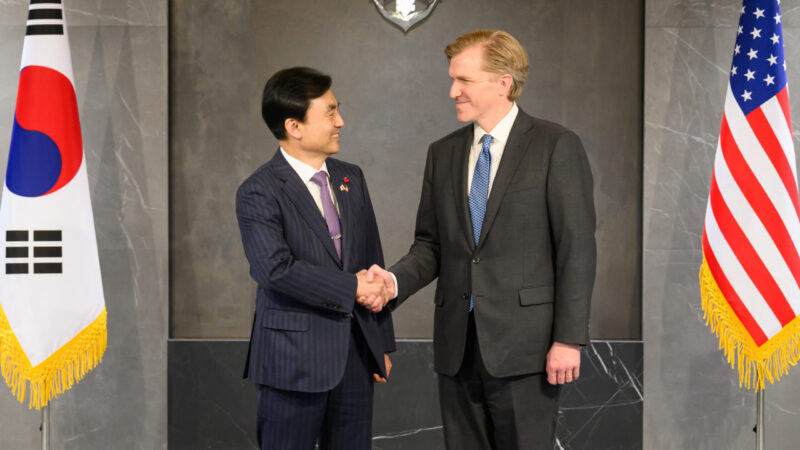
The Trump administration’s attempts to redraw the security bargains with South Korea and Japan are creating growing tension and uncertainty.
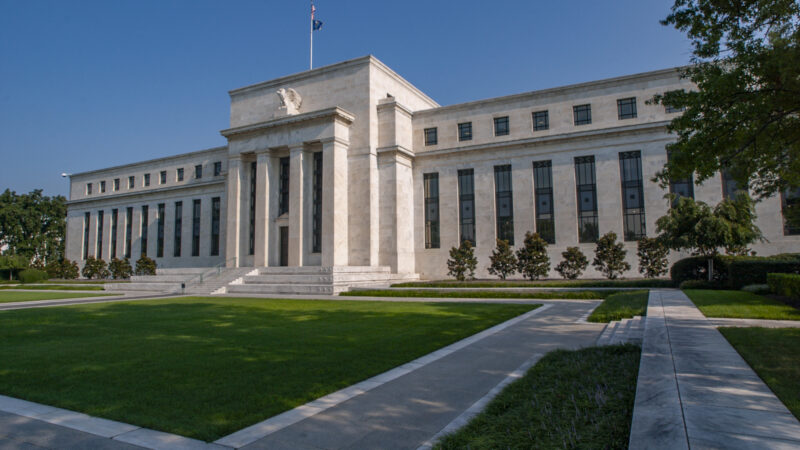
Contrasting interest rate directions by the U.S. Federal Reserve and the Bank of Japan complicate South Korea’s economy.
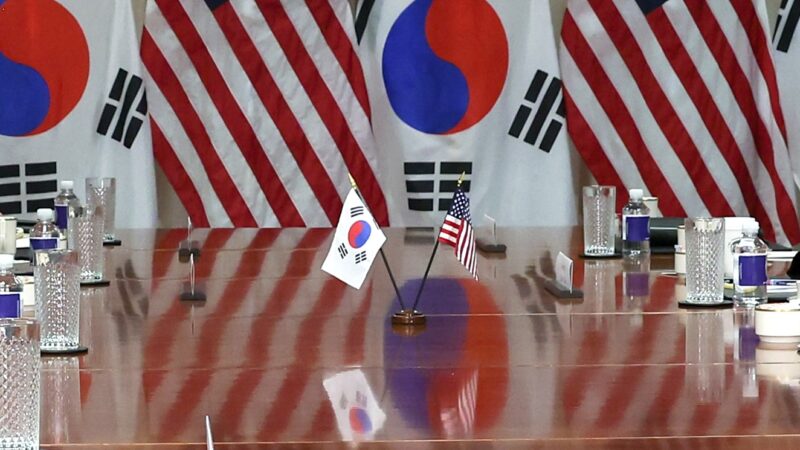
A must-read look at the trade deals and diplomacy that reshaped U.S.-Korea relations in Q4 2025.
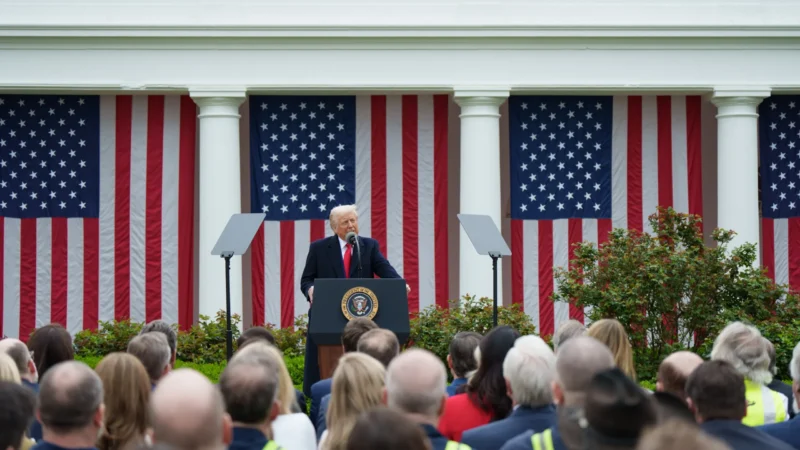
The Trump administration’s tariffs, partly functioning as a revenue stream for the government, faced numerous legal challenges in 2025.
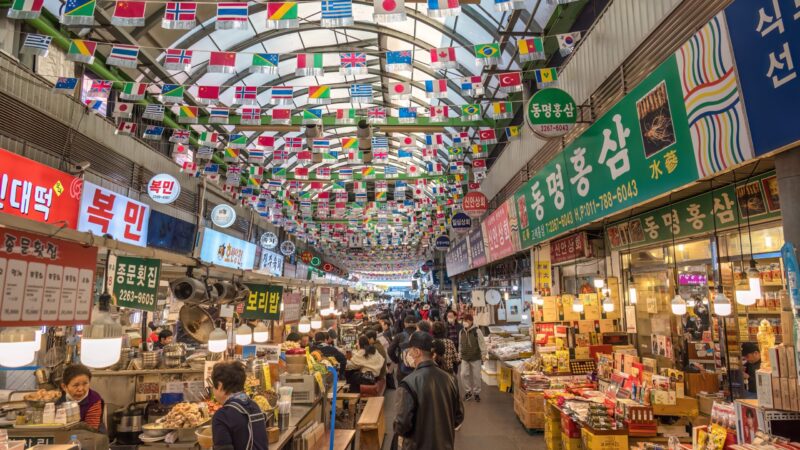
Despite significant barriers, a new survey found that satisfaction among North Korean refugees in South Korea reached its highest level.
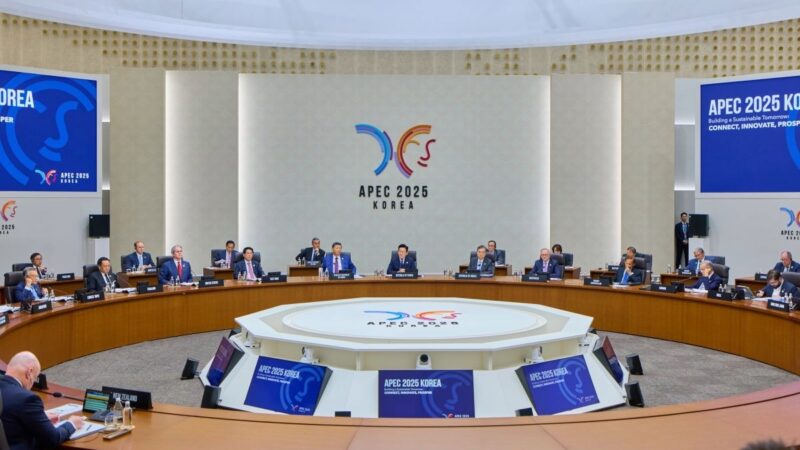
The real significance of South Korea’s successful 2025 Asia-Pacific Economic Cooperation (APEC) summit lies in the Lee administration’s decision to make demographics a major part of its policy agenda.
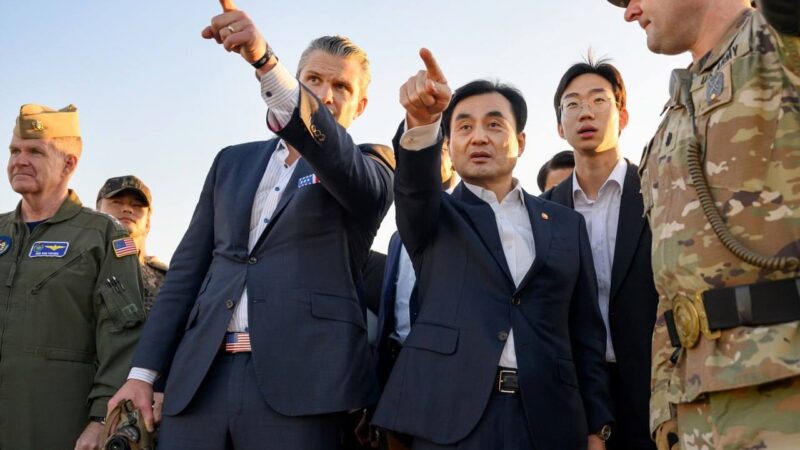
From alliance recalibration to the “Korea Discount,” KEI experts analyze the critical issues shaping U.S.–South Korea relations in 2026.
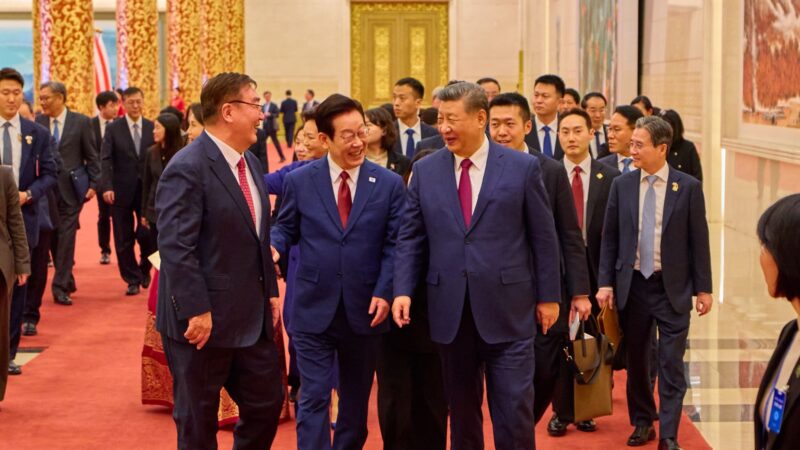
“China for economy, U.S. for security” is no longer tenable; time will tell just how this new Korea-China relationship will take shape.
Investment commitments, tariff deals, and bilateral MOUs may now have to be completed with the caveat in mind that anything can change at a moment’s notice.
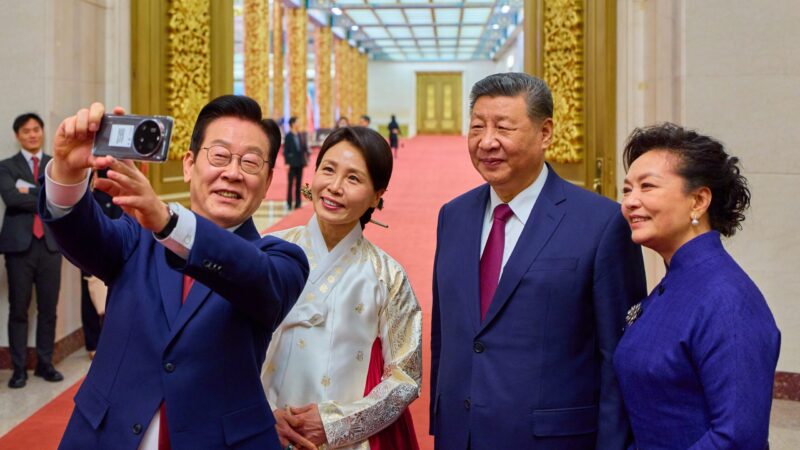
Seoul signaled commitment to a regional policy of pragmatic diplomacy, economic security, and broader regional stabilization.