Understanding the $350 Billion MOU Putting Seoul Under Pressure
The deal may not only help Korea avoid higher tariffs, but also lower the cost of capital for strategic investments in the United States.


The deal may not only help Korea avoid higher tariffs, but also lower the cost of capital for strategic investments in the United States.
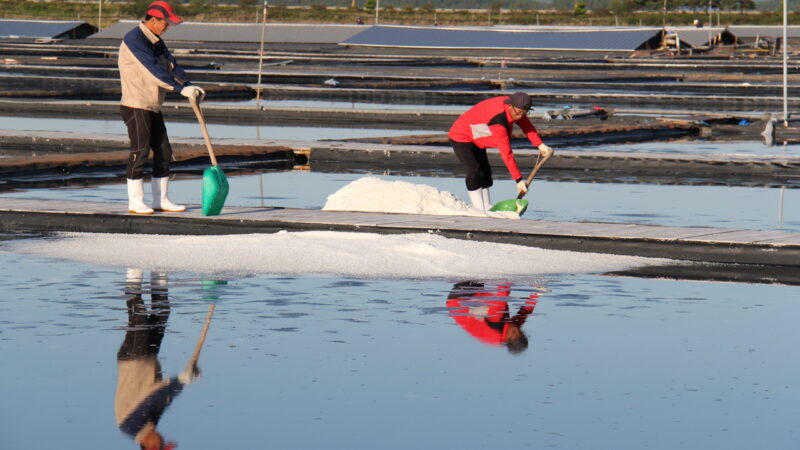
The Sinan salt farm case reflects deeper governance challenges linking demographic decline, rural labor markets, enforcement capacity, and global supply-chain scrutiny.
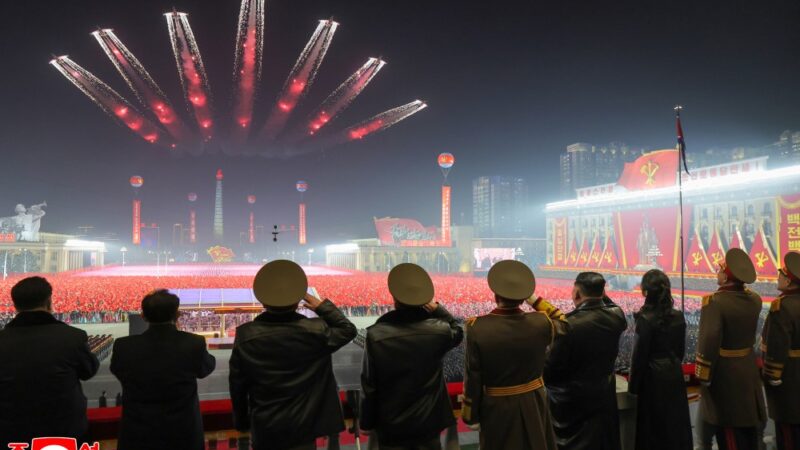
Kim Jong Un’s speech at the Ninth Party Congress covered familiar themes on economic and military development and preconditions for dialogue with the United States, but revealed deep antagonism toward South Korea.
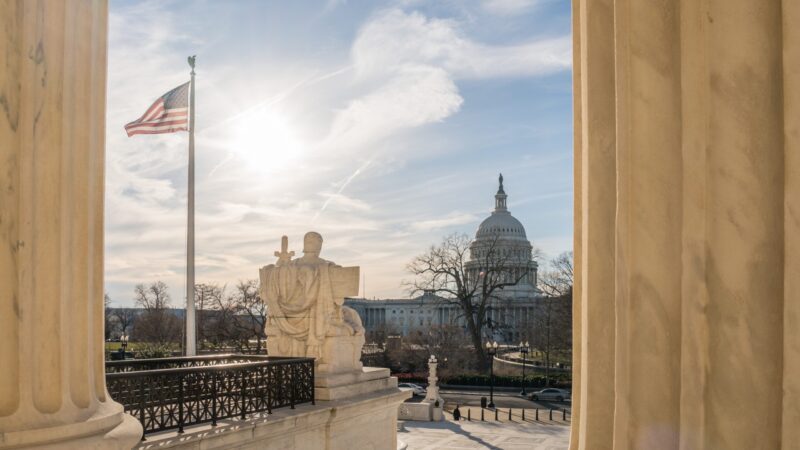
Despite the Supreme Court’s ruling on IEEPA tariffs, the Trump administration maintains substantial authority to pursue aggressive trade policies.
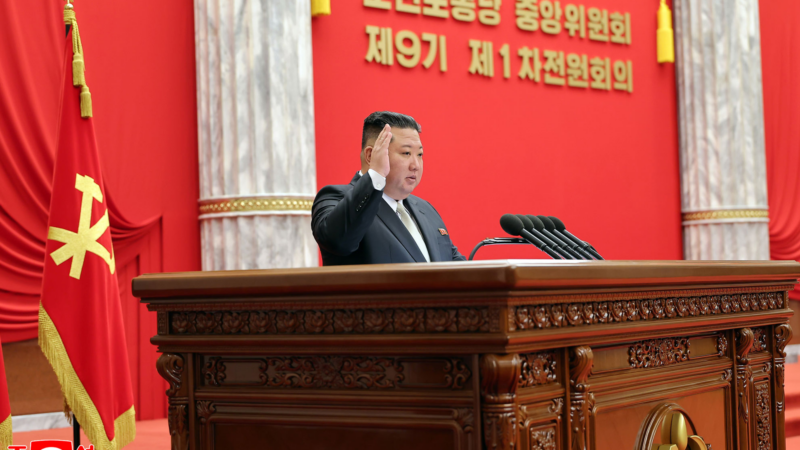
North Korea’s Ninth Party Congress focused on goals related to economic development, military capabilities, and self-reliance.
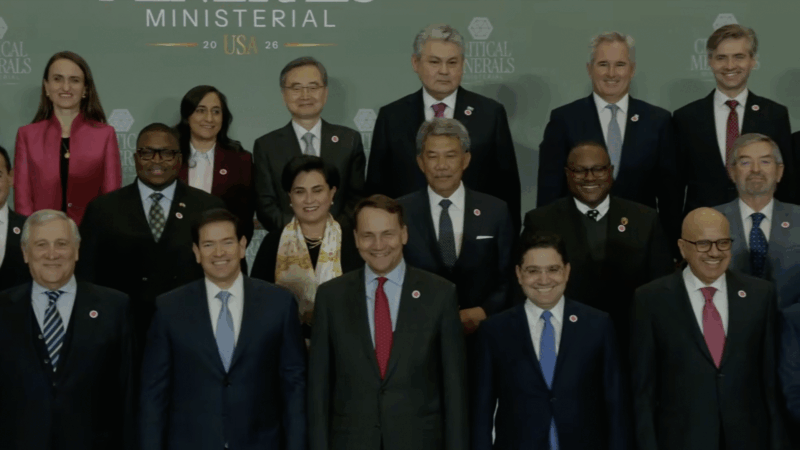
South Korea must move beyond domestic measures on critical minerals and develop a more refined multilateral strategy to enhance global supply chain stability.
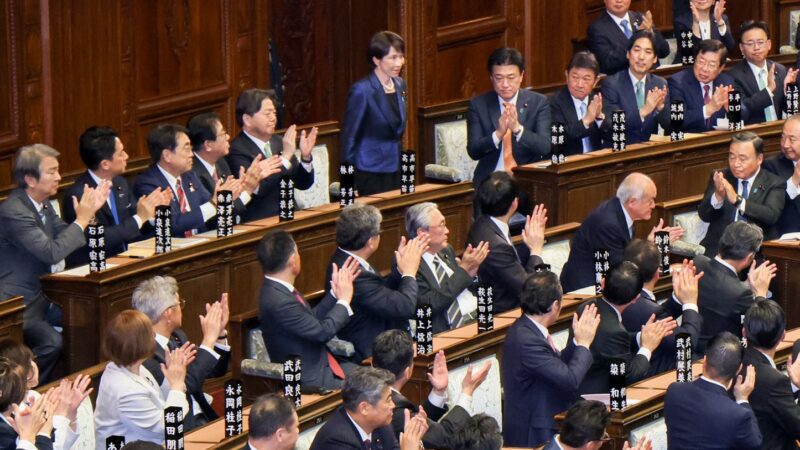
Japanese Prime Minister Sanae Takaichi’s victory in the lower house elections poses both opportunities and risks for the Korea-Japan relationship.
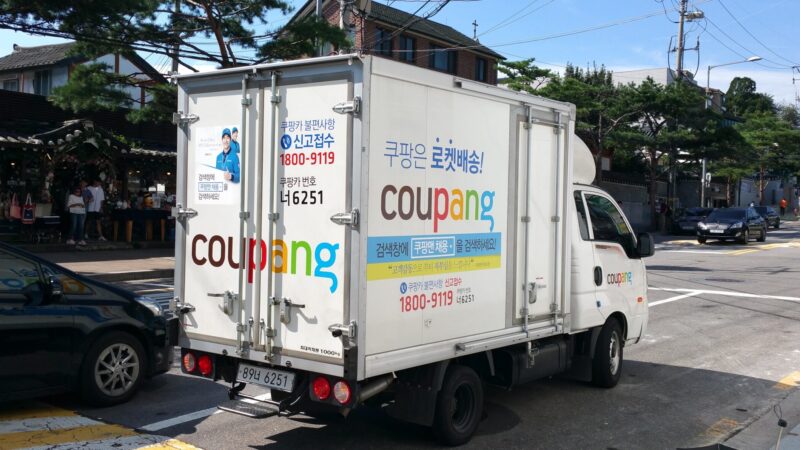
South Korea’s largest online retailer suffered a massive data breach last year that exposed the personal information of more than 33 million users.
The Trump administration’s ability to levy tariffs in other ways will likely persuade South Korea to keep its investment commitments under the tariff deal.
Data shows that 2025 GDP rose 1 percent above 2024, but a surge in the third quarter did not continue through the end of the year.