What the Big Beautiful Bill Means for South Korean Businesses
Ending tax credits may hurt EV sales, but other aspects appear promising for Korean investment in the United States.

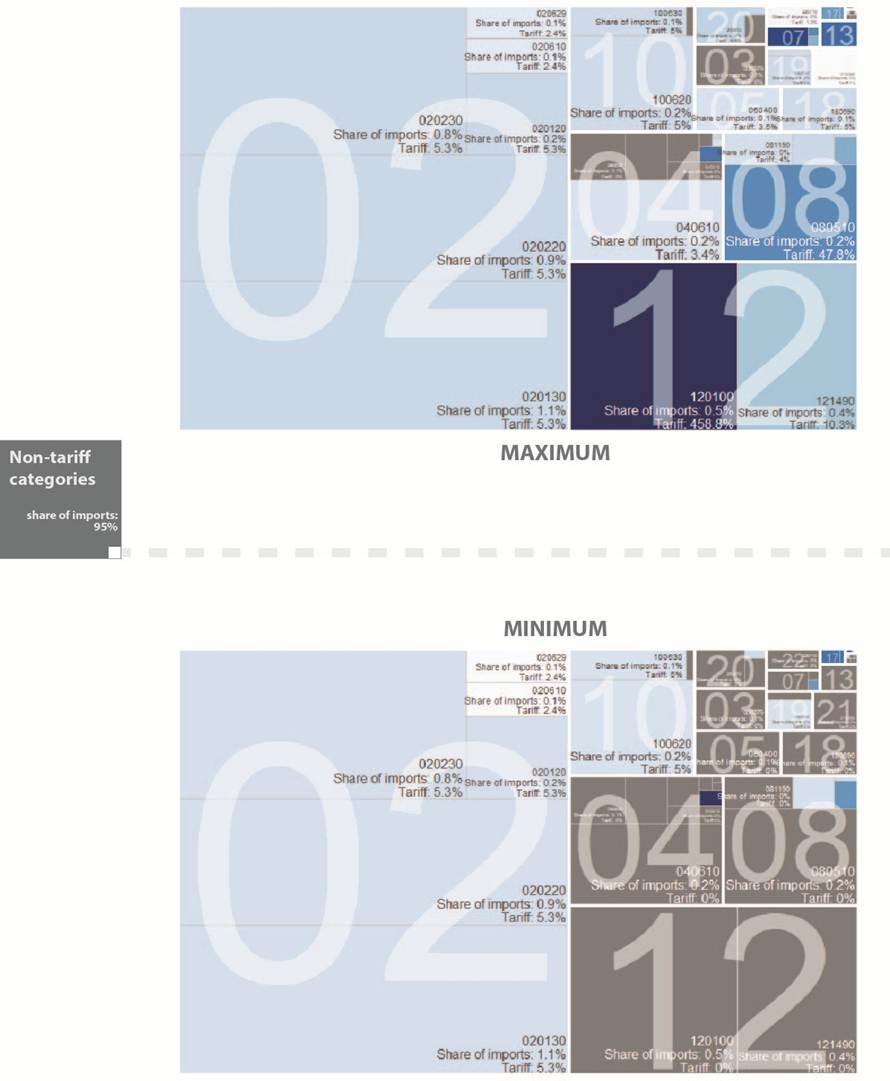
Ending tax credits may hurt EV sales, but other aspects appear promising for Korean investment in the United States.

U.S. and South Korean companies continued to plow ahead and forge partnerships across several domains in Q2 despite trade and policy uncertainty.
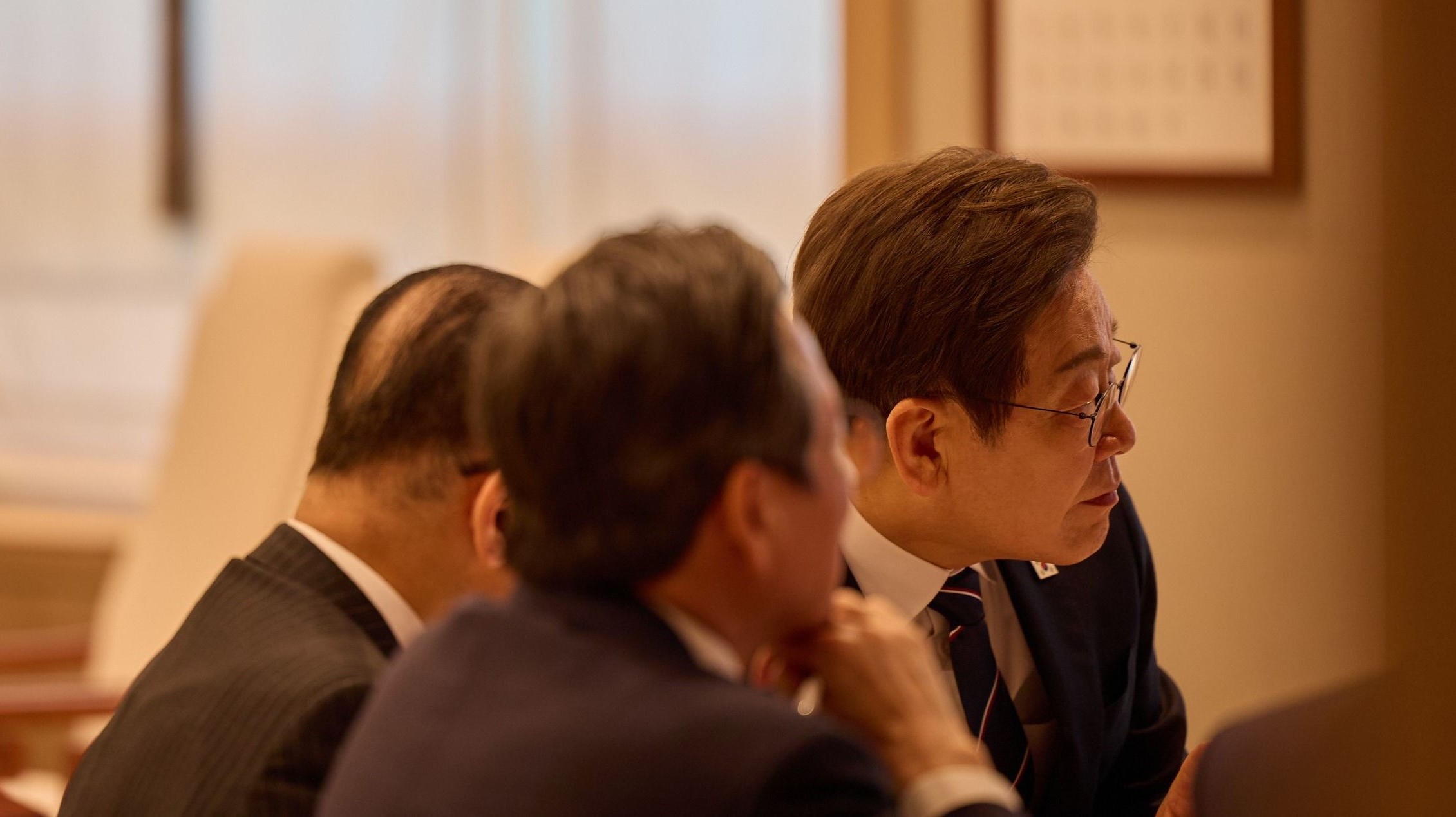
Successfully resolving the tariff issue with the United States is essential for a strong economic recovery after months of uncertainty.

The ‘Liberation Day’ tariffs on South Korea are best understood as political tools rather than trade policy rooted in sound analysis.
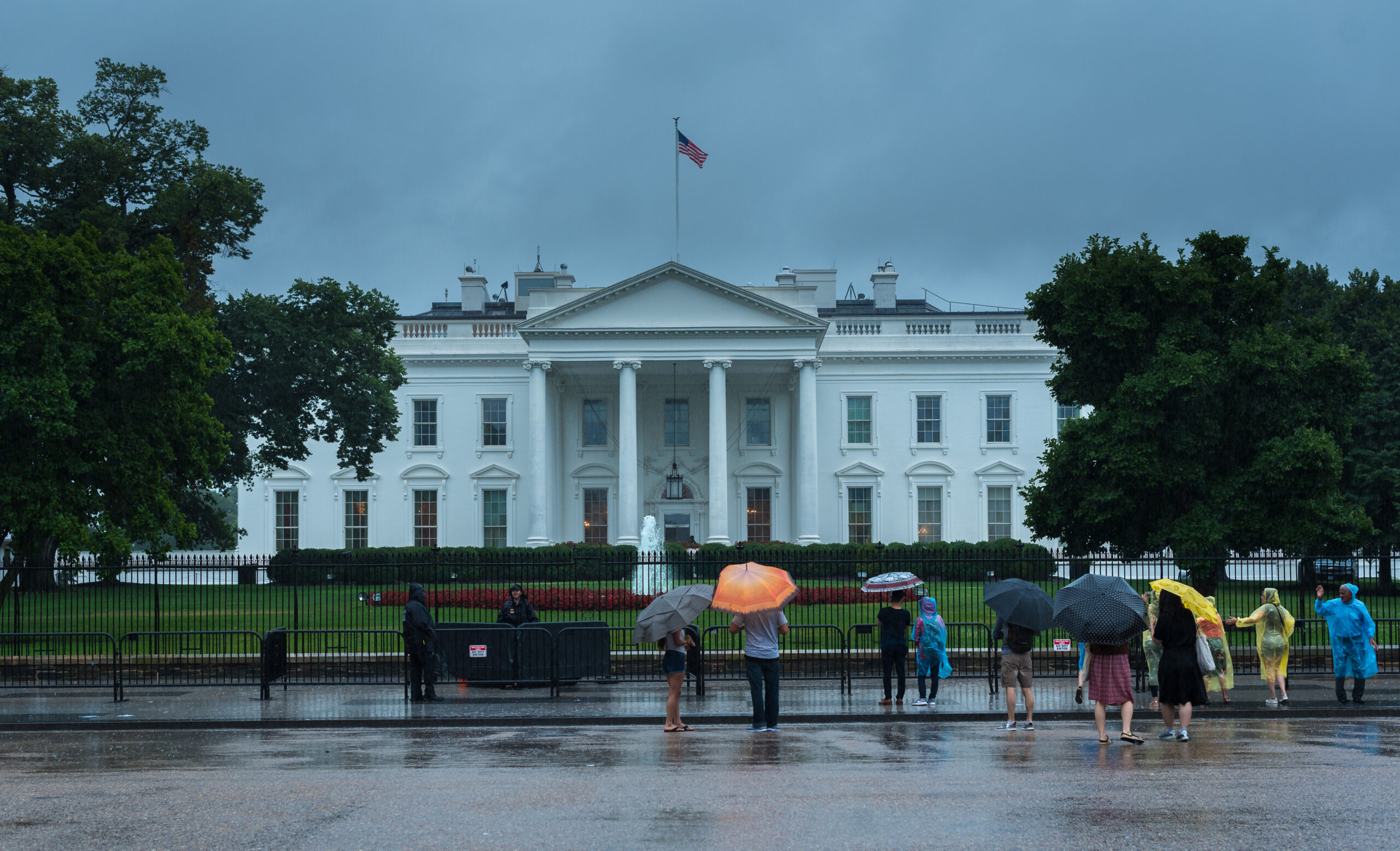
Policy uncertainty in the United States has increased, which is influencing the long-term outlook for South Korean investment decisions.
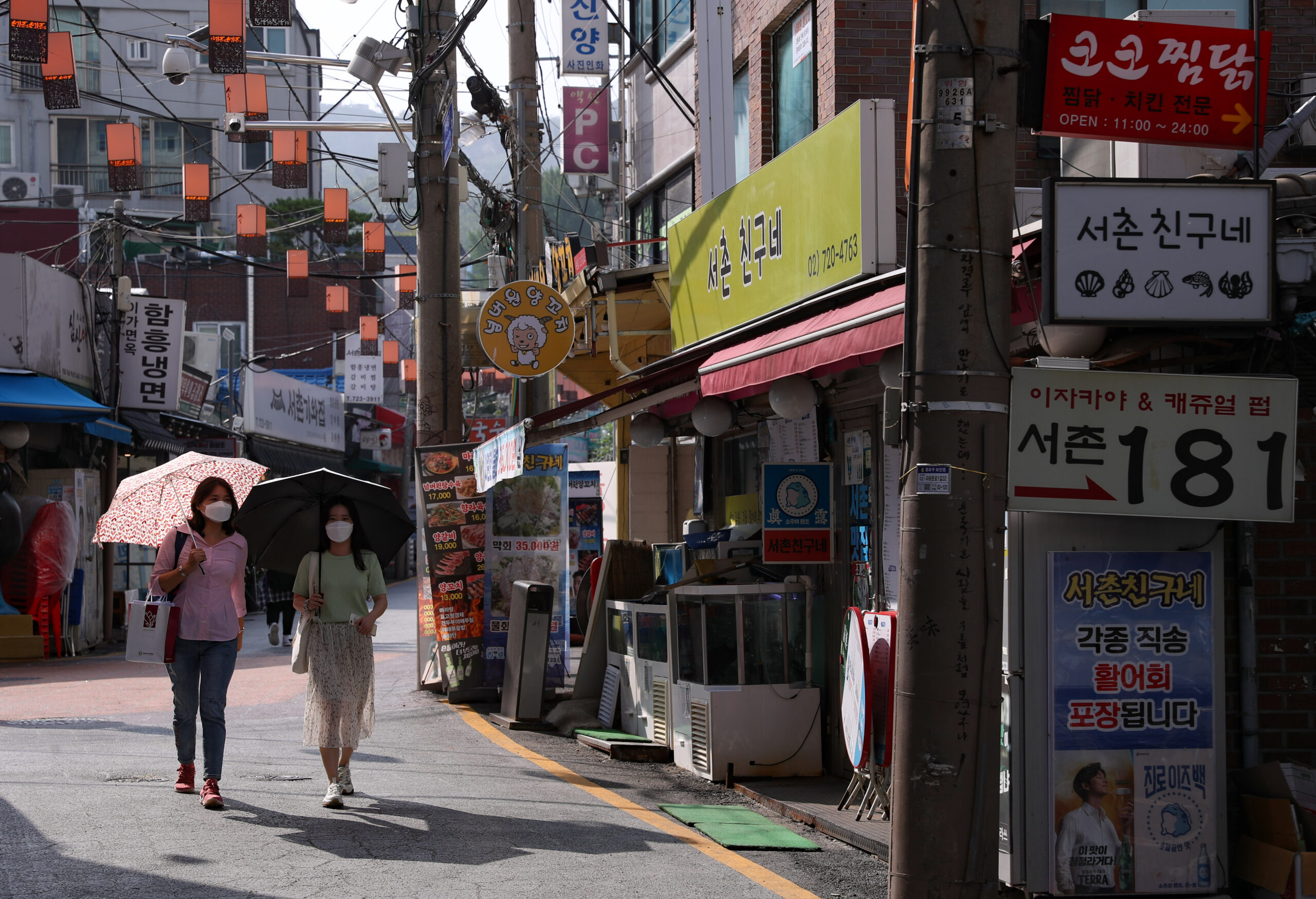
Economic data for South Korea from recent months offers an early indicator of how tariffs might impact Korea’s economy and U.S.-Korea trade.
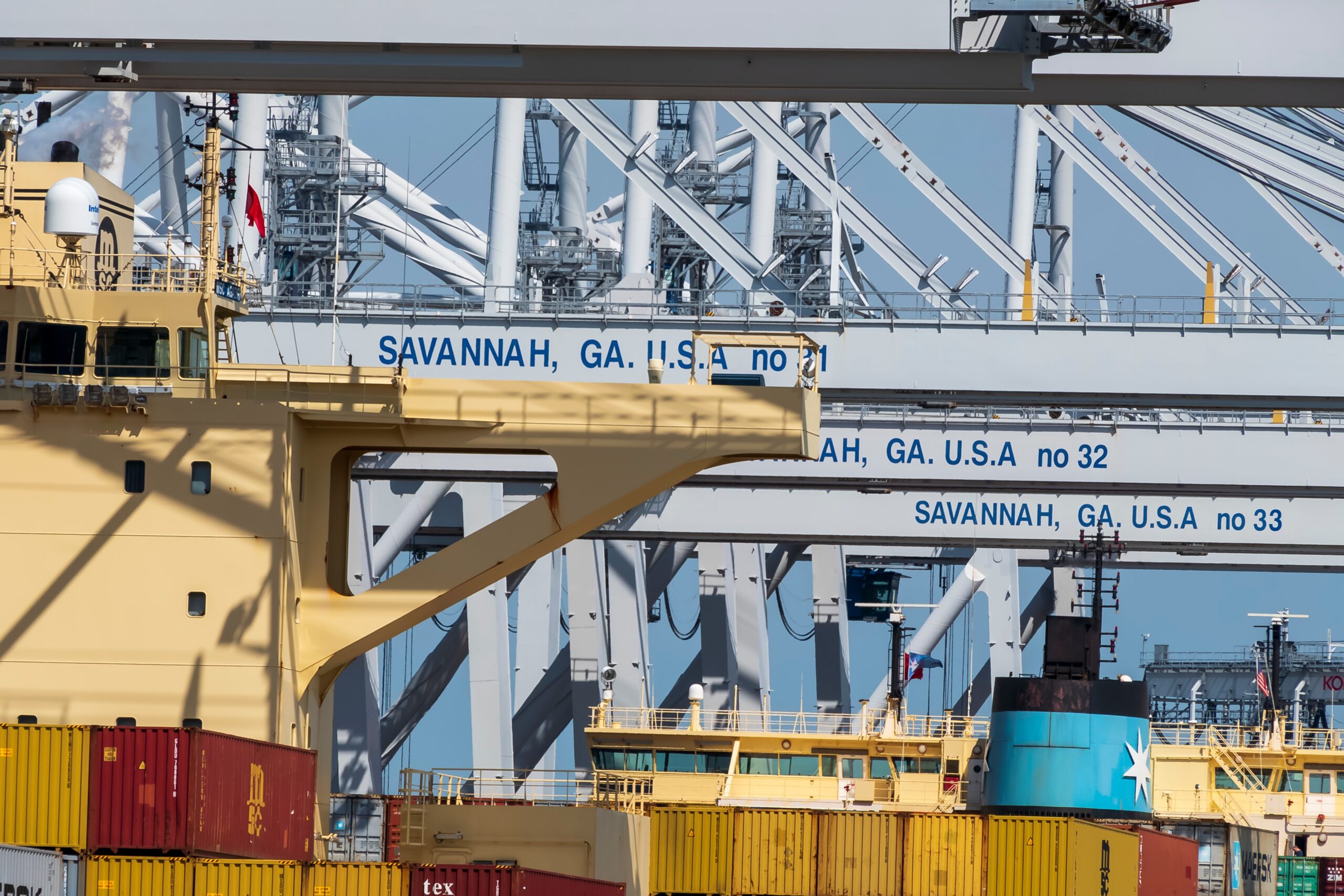
Amid tariffs and investments, many have pointed to the benefits of deep socioeconomic linkages between the United States and South Korea.
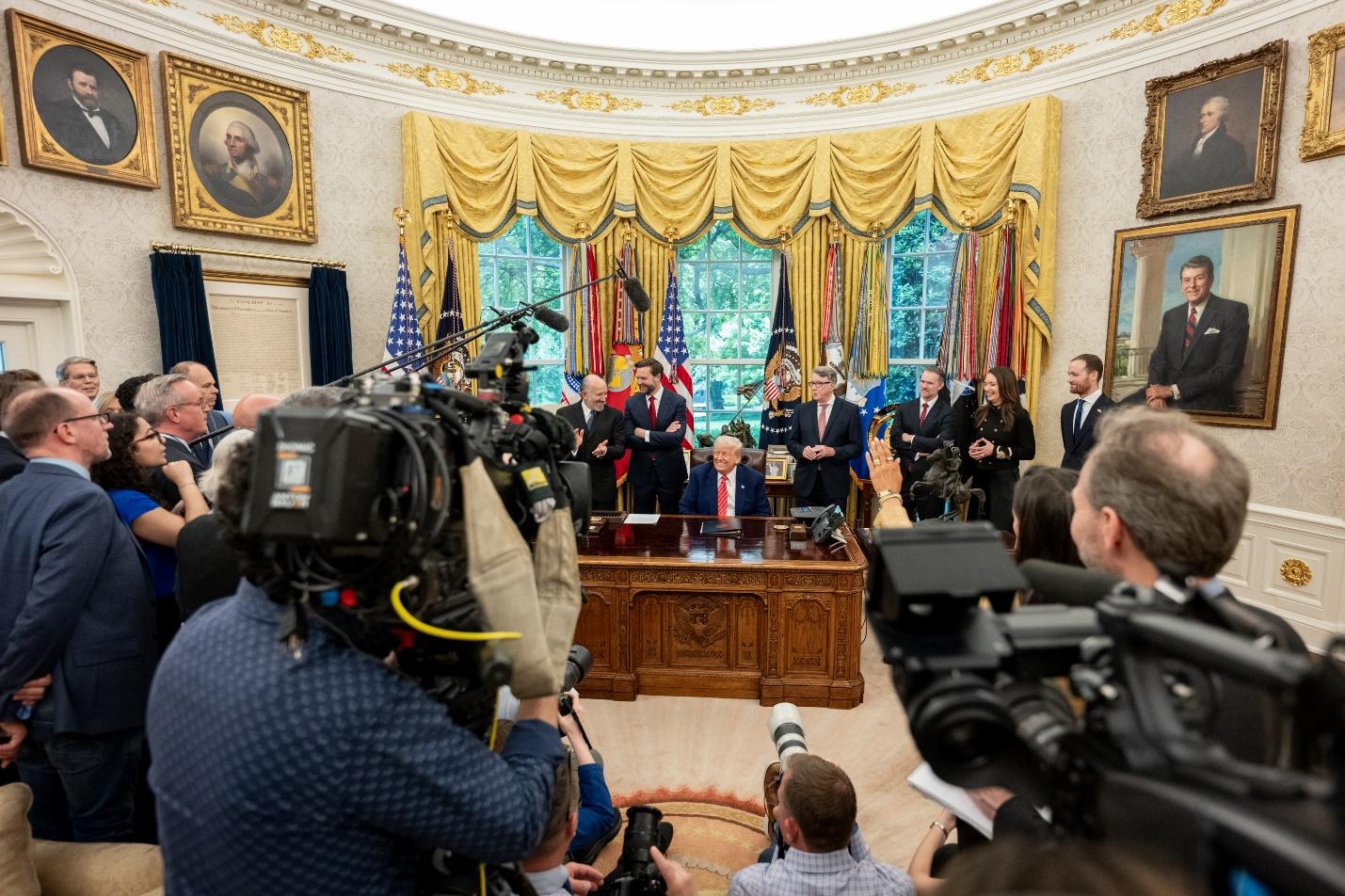
The first major deal of the year carries implications for South Korea on everything from tech trade to agriculture
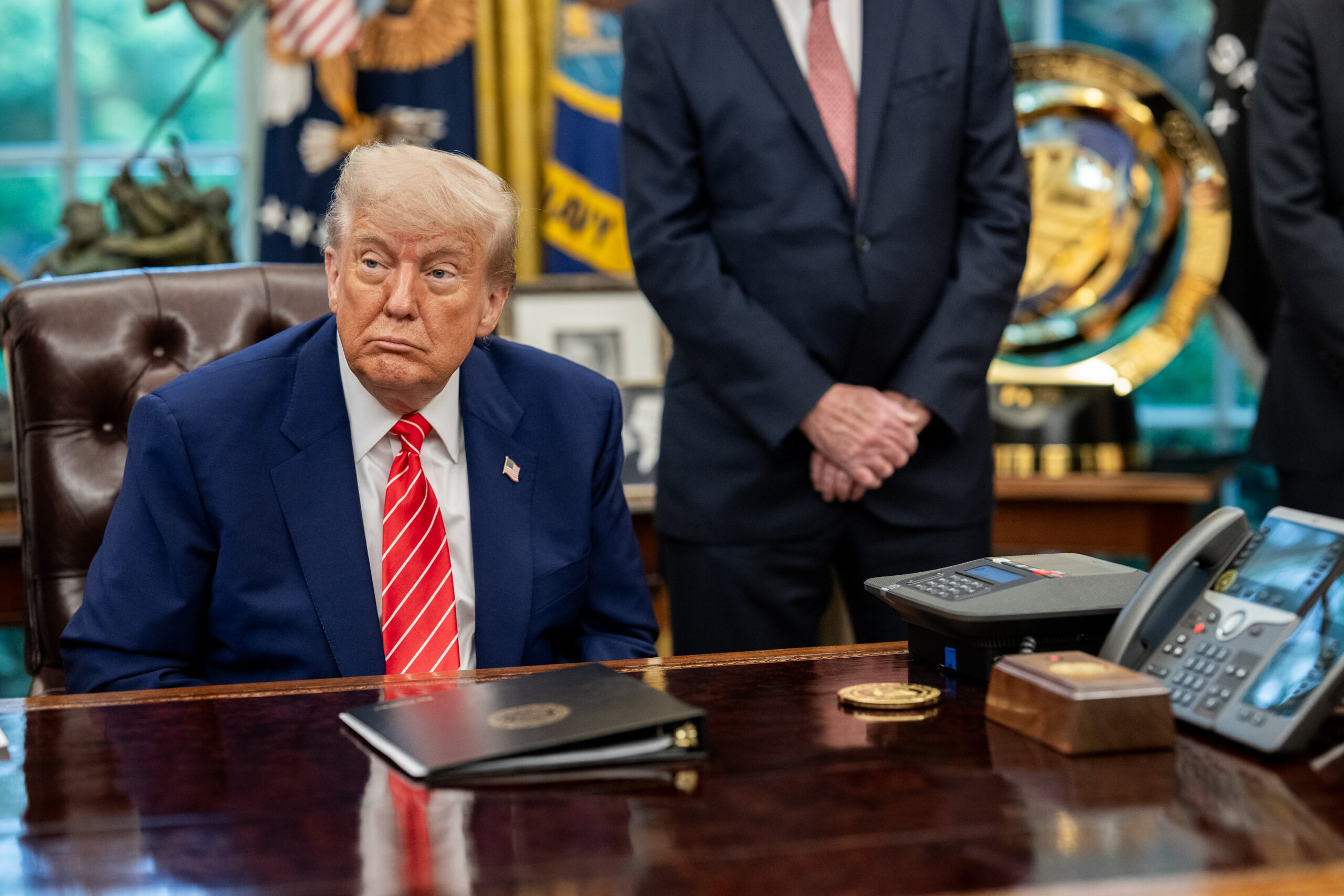
New KEI research shows that perception and visibility, not dollar amounts, shape how Americans feel about foreign investment.
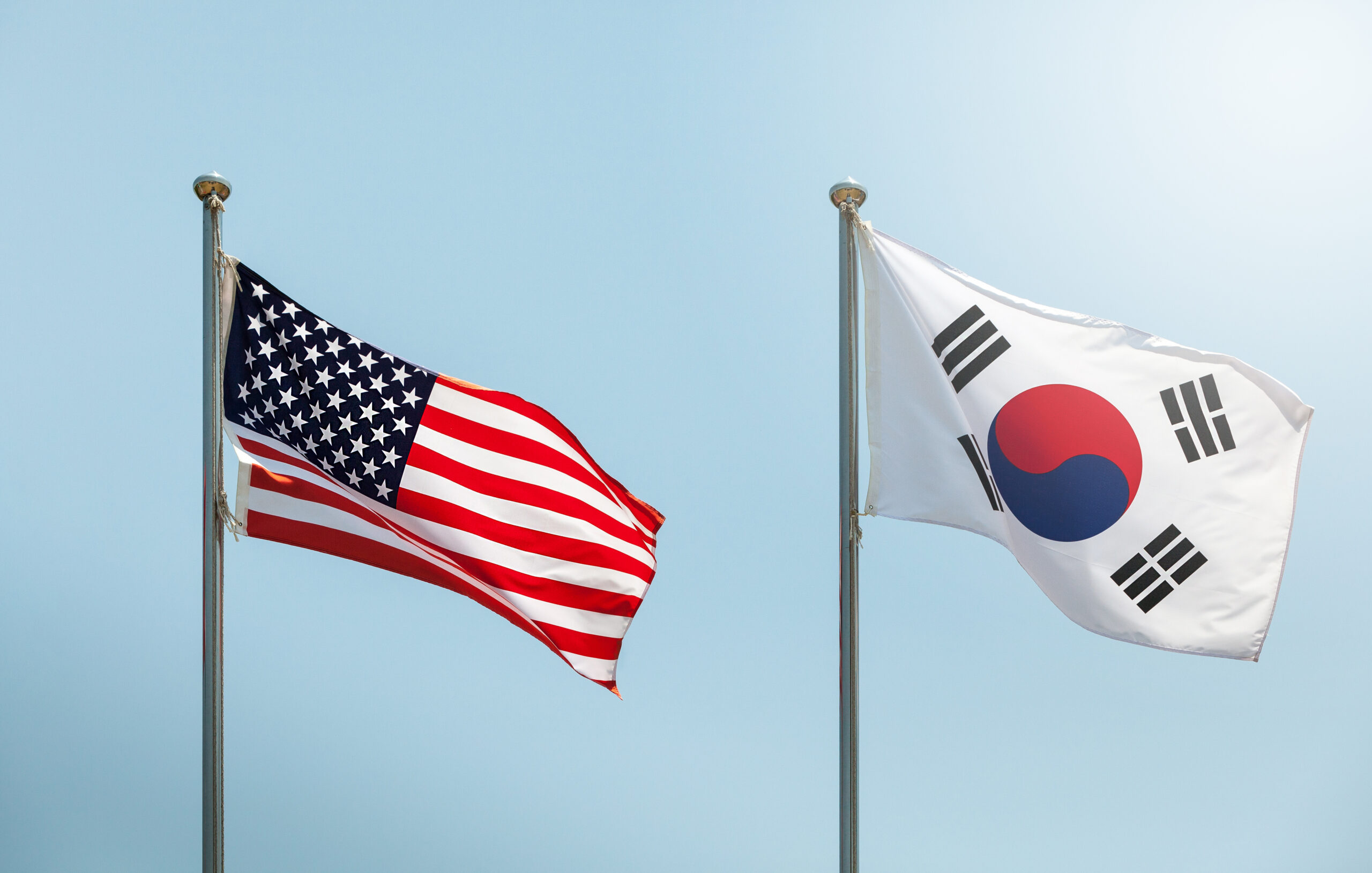
If the United States and Korea are rowing in the same direction, the two countries should help set the pace for the rest of the world.