Why Shipbuilding is a Silver Lining amid the U.S. Tariff Turmoil
For South Korea, U.S. partnership presents an opportunity for its shipbuilding sector to maintain competitiveness while reducing dependence on China

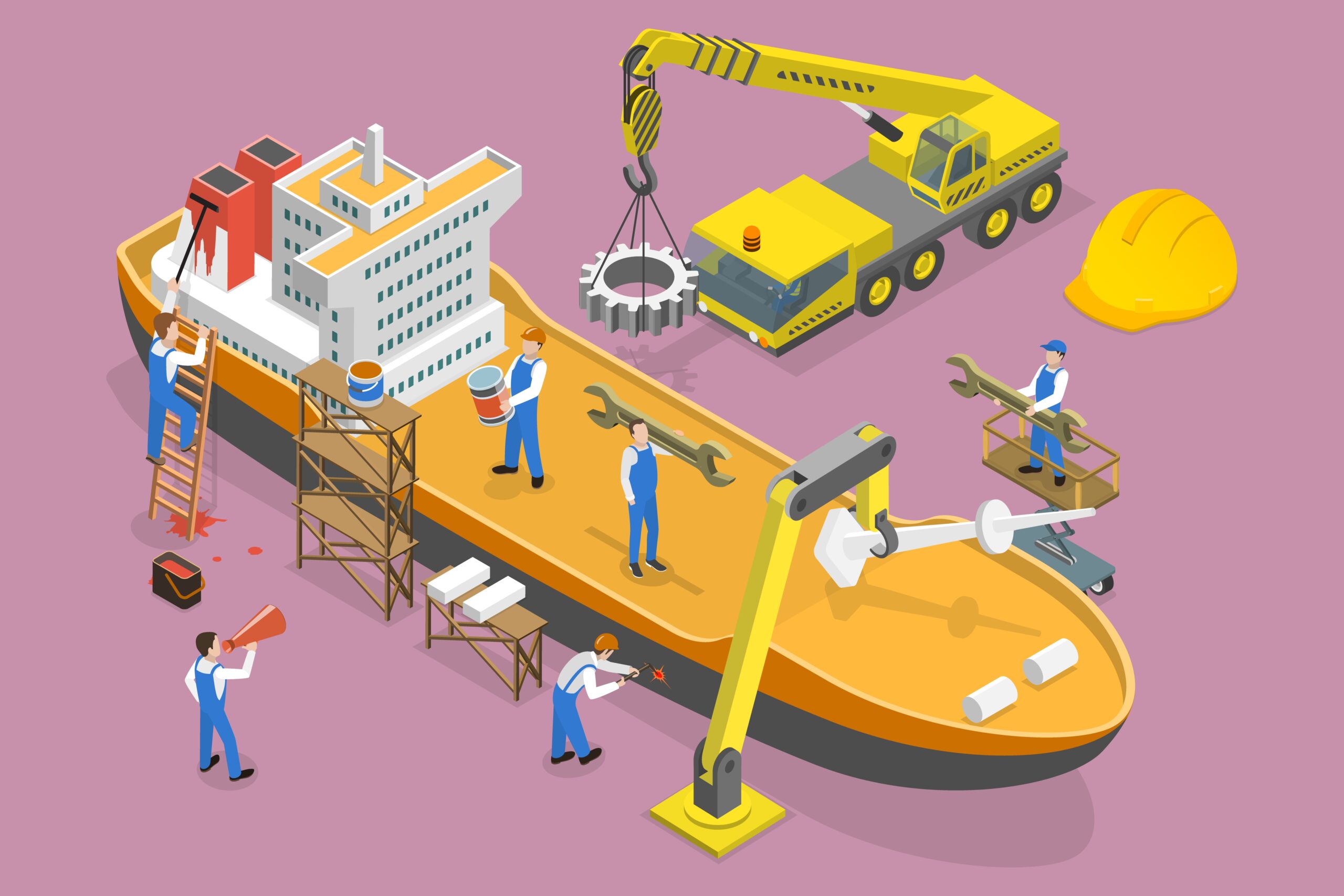
For South Korea, U.S. partnership presents an opportunity for its shipbuilding sector to maintain competitiveness while reducing dependence on China

Short-term fears of economic volatility can make people lose confidence in a currency and refuse to hold it, no matter how cheap it gets.
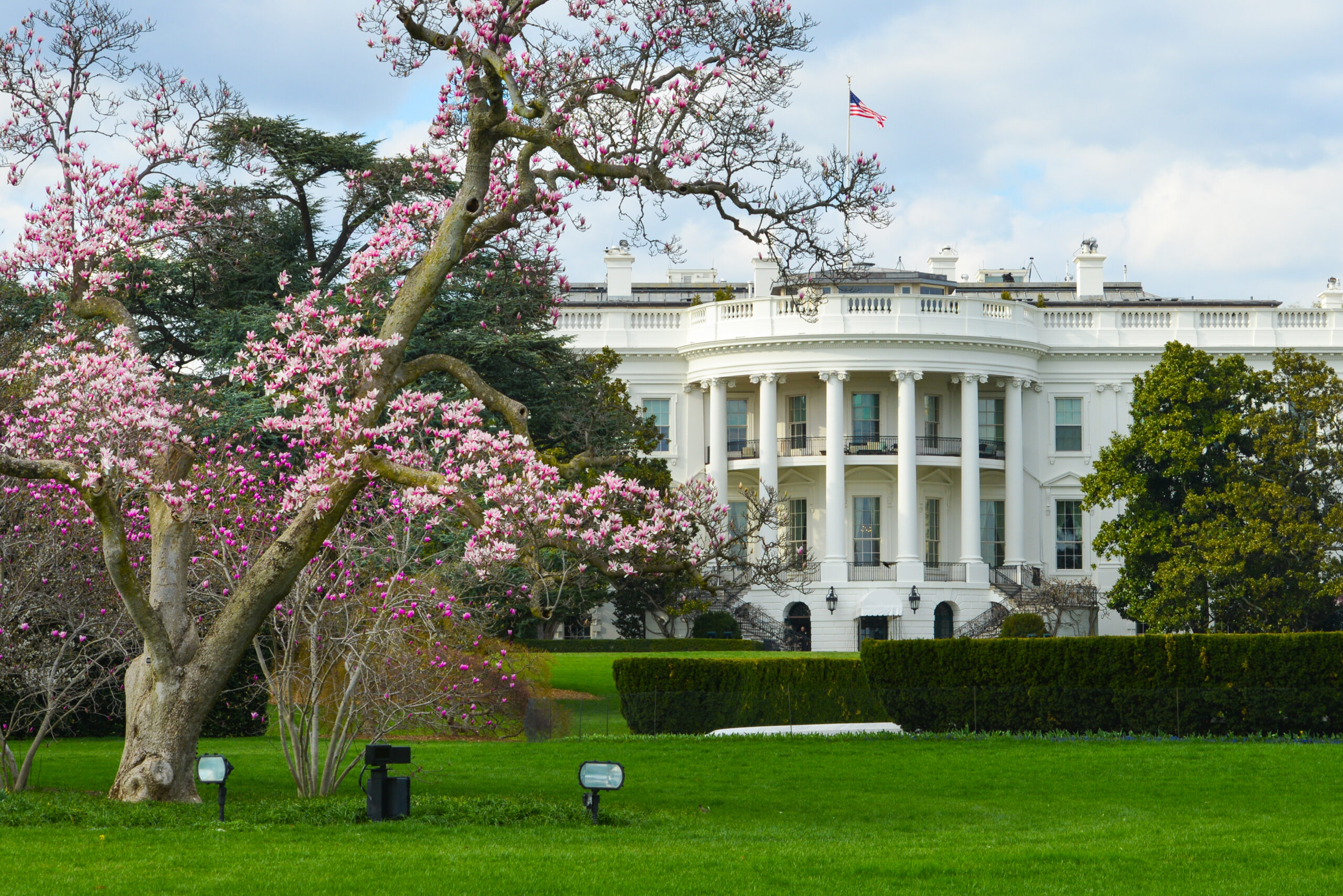
The U.S. position that national security is non-justiciable is fundamentally at odds with the WTO’s insistence on legal discipline.

Once dismissed as an abstract nuisance, transnational subsidies have now become a central concern for countries.
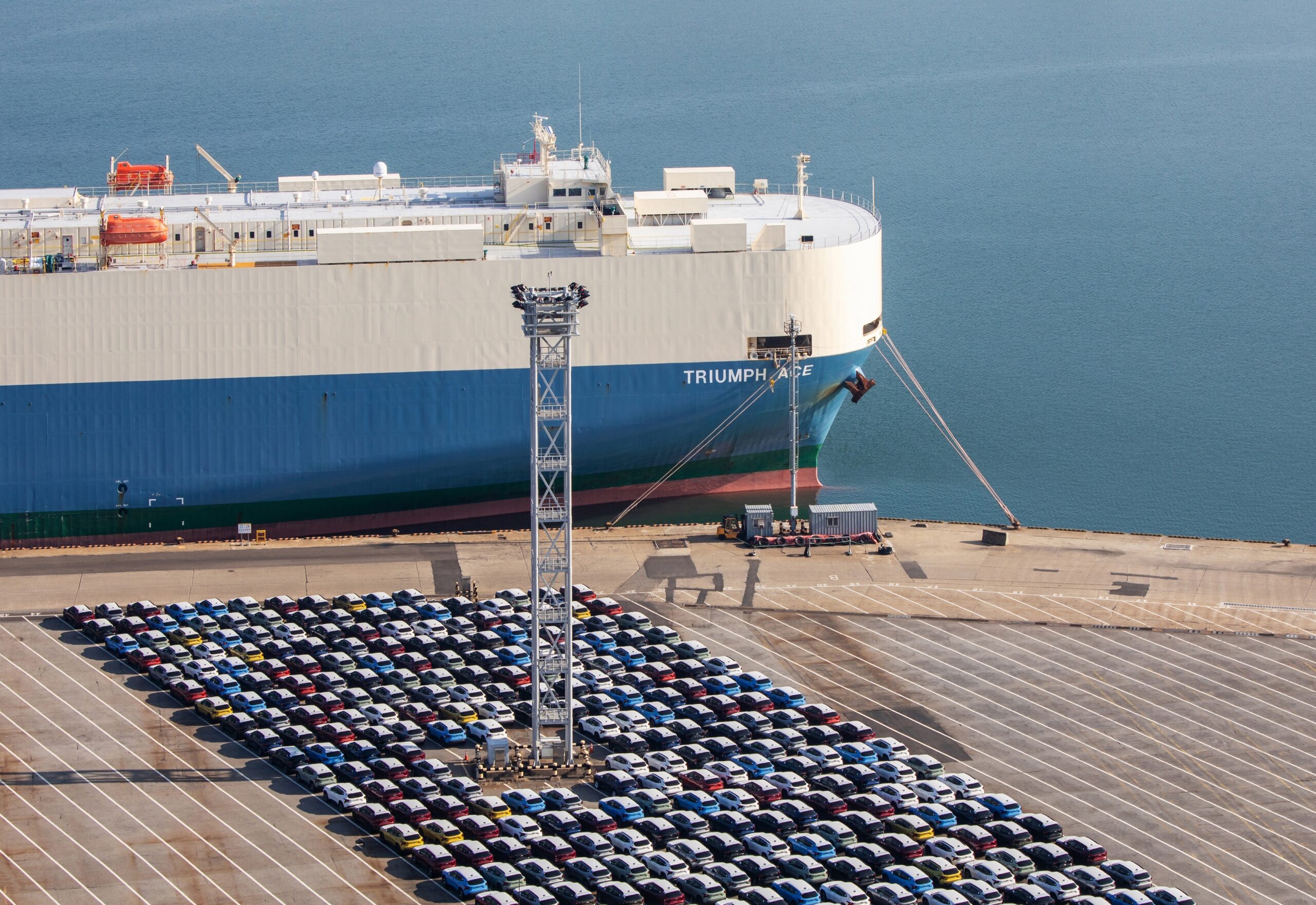
The proposed tariff on cars is likely to severely affect U.S.-South Korea economic relations, as well as the U.S. economy itself.
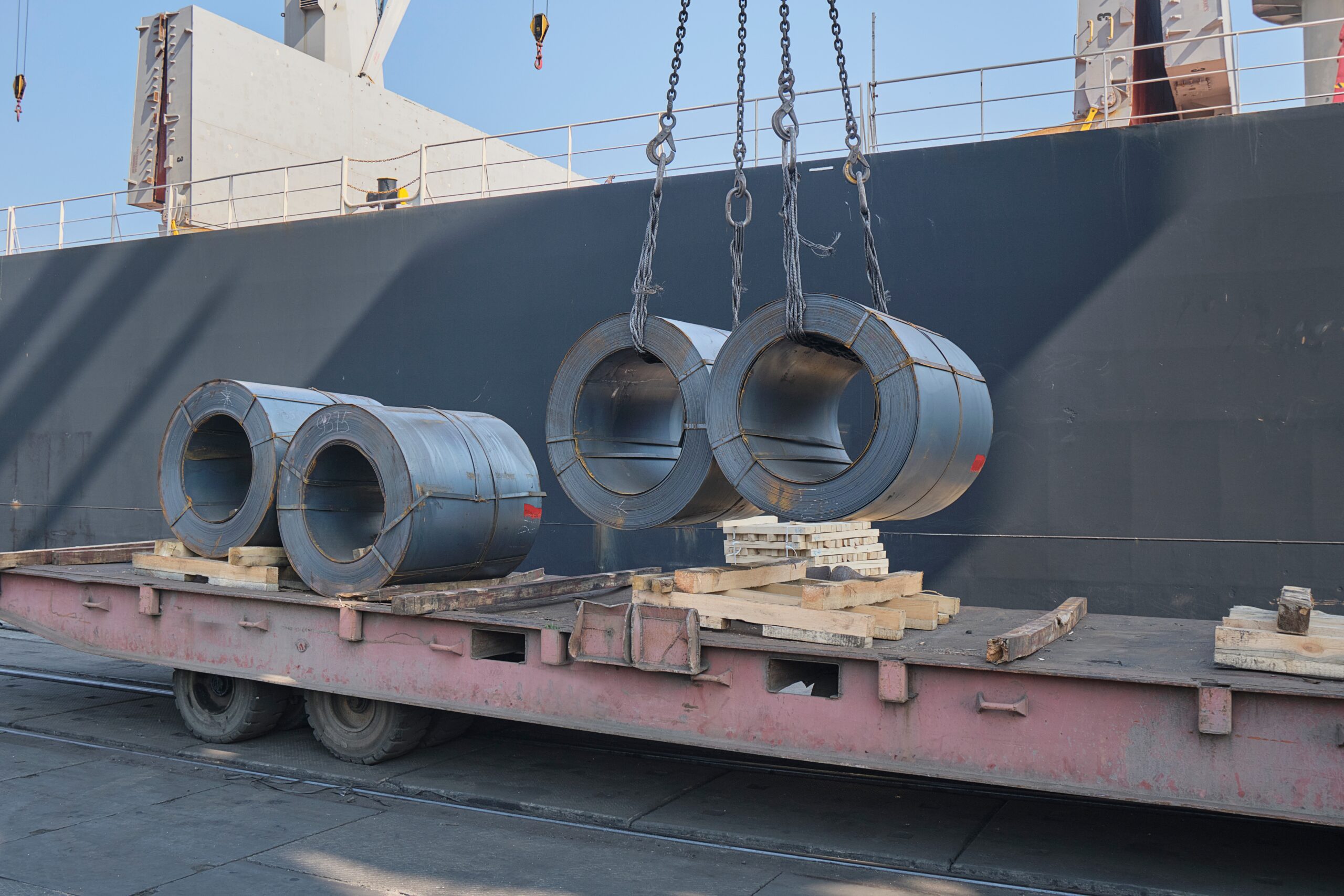
The second-term trade actions impacting Korea and other countries will deeply affect the US ability to compete in steel-intensive industries.

During a time of political change in both the United States and South Korea, new investments, partnerships, and diplomatic dialogues continued to strengthen the economic and technological partnership between the two nations.

South Korea eked out a disappointing 0.1 percent gain from Q2. In contrast, the US showed a 2.8 percent growth, down slightly from 3 percent.
With a host of pending initiatives, here are some of the top economic issues for the US-Korea relationship in the next US administration.

There were four main themes in this year’s meeting: moderating inflation, low growth, fiscal stress, and geopolitical risk.