North Korea’s Trade with China Continues to Collapse from COVID-19
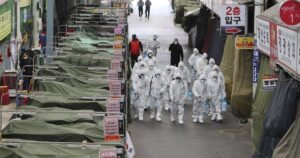
North Korea’s decision to enact strict border controls at the onset of the COVID-19 outbreak in China continues to have a significant effect on trade.
Analysis and publications on economic policy, trade relations, business, financial issues, and commercial developments affecting U.S.-Korea relations.
Showing 777 items
North Korea’s decision to enact strict border controls at the onset of the COVID-19 outbreak in China continues to have a significant effect on trade.
In response to fee increases by private food delivery apps, local governments are becoming direct participants in the service industry.
The economic success of the Asia-Pacific has rested in no small measure on its finely-tuned supply chains.
China and South Korea are best positioned to play a role in helping North Korea, and should exploit the discretion they are being given to...
The response to the global pandemic has helped shift the narrative around small and medium enterprises, presenting them as more efficient exporters than their larger...
The strength of Korean institutions has enabled administrations to identify external risks and pursue policies to prepare for a COVID-19 financial crisis.
Travel restrictions that were imposed to contain the ongoing pandemic revealed how reliant South Korea's agriculture industry is on foreign labor.
As a country that has been particularly impacted by financial crises in the past two decades, South Korea continues to face significant risks.
There are already indications that Korea’s tourism industry will be hit harder by the coronavirus than by prior infectious diseases such as SARS and MERS.
Coronavirus is changing the labor-management relationship in major Korean retail companies as public policy focus turns to minimizing the economic fallout of the epidemic.
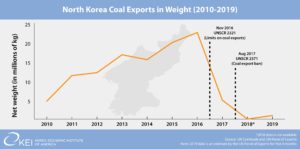
North Korea’s trade deficit can be partially explained by the revenue generated from Pyongyang’s illicit exports of coal exports.
Economic uncertainties created by the coronavirus revealed that skilled workers in the manufacturing sector face more risks than other groups in the labor market.
The government’s focus on attracting media cooperation reveals the administration’s belief that previous real estate policies had been scuttled by bad publicity.