2021 in Review: South Korea’s Economy and COVID-19
South Korea's economy has recovered rapidly from COVID-19 and GDP caught up with its pre-pandemic level about a year ago.
Showing 773 items
South Korea's economy has recovered rapidly from COVID-19 and GDP caught up with its pre-pandemic level about a year ago.
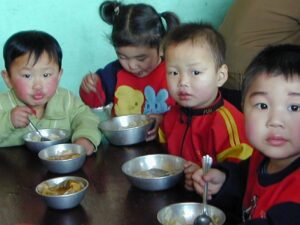
Despite the acknowledged food insecurity in North Korea, the UN's humanitarian response plan does not include an appeal for assistance to the North.
Growing opposition to another round of stimulus payments for COVID-19 relief reflects the public's concern over national debt.
A tightening of social distancing measures since July, aimed at slowing a fourth wave of COVID-19 infections, slowed Korea's economic growth.
The government is helping AI developers by providing them with publicly collected data without communicating this effort to the public.
After prolonged focus on managing the trade balance, South Korea is caught off guard by the U.S. government’s new approach to international trade.
Tourism presents a critical junction where two of South Korea’s key NSP Plus initiatives—cultural exchange and environmental cooperation—could meet.
Korean firms strive to reduce their dependence on single-source suppliers of strategic resources as regional tensions become more common.
North Korea’s real GDP fell by 4.5% in 2020, the steepest decline since 1997 during the “Arduous March,” when North Korea was hit by famine.
The Korean state is incorporating artificial intelligence into the military and police to test out new technologies ahead of commercialization.
Existing internet ecosystem helped the private sector expand e-commerce services and respond to unexpected consumer needs.
South Korea's new "anti-Google" law could have wider implications in a world where governments are trying to make sense of the new technologies.