U.S.-Korea Trade Imbalance Continues to Dramatically Decline
The U.S. trade deficit through October with the world expanded by 11 percent, but Korea bucked this trend by declining 22 percent to just $15.1 billion.

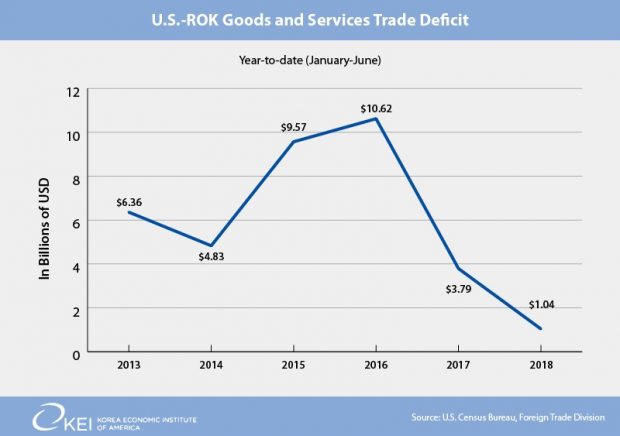
The U.S. trade deficit through October with the world expanded by 11 percent, but Korea bucked this trend by declining 22 percent to just $15.1 billion.
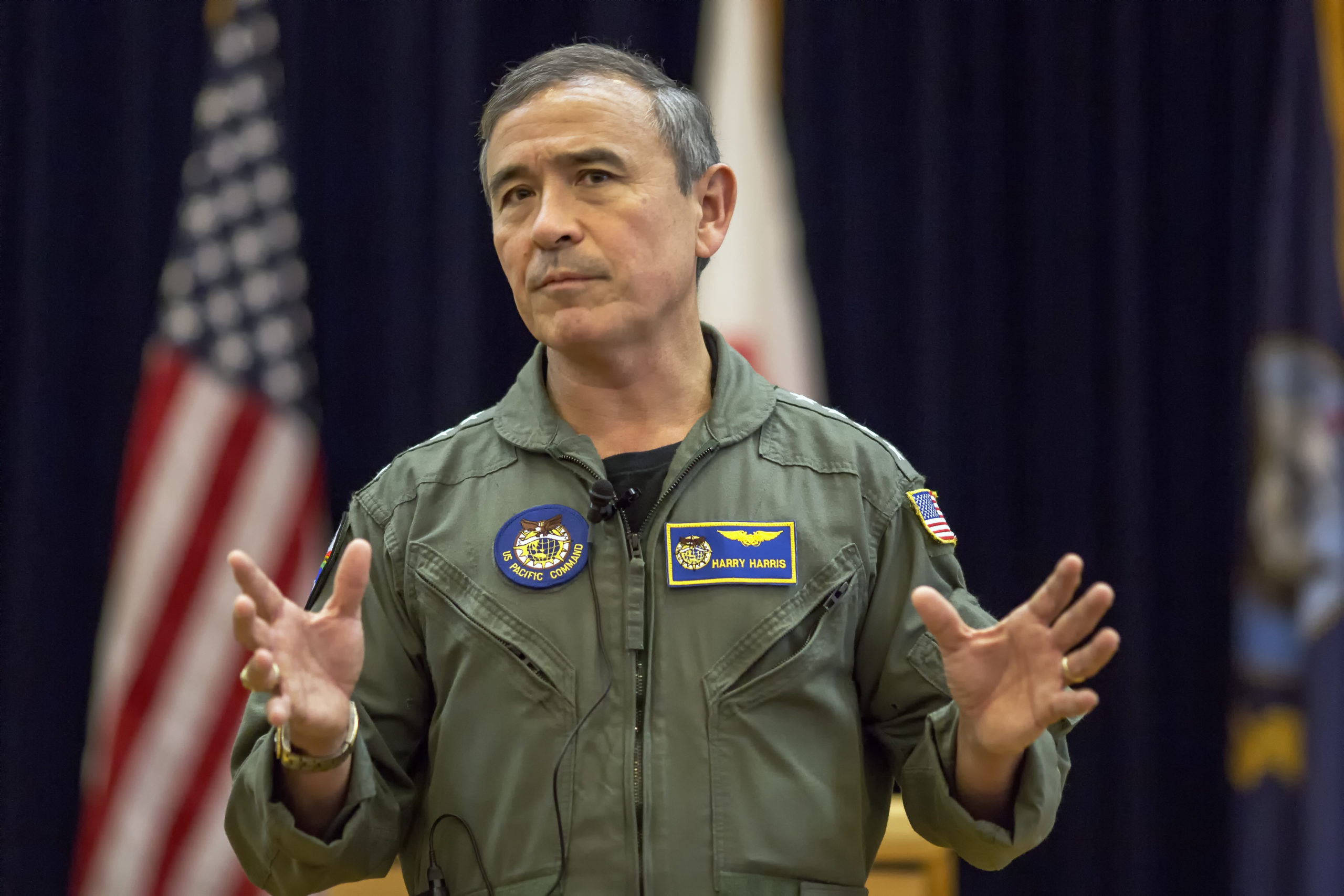
The policy community responded with widespread relief that we finally have a new Ambassador to South Korea, retired Admiral Harry B. Harris.

It may have just be bravado, but President Trump’s suggestion that the withdrawal of U.S. troops on the Korean Peninsula may be on the table is problematic.

South Korea is an ally both in national security and in trade. It should not have been included on the list of targeted countries for steel safeguards.
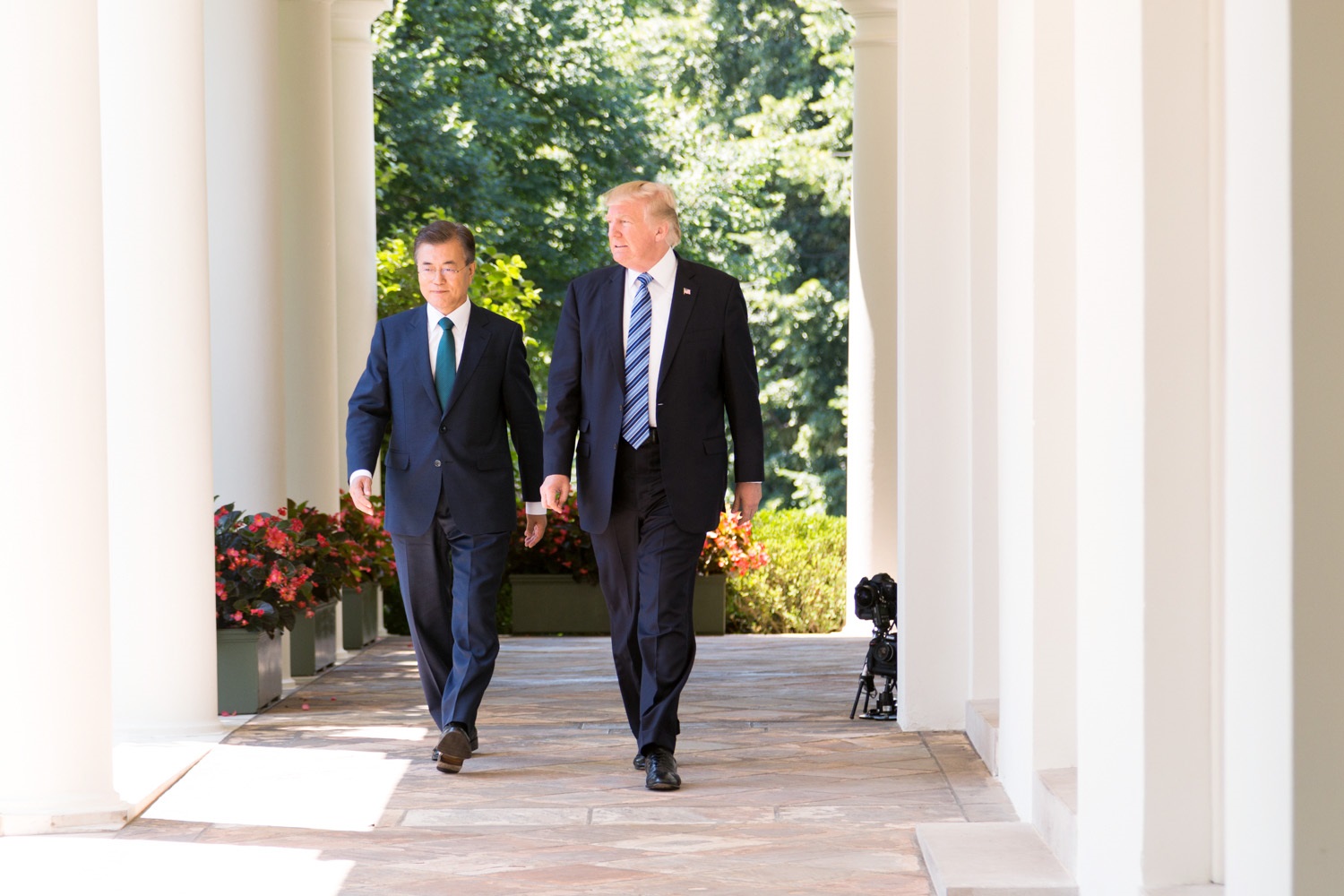
The U.S. relationship with South Korea has become multidimensional and important enough to generate its share of disagreements.
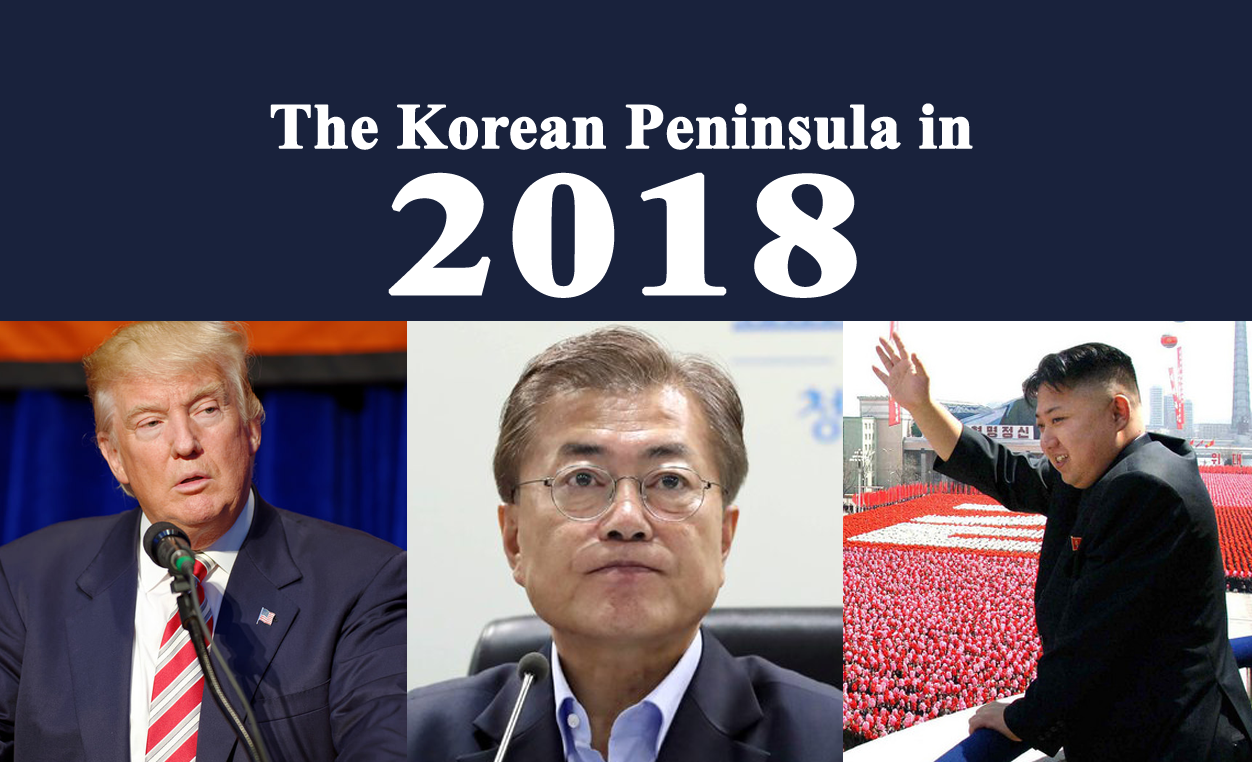
As we look ahead to what might occur in 2018 we should also consider how key events from 2017 will continue to shape the year ahead.

In 2017, attention turned to the Korean Peninsula as South Korea removed Park Geun-hye from office and North Korea advanced its weapons programs.
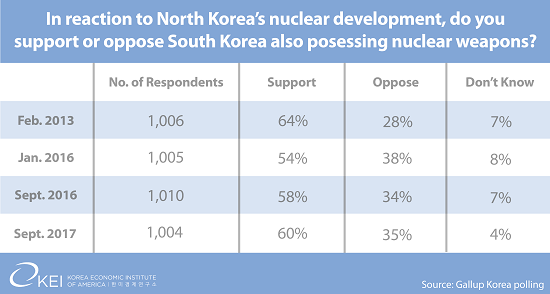
With North Korean provocations gaining steam, the nuclear armament issue has become the center of political conflicts in South Korea.

Less than a decade ago, the subject of U.S. beef in Korea garnered fierce criticism. Today, Korea represents the second largest export market for U.S. beef.

To express our gratitude to our veterans and those who fought in the Korean War, here are the stories of six Medal of Honor recipients.