The Korean Peninsula in 2013 in Review
As we look back at the events that helped to shape 2013, we are also looking back the predictions The Peninsula made in our annual “10 Things to Watch for on the Korean Peninsula in 2013” blog.

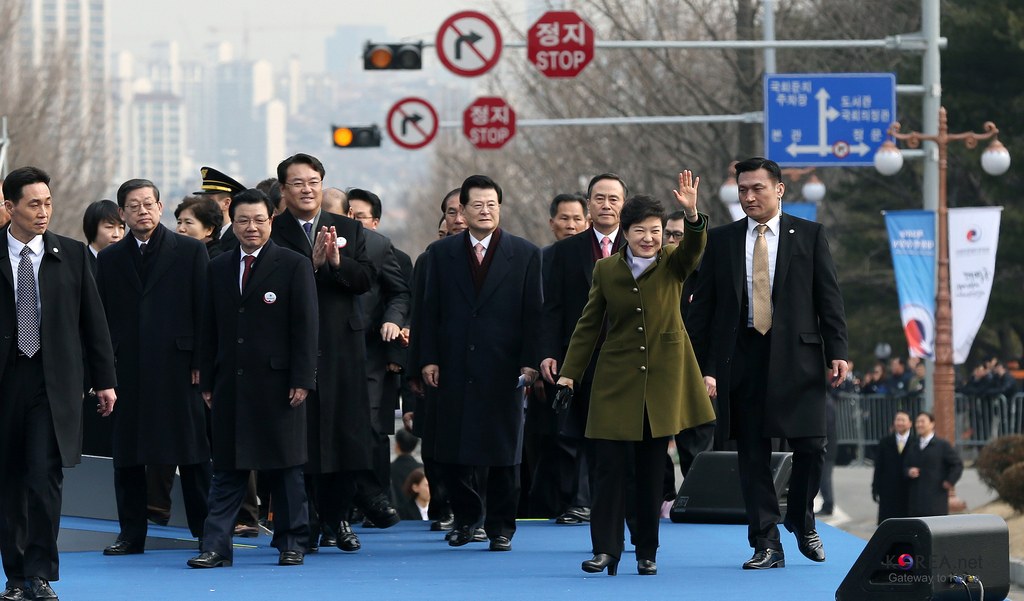
As we look back at the events that helped to shape 2013, we are also looking back the predictions The Peninsula made in our annual “10 Things to Watch for on the Korean Peninsula in 2013” blog.
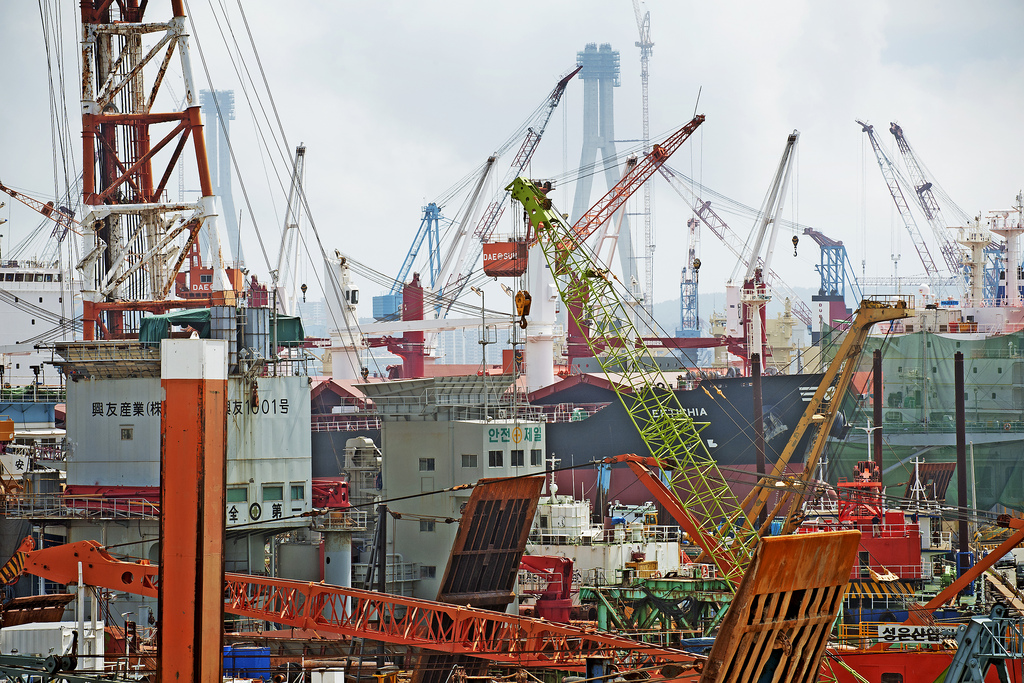
While Korea’s announcement is only the first step in the process, Korea’s eventual membership in the TPP would be a natural outgrowth of the current administration’s broader economic and trade policy.

In recent weeks some of Asia’s biggest economies, including Korea, have concluded a series of currency swap agreements to facilitate trade without U.S. dollars.

Achieving President Park’s vision for Eurasia will require developing a means of integrating North Korea into the broader regional framework and mitigating the risk of Pyongyang arbitrarily shutting down links between South Korea and the continent.
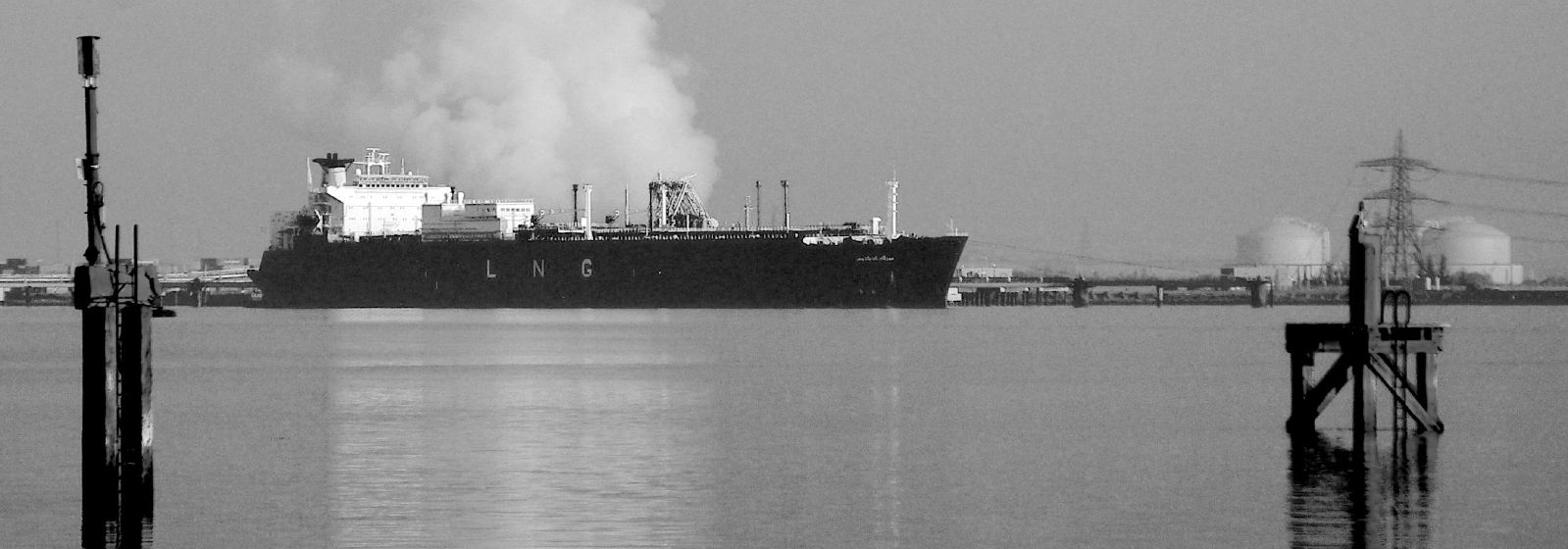
Korea recently hosted the 22nd annual World Energy Congress with a focus on securing tomorrow’s energy today, a key concept for an energy import dependent country.
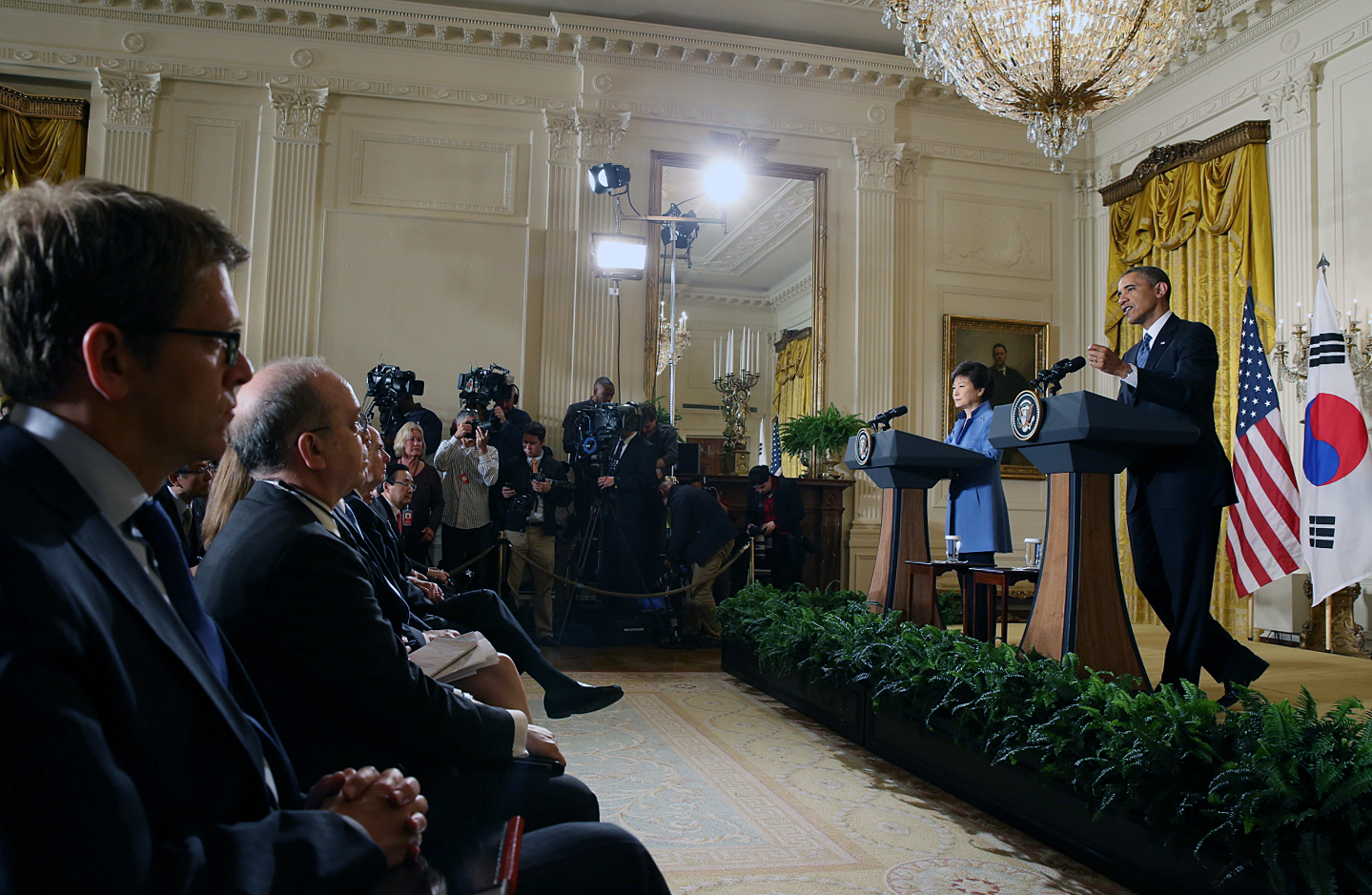
Korea and the United States both enjoy a number of competitive advantages – high innovation capabilities, educated and sophisticated workforces, and cutting-edge technologies in key areas, such as information, health care, and energy.
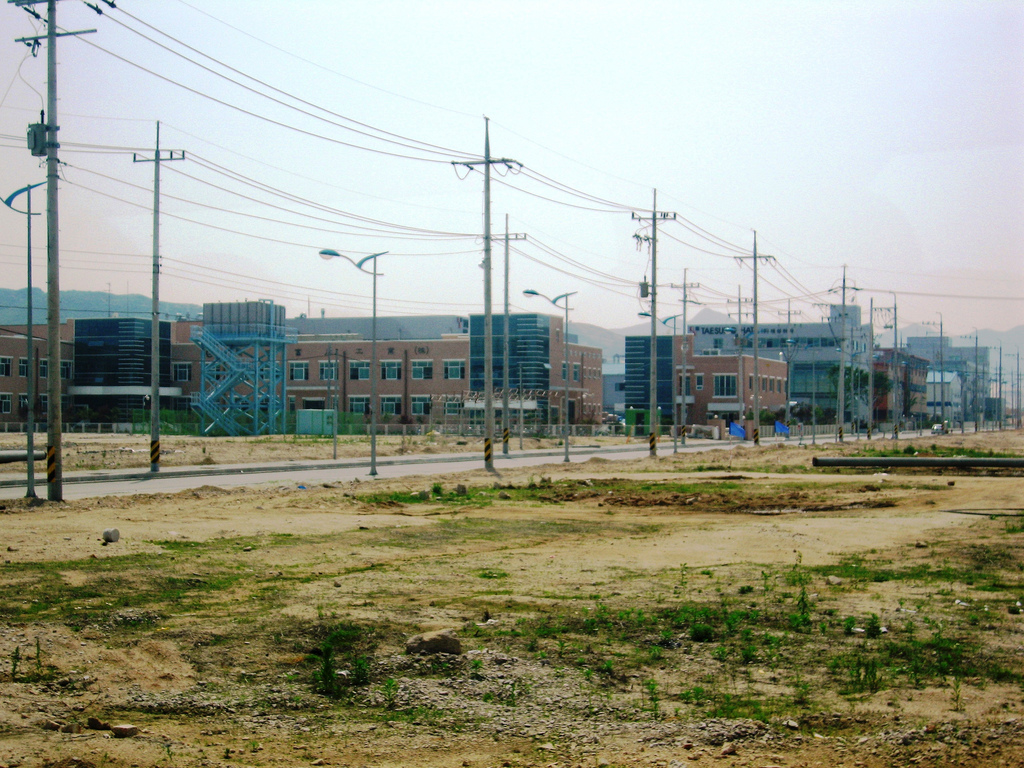
The fear that North Korea’s suspension of activities at the Kaesong Industrial Complex would have broader implications began to materialize last week when Daewha Fuel Pump Industrial Ltd. announced it failed to deliver parts in time to its Indian customer. Other companies are beginning to publicize their setbacks as well.

By Troy Stangarone As often happens with North Korea, there have recently been suggestions that the regime may be interested in engaging in economic reforms….
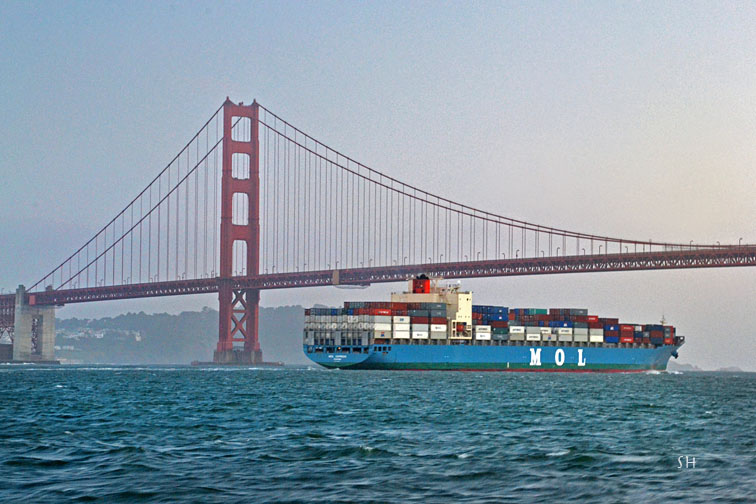
The U.S.-Korea Free Trade Agreement, or KORUS FTA, has now been in effect for one year and, as with any agreement, it is natural to reflect on what the FTA has achieved.
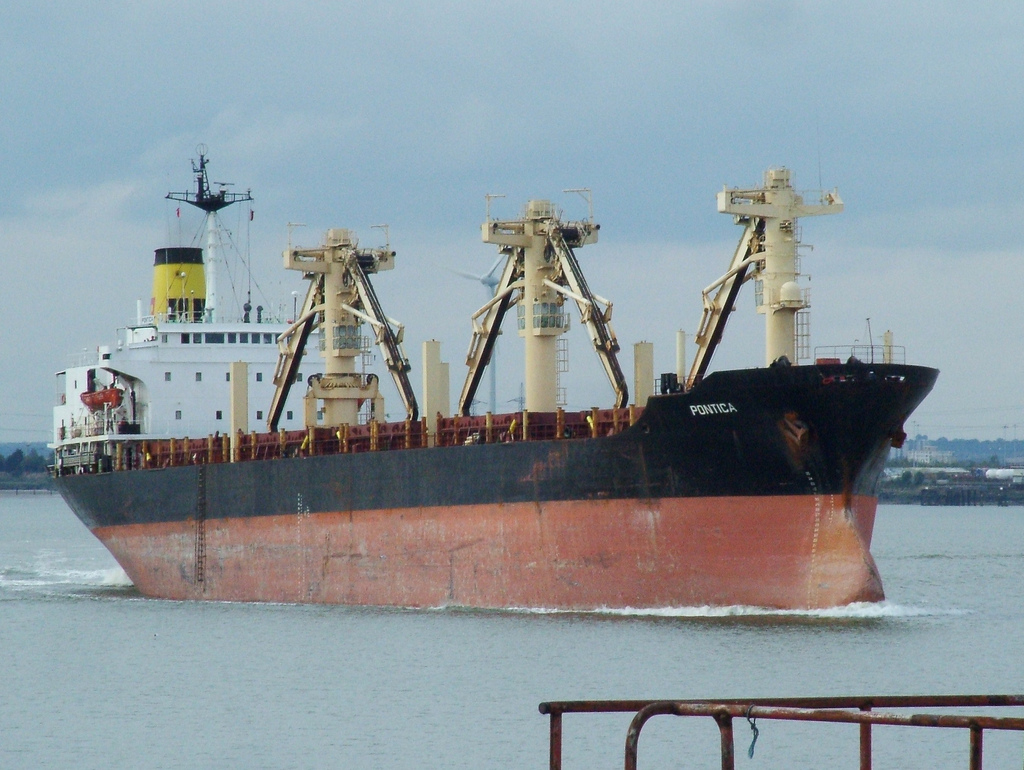
KITA data reveals that over time, South Korea is undergoing an increasing level of trade polarization (i.e. greater degrees of trade imbalances) vis- à-vis its trading partners.