South Korea’s June 9 Surprise: Economic History Worth Replicating in North Korea
September, 1961 was not a happy time in South Korea, and parallels to today’s North Korea are uncanny.

September, 1961 was not a happy time in South Korea, and parallels to today’s North Korea are uncanny.
A good stretch of optimism in inter-Korean relations ended in December, even before tensions rose in early January 2016 with North Korea’s fourth nuclear test.

In discussions of Korea’s possible reunification, observers often cite the German unification and integration process – but what about Ireland?
In November, both Koreas continued to demonstrate a willingness for inter-Korean contact while also maintaining a commitment to improve security. Military actions over the past few months have not scuttled opportunities for dialogue. Inter-Korean talks in November led to scheduling talks set for December 11 at the vice minister level.
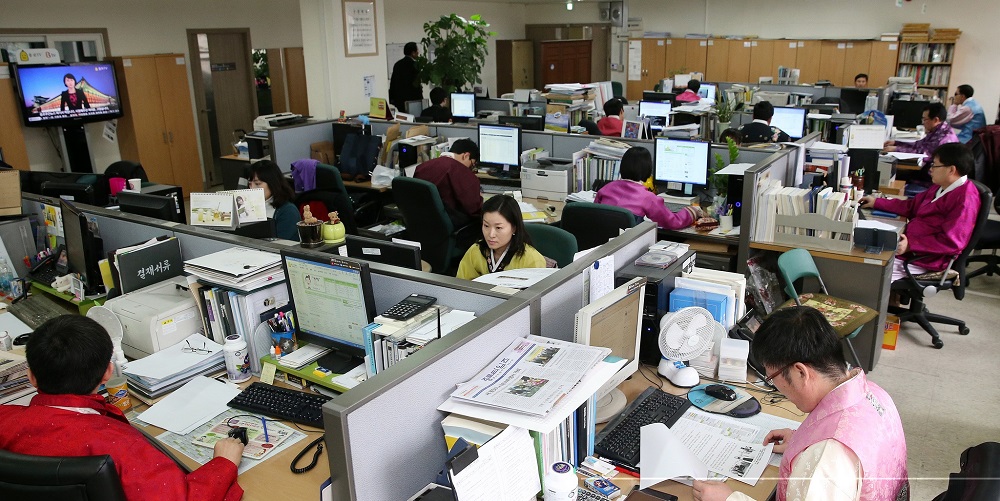
What interests you about this job? What are your greatest strengths and weaknesses? What are your measurements? One of these questions would raise red flags if asked by a potential employer here in the United States, but it is still relatively common in Korea
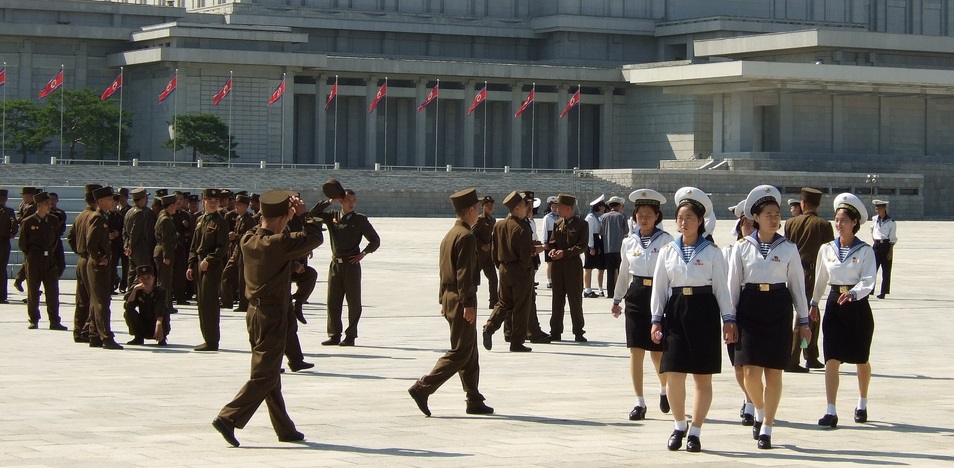
With North Korea celebrating the anniversary of its Workers Party on October 10, there was also some initial concern that the event would be marked by a missile launch or nuclear test, which would damage the possibility of the family reunions scheduled for later in the month. No missile or nuclear test occurred, and both the parade for the anniversary and the family reunions took place.
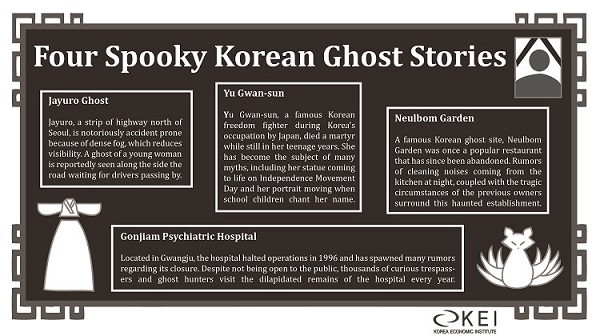
Halloween as we know it in the United States is still not widely celebrated in South Korea. Trick or treating is limited to kindergarten parties and English hagwons, and you’re unlikely to see many jack-o-lanterns or skeletons decorating peoples’ homes.
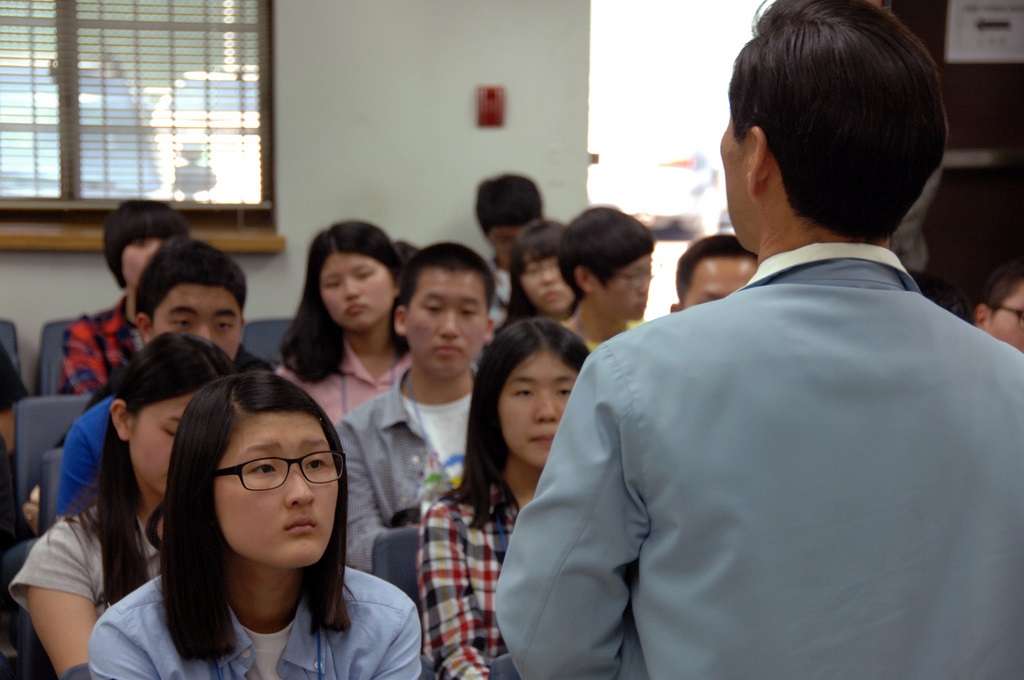
Last month, the Korean Ministry of Education announced major changes to the way South Korean students will learn English. Some of them are positive, and can potentially help ease the overwhelming classroom workload for Korean students. But these new policies may also have some unintended side effects.
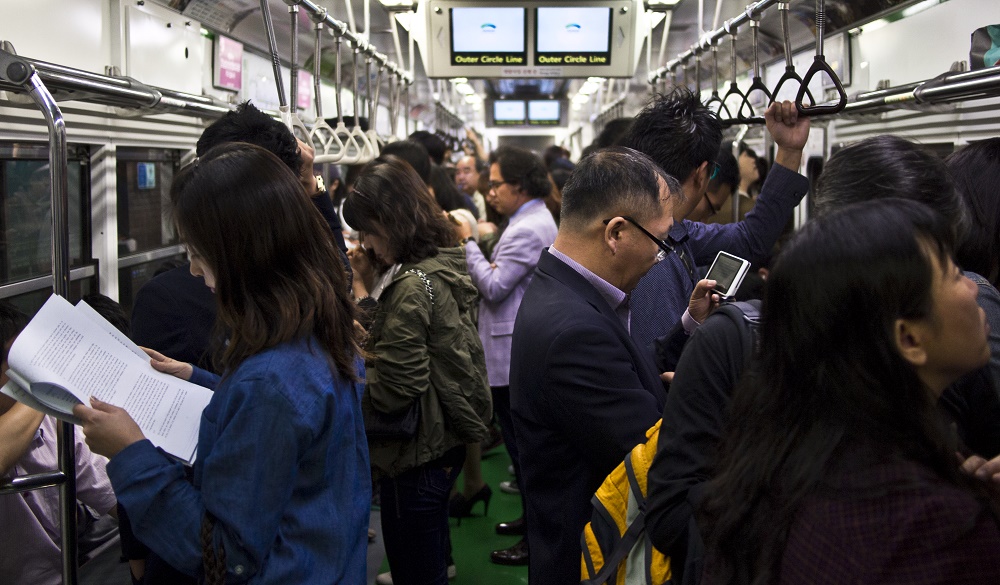
Earlier this year in state of the nation addresses, both presidents stressed the importance of enhancing the lives of middle class families and their centrality to revitalizing their national economies. The work-family balance is no longer a matter of individual life, but a national (even global) issue that governments and policymakers should pick up and do something about.

Still in the nascent stage of planning, a Northeast Asia Development Bank would serve as a multilateral development bank (MDB) to attract investment in Northeast Asia, specifically intending to incentivize the DPRK to denuclearize through access to external capital for development.