Chinese Tourists to South Korea Drop 40 Percent in March Amid THAAD Row
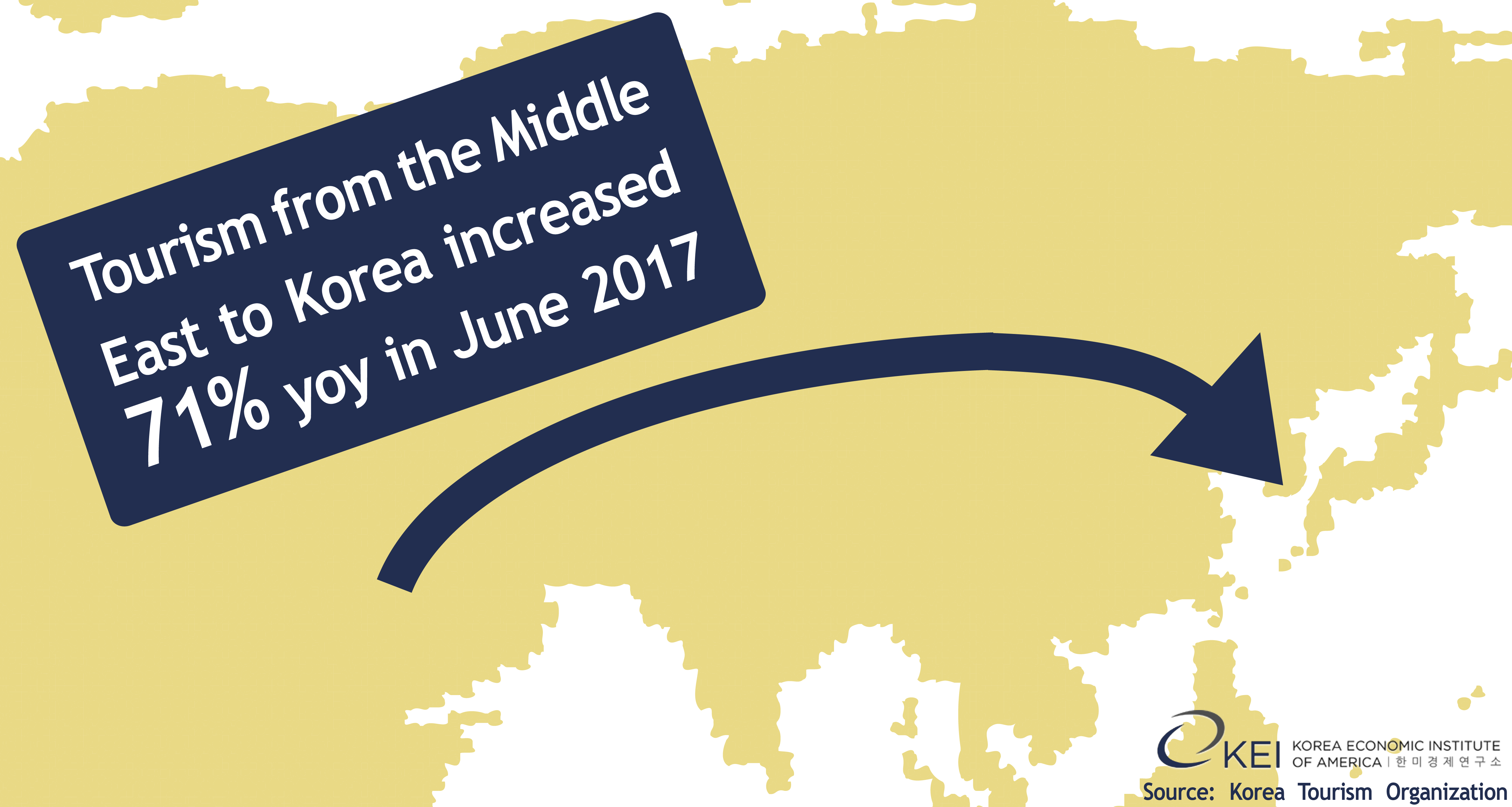
It’s official – new numbers from March confirm that China’s THAAD retaliation has significantly cut into South Korea’s tourism industry.
A question frequently asked is whether the next South Korean administration will tilt towards China and away from the United States, based on Seoul’s purportedly shifting perception of the relative importance of the two countries. In reality, it is not helpful to judge whether the United States or China are more important to the Republic of Korea. There is no simple reply to the general question and, honestly, there is no reason to answer it.
Late last year, the Bank of Korea (BoK), South Korea’s central bank, announced its plans for a “Cashless Society,” which first and foremost means getting rid of coins by 2020. But while the BoK has reduced its annual expenditure on coin production by 200 million won from 2015 to 2016, it could do more.
In 2016, South Korea officially dropped from the third largest source of international students in the United States to the fourth largest, now sitting behind China, India, and Saudi Arabia. The gap is small – Saudi Arabia sent just 280 more students than Korea in 2016 – but with the number of Korean students in the United States on a downward trend, that gap may widen in the coming years.
The larger voter registration numbers this year signal greater enthusiasm among Koreans abroad in participating in the upcoming election. While there are certainly a myriad of other factors that will shape the election narrative in the coming weeks, overseas voters will play an influential part of the election outcome.
KEI Communications Director Jenna Gibson, host of the KEI podcast Korean Kontext, recently interviewed Yun Sun, Senior Associate with the East Asia Program at the Stimson Center, about the Chinese perspective on the THAAD missile defense system.
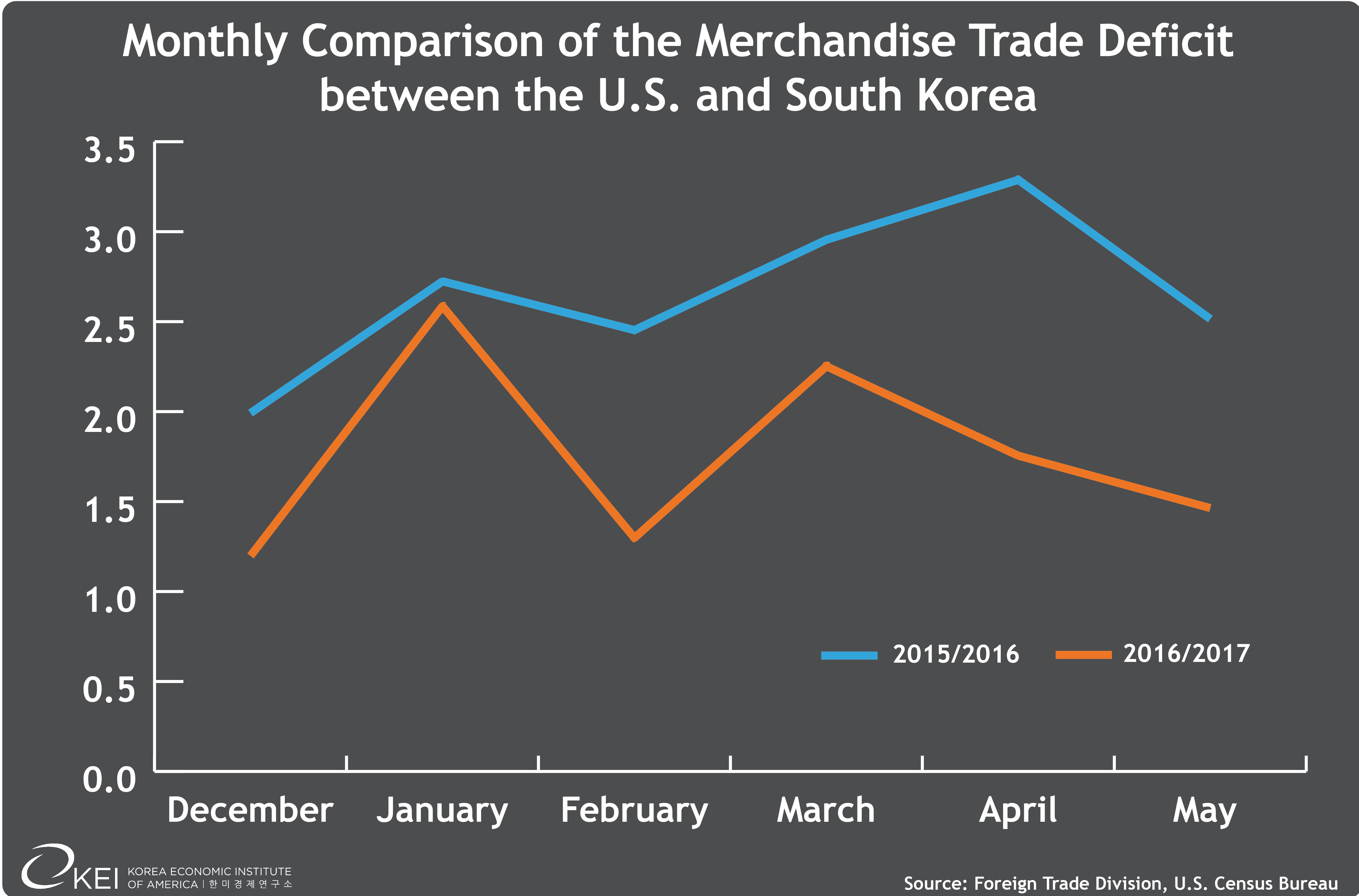
Higher interest rates will dampen the effectiveness of his promised stimulus package and, vis-à-vis a stronger dollar, make U.S. exports more expensive. While the latter will further complicate Korea’s relationship with Trump over the bilateral balance of trade, the biggest challenge to Korea stemming from the Fed rate rises will hit closer to home.
In a country known for its melodramatic soap operas and glitzy pop groups, Western heart-on-sleeve musicals have proven to be a natural fit for Korean entertainment preferences.
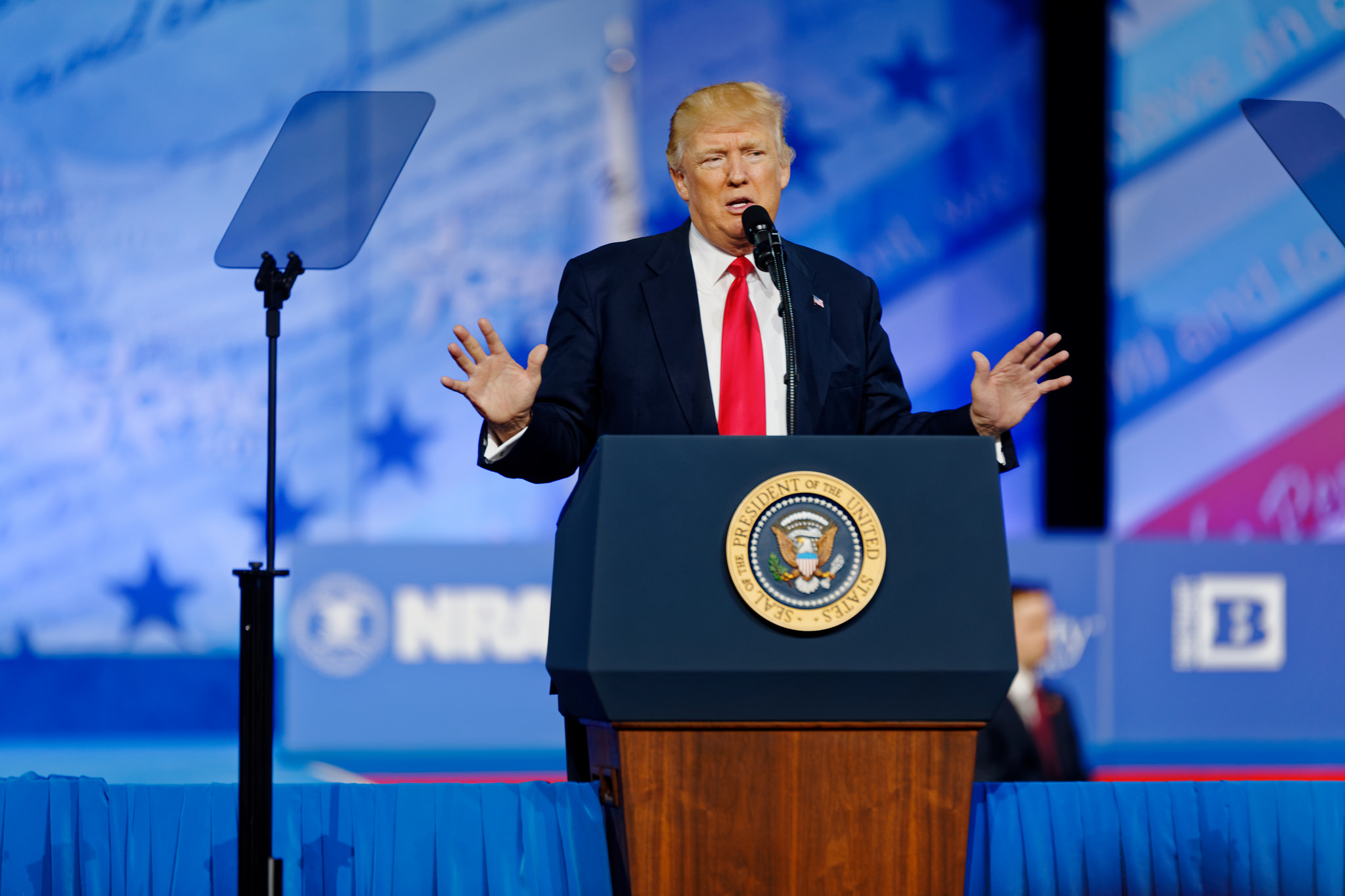
“Thank you, @Samsung! We would love to have you!” Donald Trump wrote on his personal Twitter account, linking to a story about a possible plan for the tech company to build a factory for home appliances in the United States.
The South Korean government has been pretty creative in its search for a solution to their rock bottom birth rate – from subsidies for fertility treatment to encouraging employees to go home without saying goodbye to their boss. But one of the country’s giant conglomerates is taking a more drastic step by mandating that their male employees take a month off after having a child.