Korean Streaming Platform Plans Content Featuring LGBTQ Relationships
Streaming companies are more responsive to changing social attitudes towards the LGBTQ community because they are focused on attracting new audiences.


Streaming companies are more responsive to changing social attitudes towards the LGBTQ community because they are focused on attracting new audiences.
Korea’s entertainment industry has to transition to becoming a platform that aggregates data but faces numerous challenges competing against foreign giants.

Experts urge South Korea to level the playing field with multinational streaming platforms by focusing on protecting the rights of Korean content creators.

Driven by pandemic-induced demand, Korea enjoyed the largest-ever increase in food exports (14.6%) despite an overall decrease in sales abroad.

The dystopian drama epitomizes how partnerships between multinational streaming giants and the local creative industry can become mutually beneficial.

Squid Game – the first Korean show to top Netflix’s charts – follows the country’s long cinematic tradition of examining inequality and power relations.

Netflix’s new TV show D.P. is jumpstarting widespread discussions about abusive conditions that many conscripts face in South Korea’s military.

Recent court ruling against Netflix demonstrates the key role that public utility providers will play in growing the local userbase of digital platforms.
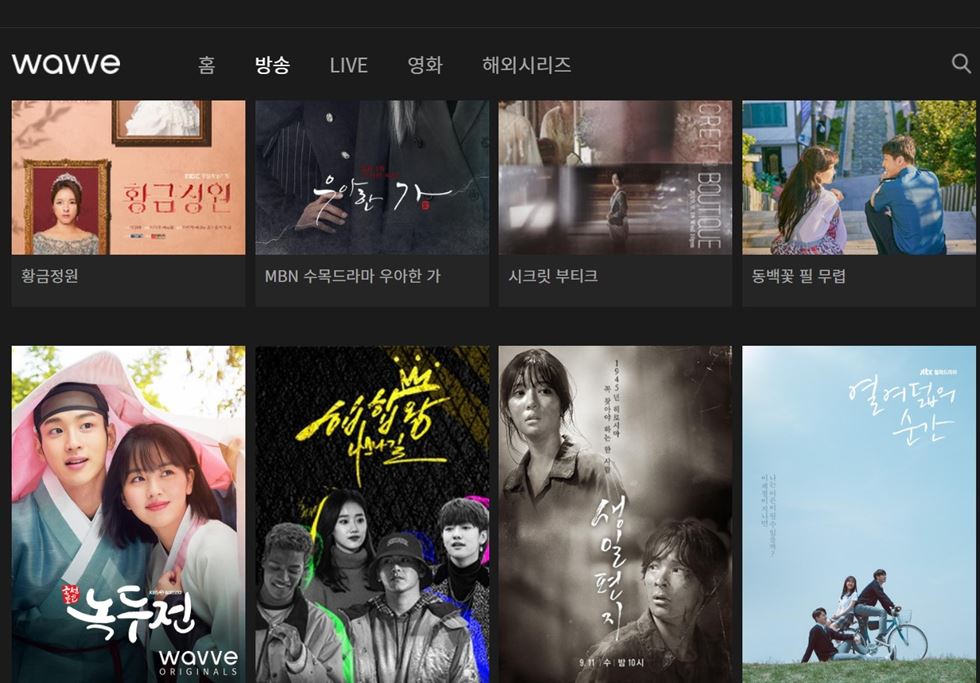
Although Netflix is currently the most popular streaming provider in Korea, the company faces looming competition from both outside and within Korea.

By riding on the popularity of its original content (House of Cards, Orange is the New Black) and incorporating Korean media into their library, Netflix is now in a prime position gain a market share in the entertainment industry in Korea.