Looking Beyond the Playbook
A key factor holding back Korea’s economic recovery may be President Moon’s faithfulness to the policy tools that preceding governments used to address faltering economic growth

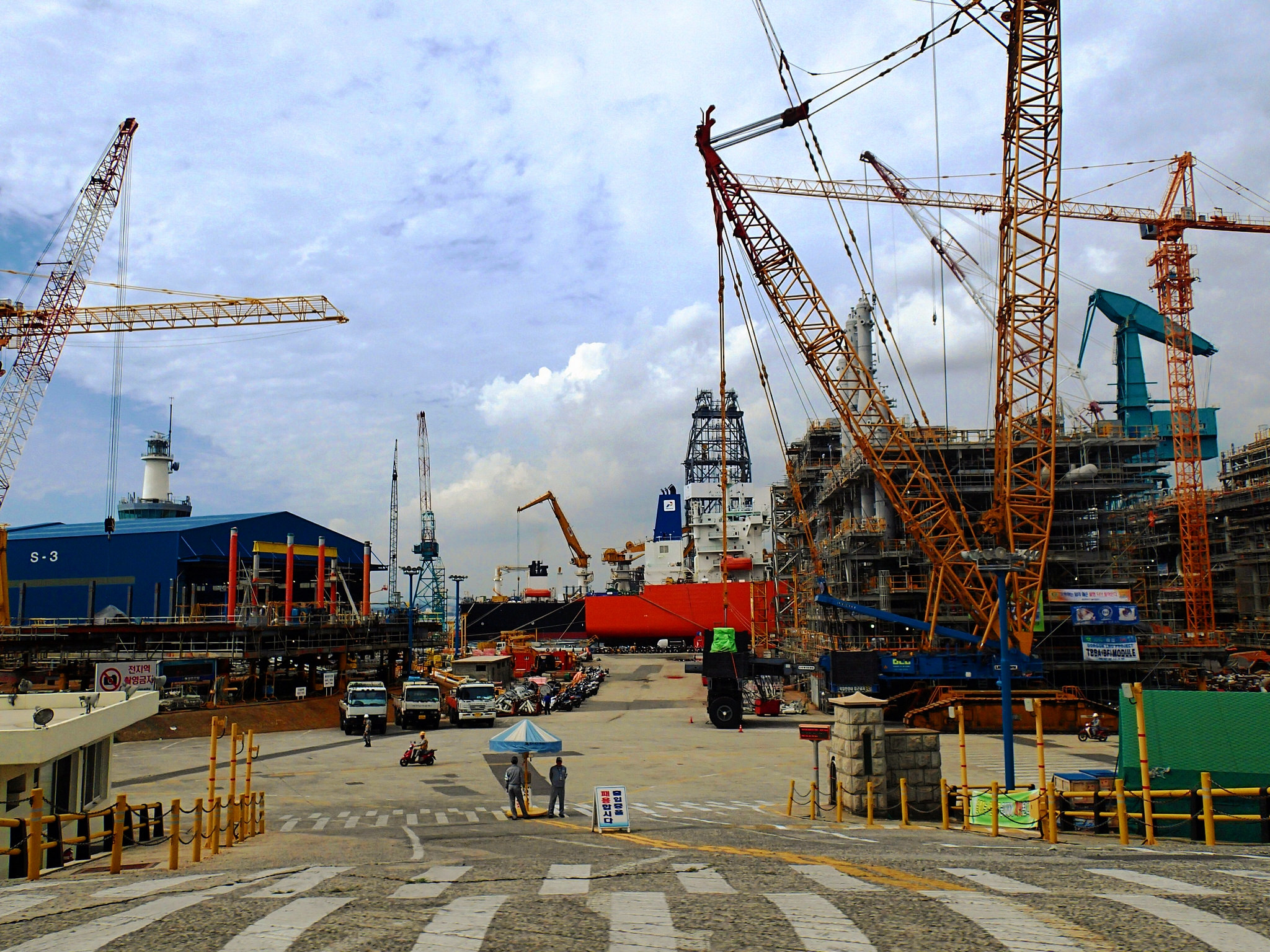
A key factor holding back Korea’s economic recovery may be President Moon’s faithfulness to the policy tools that preceding governments used to address faltering economic growth
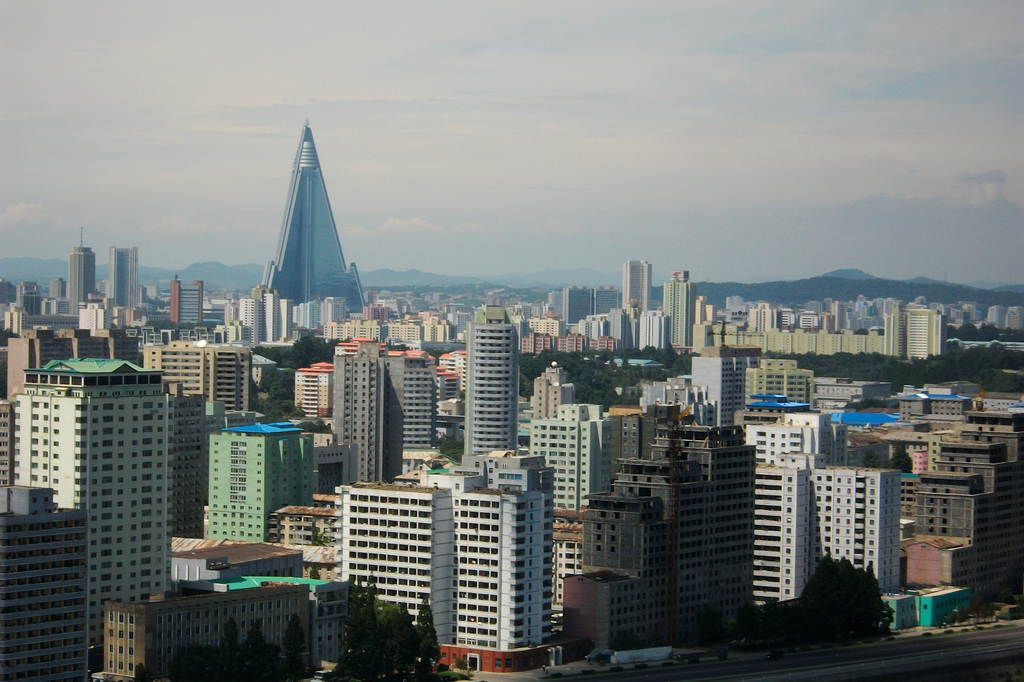
North Korea studies the U.S. intensely and will want to avoid the challenges the Iran deal faced, and the shortcomings of its own experiences with the United States.
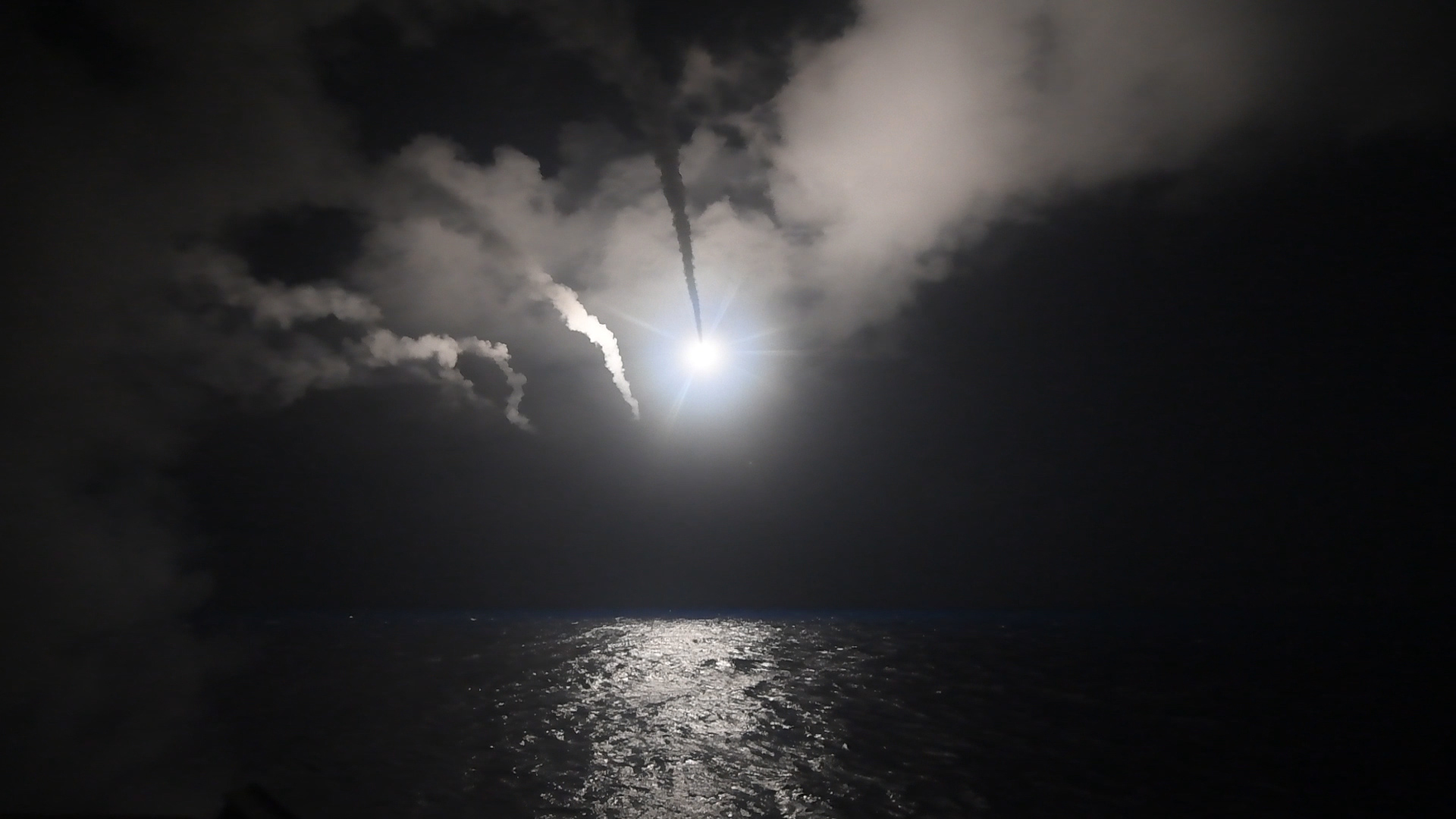
While there is an argument that the U.S. strike on Syria will deter it, in reality the strike is likely to have little impact on North Korea’s calculus.
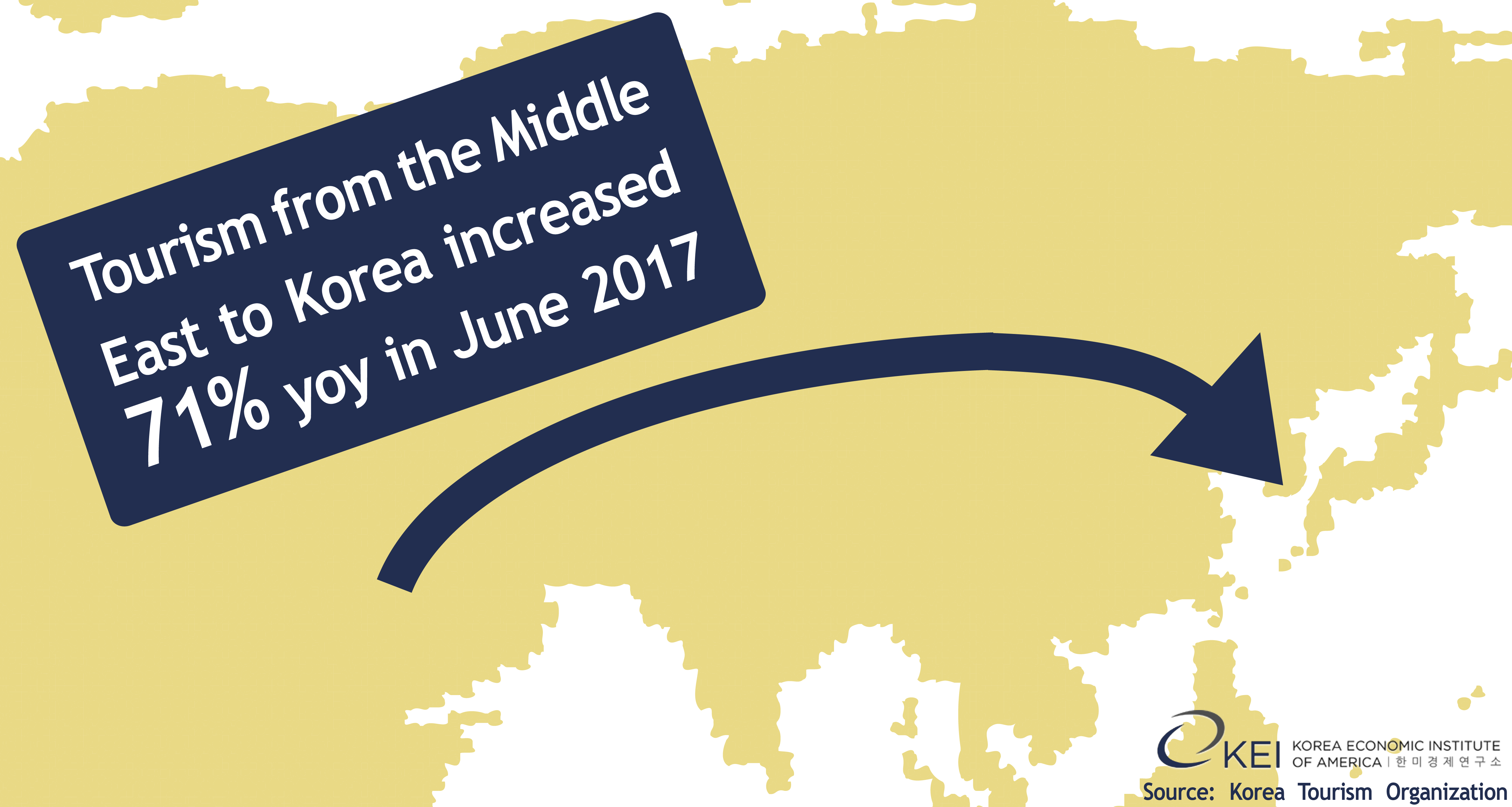
As several KEI analyses have shown, South Korea’s tourism industry has been one of the main casualties of China’s economic retaliation over deployment of the THAAD missile defense system.

At the end of May, Korea’s largest media company announced it would be opening a Turkish unit to help create and promote local content for the Turkish market. They already have plans to film Turkish versions of popular Korean movies, and hope to move forward with more Korean-Turkish co-productions in the future.
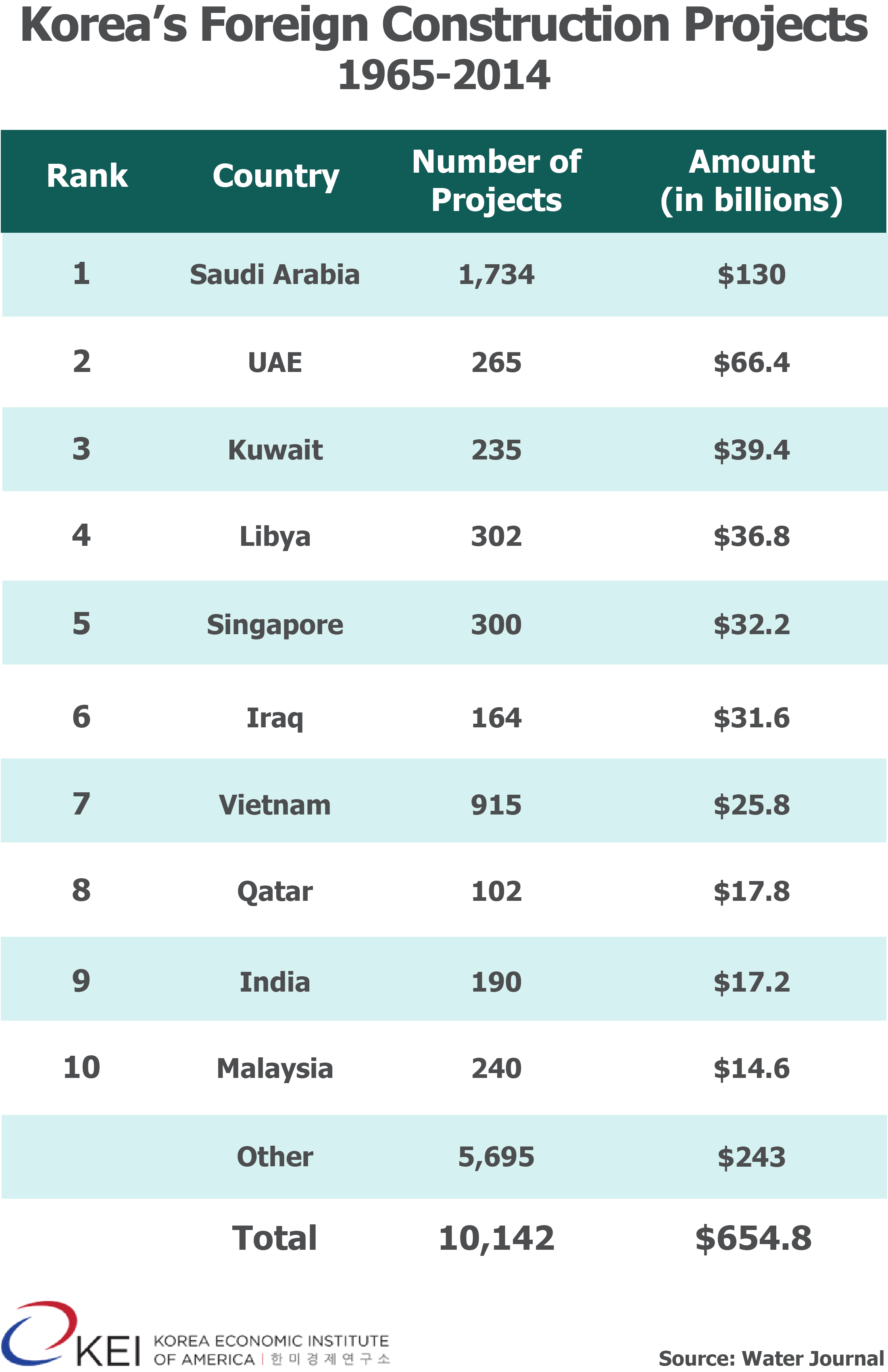
The active relationship between South Korea and the Middle East Area is relatively young.

On June 16, Uganda officially kicked North Korea to the curb, asking approximately 60 DPRK troops and state security officials to leave the country. This move may be yet another sign that South Korean President Park Geun-Hye’s so-called Summit Diplomacy is working.
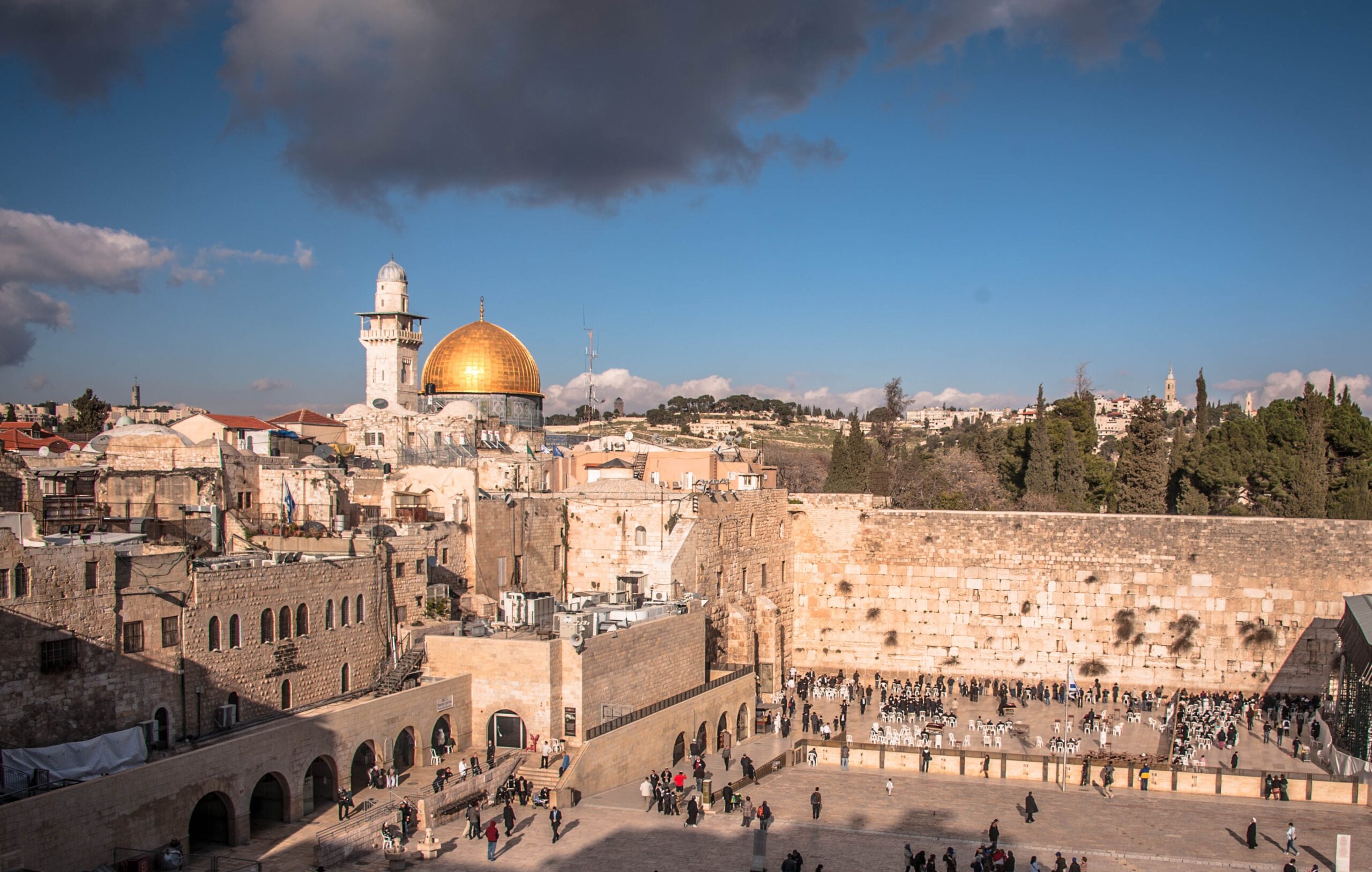
The Republic of Korea and the State of Israel have a lot in common: both were founded in 1948, both had to fight for their early existence, both have succeeded despite a lack of natural resources, both are lively democracies, and both are among America’s closest allies.
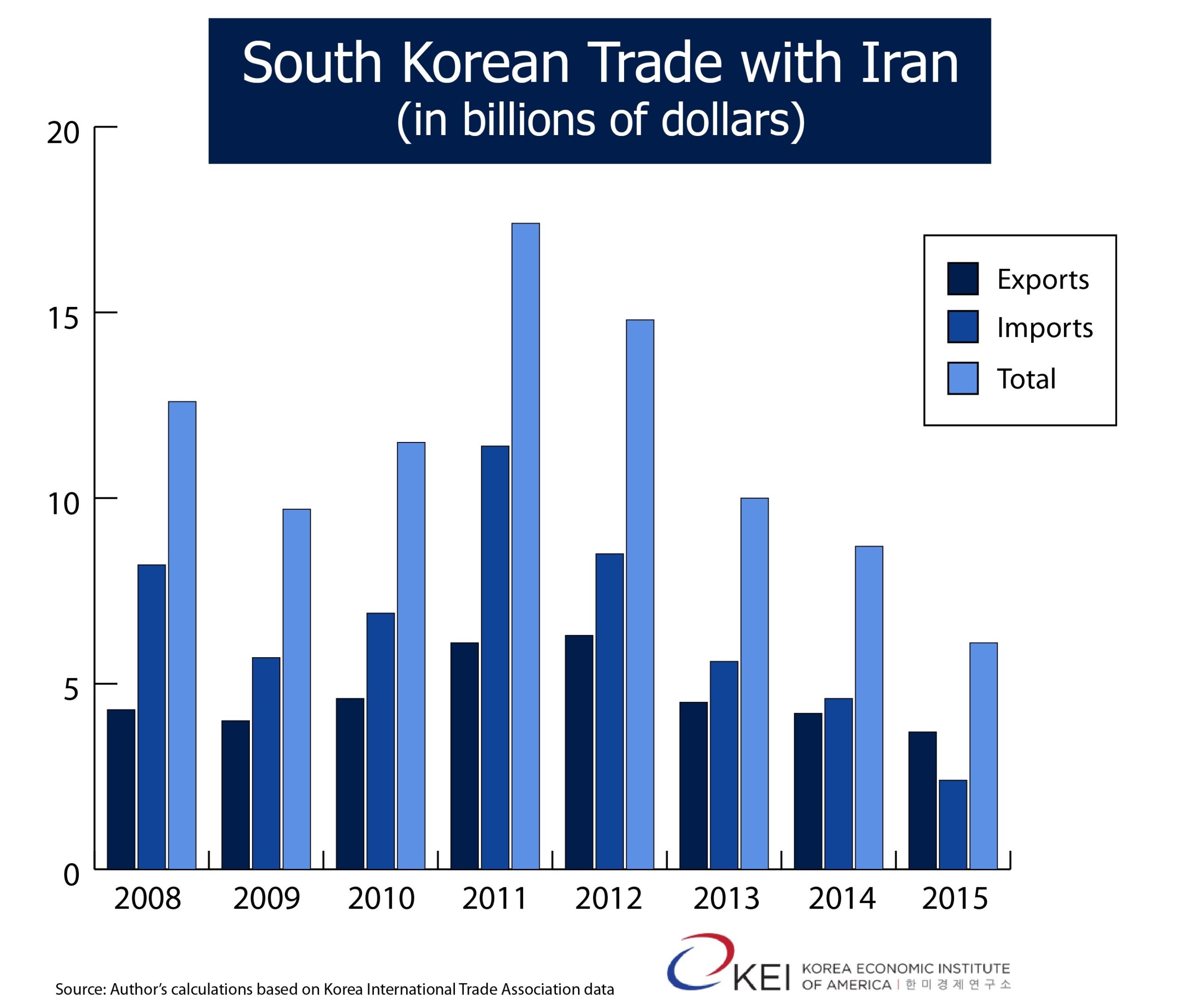
While relations with Iran hold significant promise with the removal of economic sanctions, they also have the potential to be extremely complex.
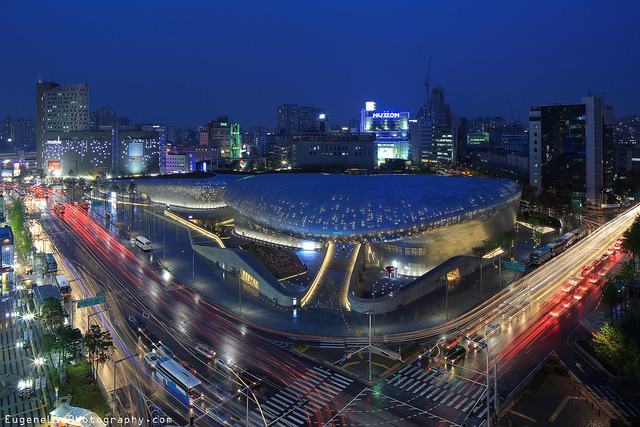
As we look back at the events that helped to shape the Korean peninsula in 2015, it is also an opportunity to review the events we highlighted on The Peninsula in our annual 10 Issues to Watch For on The Korean Peninsula in 2015 blog and the key events that we did not predict.