What is Korea’s Energy Exposure to the Conflict in the Middle East?
Given Korea’s dependence on imported fossil fuels to meet its energy demands, the crisis in the Middle East could have wide-ranging effects.

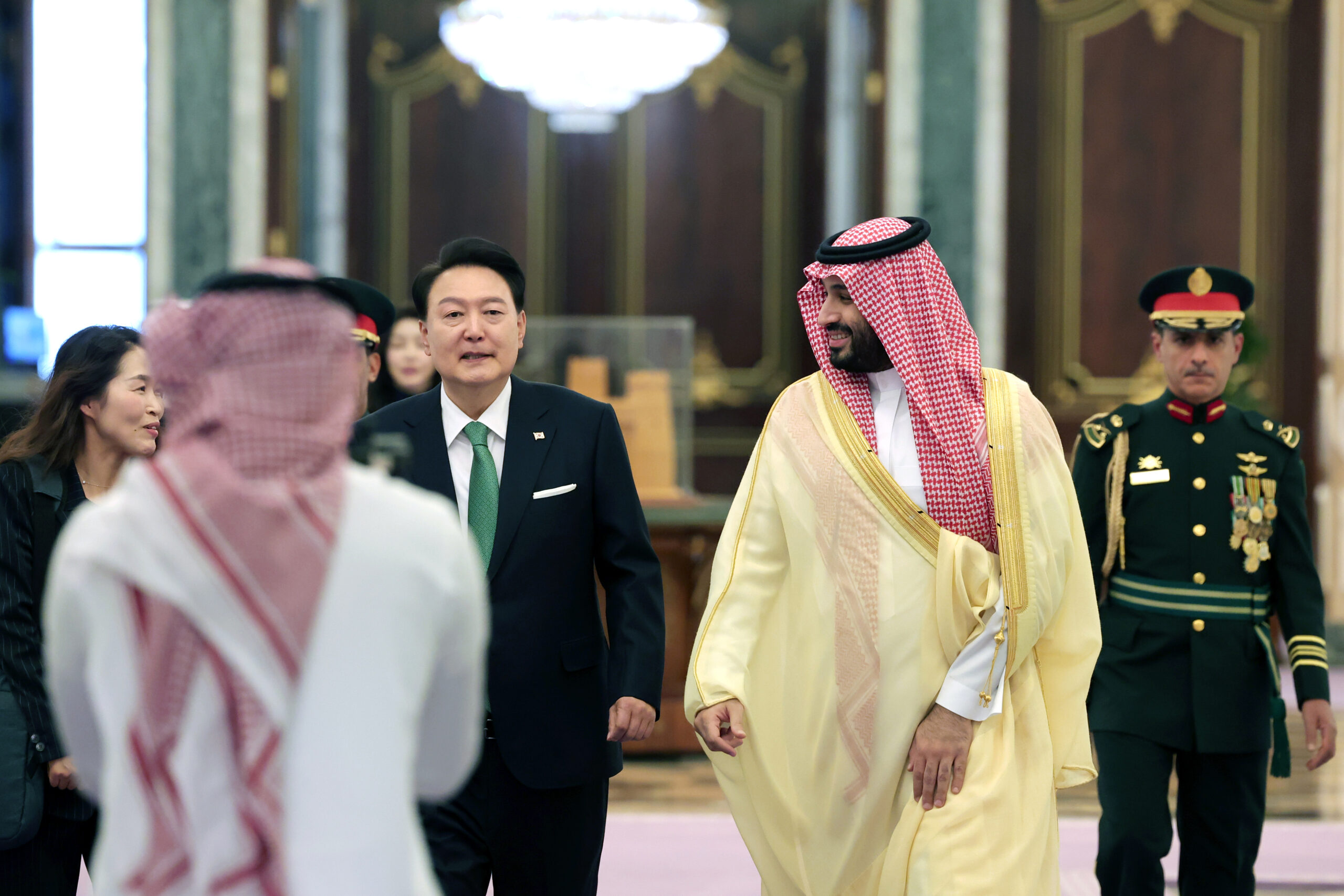
Given Korea’s dependence on imported fossil fuels to meet its energy demands, the crisis in the Middle East could have wide-ranging effects.
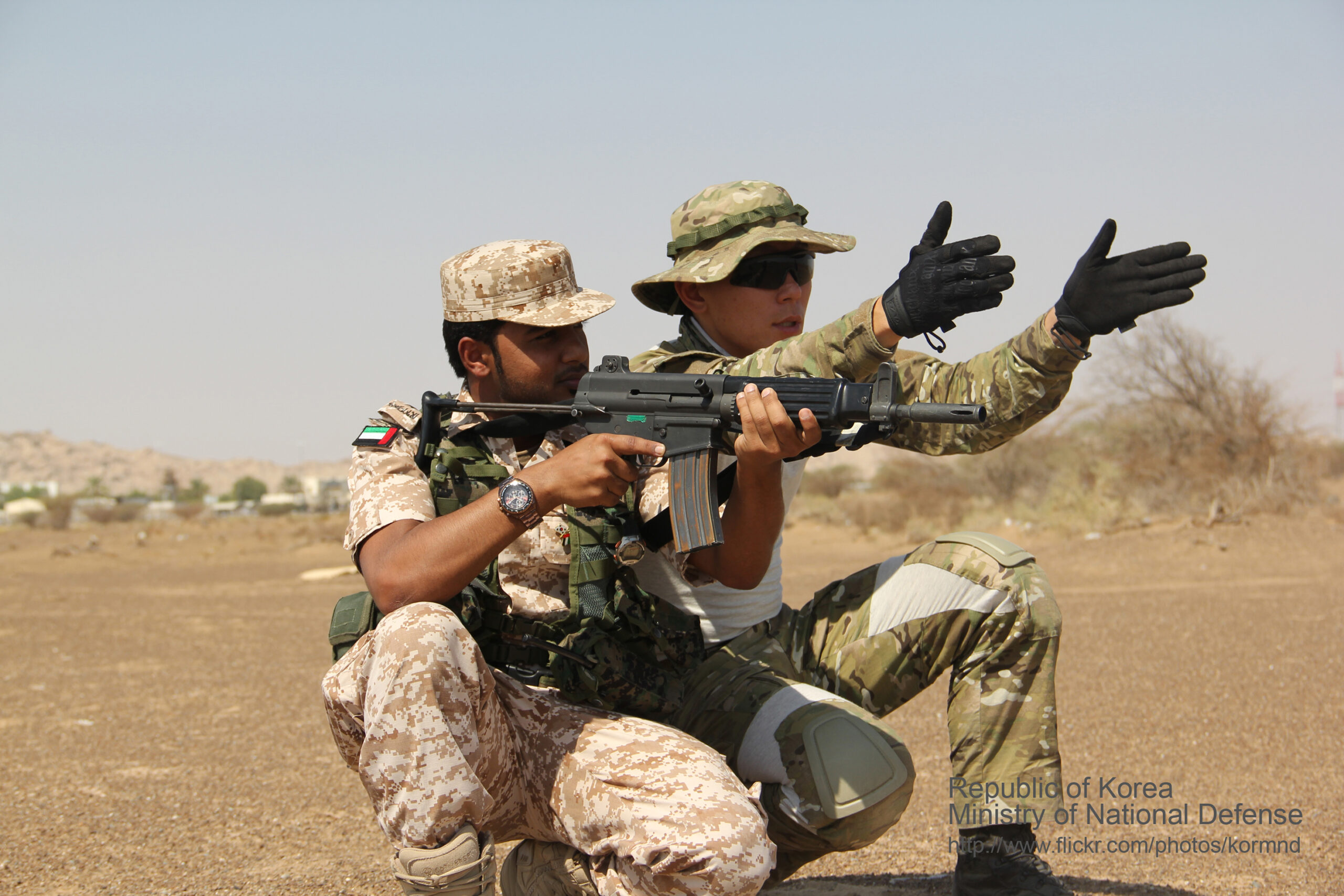
South Korea reaffirms its strategic relationship with the United Arab Emirates (UAE) with a high-level visit to the country.
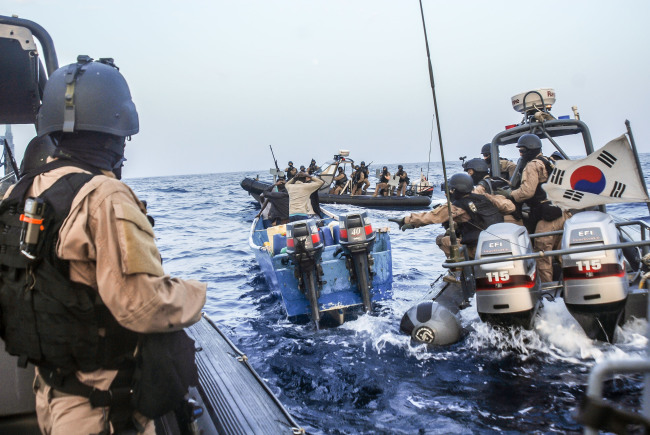
South Korean government is trying to accommodate external and internal political constraints with its deployment of troops to the Strait of Hormuz.

American adversaries find it difficult to make fundamental changes to their foreign or national security policies and instead find coping mechanisms.
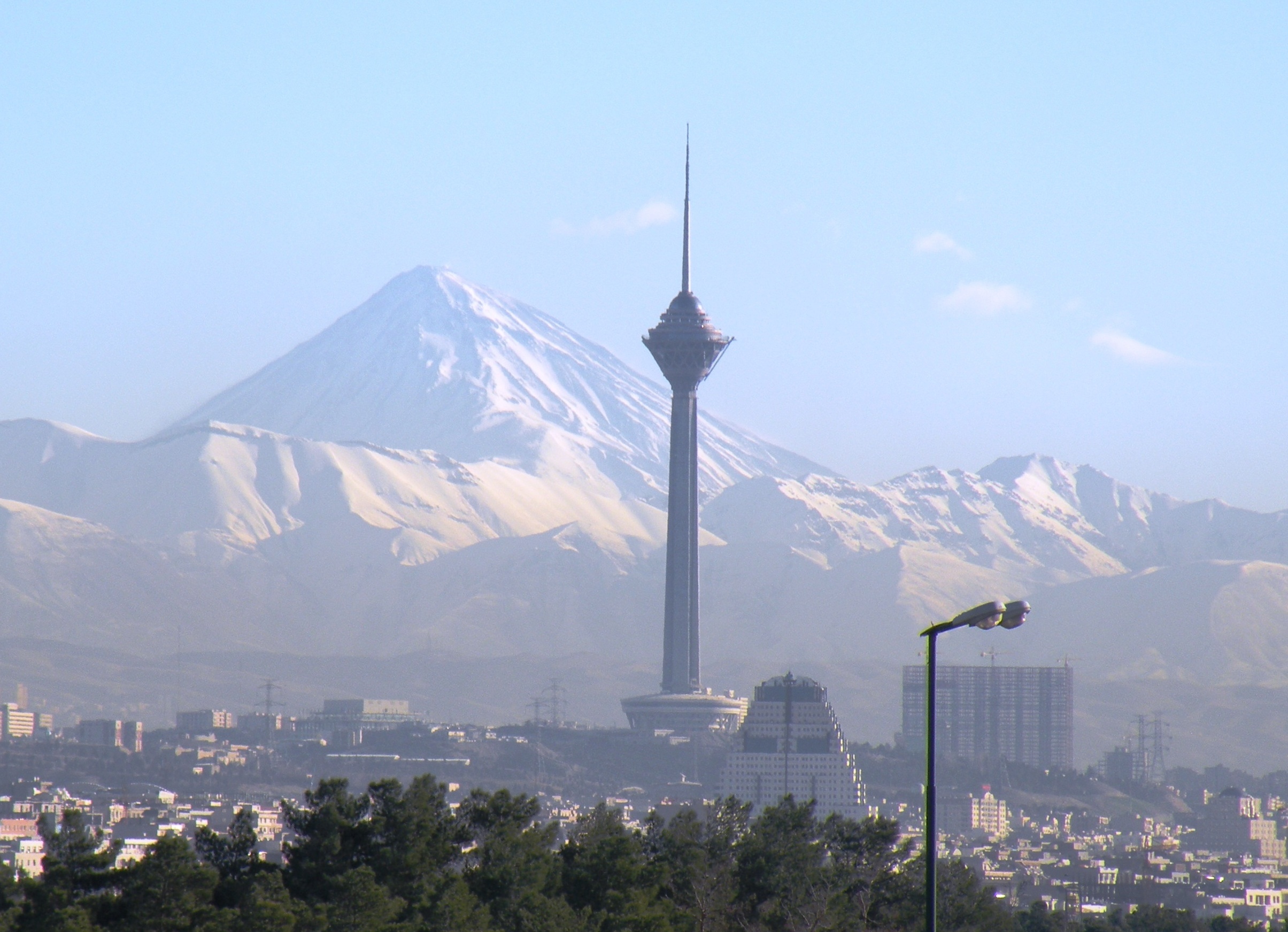
A clear indication of Pyongyang’s interest in the U.S.-Iran confrontation is that its tightly-controlled news media has been unusually quiet on the topic.

The U.S. withdraw of troops from North Syria to help protect the Kurds puts U.S. reliability as an alliance partner in question.
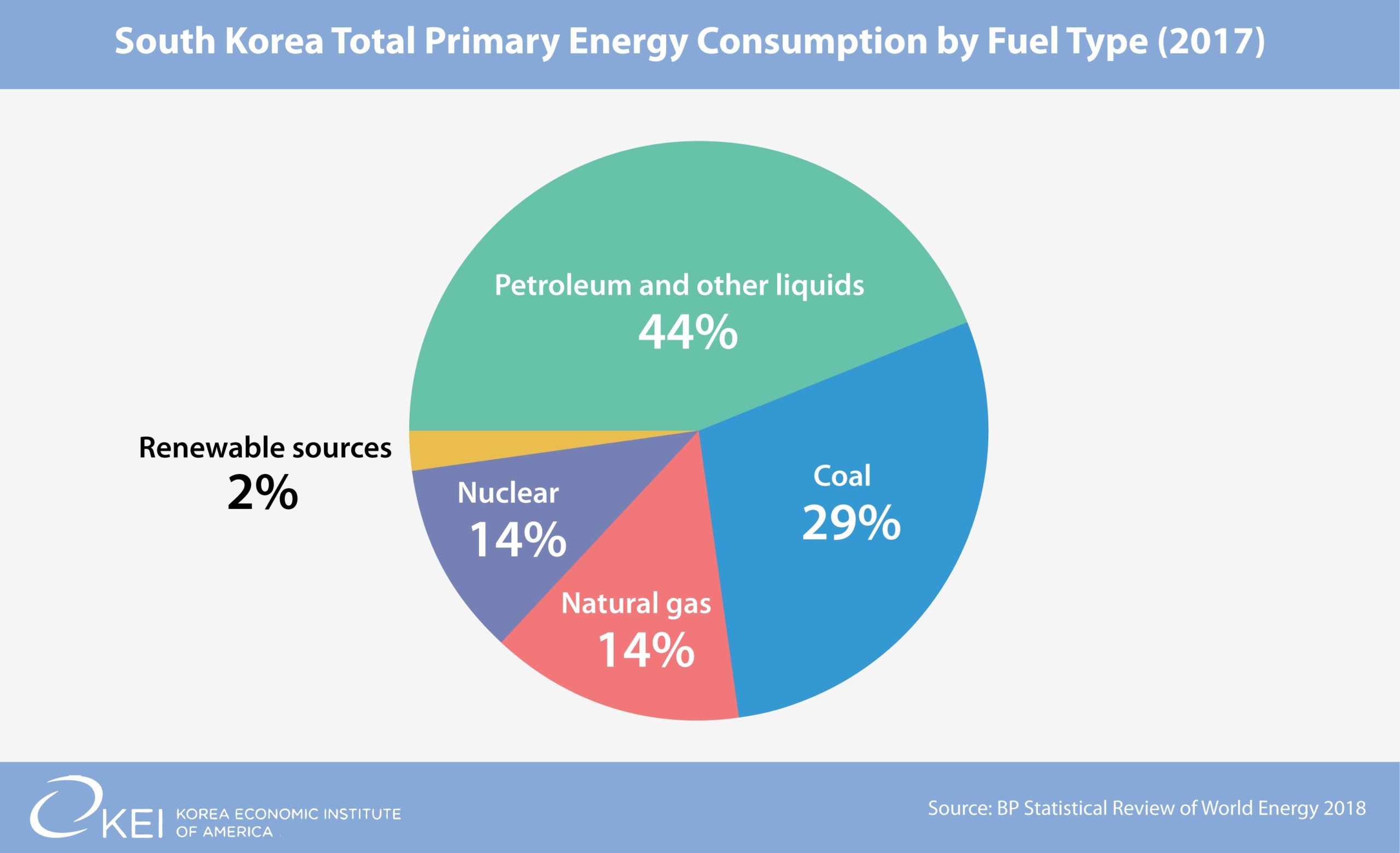
South Korea’s petroleum supplies have significant exposure to Middle Eastern geopolitics in the proxy war between Iran and Saudi Arabia.
South Korea could find itself facing both rising energy prices and an energy shortage if supplies from the Middle East were disrupted over an Iran conflict.
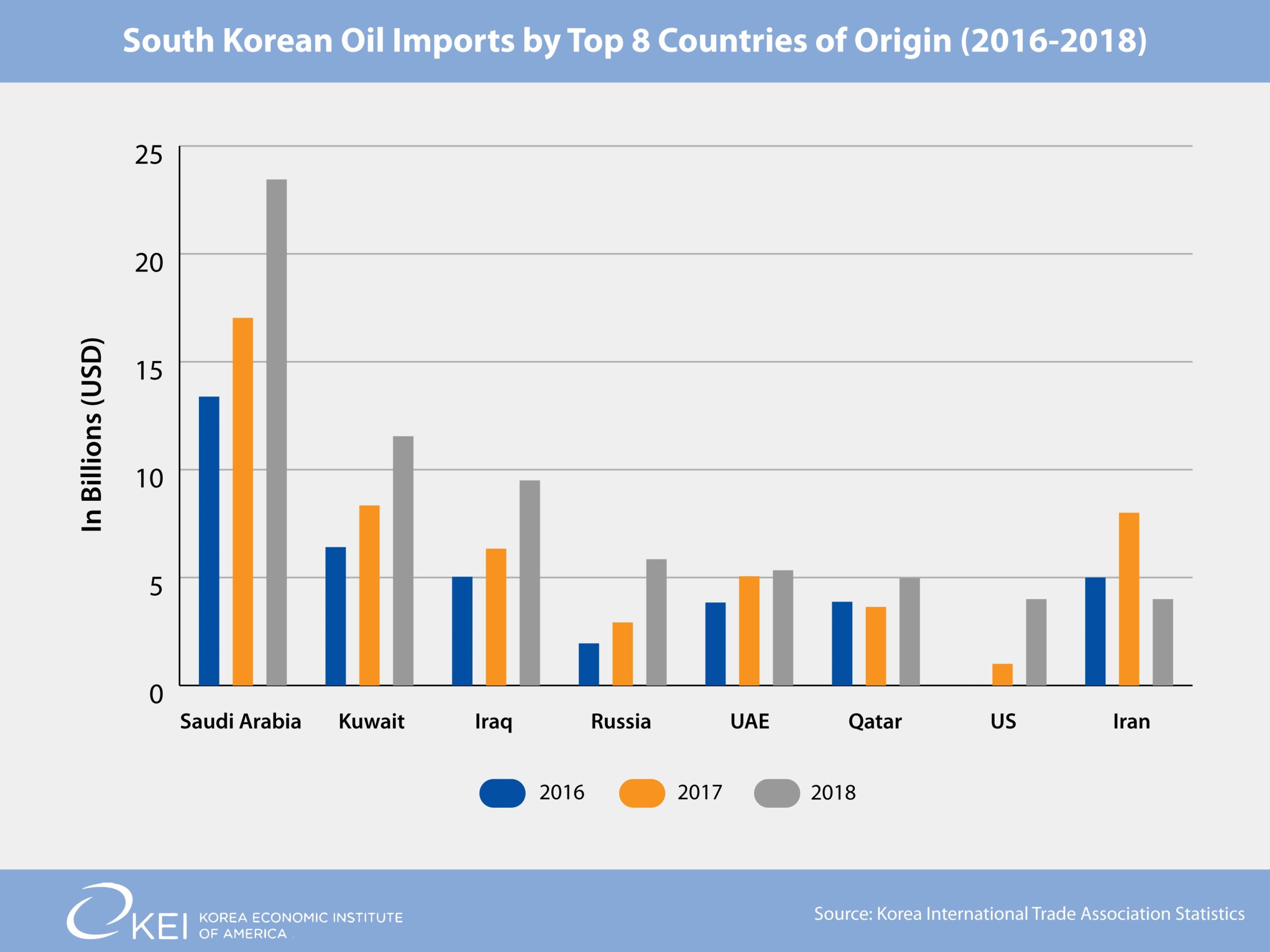
The growing demand for oil in South Korea and the removal of a major competitor in Iran bodes well for American producers.
Congress is showing greater assertiveness in shaping U.S. foreign policy, but concerns arise that this could also complicate talks with North Korea.