North Korea’s Human Rights Record Worsens as UN Pushes for Concrete Benchmarks
Iran’s failure to achieve nuclear latency has significant implications for South Korea and Japan’s thinking on their own nuclear strategy.


Iran’s failure to achieve nuclear latency has significant implications for South Korea and Japan’s thinking on their own nuclear strategy.

North Korea issues like human rights may be awkward and controversial for the Lee administration, but Seoul is committed to testing the waters.

The decision to shutter these agencies impacts their important role in the Indo-Pacific region broadly and on the Korean Peninsula.

Despite Rubio’s Senate record on North Korea, it’s unclear how or whether North Korean human rights will fit into this administration

The U.S. has played a uniquely important role in sustaining the global movement for truth, justice, and accountability for the people of North Korea. Today, that movement is in crisis.

All indications are the abduction issue will continue to define Japan-North Korea relations for at least the rest of this decade.
There are clear indications that Kim and his government are particularly unhappy with the attention and criticism his government’s human rights violations have received. Modest changes have been made by Pyongyang to minimize human rights criticisms. That will only continue if the United States, the United Nations, and other UN member countries continue to call attention to the human rights abuses.

It is likely that the Senate will fail to act on the North Korean Human Rights Act before adjourning in December.
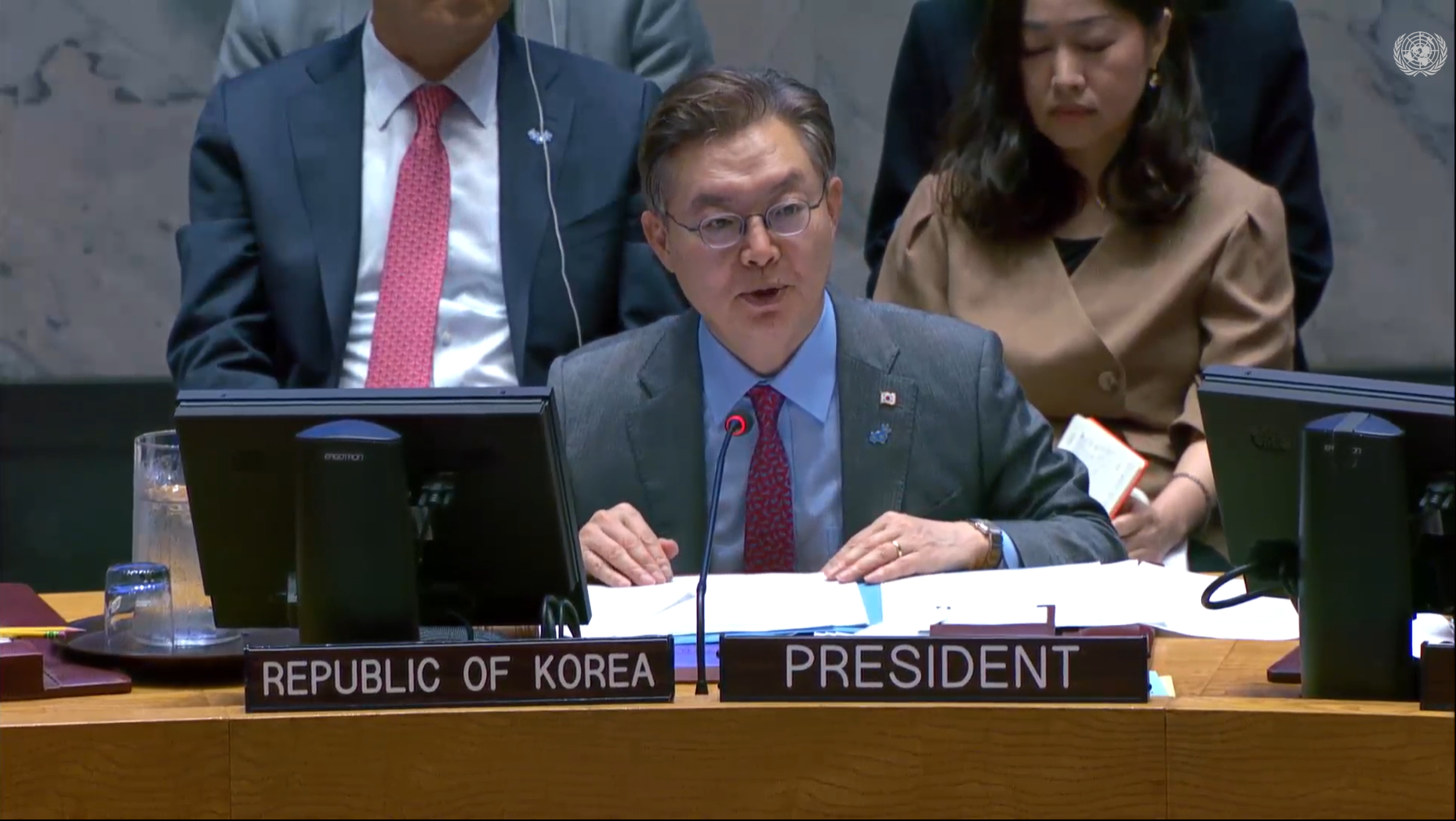
UN institutions have given significant attention to human rights in North Korea throughout the year, and the effort will continue.
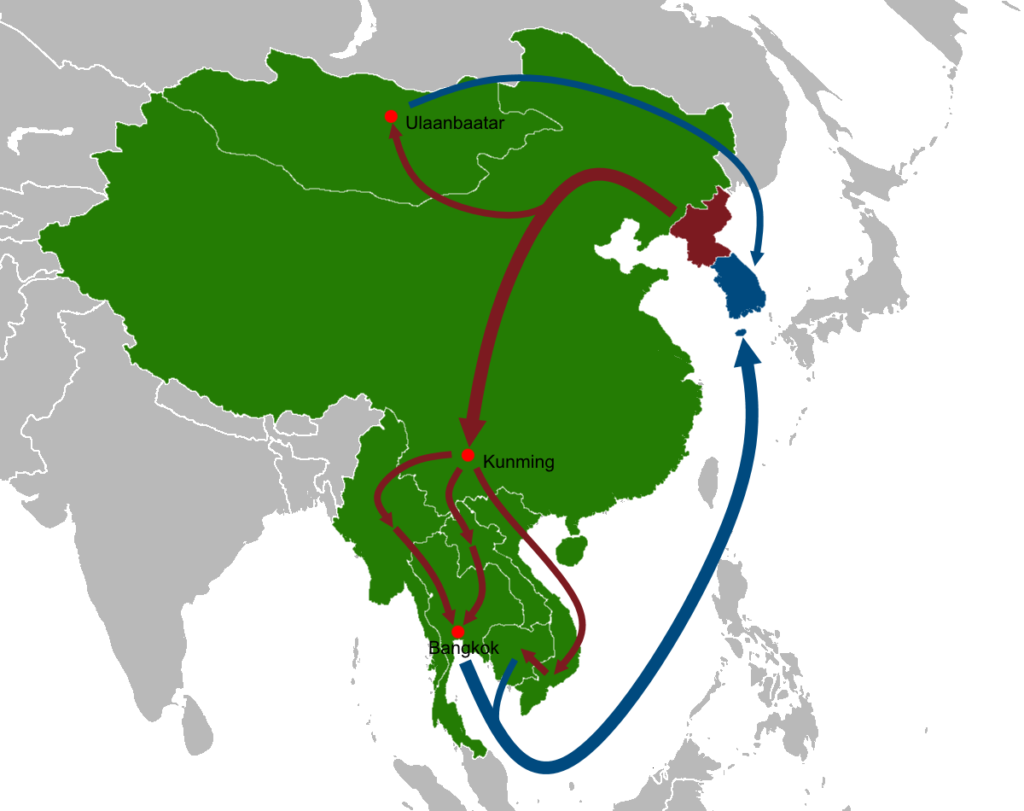
While defections have decreased, defectors have been elevated within South Korea by an administration intent on emphasizing human rights.