Squid Game: Korea’s Cinematic Tradition of Examining Power Relations
Squid Game – the first Korean show to top Netflix’s charts – follows the country’s long cinematic tradition of examining inequality and power relations.


Squid Game – the first Korean show to top Netflix’s charts – follows the country’s long cinematic tradition of examining inequality and power relations.

History, politics, and geopolitics are ever-present in Northeast Asia – and they are increasingly part of the media landscape.

Does society affect the quality of the movies its directors make? Do democracies in fact make better art? Korea provides an outlook on this question.
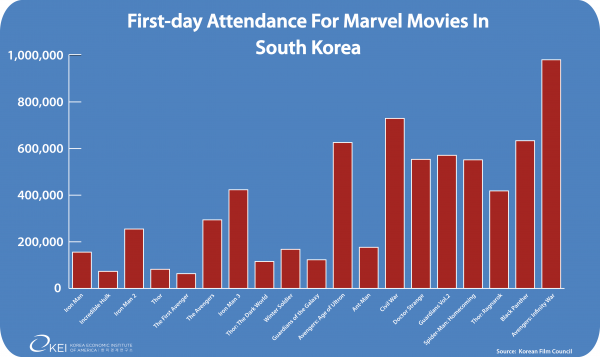
When Avengers: Infinity War was released in South Korea on April 25, 980,676 people watched it just on the first day, a record high among Marvel movies.

By riding on the popularity of its original content (House of Cards, Orange is the New Black) and incorporating Korean media into their library, Netflix is now in a prime position gain a market share in the entertainment industry in Korea.

Historically, local documentaries have not been that popular in South Korea – the first widely successful documentary in the country was 2008’s “Old Partner,” which shattered domestic records just by attracting 100,000 viewers in the first few weeks after its release. Since then, more independent films have begun to crop up, telling real-life stories about different aspects of Korea. The five films below represent some of those stories.

On January 13, at Korean American Day, the Korea Economic Institute had the opportunity of catching up with legendary actor Daniel Dae Kim to talk about his career.