Energy for AI Leads South Korea’s U.S. Investment Pipeline
South Korea has picked a Texas gas-fired power plant as the first project under its USD 350 billion investment commitment to the United States. The…

South Korea has picked a Texas gas-fired power plant as the first project under its USD 350 billion investment commitment to the United States. The…

On the evening of June 24, 1950, Harry Truman was at home in Independence, Missouri, when Secretary of State Dean Acheson telephoned to say North…
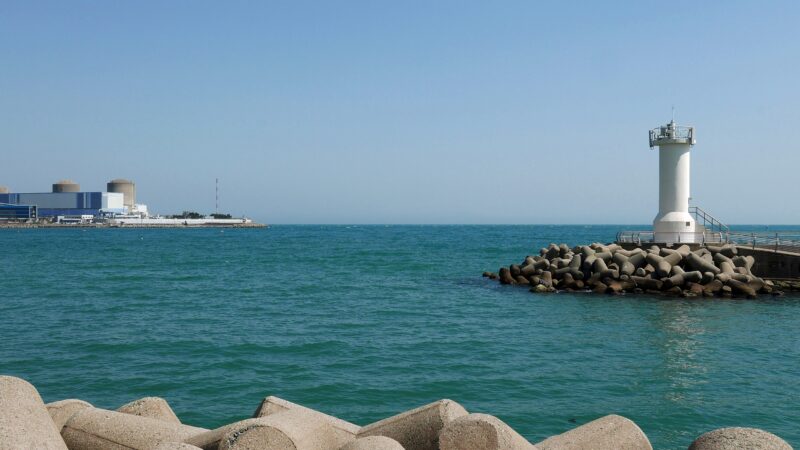
South Korea’s 2035 Nationally Determined Contribution (NDC), submitted to the United Nations Framework Convention on Climate Change in December 2025, sets a target of reducing…
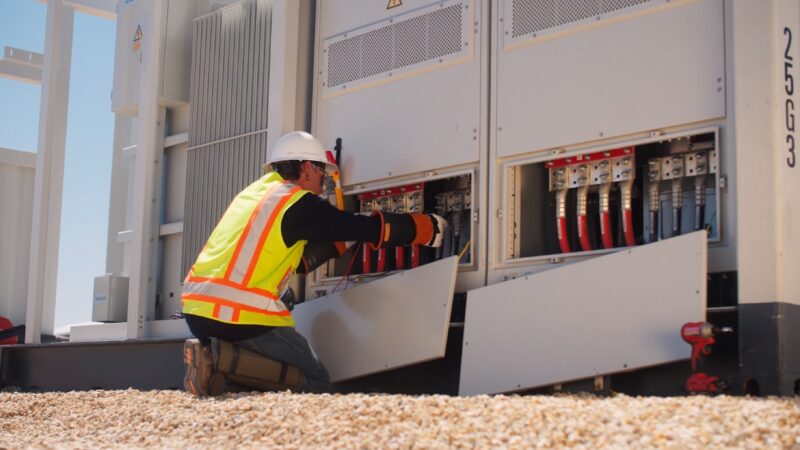
The rapid expansion of AI data centers and advanced manufacturing is driving up electricity consumption in the United States. Early this year, the U.S. Energy…
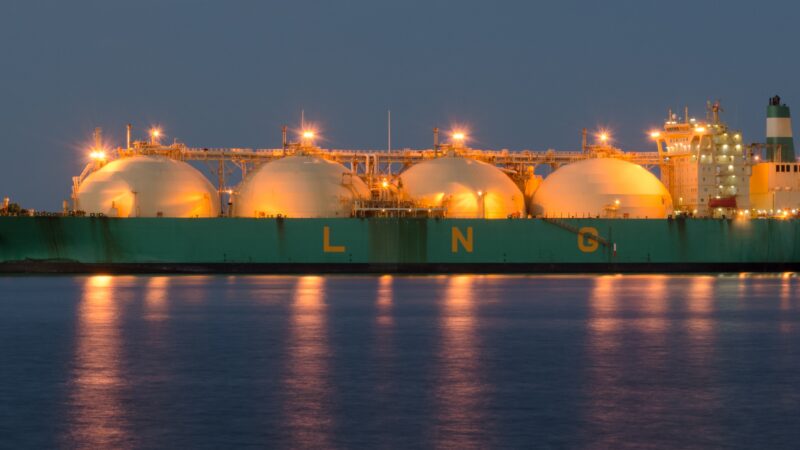
The 2026 Iran war and the closure of the Strait of Hormuz have upended global trade and energy access, prompting governments in Asia and around…

A fire and explosion on a South Korean-operated tanker in the Strait of Hormuz on May 4 underscored the extent to which the ongoing war…
South Korea’s capabilities coupled with U.S. research and capital could answer many of the world’s most pressing energy questions.
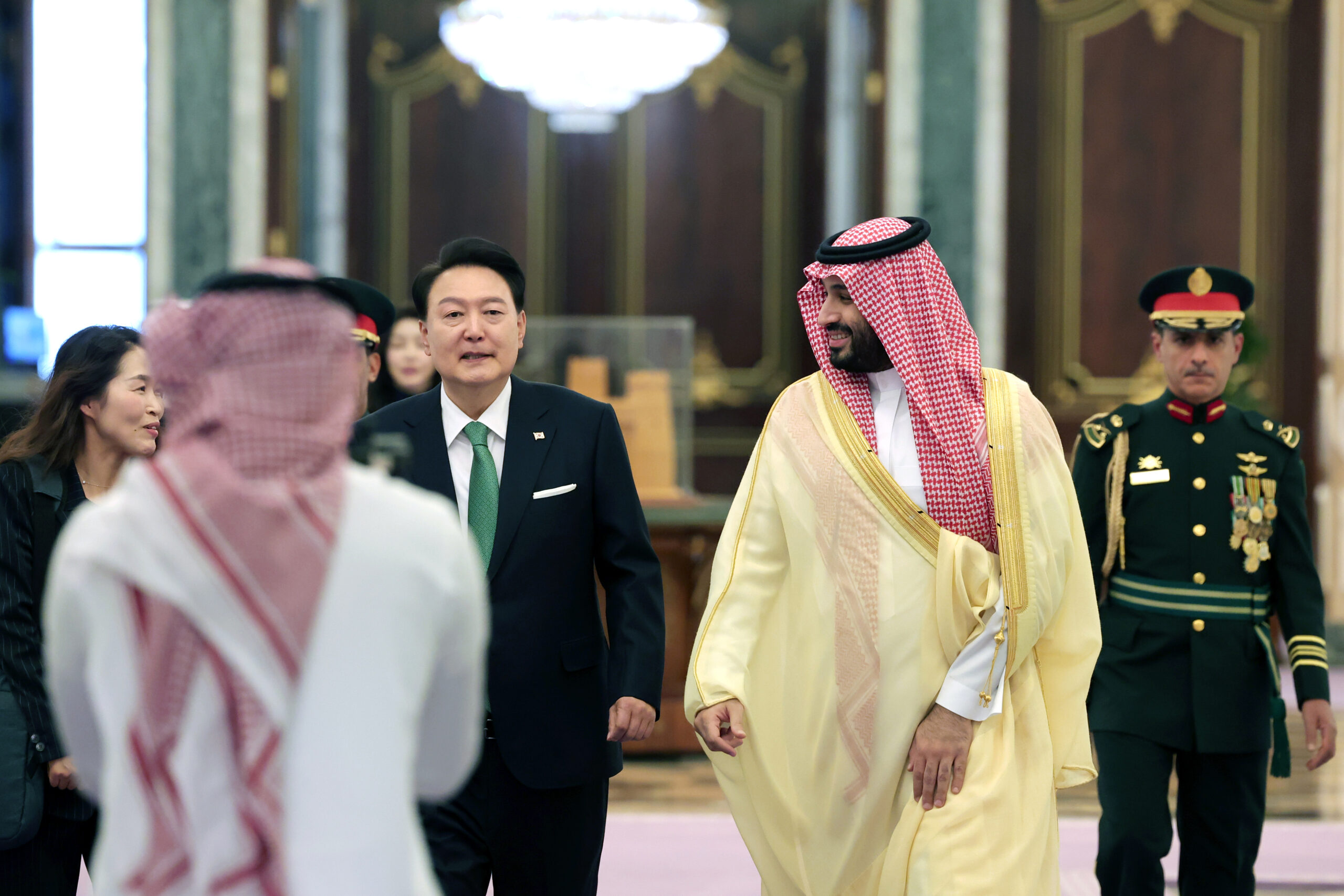
Given Korea’s dependence on imported fossil fuels to meet its energy demands, the crisis in the Middle East could have wide-ranging effects.

South Korean government is trying to accommodate external and internal political constraints with its deployment of troops to the Strait of Hormuz.

Deeper economic and technological cooperation between Korea, Japan, and the United States offer paths to emerging challenges.