Impact of the 2018 Congressional Elections on American Policy Toward Korea
Taking control of the House of Representatives, Democrats will not be kind to President Trump – including on his lackluster progress on denuclearization

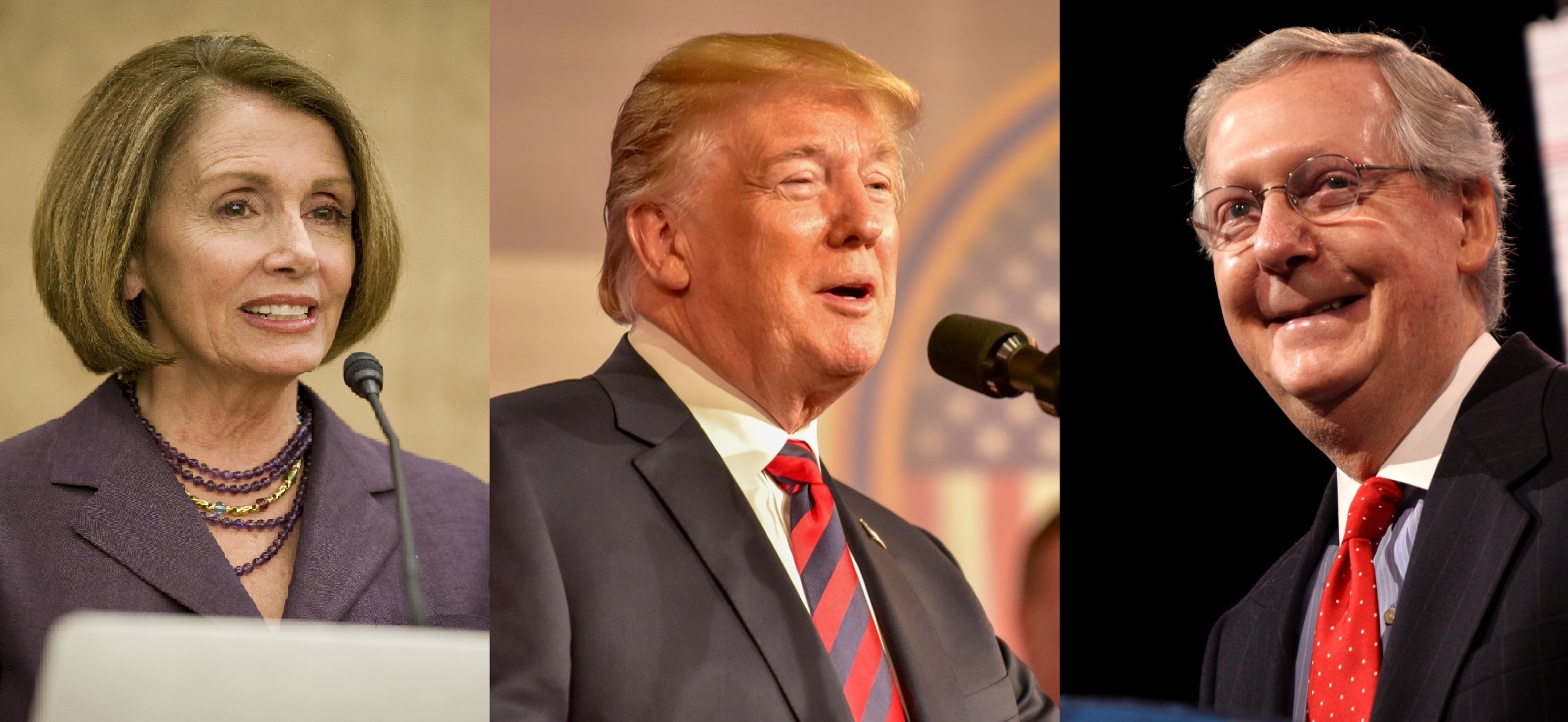
Taking control of the House of Representatives, Democrats will not be kind to President Trump – including on his lackluster progress on denuclearization

Democrats may be torn between their desire for a diplomatic solution to the North Korea nuclear issue and their deep skepticism of the Trump Administration.

Should one of the Korean-American candidates running for office win, they would become just the second Korean-American elected to Congress.

Many South Korean candidates in the June 13th election tapped into pop culture and highlighted issues of common concern to broaden their appeal.

On June 13, local elections in Korea will be held for about 4,000 local administrative, legislative, and educational leaders in 17 major cities and provinces.

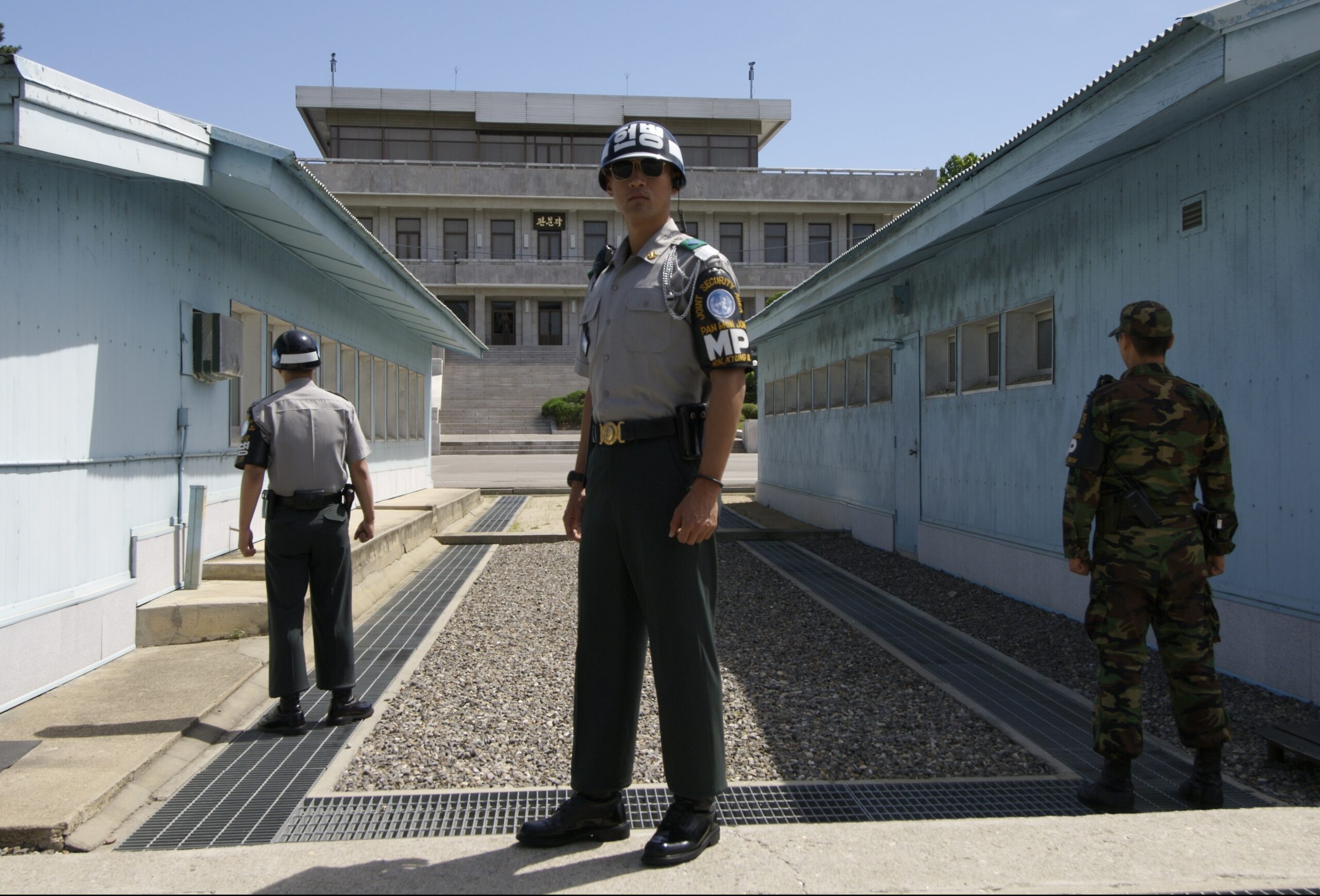
In 2017, attention turned to the Korean Peninsula as South Korea removed Park Geun-hye from office and North Korea advanced its weapons programs.
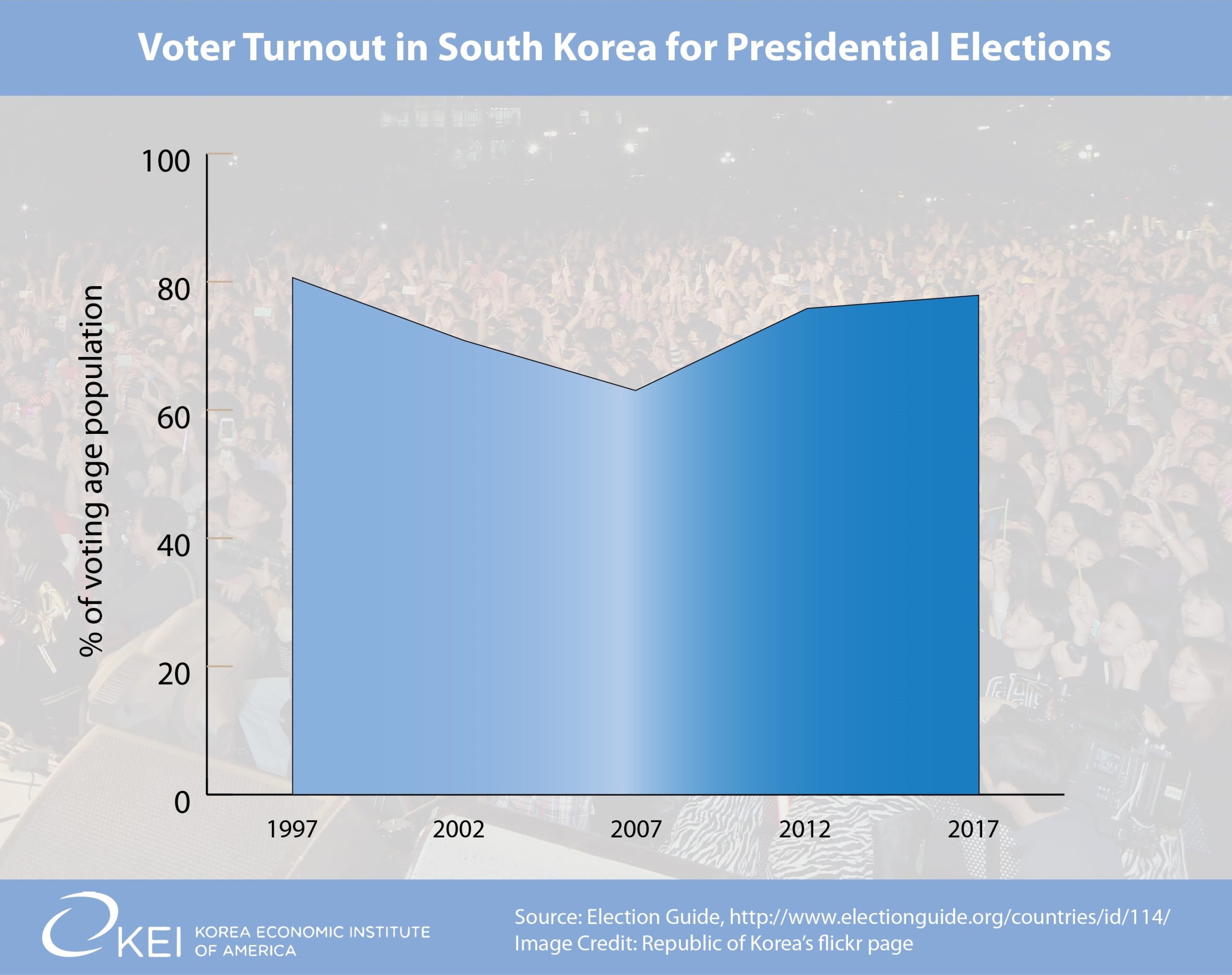
Even prior to this presidential election, South Korea had a track record of high voter turnout relative to other countries.
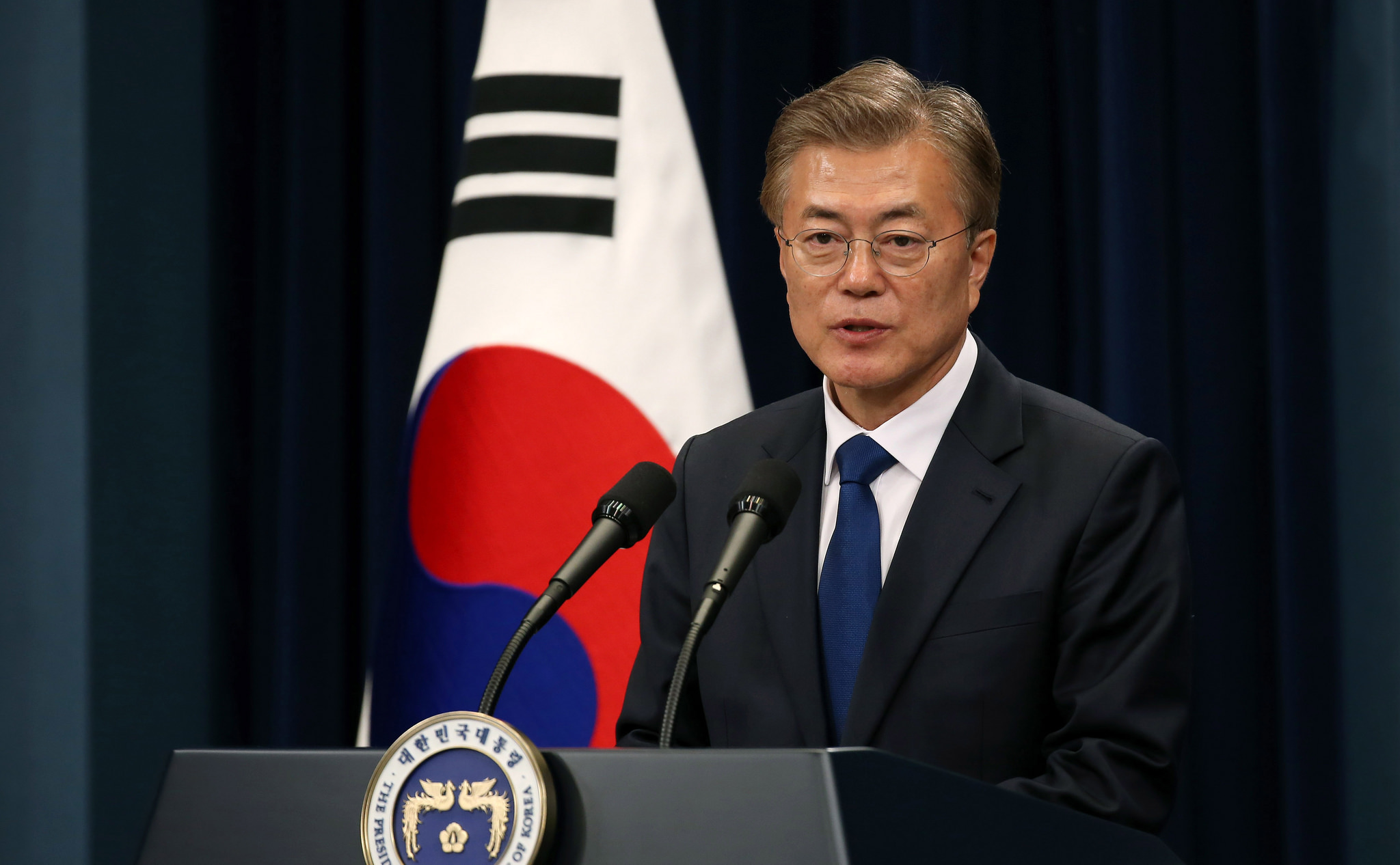
An unexpected early presidential election was held on May 9 in South Korea. This election was the result of the impeachment of President Park Geun-hye. The election was won by Moon Jae-In, who strongly argued for eradicating ‘deep rooted evils”’ in Korean society, referring to the turmoil from the former President Park.

For the newly elected South Korean President Moon Jae-in, just as central to resolving the issues raised by Trump will be understanding his approach to foreign affairs.
The campaign is over; ballots have been cast; the result is clear—Moon Jae-in will be in the Blue House within a few days.