The Beef with Tariffs (III): Will Trump Revive Section 338 to Enforce Reciprocal Tariffs?
Section 338 allows the president to impose ‘new or additional duties’ of up to 50% on products from countries that ‘discriminate’ against U.S. commerce

Section 338 allows the president to impose ‘new or additional duties’ of up to 50% on products from countries that ‘discriminate’ against U.S. commerce
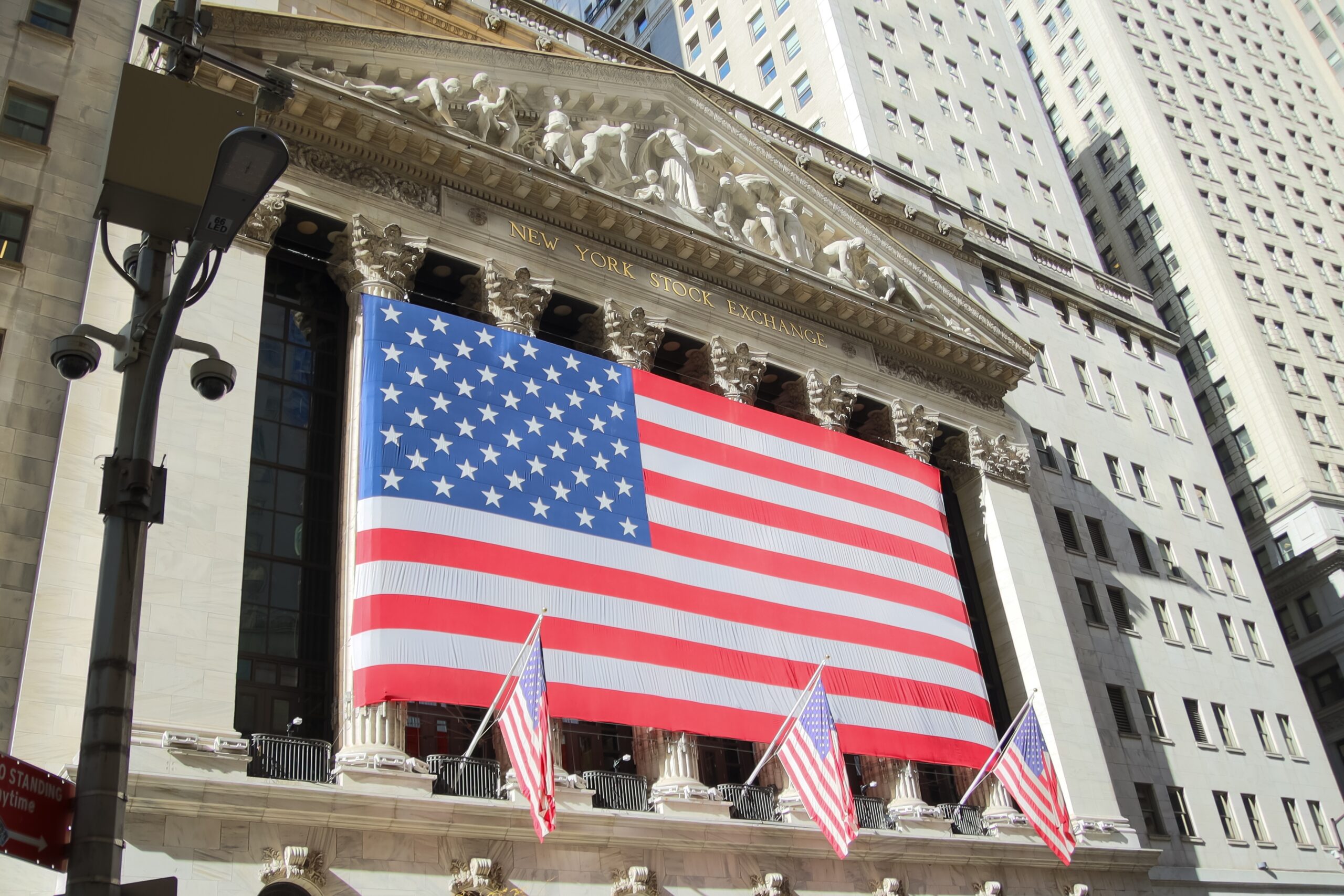
South Korea enjoys an advantage when it comes to investing in the United States. This edge should not be taken for granted.

South Korea will need to improve the performance of its stock markets and small businesses by opening up to foreign portfolio investment

South Korean President Yoon Suk Yeol’s short-lived declaration of martial law on December 3, 2024, and his subsequent impeachment on December 14 have plunged the country into its worst political crisis in nearly 40 years, with some signs of a negative economic impact. The economy was already showing signs of weakness before the December political crisis. The additional concerns about political instability have led some forecasters to downgrade their outlook for Korea in 2025.
One perplexing trend is the less sanguine numbers reported on the general perception about the country’s macroeconomic performance.

What happened in U.S.-Korea trade and investment in the fourth quarter of 2023?
Korea’s real GDP growth will rebound to more than 2 percent in 2024 and 2025, according to the OECD’s bi-annual economic projections.
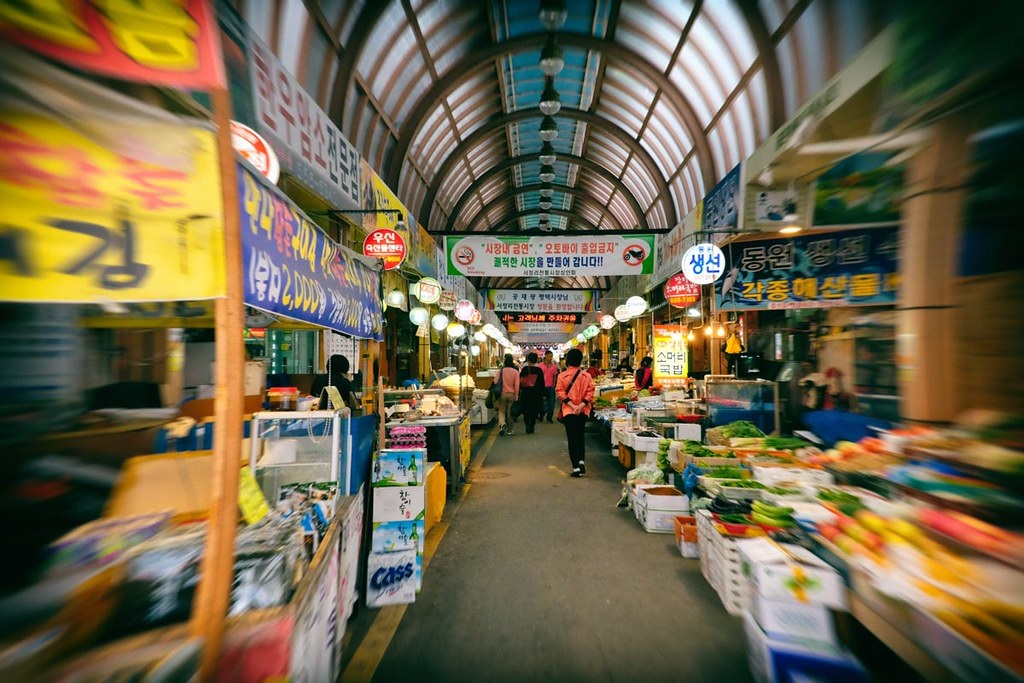
Korea needs to utilize its strengths to strengthen lagging sectors and reduce the polarization in the Korean economy.
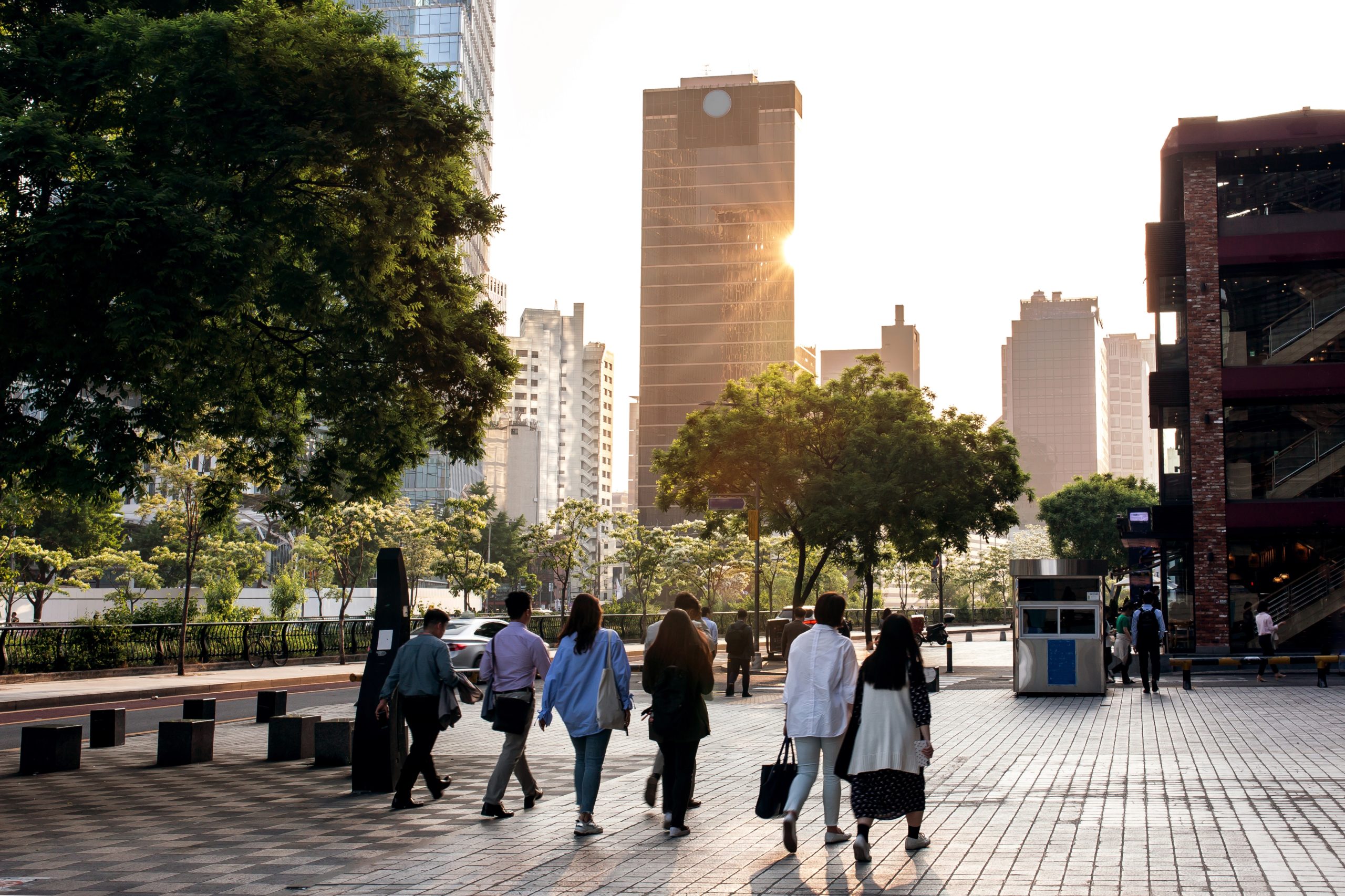
Meeting Korea’s demographic challenge requires a comprehensive strategy, including by making greater use of foreign workers.
The government’s new proposal to protect Small and Medium-sized Enterprises (SMEs) comes into conflict with property owners.