The Impact of the War in Ukraine on the Outlook for the Korean Economy
External threats of disruptions to the world economy due to the war in Ukraine are perhaps the biggest risk to the Korean economy.

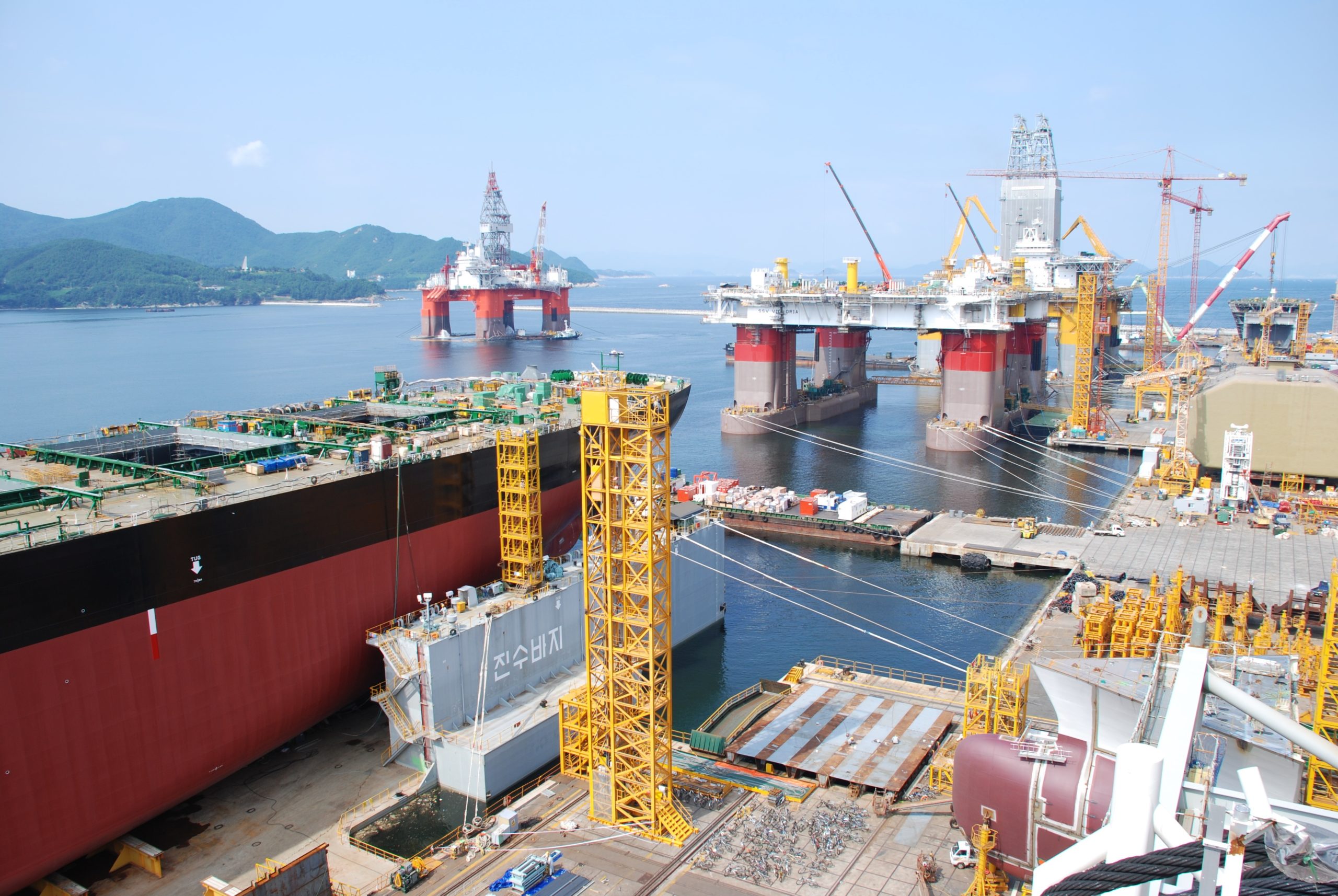
External threats of disruptions to the world economy due to the war in Ukraine are perhaps the biggest risk to the Korean economy.
Will the food price shock unleashed by the war in Ukraine find its way into the North Korean economy?

To understand the context behind the Korean Air-Asiana Airlines merger, one must understand the unique historical momentum driving it.

Labor market dualism – the segmentation between regular and non-regular workers — is deeply entrenched in Korea’s labor market.
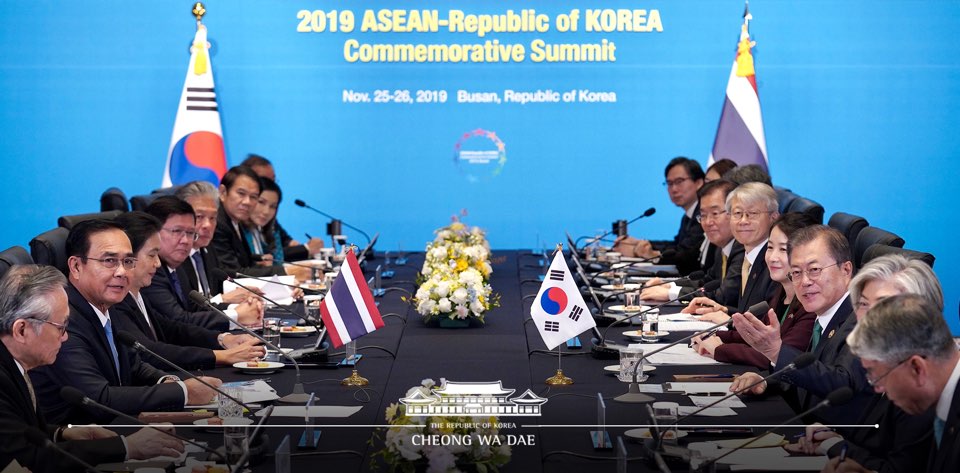
Election pledges provide an initial overview of how Moon Jae-in’s New Southern Policy may or may not continue under the next administration.
Working mothers in Korea are in a battle to balance family and professional life. One of the largest barriers is workplace inflexibility and childcare.
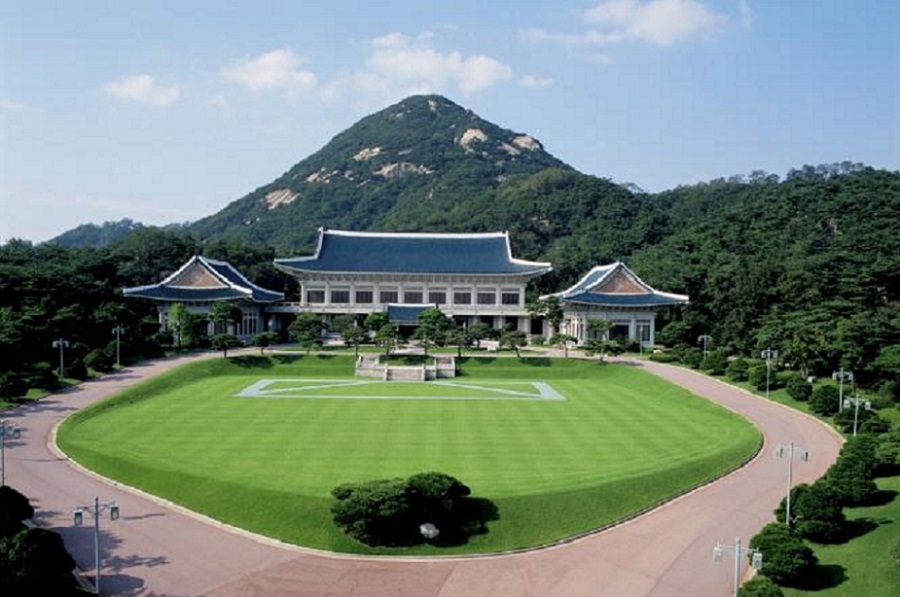
10 issues on South Korean politics, U.S.-Korea relations, the region, and North Korea that will have an impact on the Korean peninsula in 2022.

South Korea’s potential growth rate has slowed as its economic performance has approached that of high-income countries and its population ages.
It is hard to find any silver linings in North Korea’s plenum report; it reads like a testimony to intellectual bankruptcy.
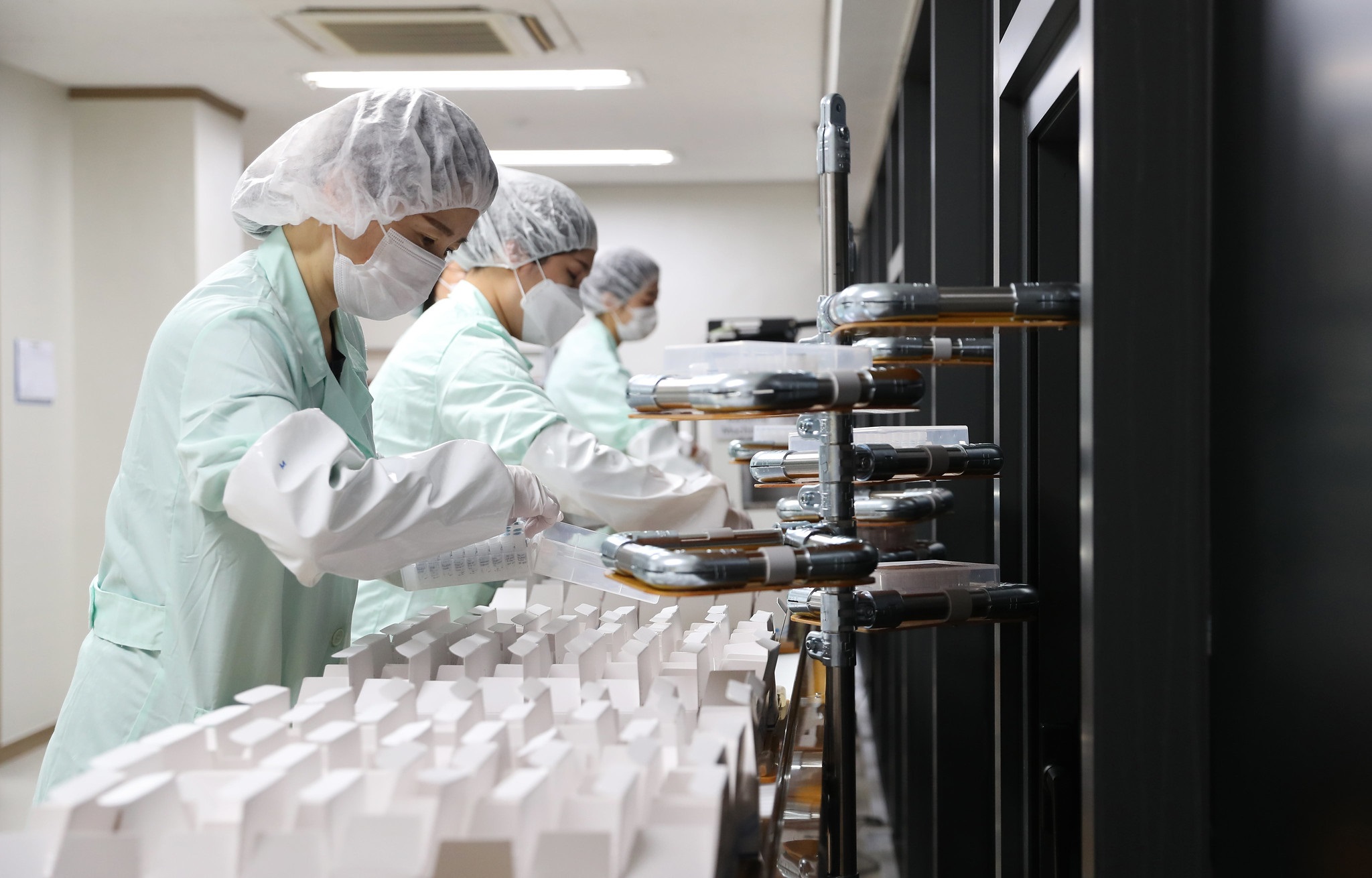
The onslaught of COVID-19 in 2020 and the ensuing government crackdown sent shockwaves through the Korean economy, particularly its labor markets.