10 Issues to Watch for on the Korean Peninsula in 2024
South Korea’s rapprochement with Japan and North Korea’s embrace of Russia significantly shaped events on the Korean Peninsula in 2023. Both promise to have a…

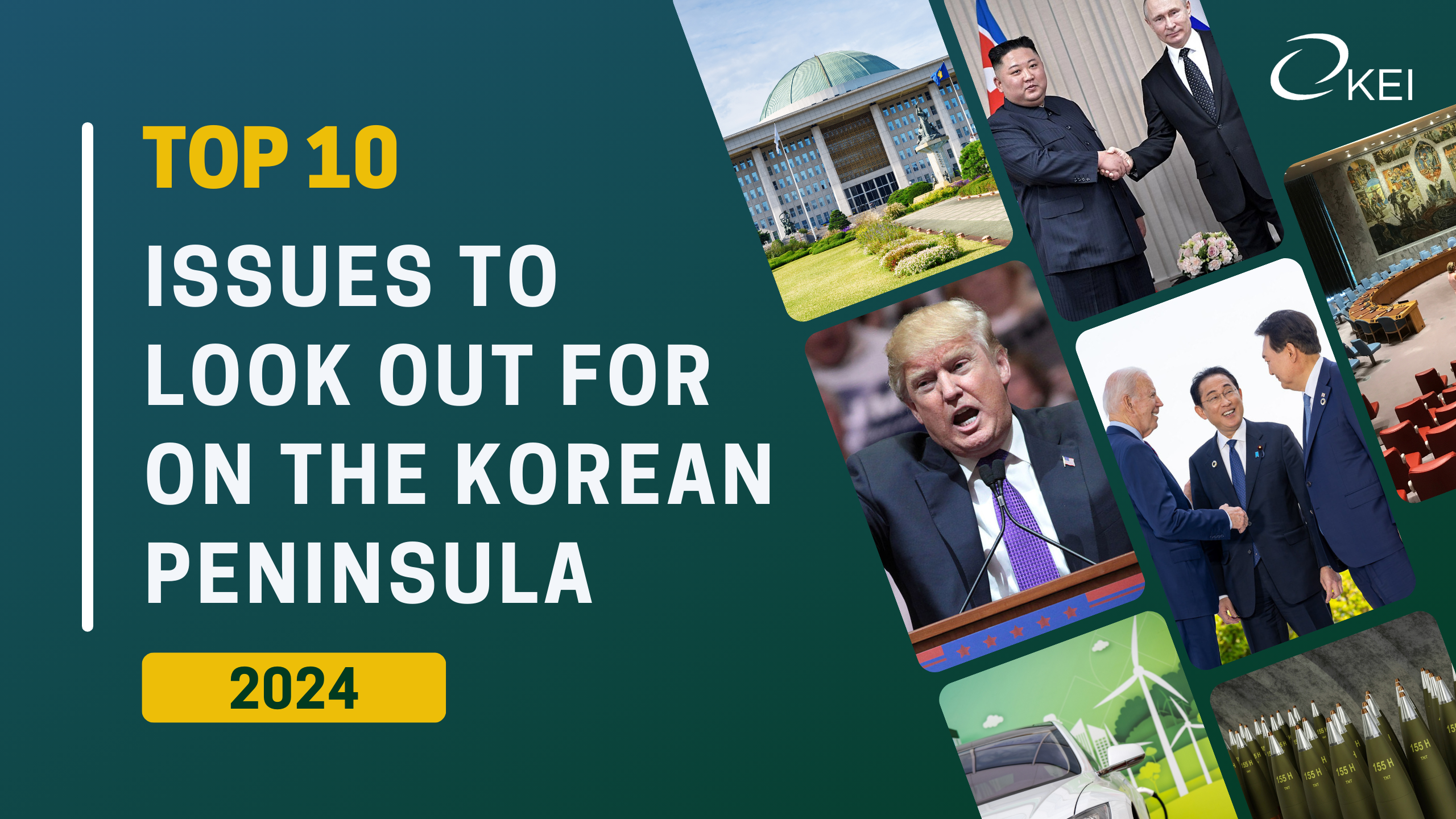
South Korea’s rapprochement with Japan and North Korea’s embrace of Russia significantly shaped events on the Korean Peninsula in 2023. Both promise to have a…

Some North Korean pandemic restrictions continue to remain in place despite the rest of the world having returned to normal.
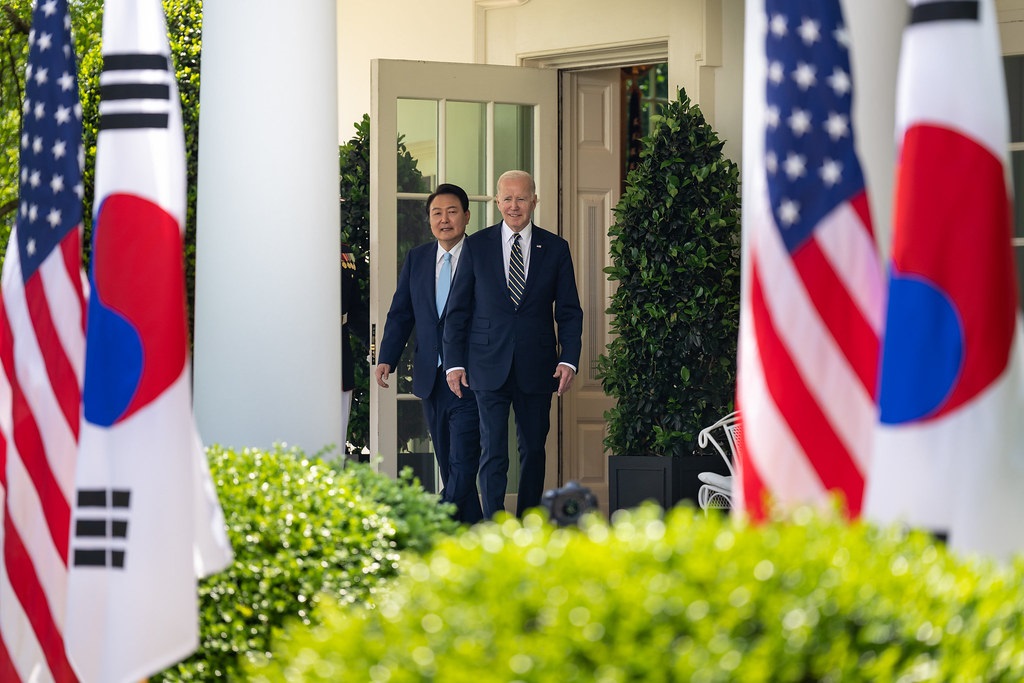
No reflection of 70 years of the U.S.-Korea alliance would be complete without examining exactly what it means to be an economic ally.
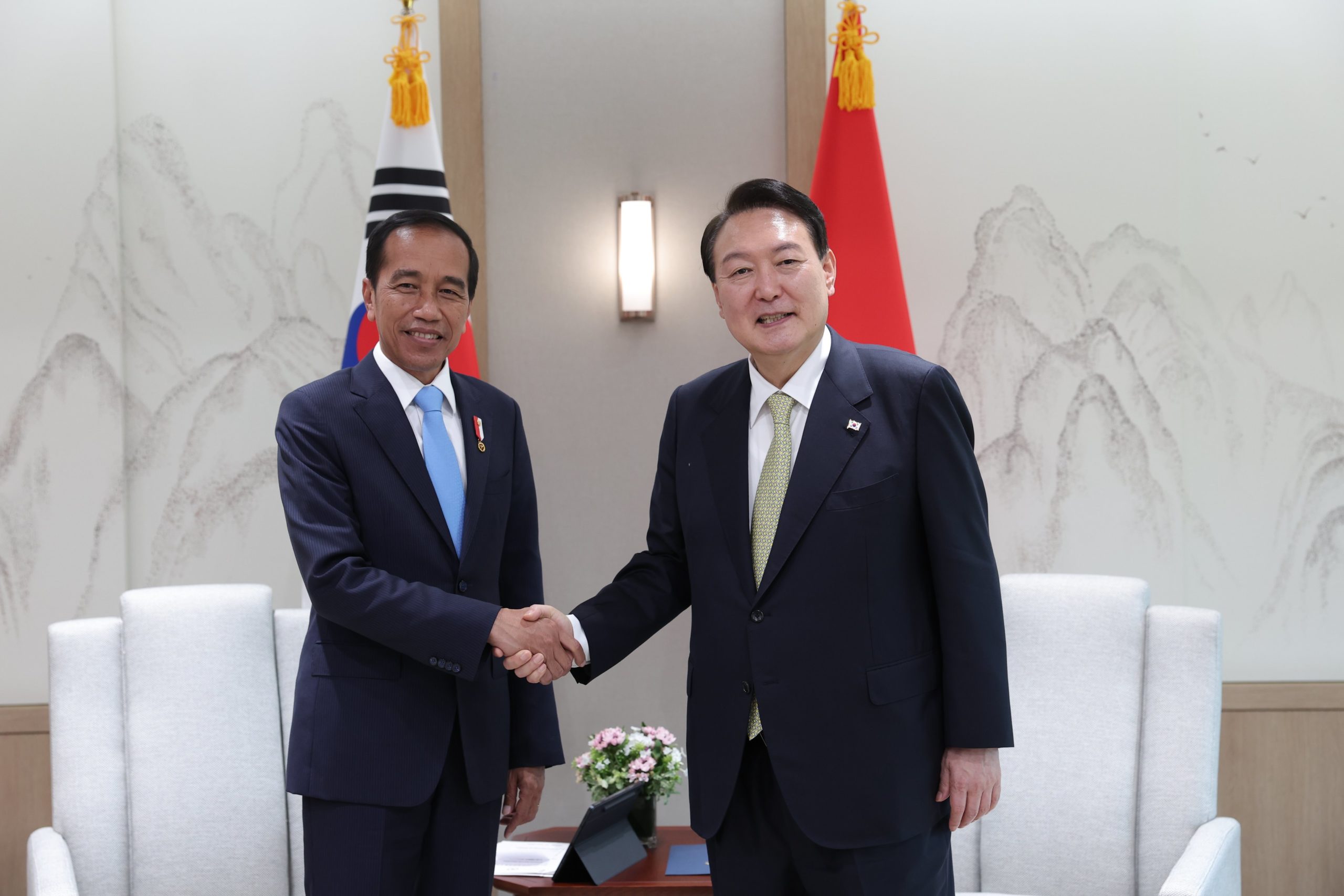
Indonesia has helped to jumpstart South Korea’s Indo-Pacific strategy due to the timely nature of the recent bilateral summit.

Korea’s low birthrate, combined with rising life expectancy, will sharply increase Korea’s dependency ratio and likely pose serious socio-economic issues.

The CHIPS Act and the future of U.S.-ROK technological cooperation pose challenges and opportunities for South Korea and its semiconductor industry.

With inflation expected to rise, many forecasters warn that the global economy may be entering a period of stagflation. Will this curb Korea’s growth?
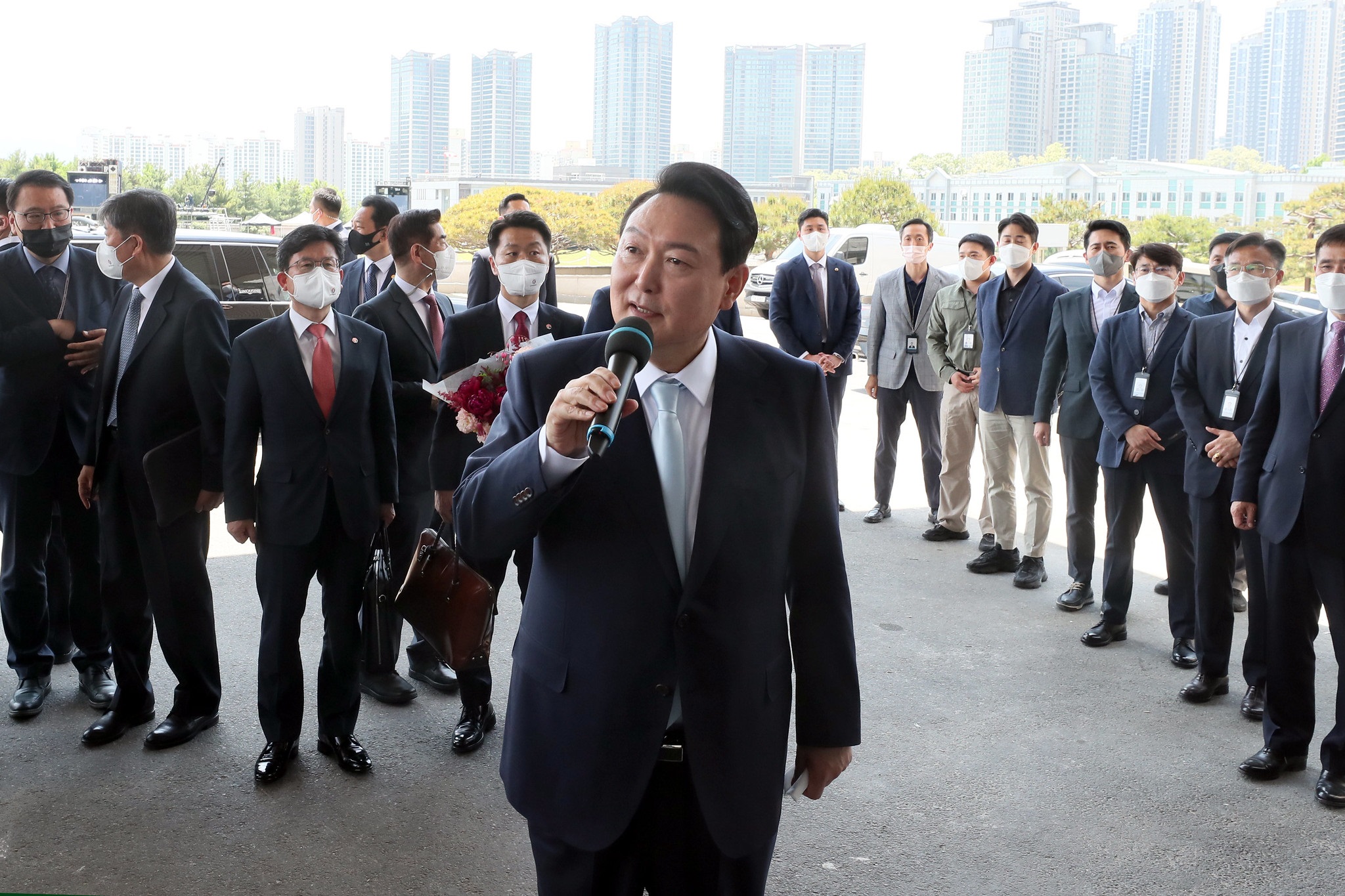
President Yoon Suk Yeol campaigned on economic policies changes that could bring significant economic benefits to South Korea.

Pursuing sanctions on Russia poses nowhere near the tough choices that arise when talking about Korea’s dependence on trade and investment with China.
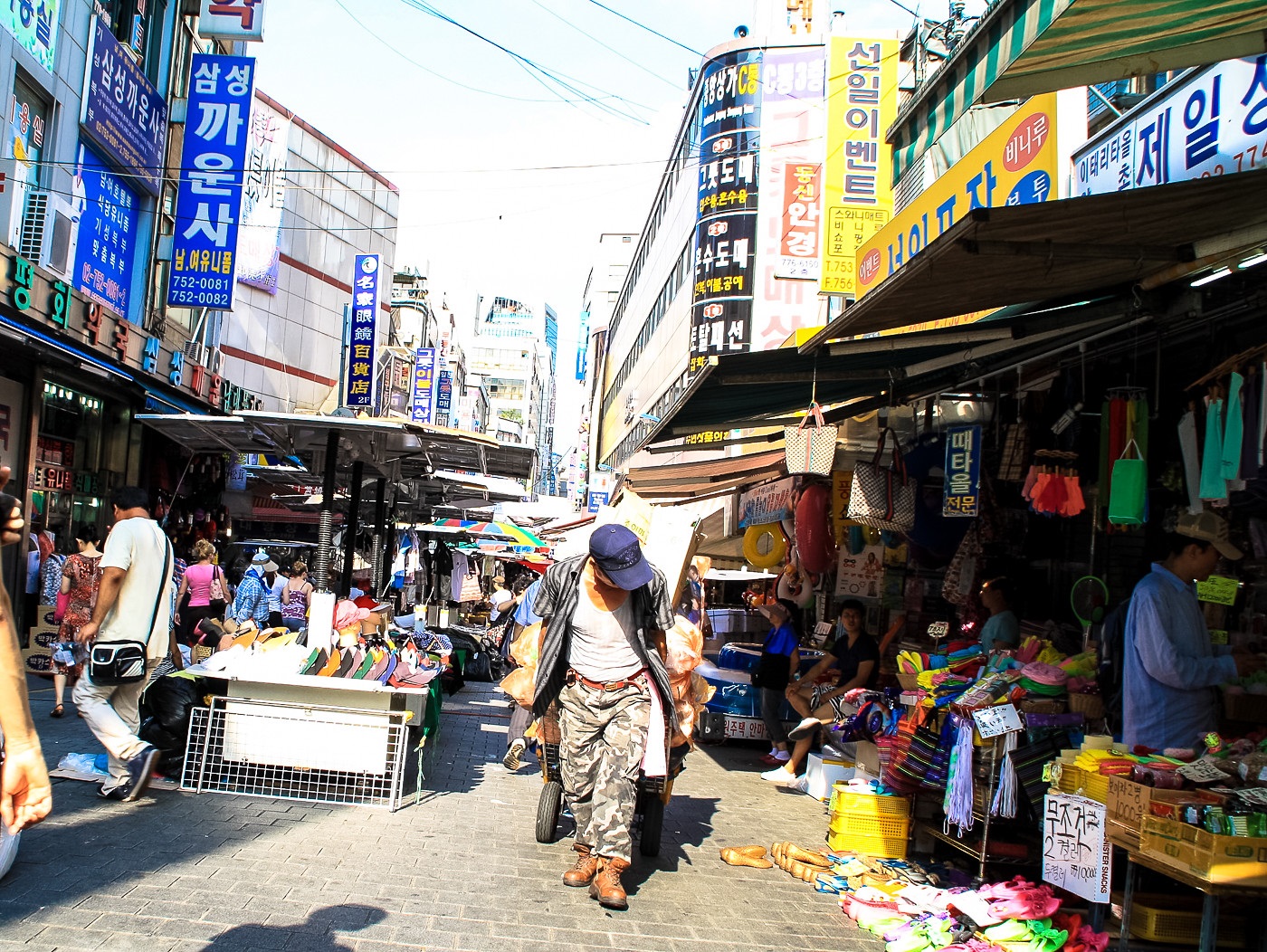
Despite a declining workforce and a need for foreign workers, South Korea maintains some of the strictest immigration controls among the OECD countries.