The Beginning of a New South Korea-Iran Relationship?
While relations with Iran hold significant promise with the removal of economic sanctions, they also have the potential to be extremely complex.

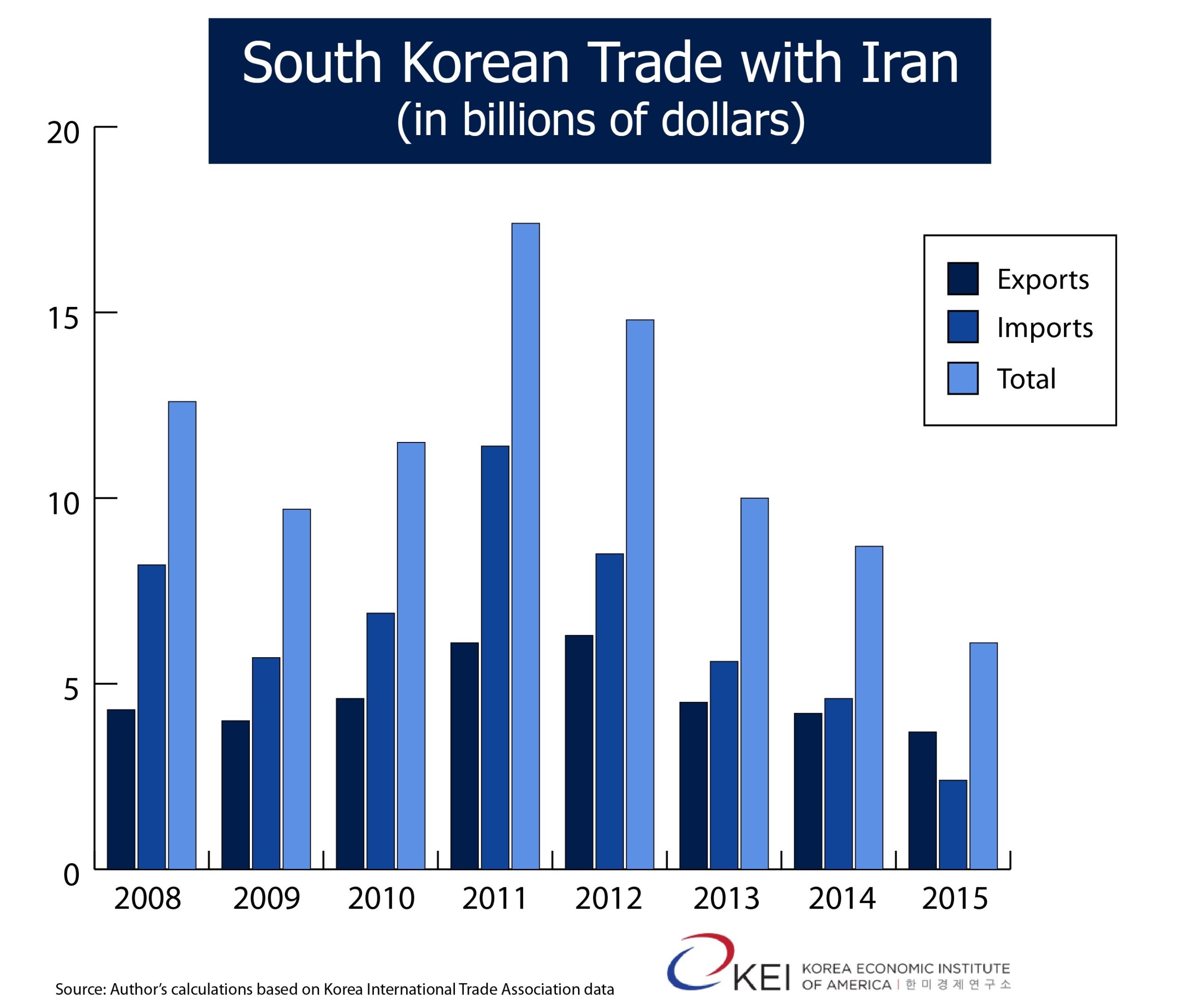
While relations with Iran hold significant promise with the removal of economic sanctions, they also have the potential to be extremely complex.

By Jenna Gibson Walking down one of Seoul’s many shopping streets, sandwiched between food carts and two-story portraits of the latest k-pop phenom, store clerks…
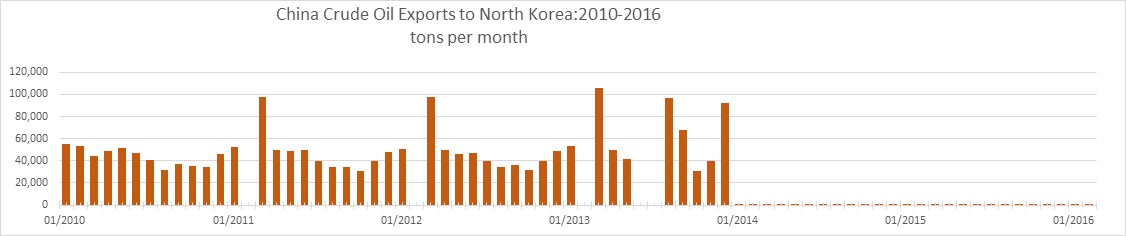
China surprised many Washington pundits by signing on in February to what looks like fairly tough trade sanctions on North Korea.
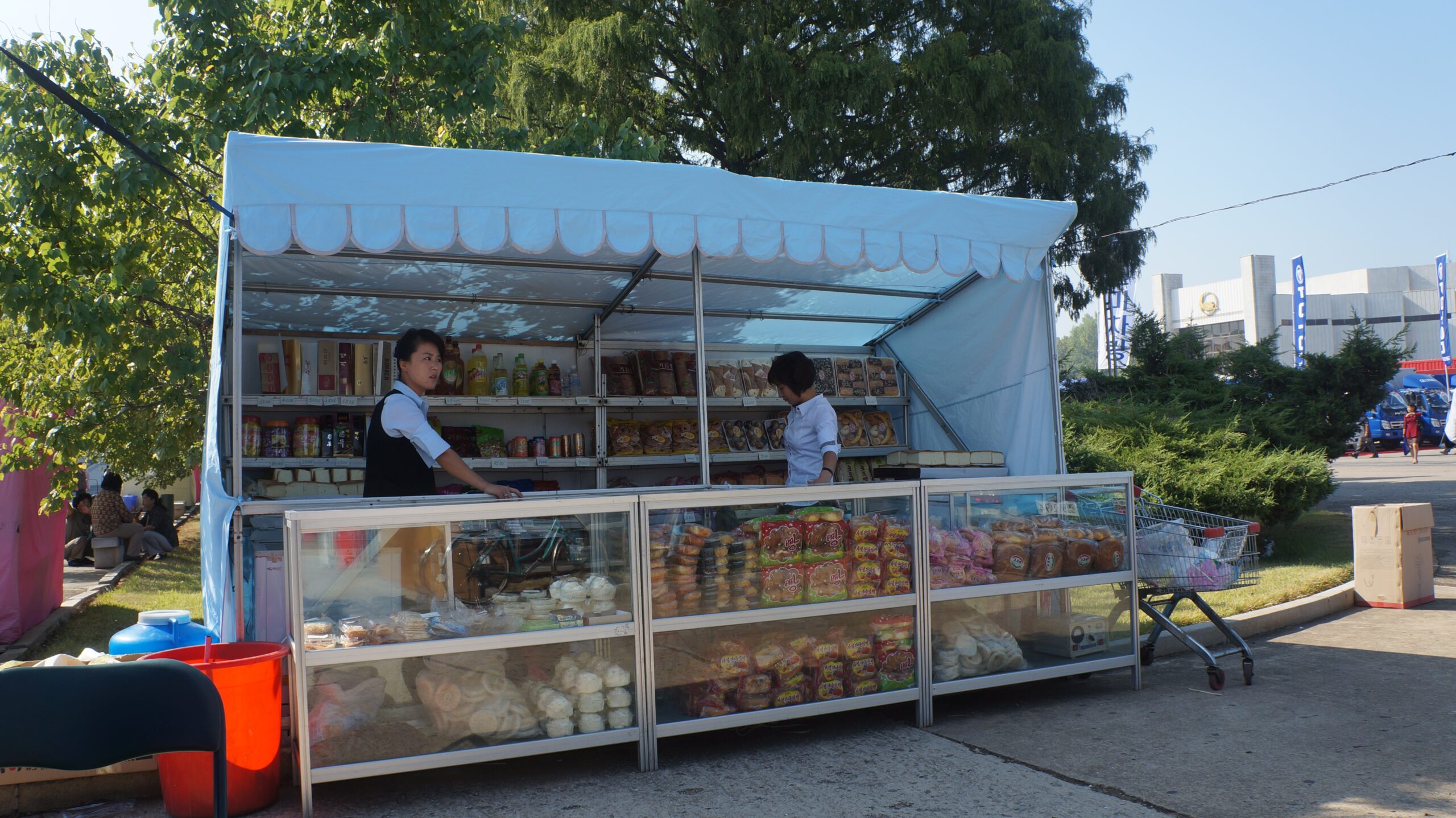
KEI Communications Director Jenna Gibson, host of Korean Kontext, recently interviewed Dr. Stephen Haggard of the University of California-San Diego on the North Korean economy, the role of black markets, and the potential impacts of new UN sanctions.
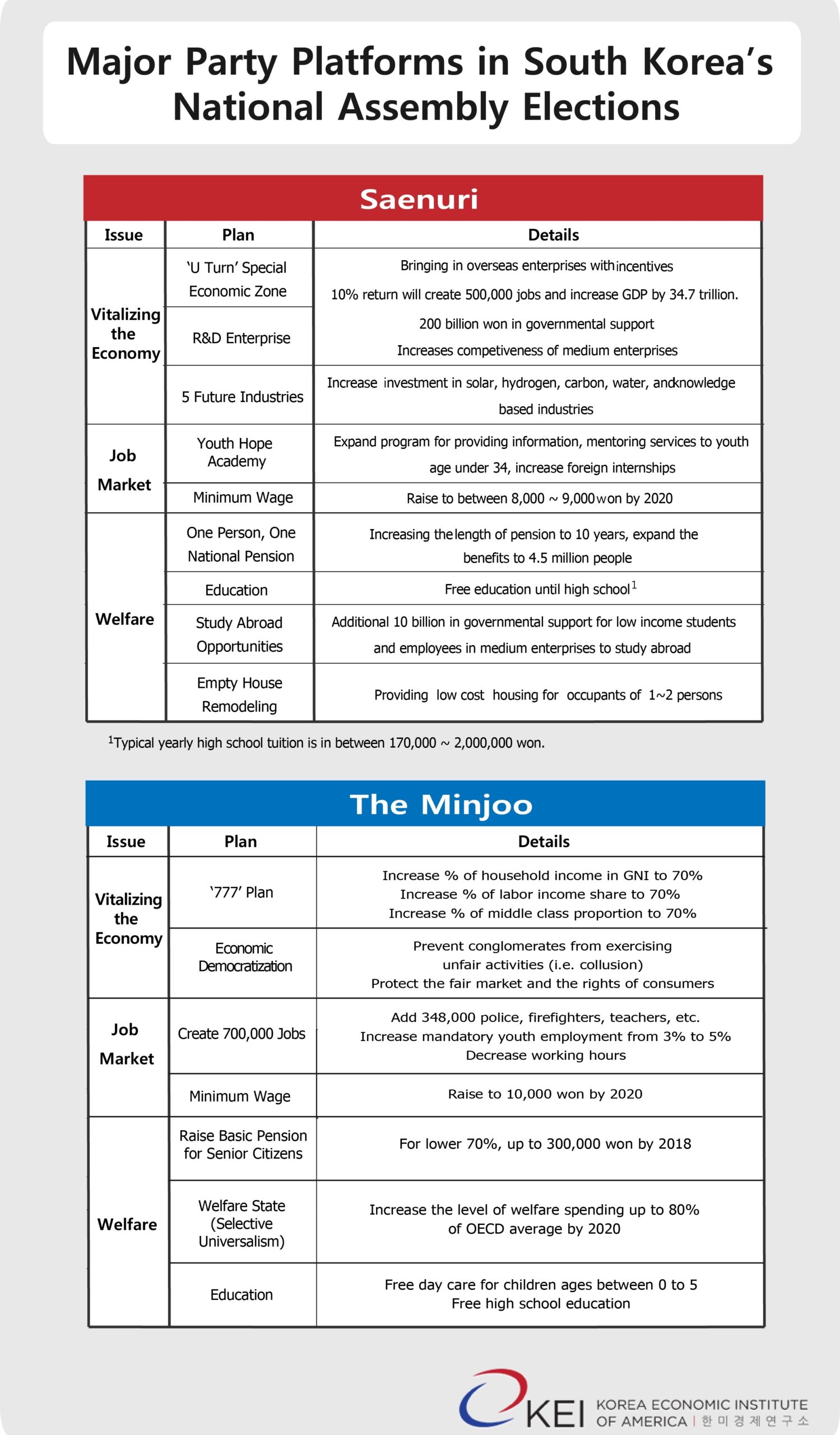
On April 13, 2016, South Korea will hold elections for the 20th National Assembly.
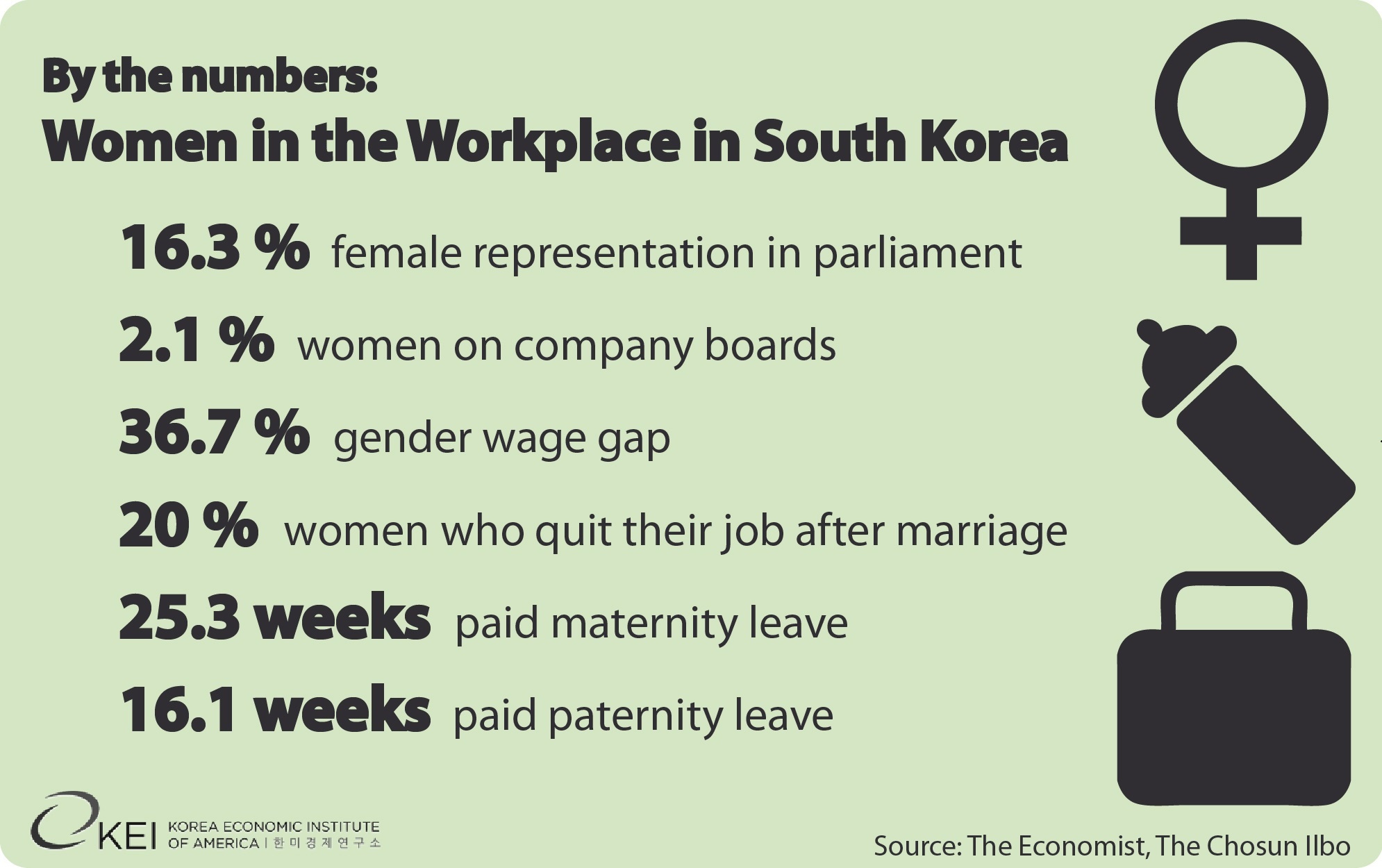
In The Economist’s recent ranking of the best and worst places to be a working woman, South Korea did not fare well. In fact, it was considered last among OECD countries.
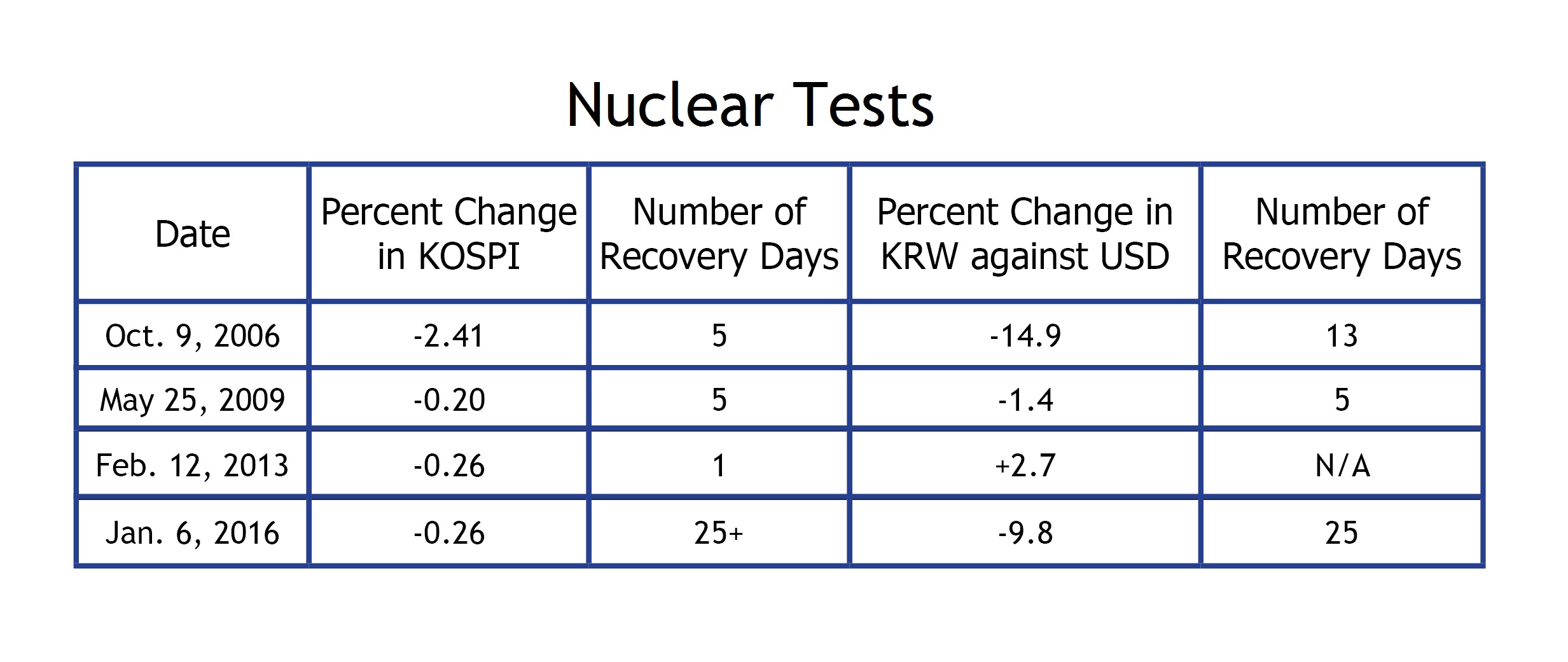
To what extent should financial losses coinciding with North Korean provocations be considered as wholly isolated from market trends or at least marginally interconnected?

With the global economy slowing as China’s economy cools, many emerging markets saw growth slow or stall, while significant drops in oil prices proved more of a drag on economic growth than expected.
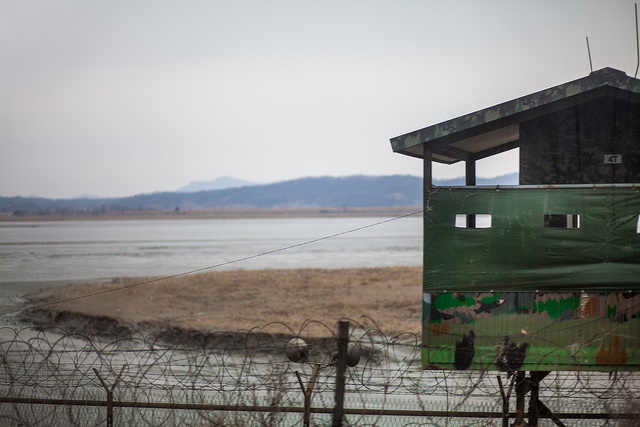
Make no mistake, South Korea’s shuttering of the Kaesong Industrial Complex (KIC) which it had operated just across the border in North Korea since 2004 is a big deal.
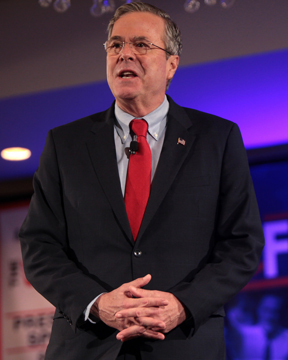
With the Iowa Caucuses approaching KEI has gathered comments by the Republican and Democratic presidential candidates on South Korea and North Korea.