The Growth of Anti-corporate Sentiment in Korea
More and more Koreans are saying that they don’t trust Korean companies.
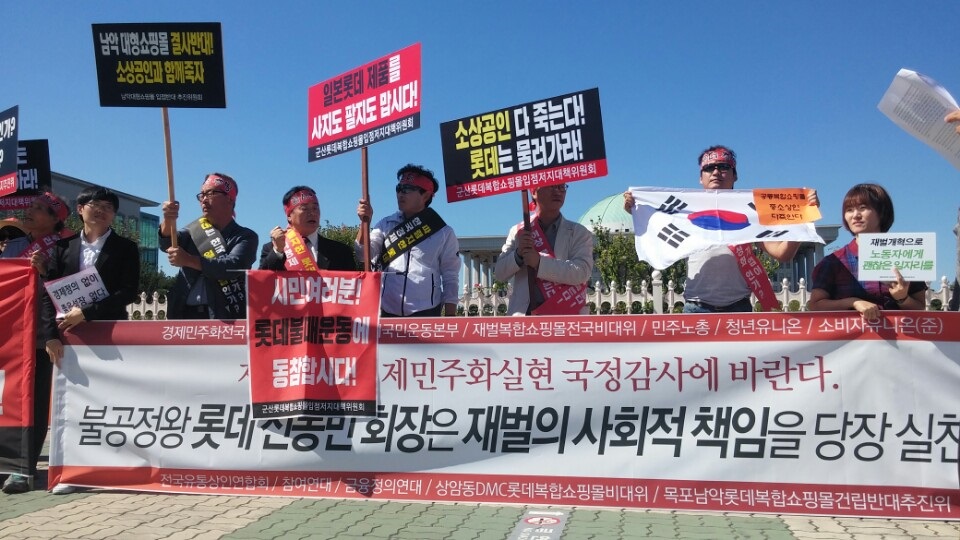
More and more Koreans are saying that they don’t trust Korean companies.
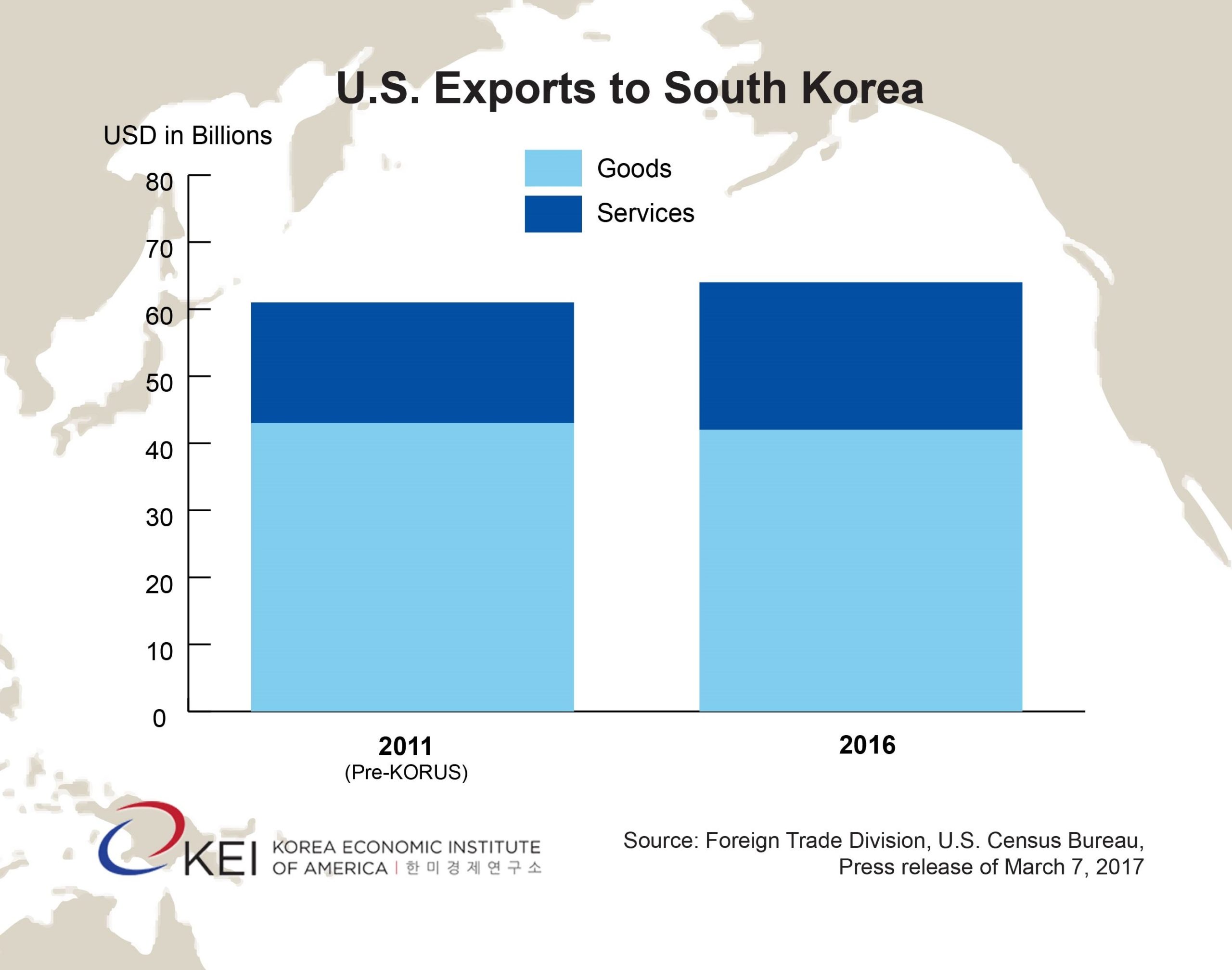
U.S. services exports to Korea hit a record level of $21.55 billion in 2016, which contributed to producing the highest trade surplus in services ($10.7 billion) for the United States in the history of U.S.-South Korea trade relations.

Last week, the Office of the U.S. Trade Representative (USTR) released the President’s National Trade Policy Agenda for 2017.
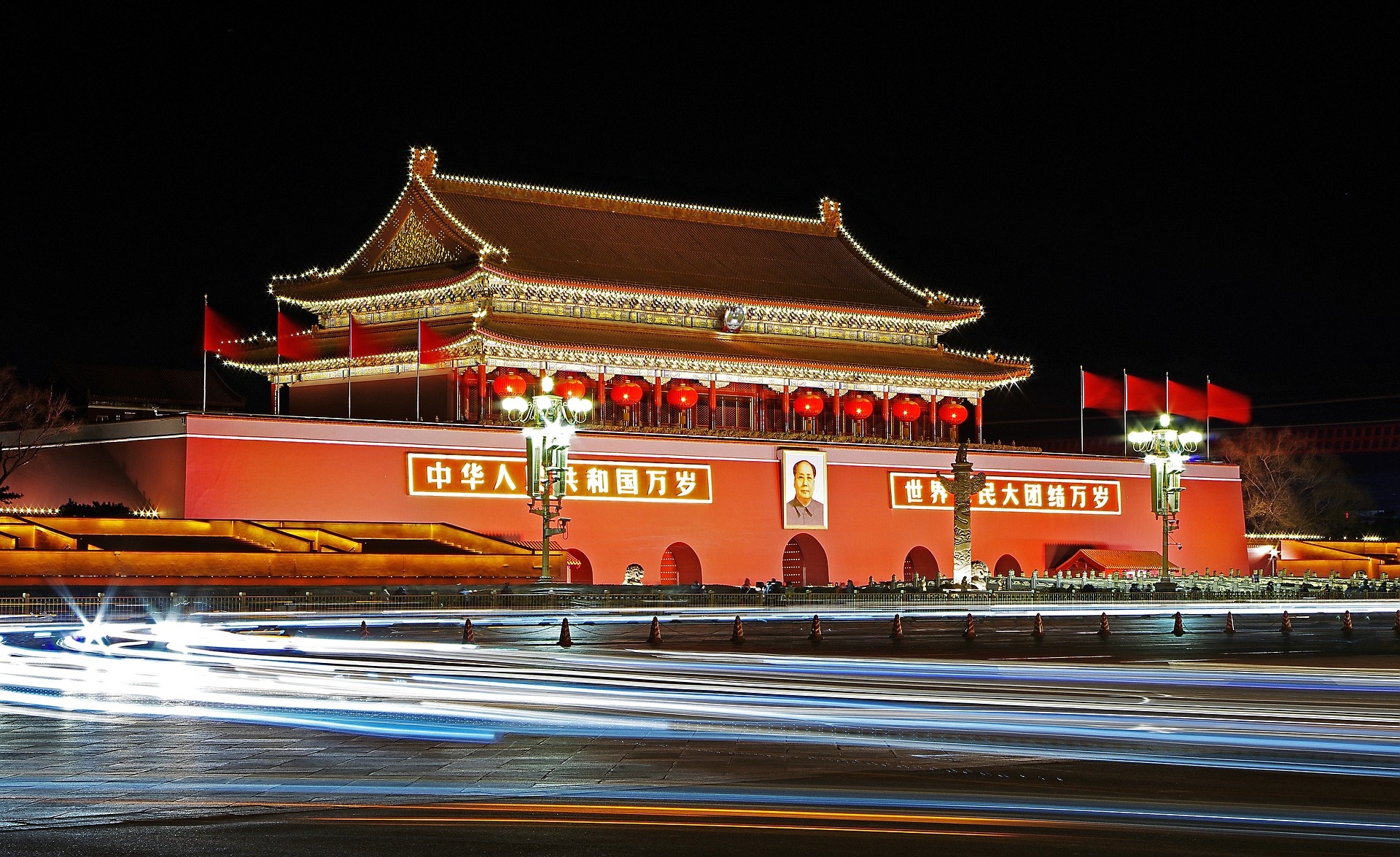
Beijing’s Commerce Ministry surprised everyone on Friday, announcing a halt to imports of any coal from North Korea in 2017.

With the arrest of Lee Jae-yong on charges of bribery, embezzlement, perjury, and the illegal transfer of funds abroad, Samsung faces a period of uncertainty at a critical time for South Korea’s leading chaebol.
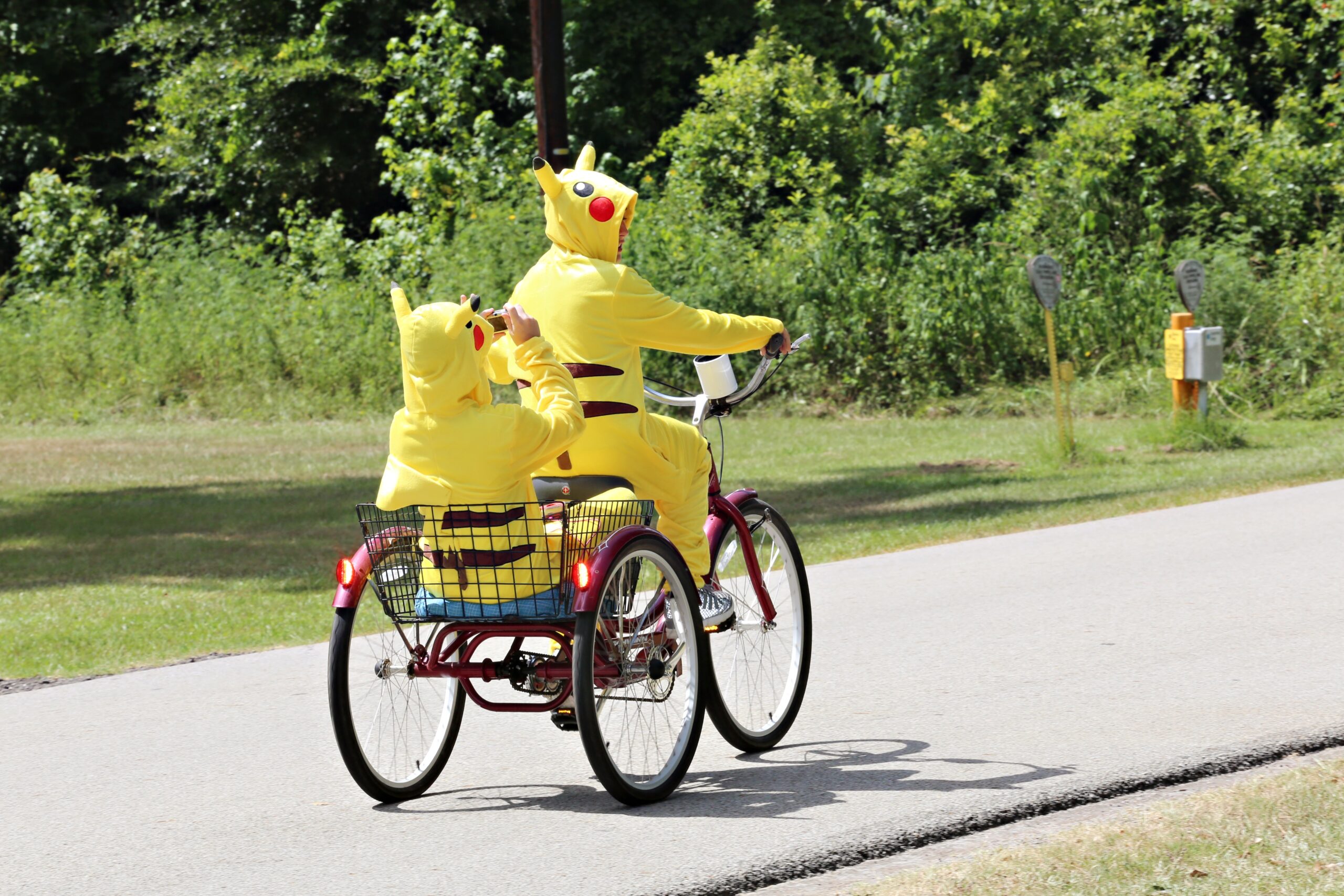
While Niantic Labs launched Pokémon Go in many countries in North America and Europe, it did not fully launch in South Korea until January 23, 2017, despite the popularity of gaming there.

Recently, the number of claw machines around downtown Seoul have greatly increased, especially in busy nightlife areas such as Sinchon, Hongdae and Gangnam.
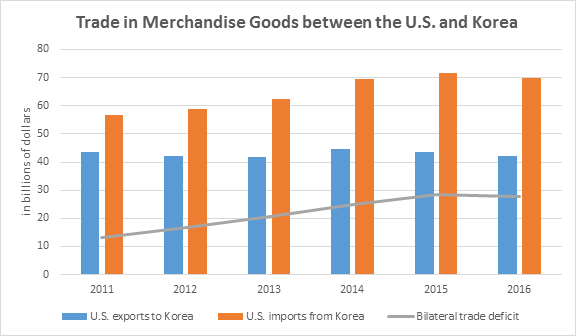
While the overall U.S. trade deficit in merchandise goods with the world increased by $1.9 billion or 0.4 percent, the bilateral trade deficit between the U.S. and South Korea declined by $647 million or 2.3 percent.

As the Choi Soon-sil scandal has unfolded over the past several months the Korean public’s dissatisfaction with major Korean conglomerates known as chaebols has become second only to Park Geun-hye herself.
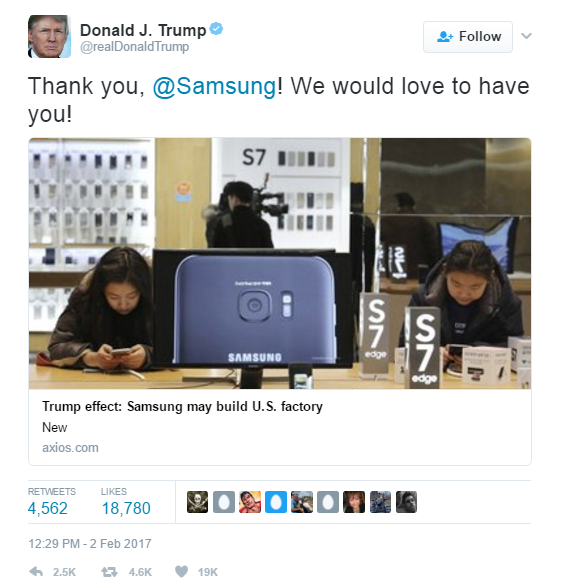
“Thank you, @Samsung! We would love to have you!” Donald Trump wrote on his personal Twitter account, linking to a story about a possible plan for the tech company to build a factory for home appliances in the United States.