A Conversation with Pachinko Author Min Jin Lee
KEI’s Jenna Gibson interviews acclaimed author Min Jin Lee about her novel Pachinko on the life of a Korean family living in Japan.

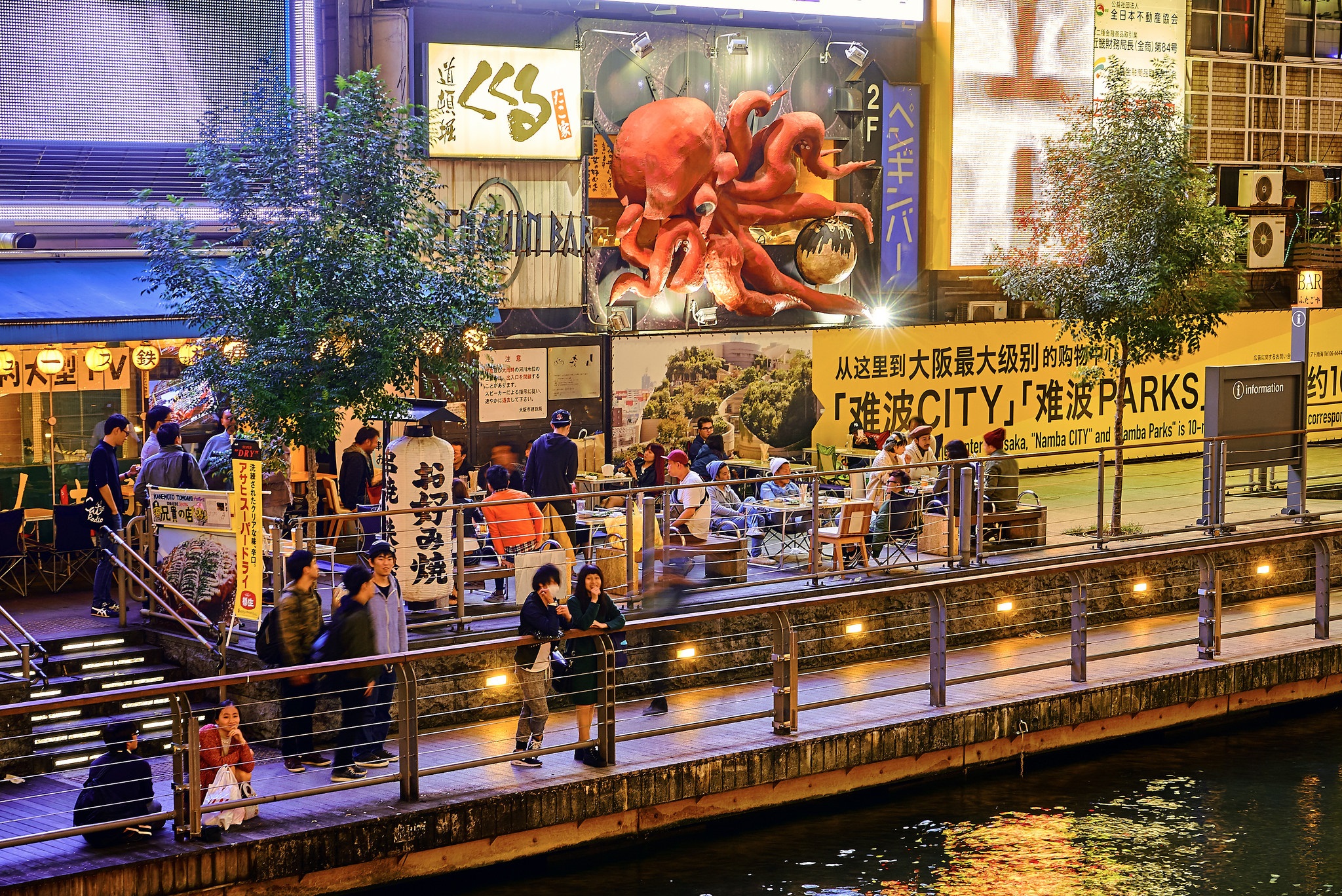
KEI’s Jenna Gibson interviews acclaimed author Min Jin Lee about her novel Pachinko on the life of a Korean family living in Japan.
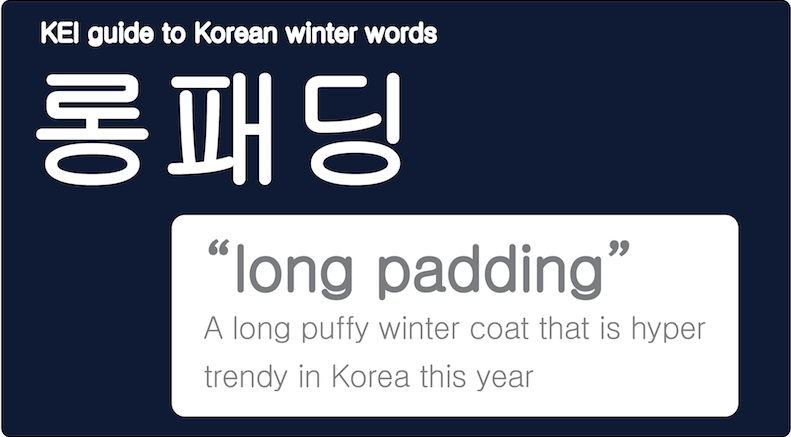
With a cold snap freezing South Korea this week, we collected a list of 10 useful winter-related Korean words that could help you get through the season.

While Hallyu may have worked in markets that are geographically near South Korea, for many years it had not received as much enthusiasm in the U.S. market.
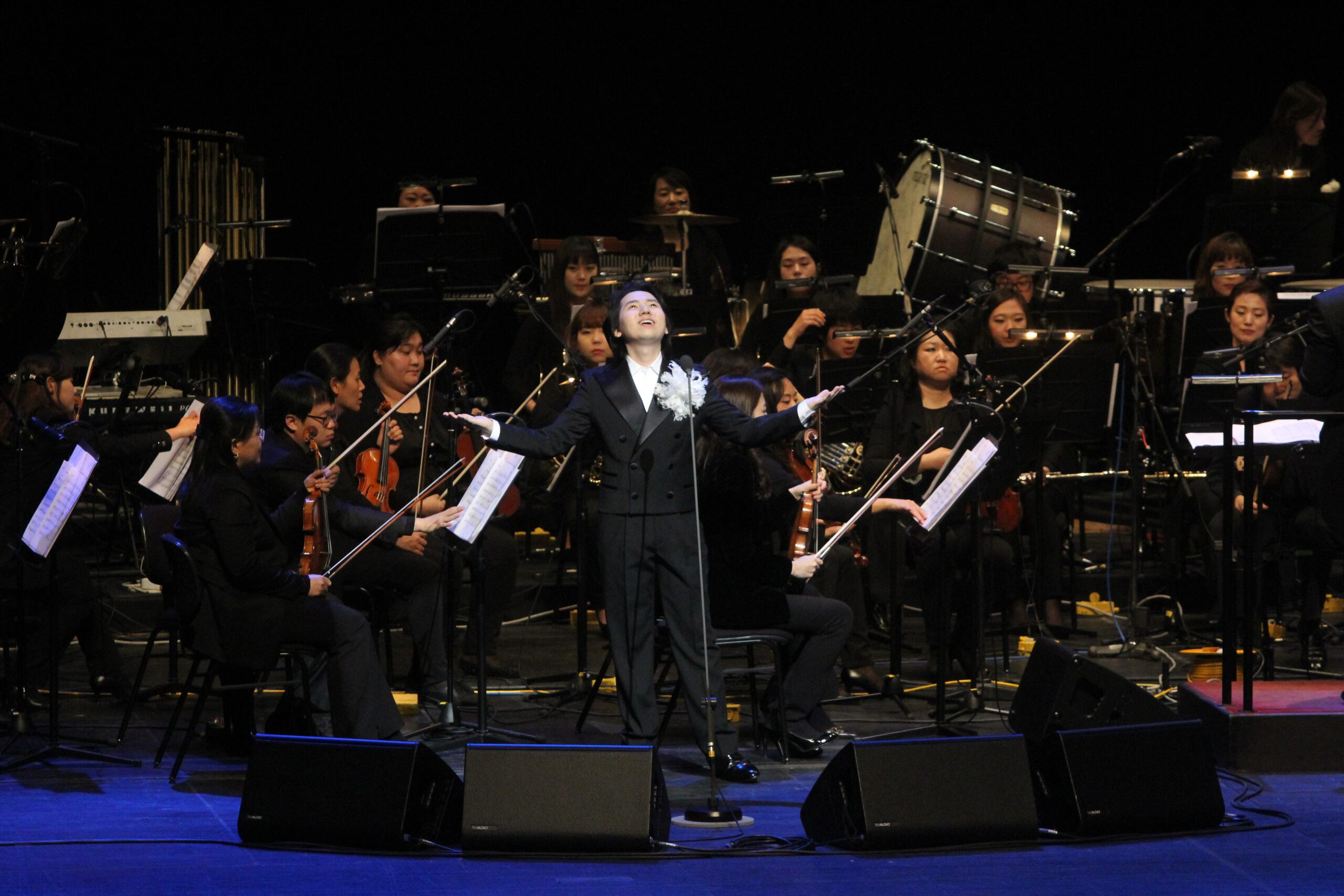
Classical music is a dying art that is shrinking partly due to the lack of entrepreneurial innovation. This trend is especially evident in South Korea.
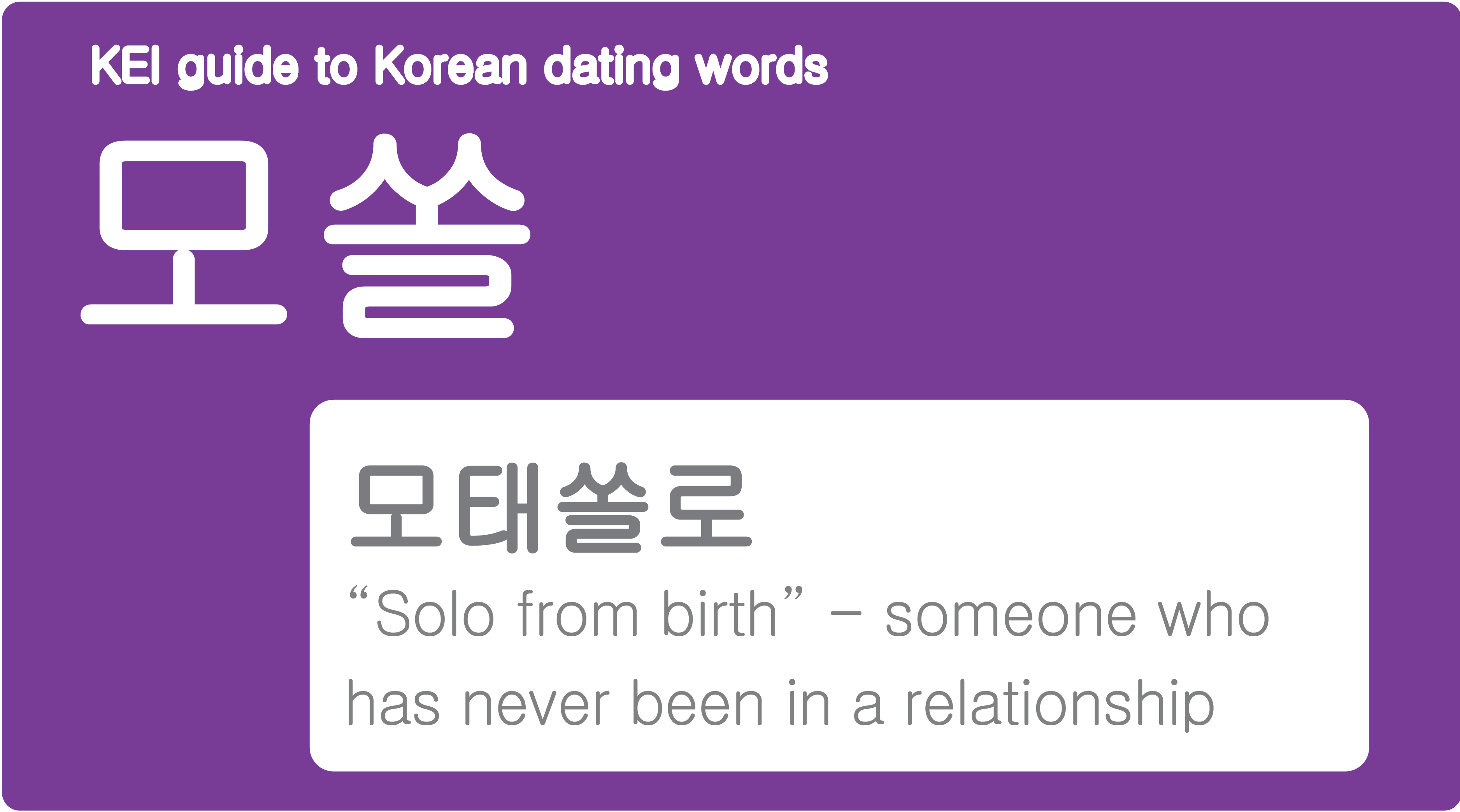
If you’ve ever been in Korea around Valentine’s Day (or Peppero Day, or Christmas), you know that Korean dating culture is no joke. To help you navigate the world of relationships in Korea, we’ve compiled a list of 10 useful Korean words to describe different aspects of dating and relationships.
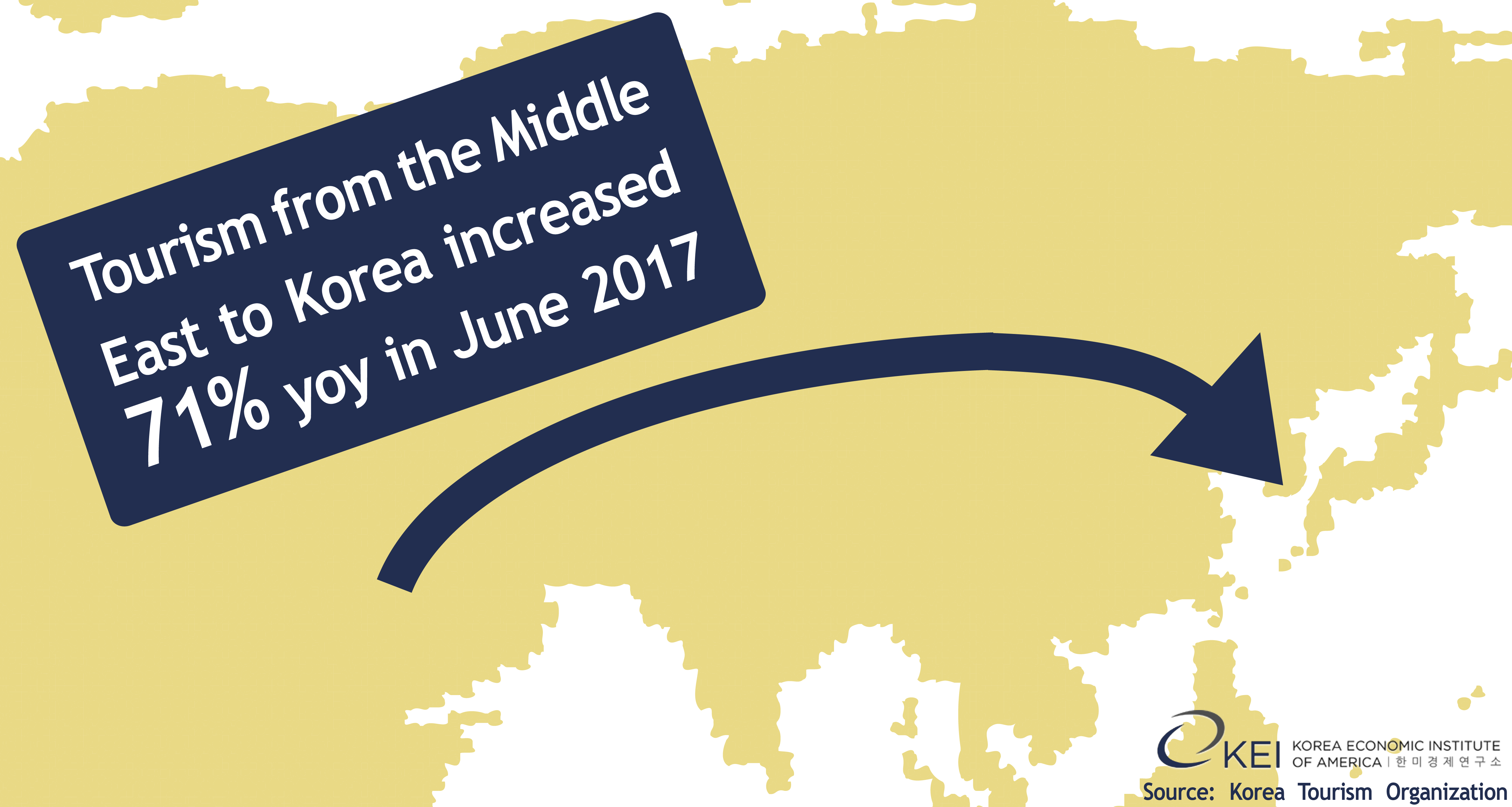
As several KEI analyses have shown, South Korea’s tourism industry has been one of the main casualties of China’s economic retaliation over deployment of the THAAD missile defense system.
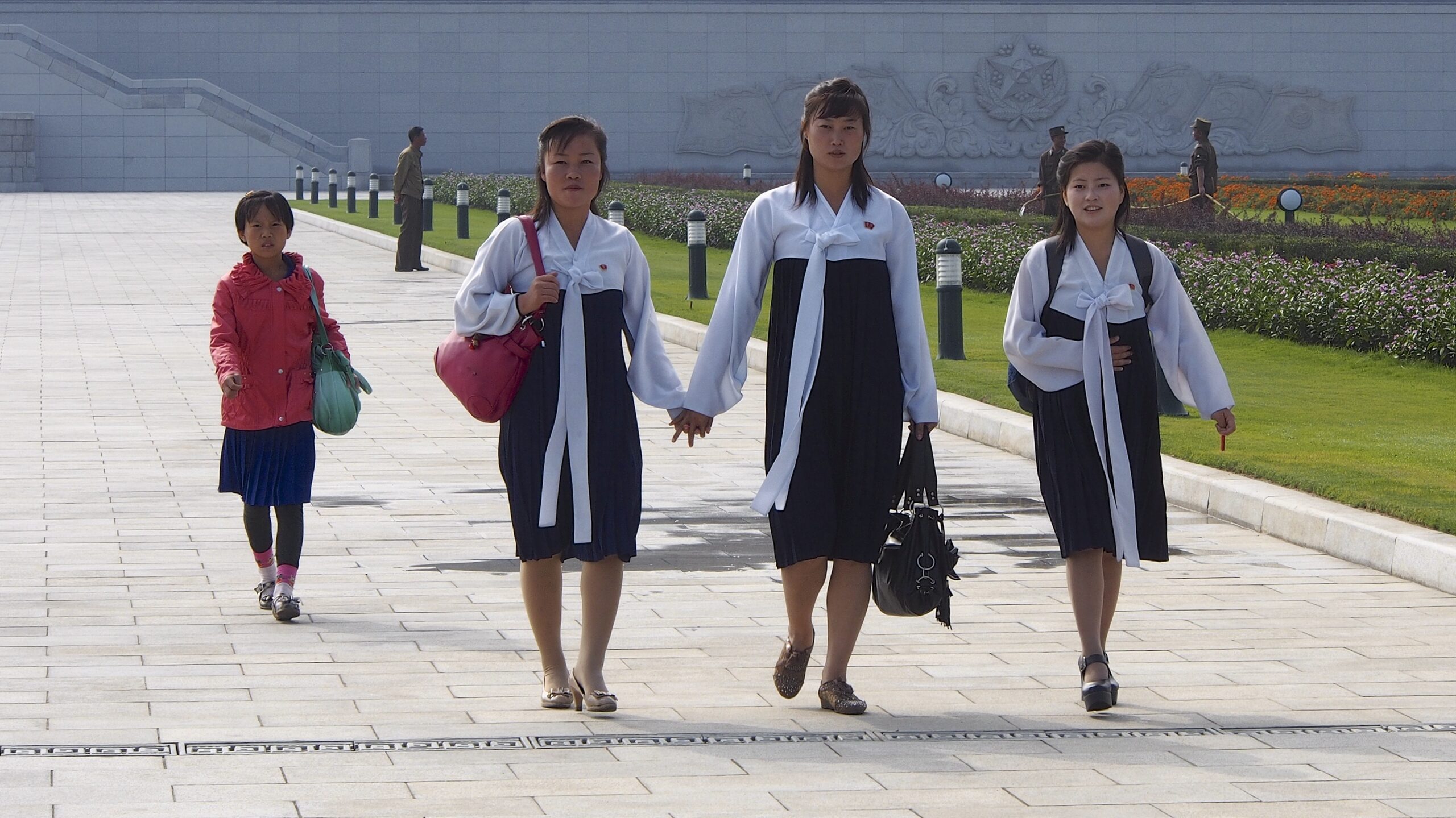
The following five documentaries provide insight into the lives of North Koreans and the challenges faced by those who try to escape.

Historically, local documentaries have not been that popular in South Korea – the first widely successful documentary in the country was 2008’s “Old Partner,” which shattered domestic records just by attracting 100,000 viewers in the first few weeks after its release. Since then, more independent films have begun to crop up, telling real-life stories about different aspects of Korea. The five films below represent some of those stories.

If the mere thought of Valentine’s Day is more headache-inducing than swoon-worthy, you could consider the wider array of South Korea’s romantically themed holidays.
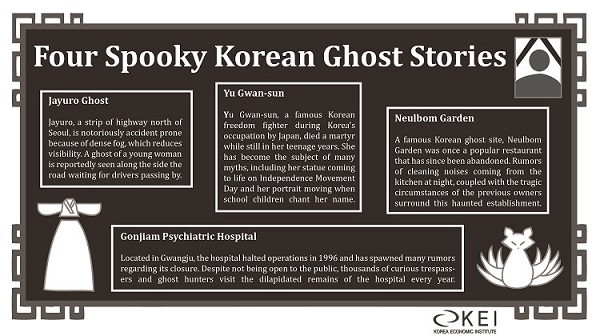
Halloween as we know it in the United States is still not widely celebrated in South Korea. Trick or treating is limited to kindergarten parties and English hagwons, and you’re unlikely to see many jack-o-lanterns or skeletons decorating peoples’ homes.