Could the PyeongChang Winter Games Help China to Signal a Softening Position on THAAD Sanctions?
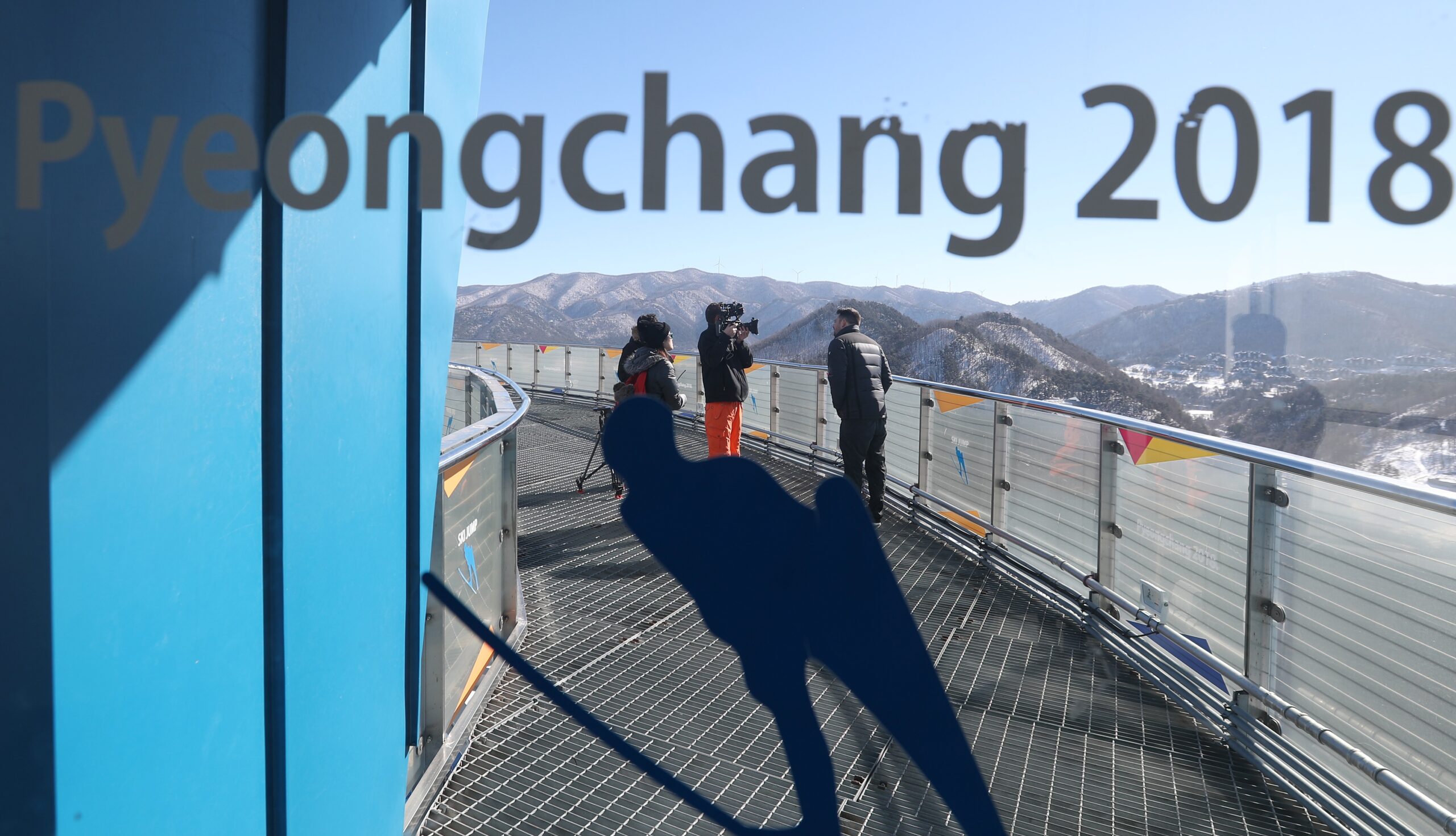
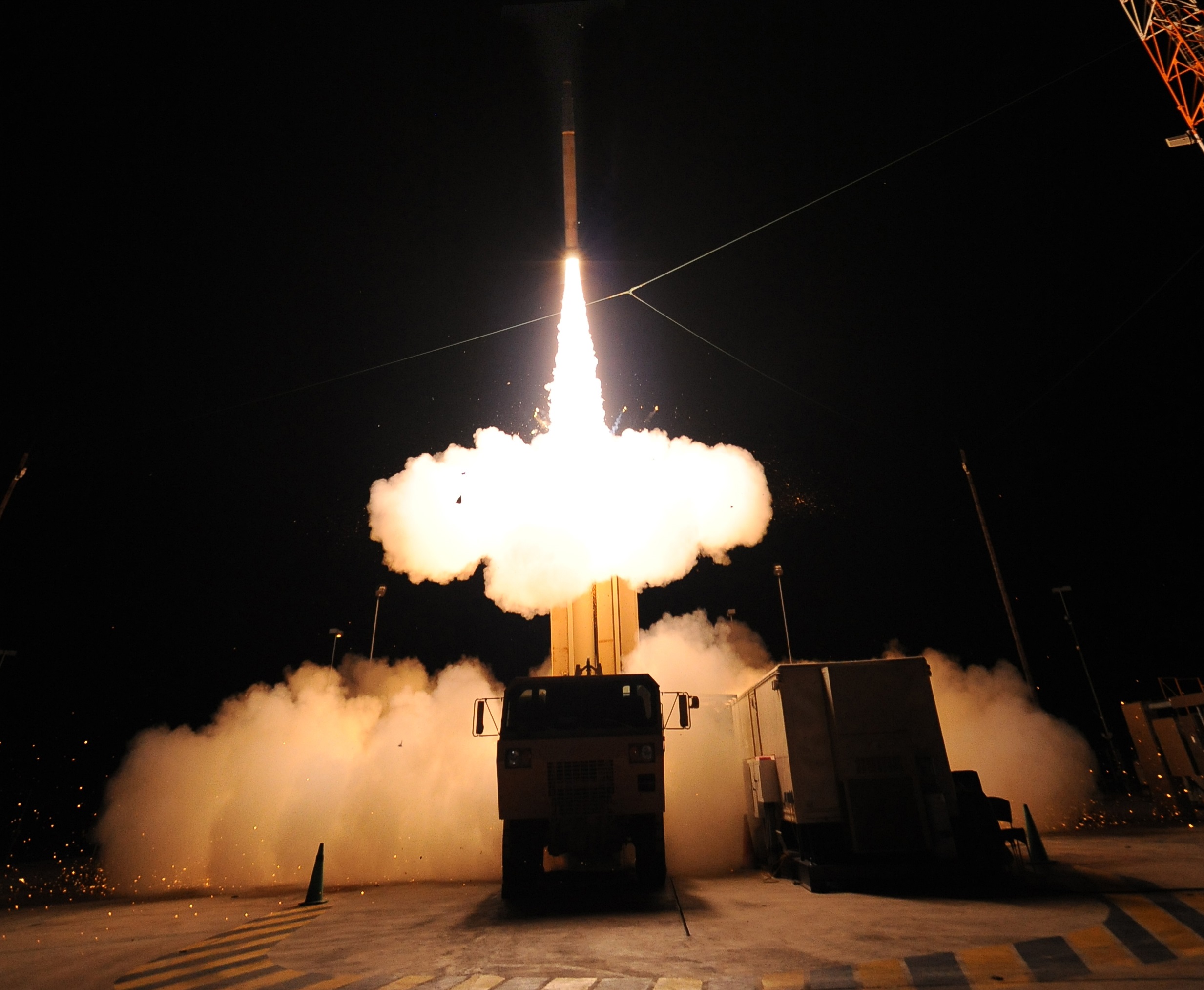
The 2018 Winter Olympics in Pyeongchang could provide an avenue for China to signal a softening of its position on sanctions over THAAD.
As the industry shifts toward electric vehicles, South Korea will need to consider the current state of the market for electric vehicles in South Korea.
The easy temptation in the aftermath of the latest UN sanctions would be to simply view the most recent test as North Korea expressing its displeasure at additional economic pressure.
While this may have been the best that could be achieved at the United Nations, it is disappointing that China and Russia would not support more robust sanctions against North Korea.
Now that North Korea has defied warnings from the international community not to conduct a sixth nuclear test, including from its friends China and Russia, the challenge is, how to respond?
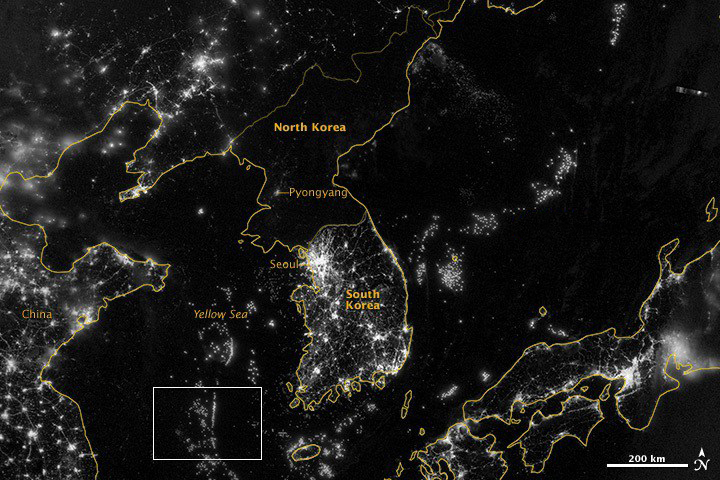
If the United States conducted a preventative attack on North Korea, how might North Korea respond and what might a potential conflict look like?
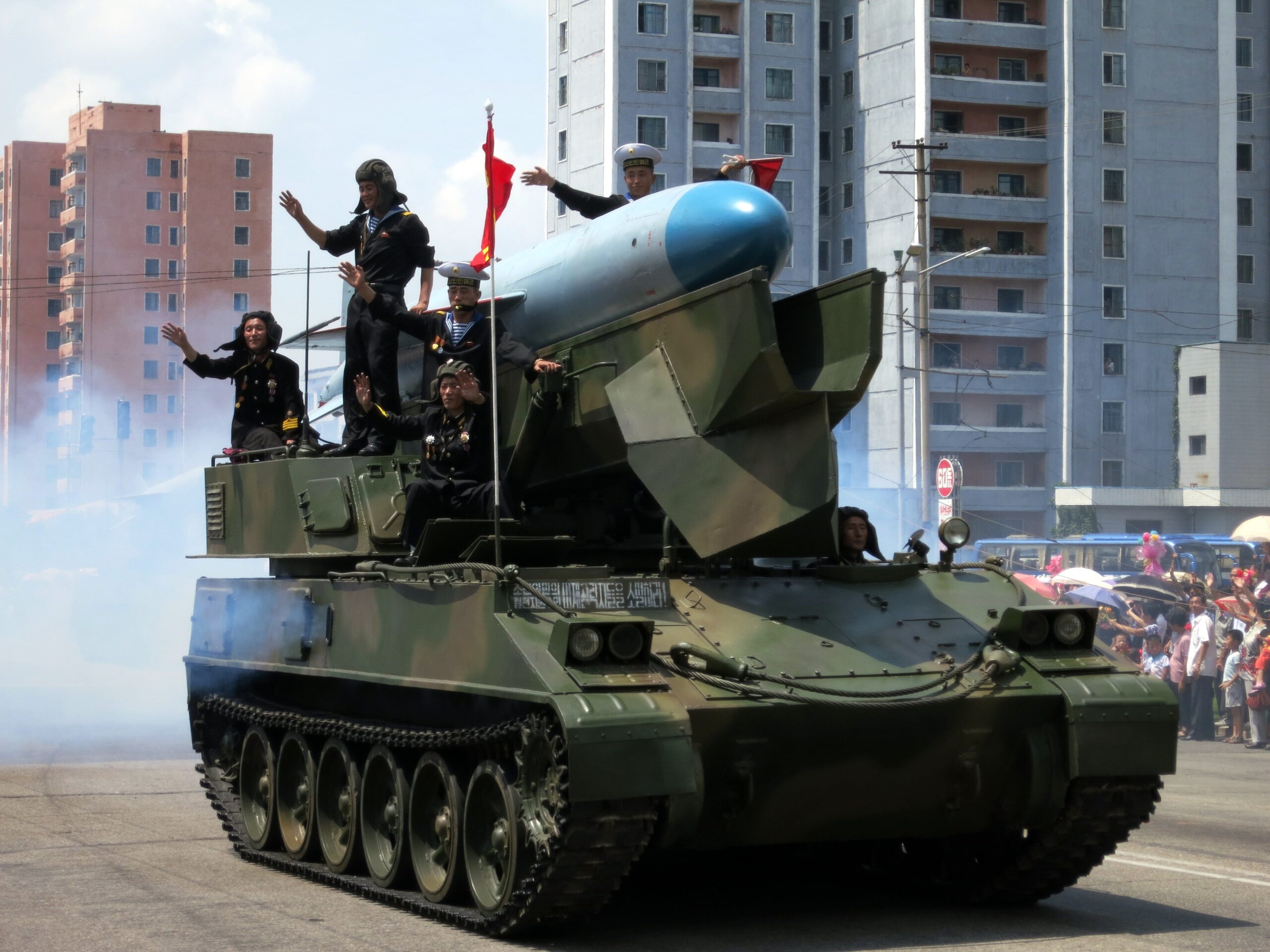
There are three aspects of North Korea’s August 28th missile launch over Japan that qualify it as “unprecedented” among Pyongyang’s recent tests.
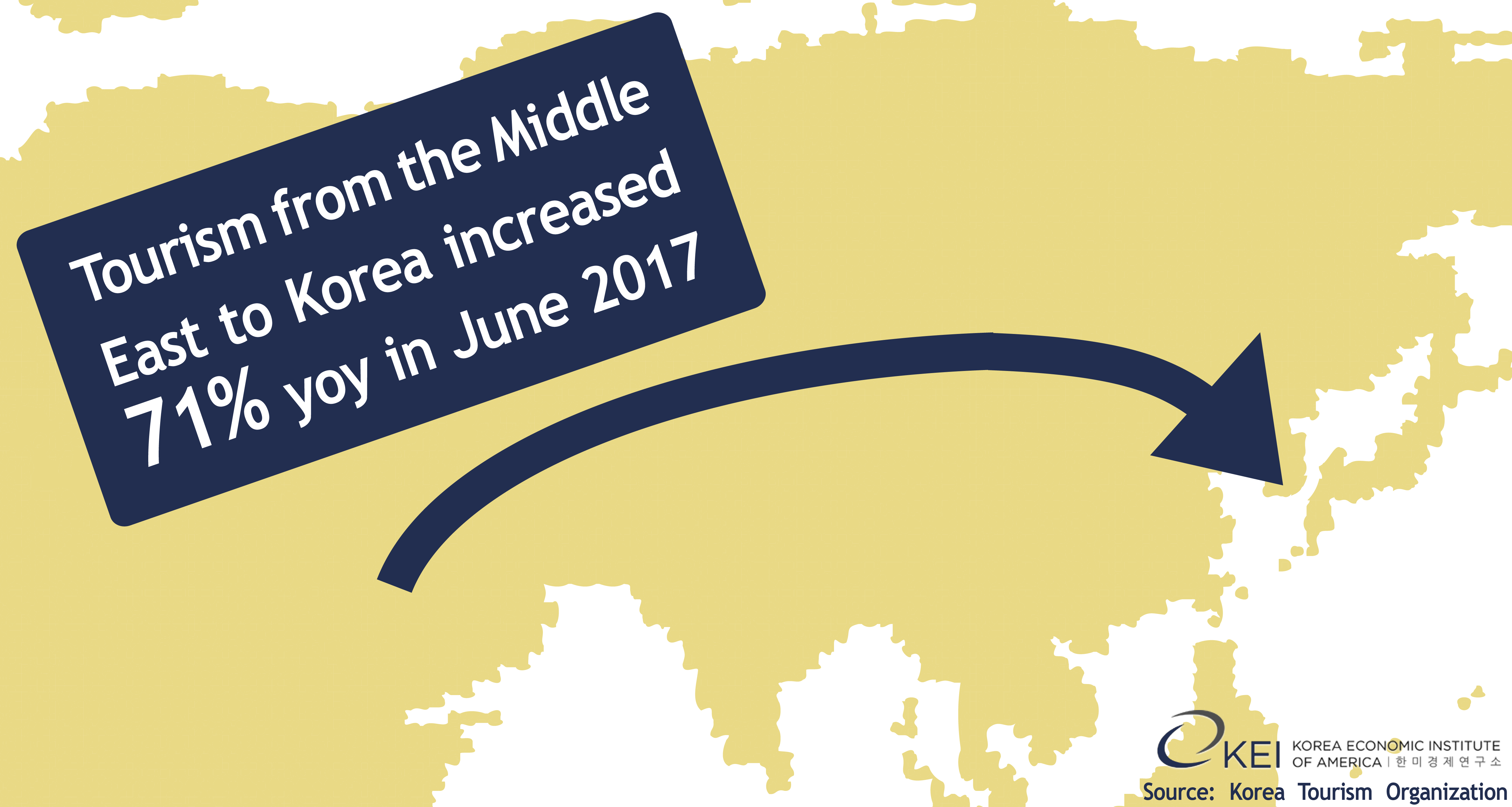
As several KEI analyses have shown, South Korea’s tourism industry has been one of the main casualties of China’s economic retaliation over deployment of the THAAD missile defense system.
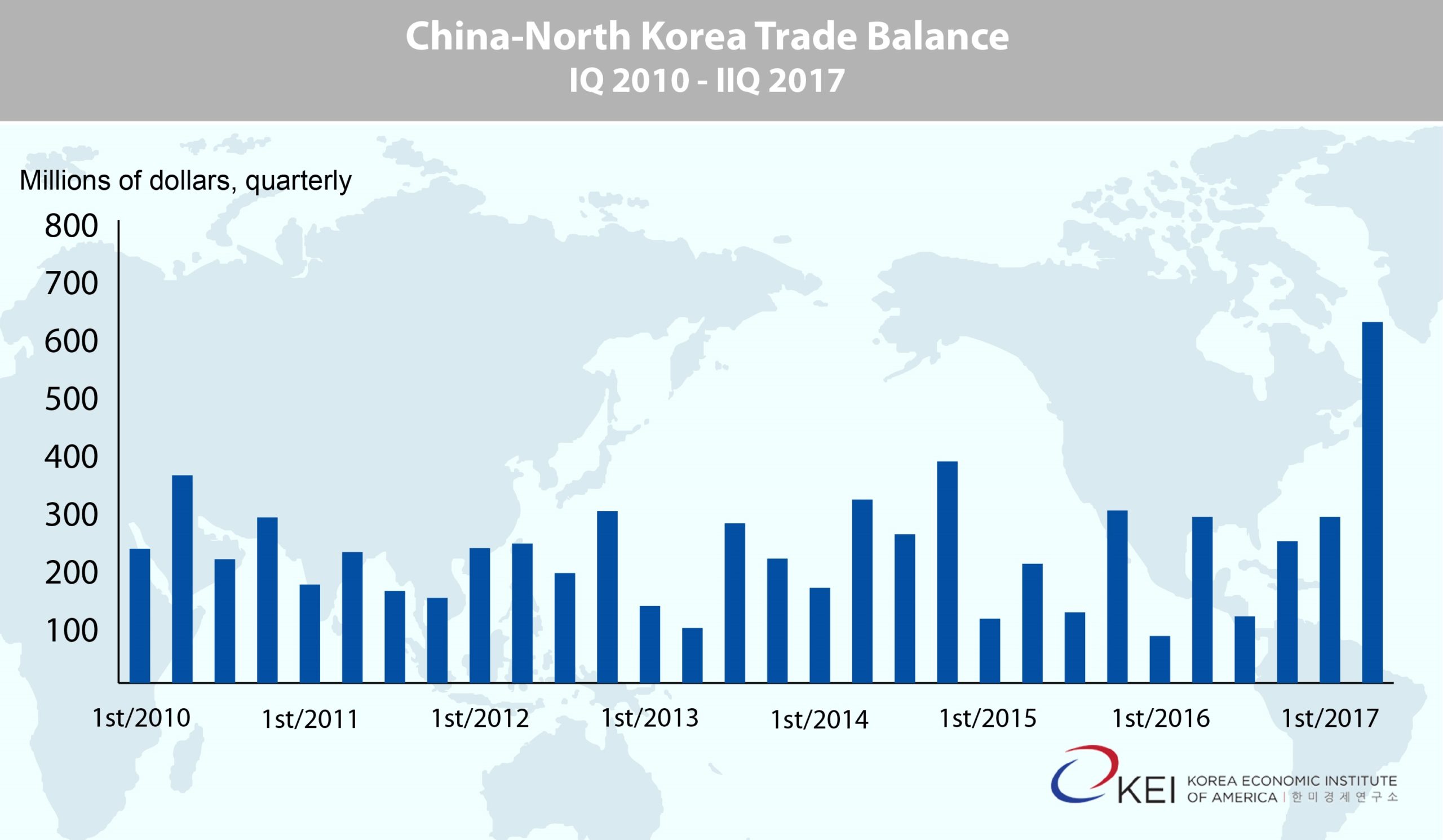
ICBMs are not the only things soaring in North Korean skies. Comprehensive second quarter data released by China Customs last week shows a huge jump in North Korea’s trade deficit with China.
Last week, the House of Representatives and the Senate overwhelming passed and sent to President Trump’s desk a new sanctions bill for his expected signature.