China Cuts Off Imports of North Korean Coal: Economic Impacts Depend on Pyongyang’s Reaction
Beijing’s Commerce Ministry surprised everyone on Friday, announcing a halt to imports of any coal from North Korea in 2017.

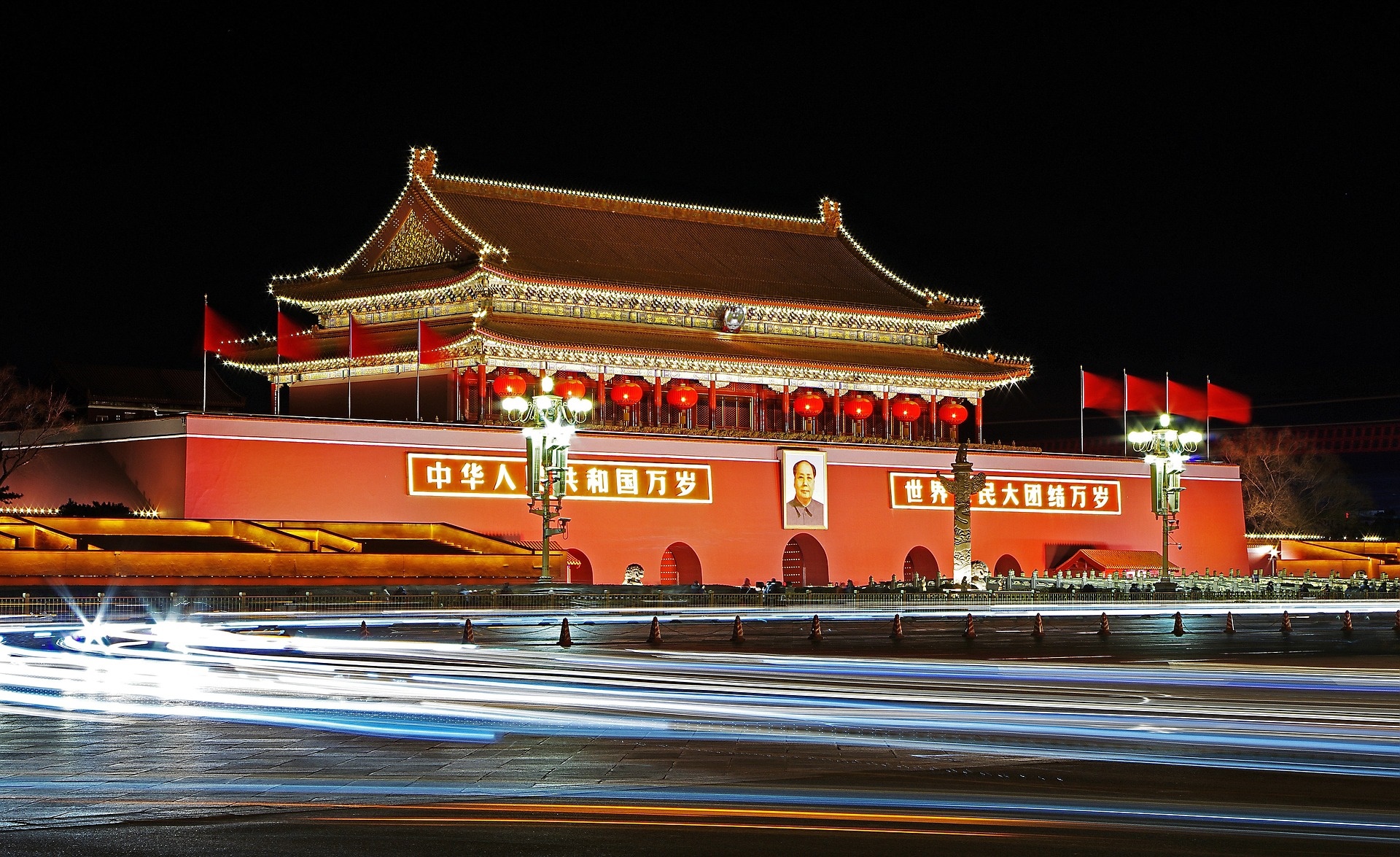
Beijing’s Commerce Ministry surprised everyone on Friday, announcing a halt to imports of any coal from North Korea in 2017.

With China having substantially surpassed the caps set for imports of coal from North Korea, how should the United States and the United Nations respond?
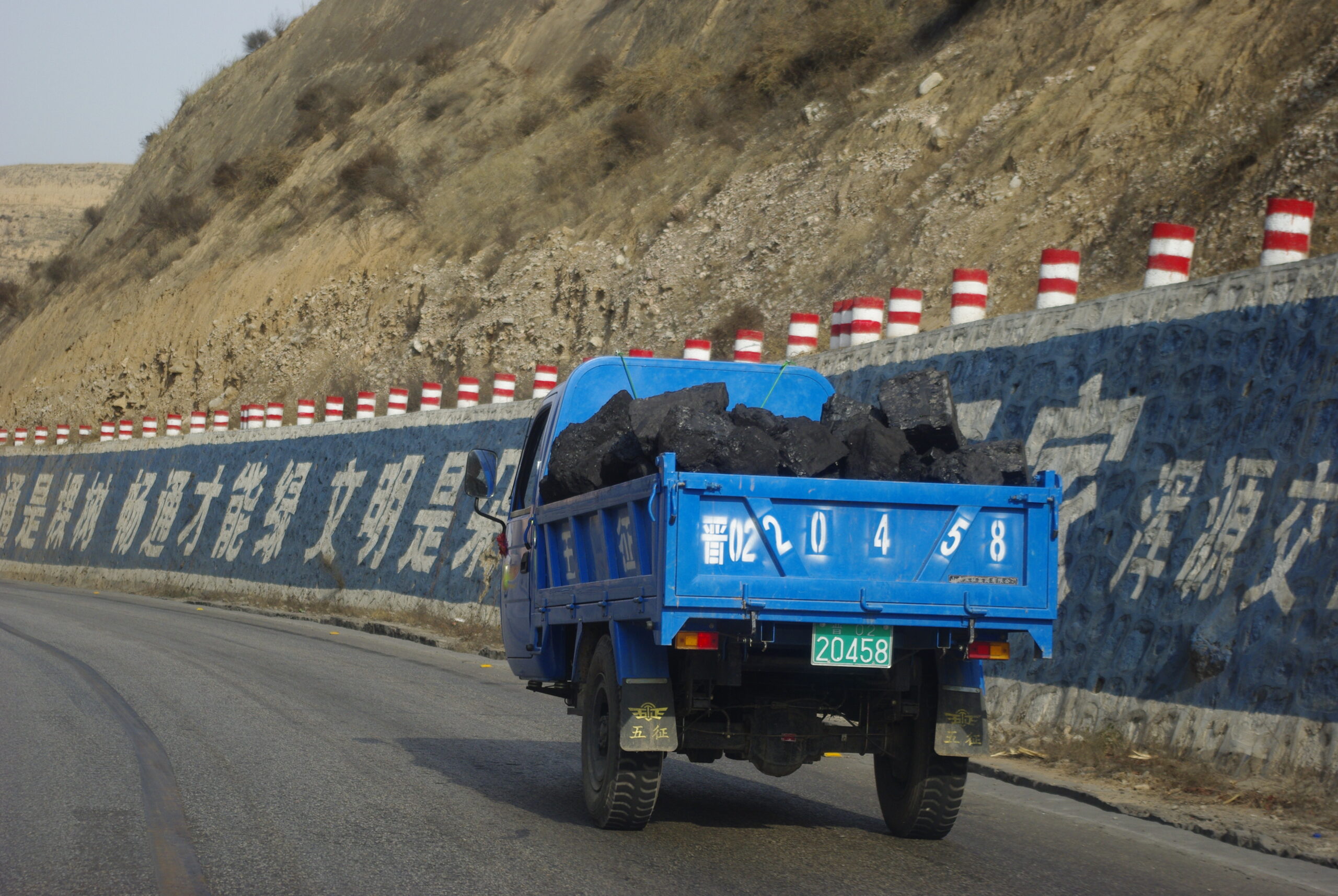
Chinese Customs reported yesterday that imports of North Korean anthracite surged in December, despite late November UN Security Council sanctions that are supposed to sharply limit North Korea’s coal exports, its biggest foreign exchange earner.
If the Trump administration were to consider a significant overhaul of U.S. policy on North Korea, here are 16 issues the incoming administration should consider in developing a new policy.
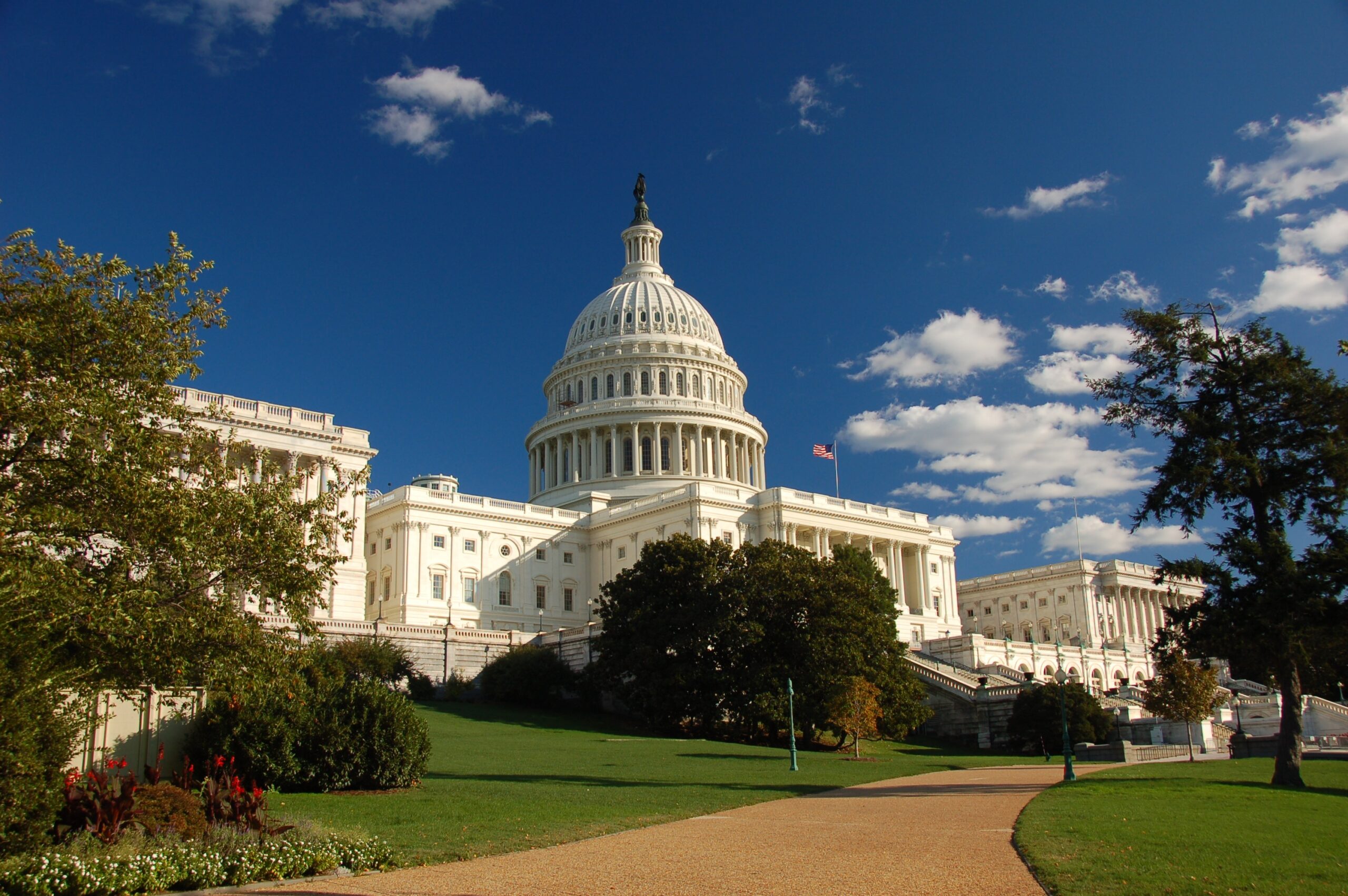
The issue of trade was raised to a top-tier issue during the election and the hearings will help provide insight into the future direction of policy.
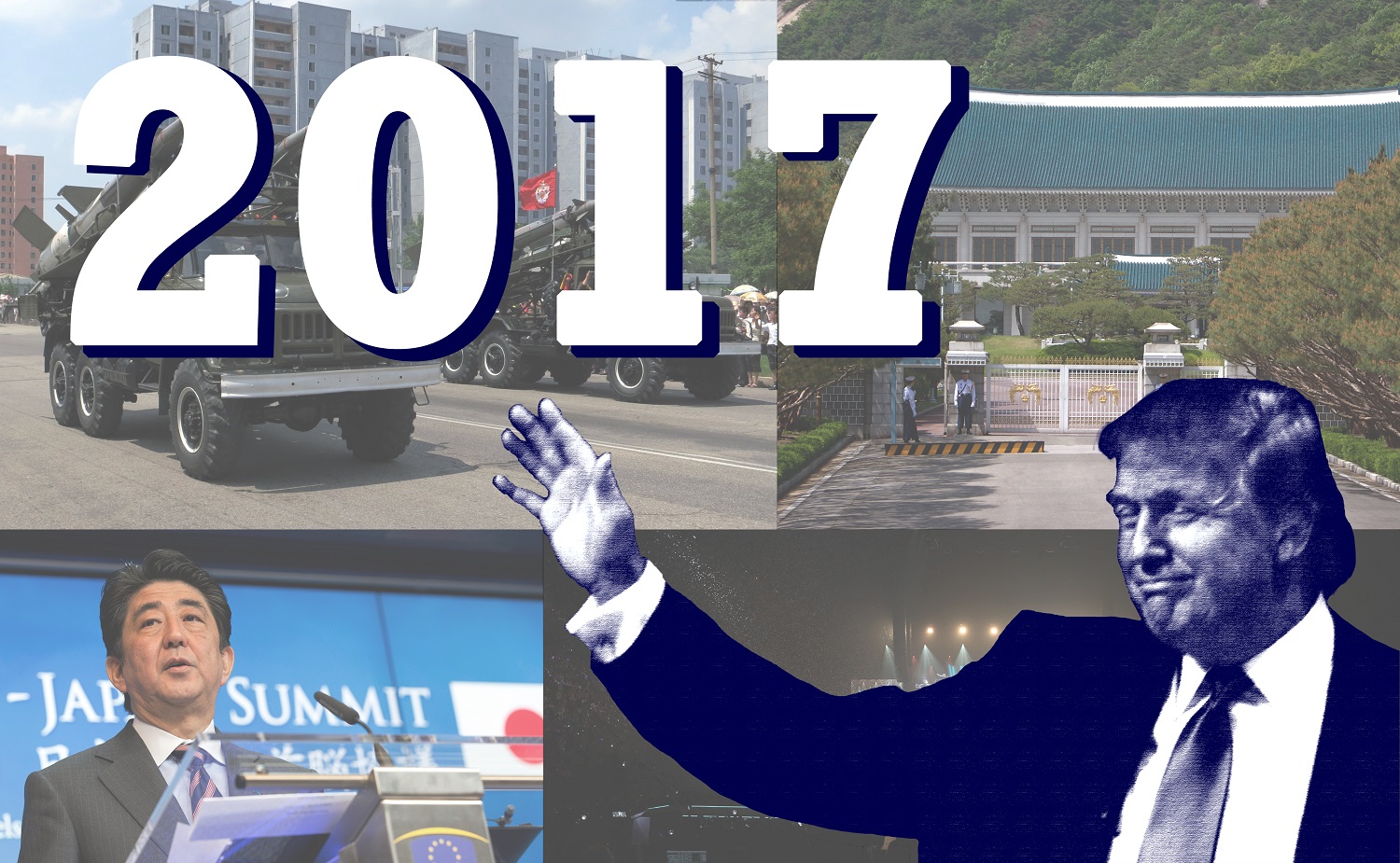
Our annual look at the events that will shape the Korean peninsula in the coming year.
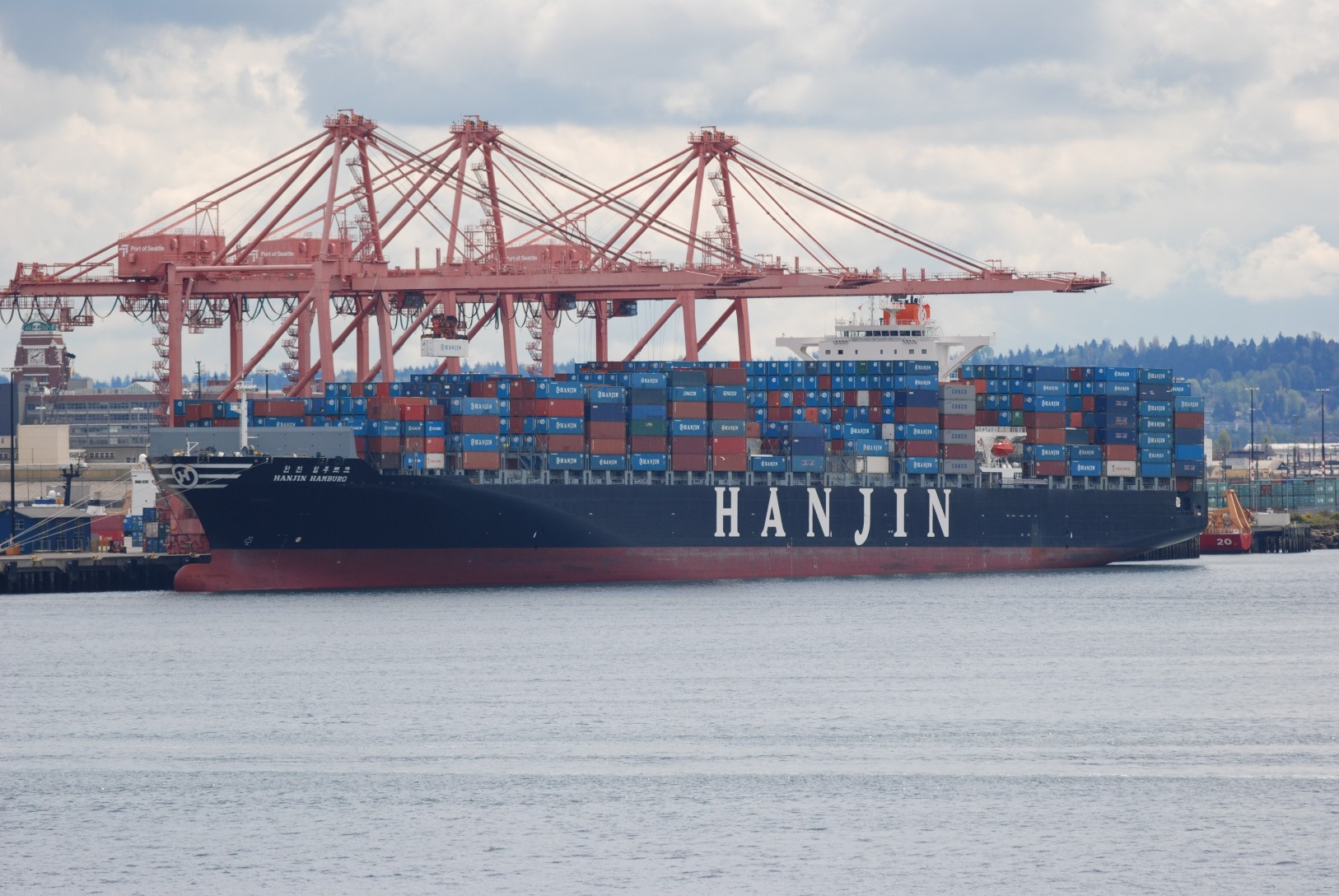
After the U.S. presidential election, many experts were concerned about the policies of the new U.S. administration and how they might affect East Asia and the Korean economy in particular.
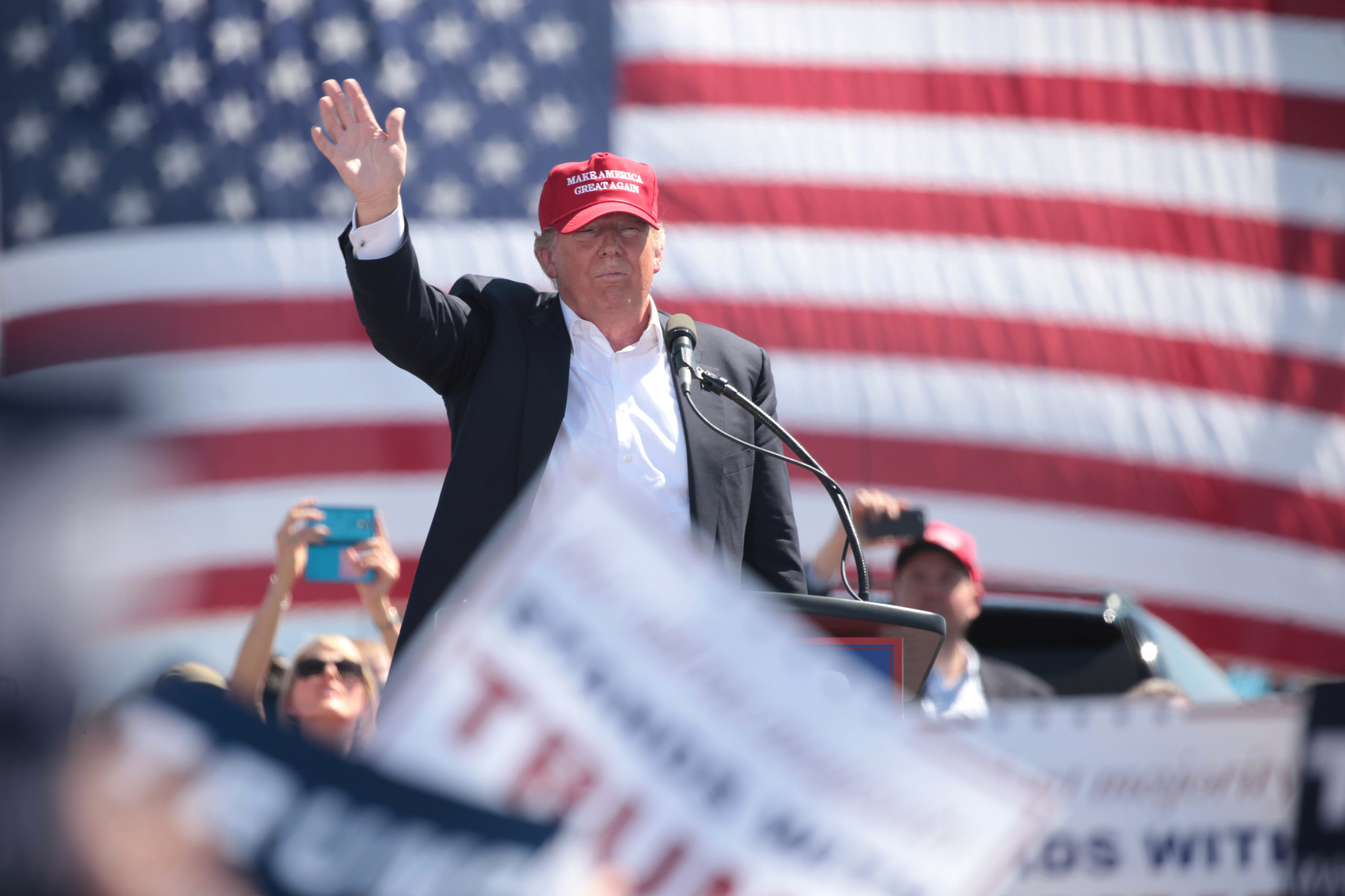
Whether it was the British vote to leave the European Union in June or the impeachment of the South Korean President Park Geun-hye in December, 2016 will be remembered for a series of unexpected events and the questions they have raised about how they may shape the future.
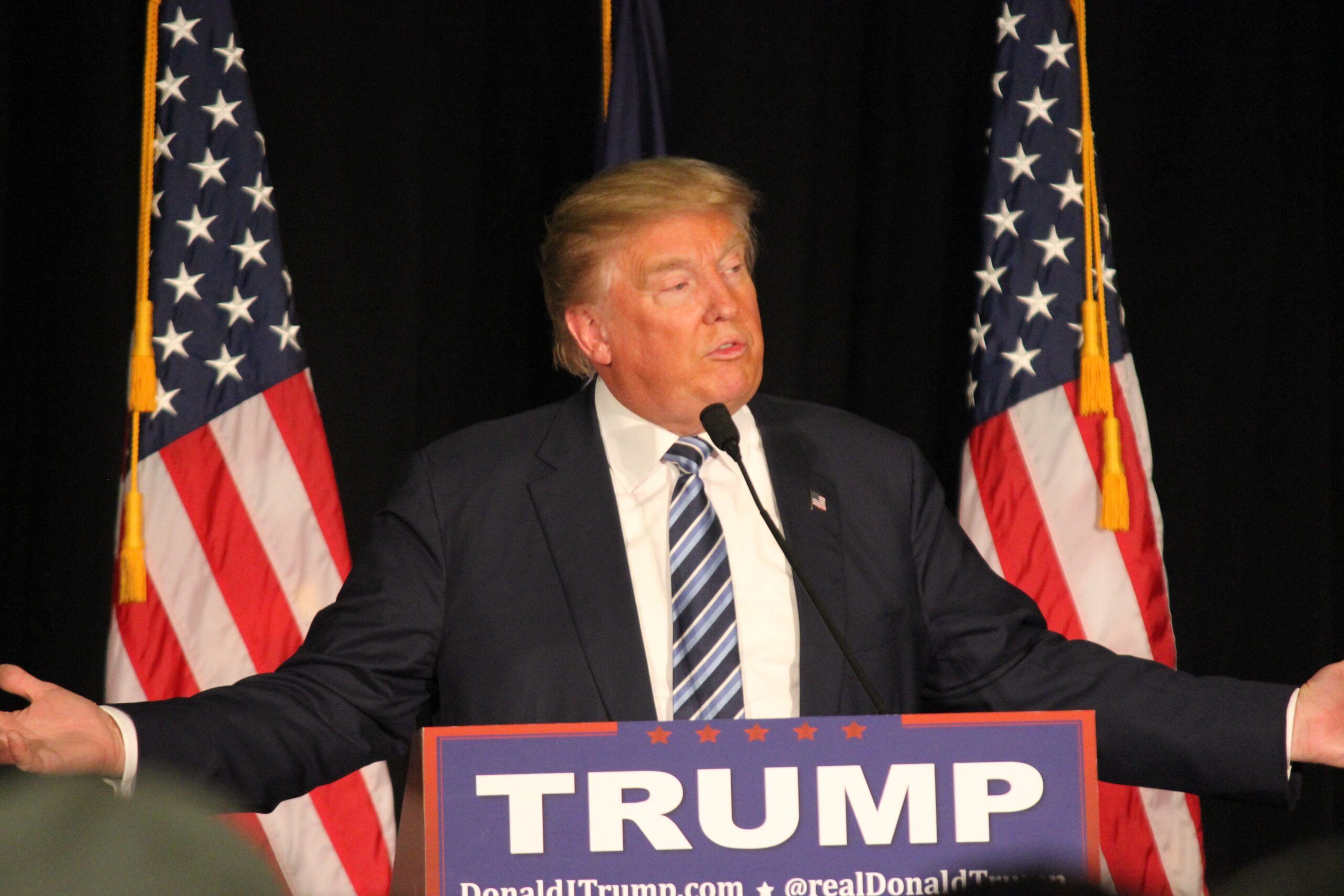
As it begins to sink in that the next U.S. president will be Donald Trump, one question that will be on the mind of those in Northeast Asia is what will Donald Trump’s North Korea policy look like?
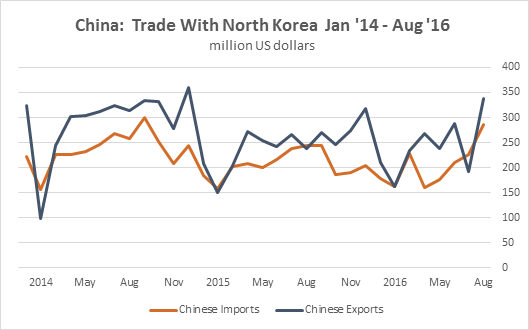
Any hopes that last spring’s “toughest ever” UN Security Council sanctions would cripple North Korea’s economy are likely to be dashed by recently released Chinese customs data.