China Tightens the Pressure as U.S. and South Korea Strike Trade Deal
The regulatory risk and discrimination against foreign firms in China make the United States a relatively safer destination for Korean investment.

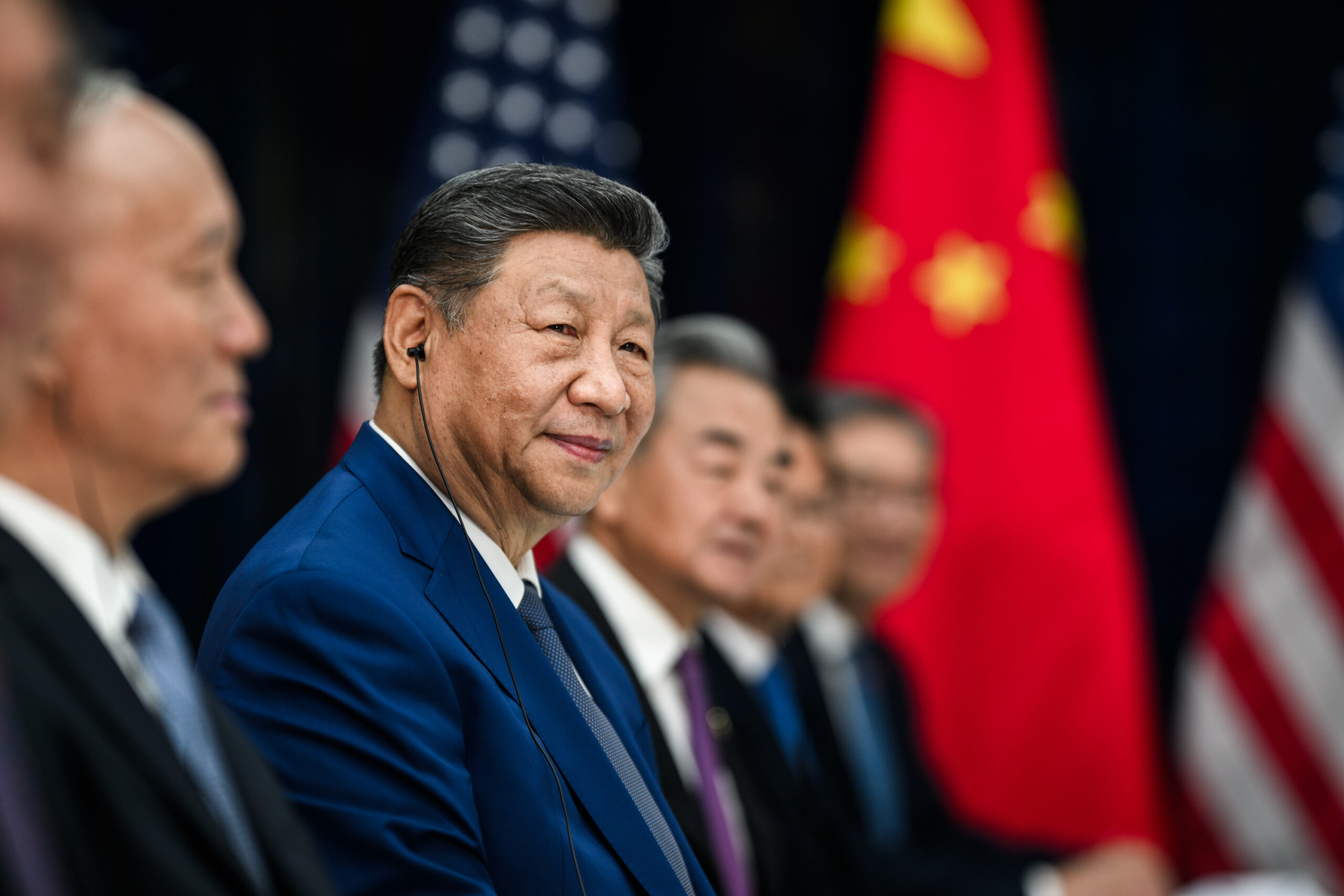
The regulatory risk and discrimination against foreign firms in China make the United States a relatively safer destination for Korean investment.
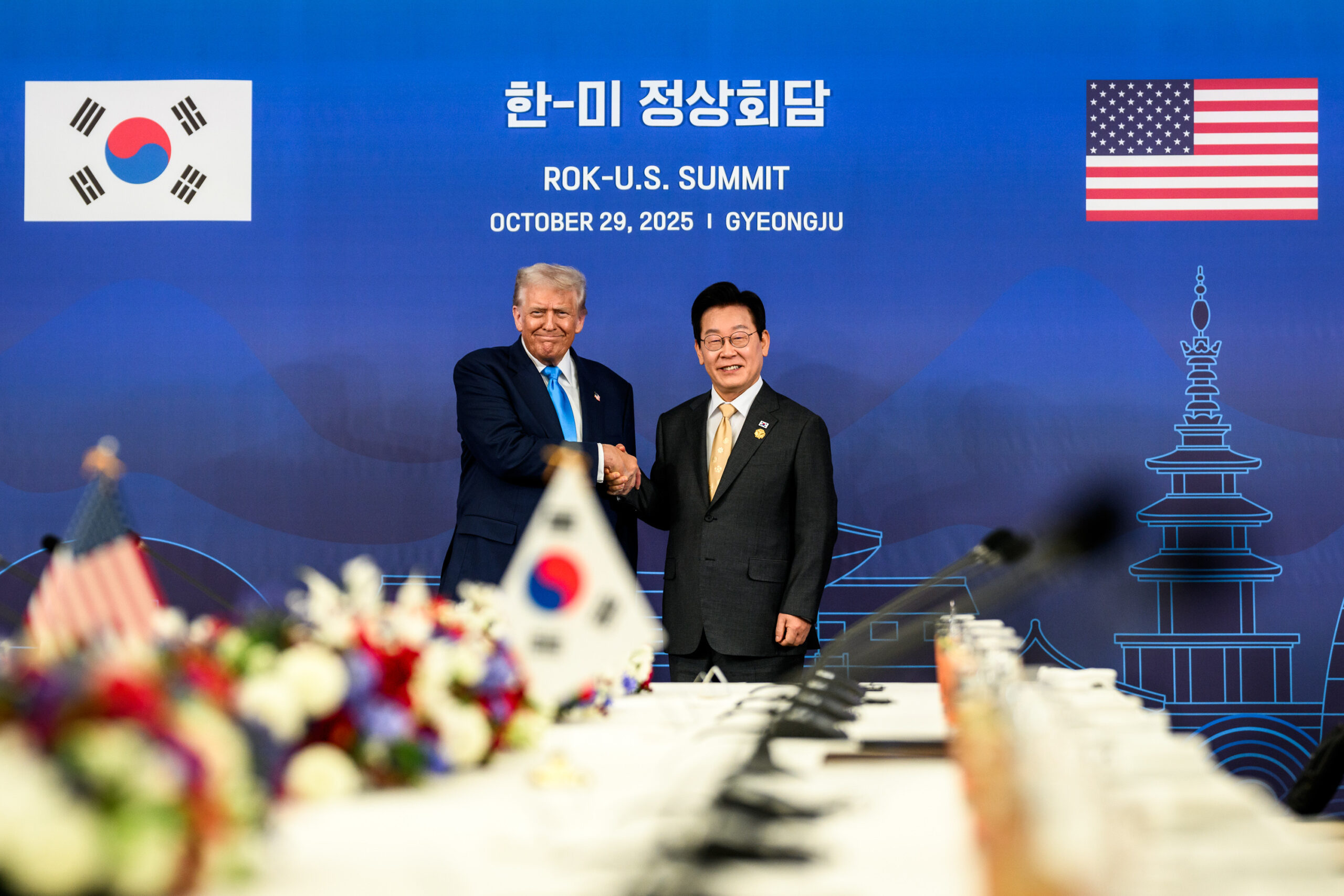
The deal is split between a $200 billion cash fund and another $150 billion in investment and loan guarantees meant to revitalize U.S. shipbuilding.

Korea can transform digital trade negotiations from a defensive exercise into a proactive strategy for advancing technological leadership.

With so much interest in Korea within the United States, there is great potential for South Korea’s public diplomacy to deepen these people-to-people ties.
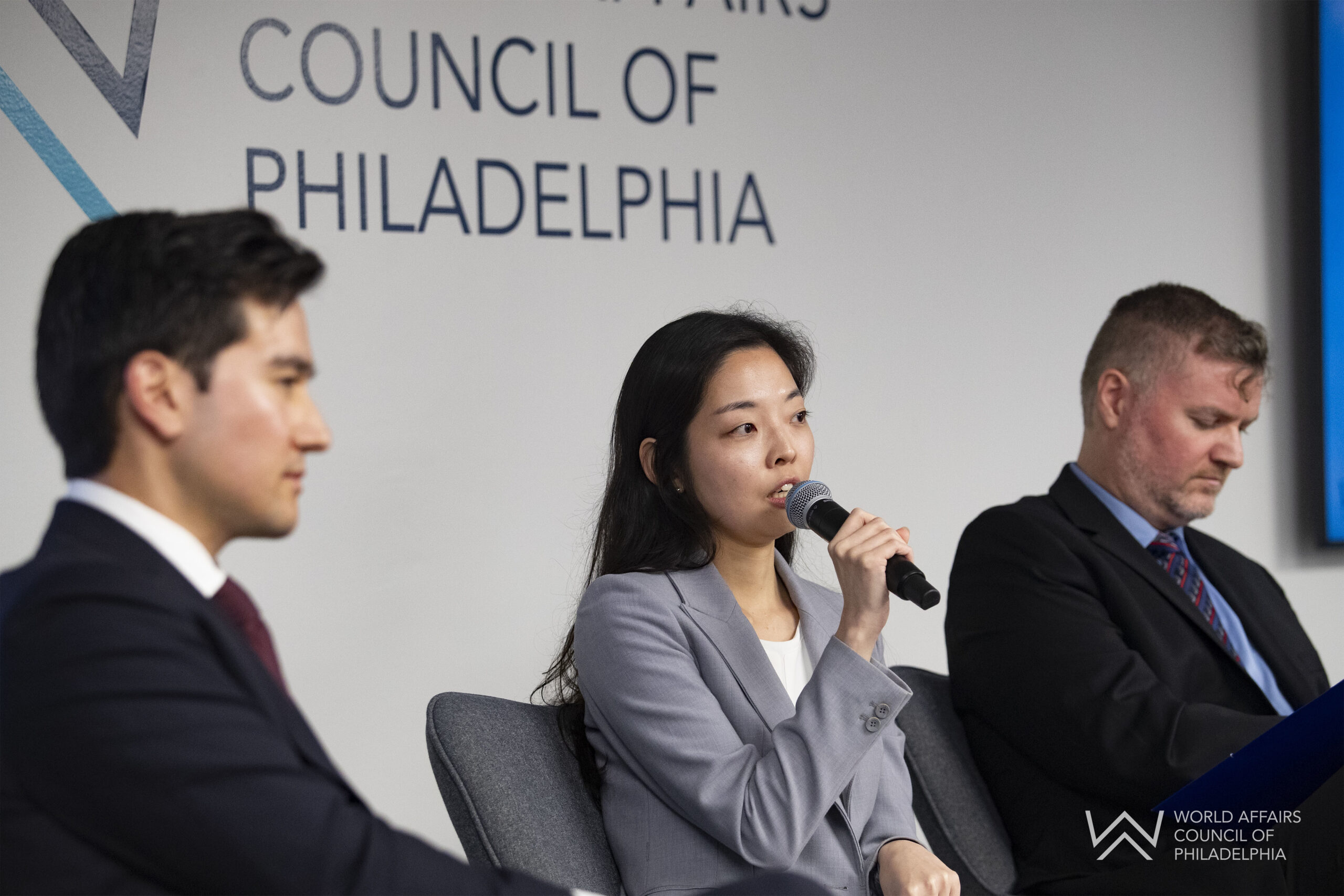
Philadelphia and the state of Pennsylvania can play an outsized role in strengthening people-to-people and business-to-business ties that underpin the U.S.-South Korea alliance.
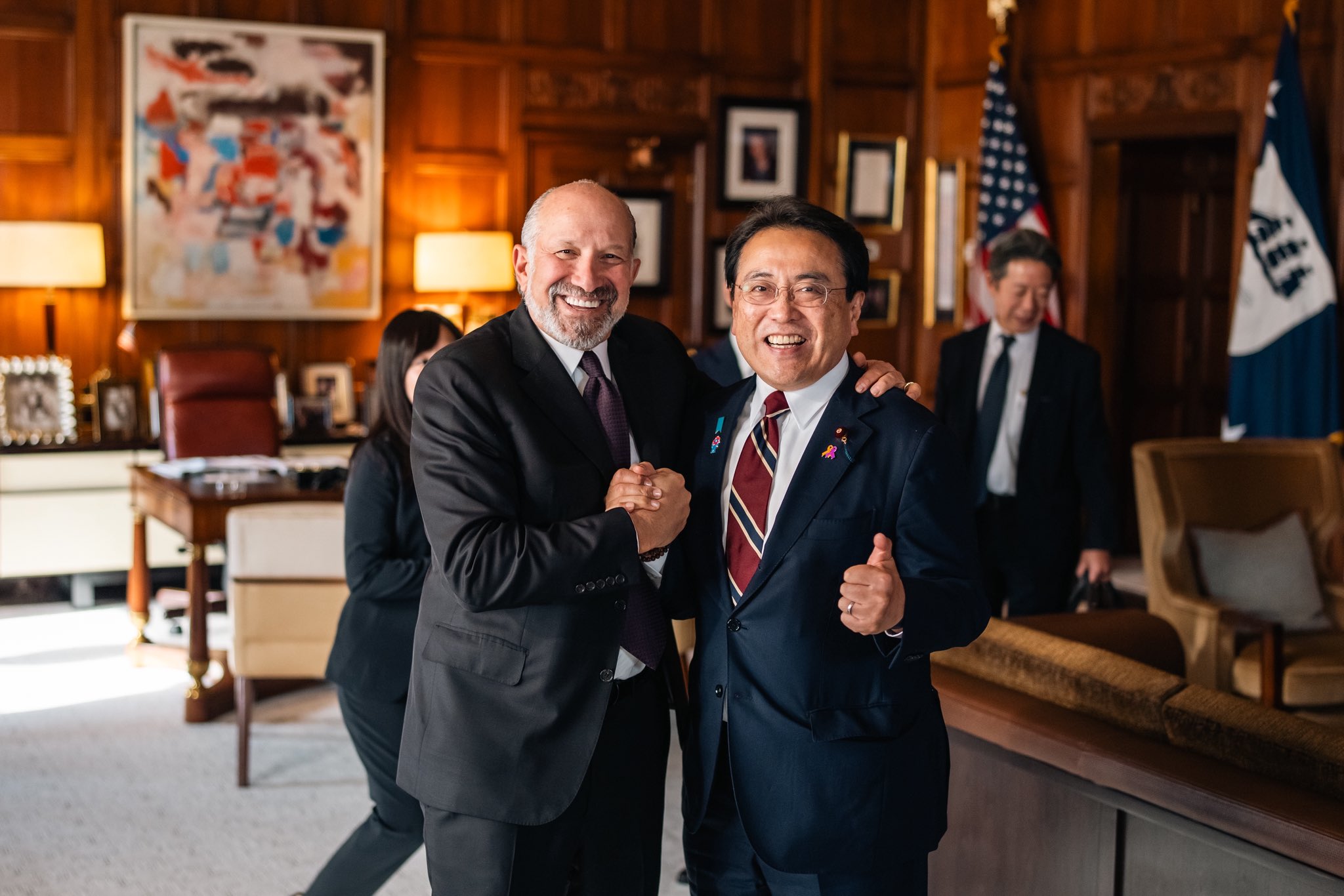
A major subject for continued U.S.-Korea negotiations has been the structure of the USD 350 billion investment fund.
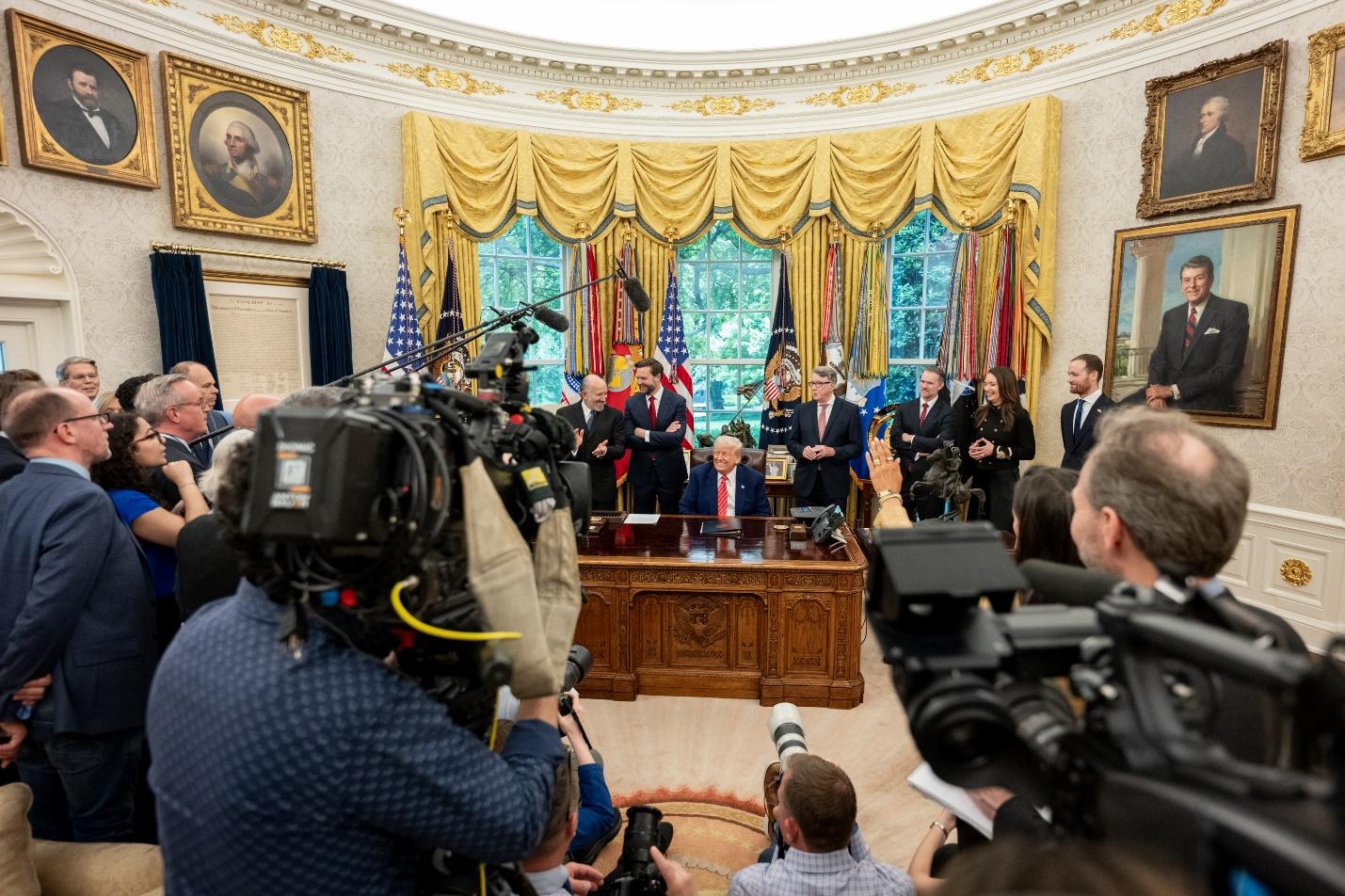
The first major deal of the year carries implications for South Korea on everything from tech trade to agriculture
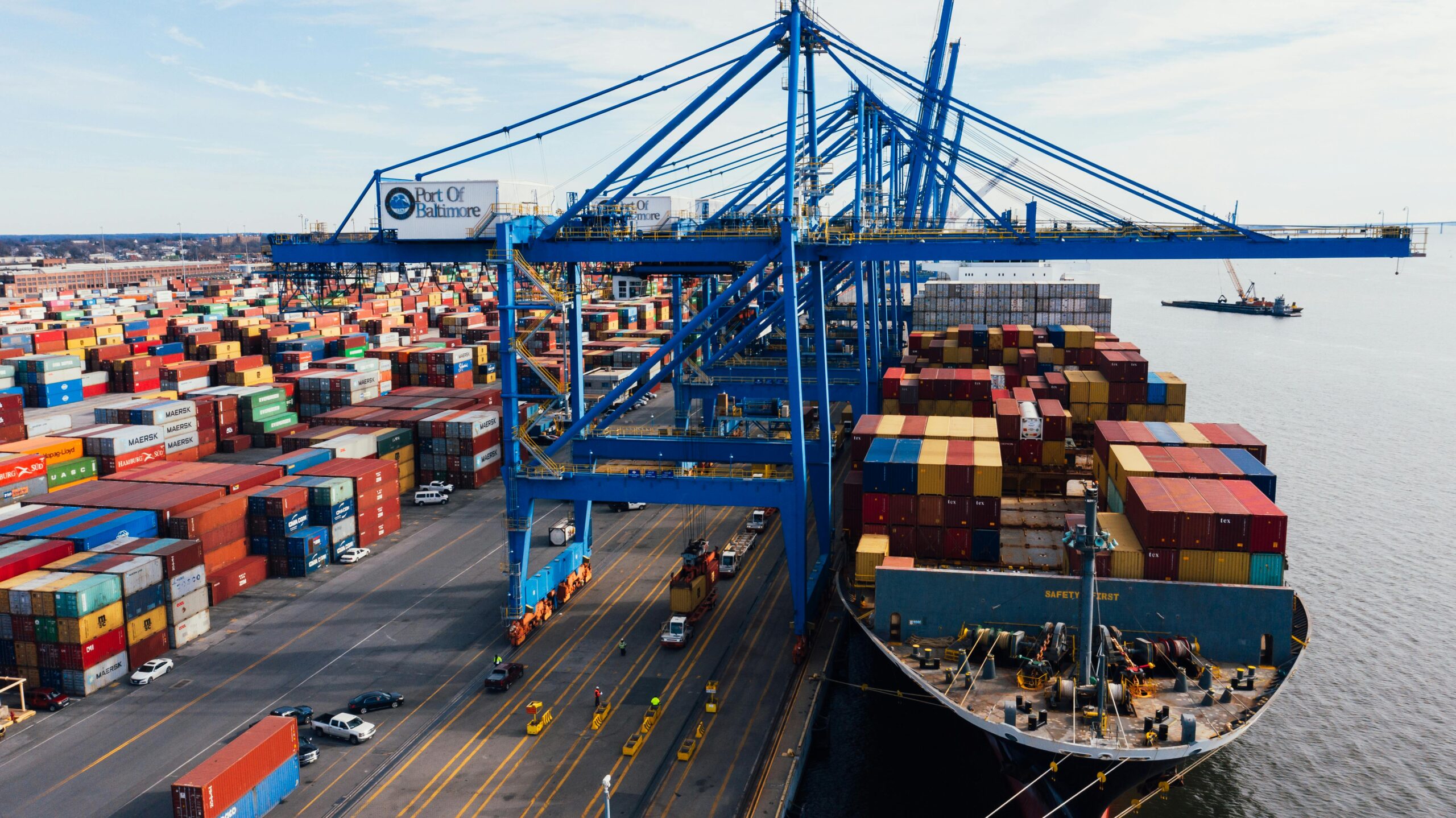
New KEI research shows that perception and visibility, not dollar amounts, shape how Americans feel about foreign investment.
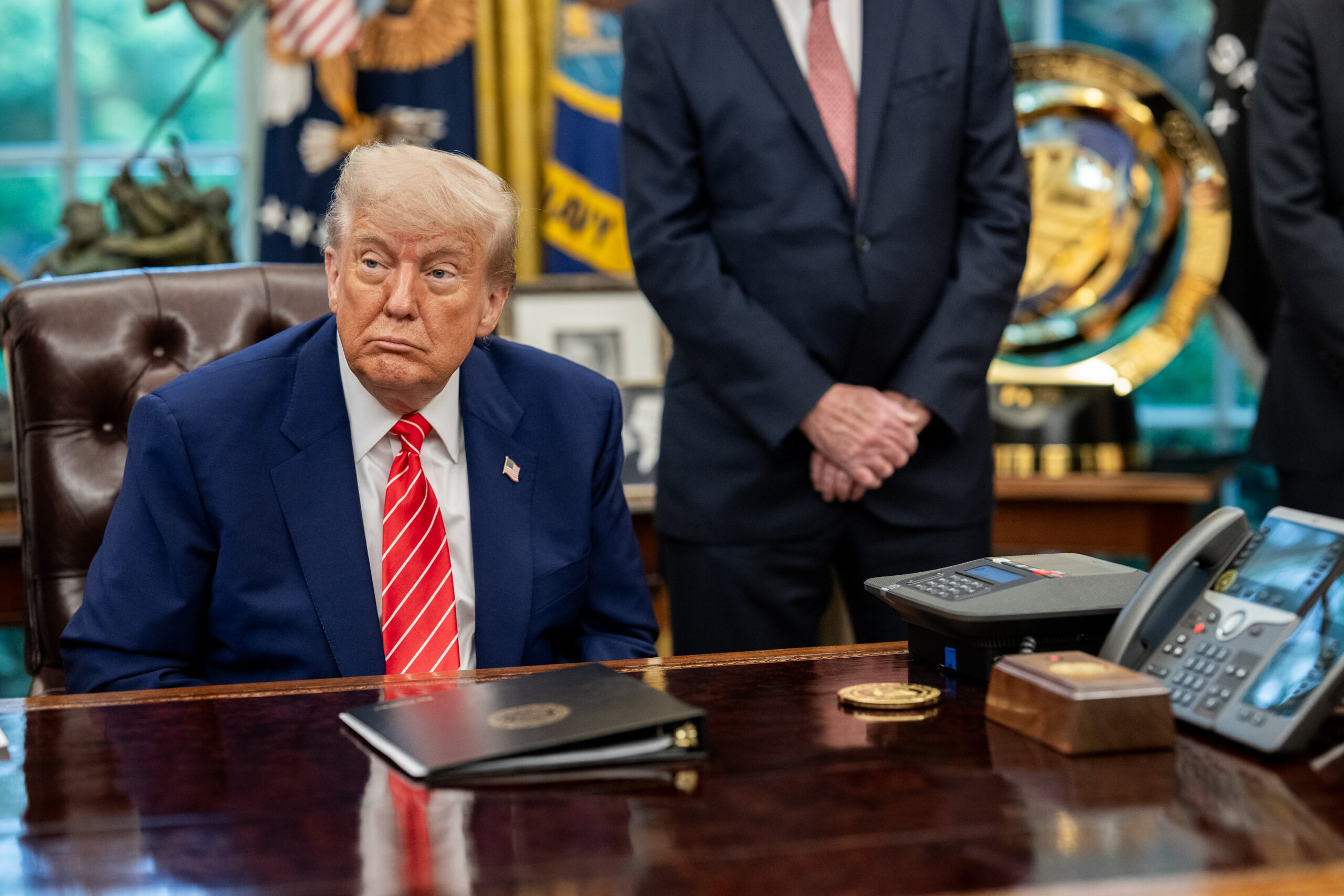
Seoul’s optimistic rhetoric belies deep skepticism about the prospects for a significant breakthrough on trade with the Trump administration.

Despite Rubio’s Senate record on North Korea, it’s unclear how or whether North Korean human rights will fit into this administration