Pope Francis in South Korea: Addressing Issues with Hope and Religious Freedom
With his first visit to Korea and Asia, it is clear that Pope Francis wanted to address three key issues that have been specifically on the minds of the Korean people.

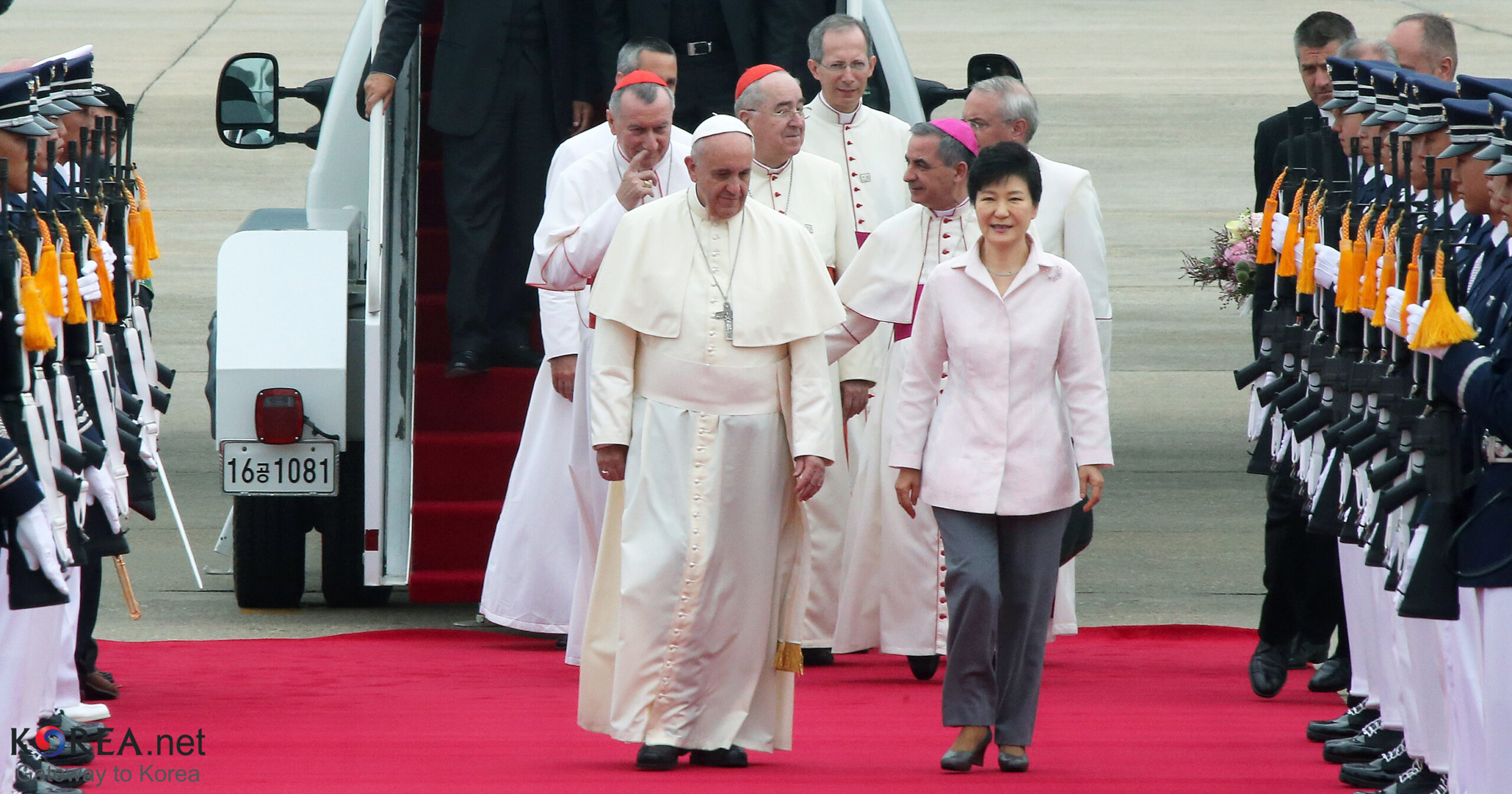
With his first visit to Korea and Asia, it is clear that Pope Francis wanted to address three key issues that have been specifically on the minds of the Korean people.
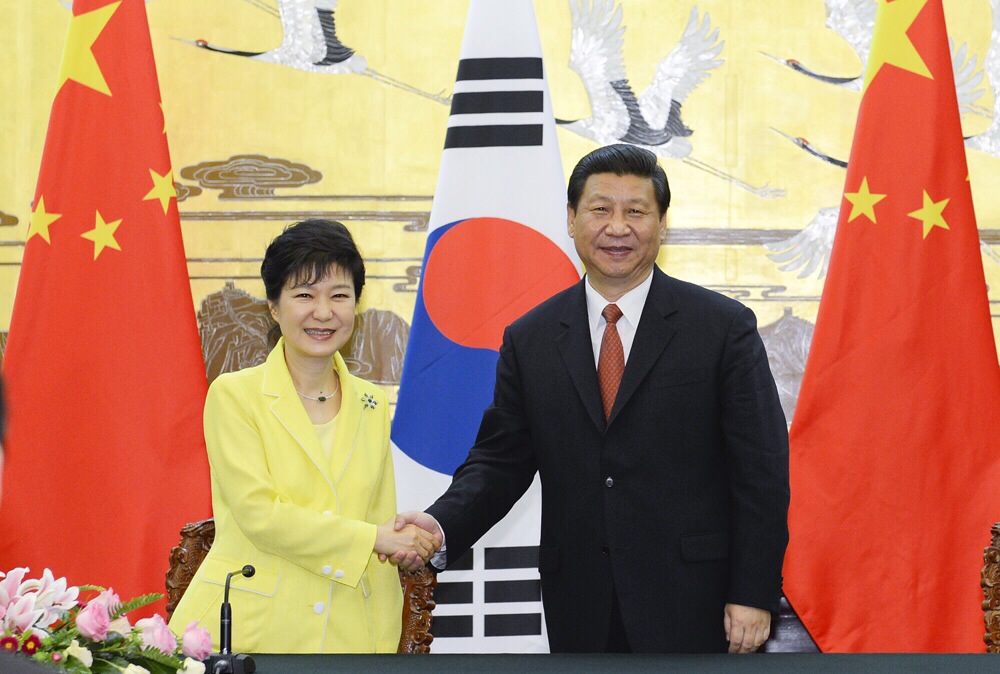
While the North Korean nuclear issue is expected to be front and center at the summit, a series of underlying issues may impact how successful Park and Xi are at continuing to improve relations between China and South Korea.
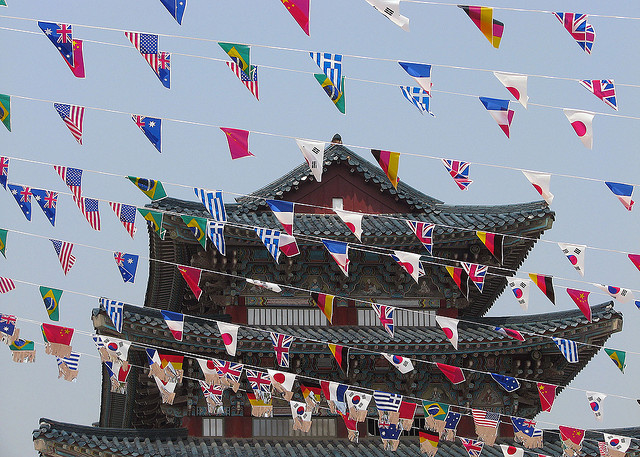
With the growth of multiculturalism and diversity in Korea, Koreans are now beginning to reevaluate the traditional notion of national identity.
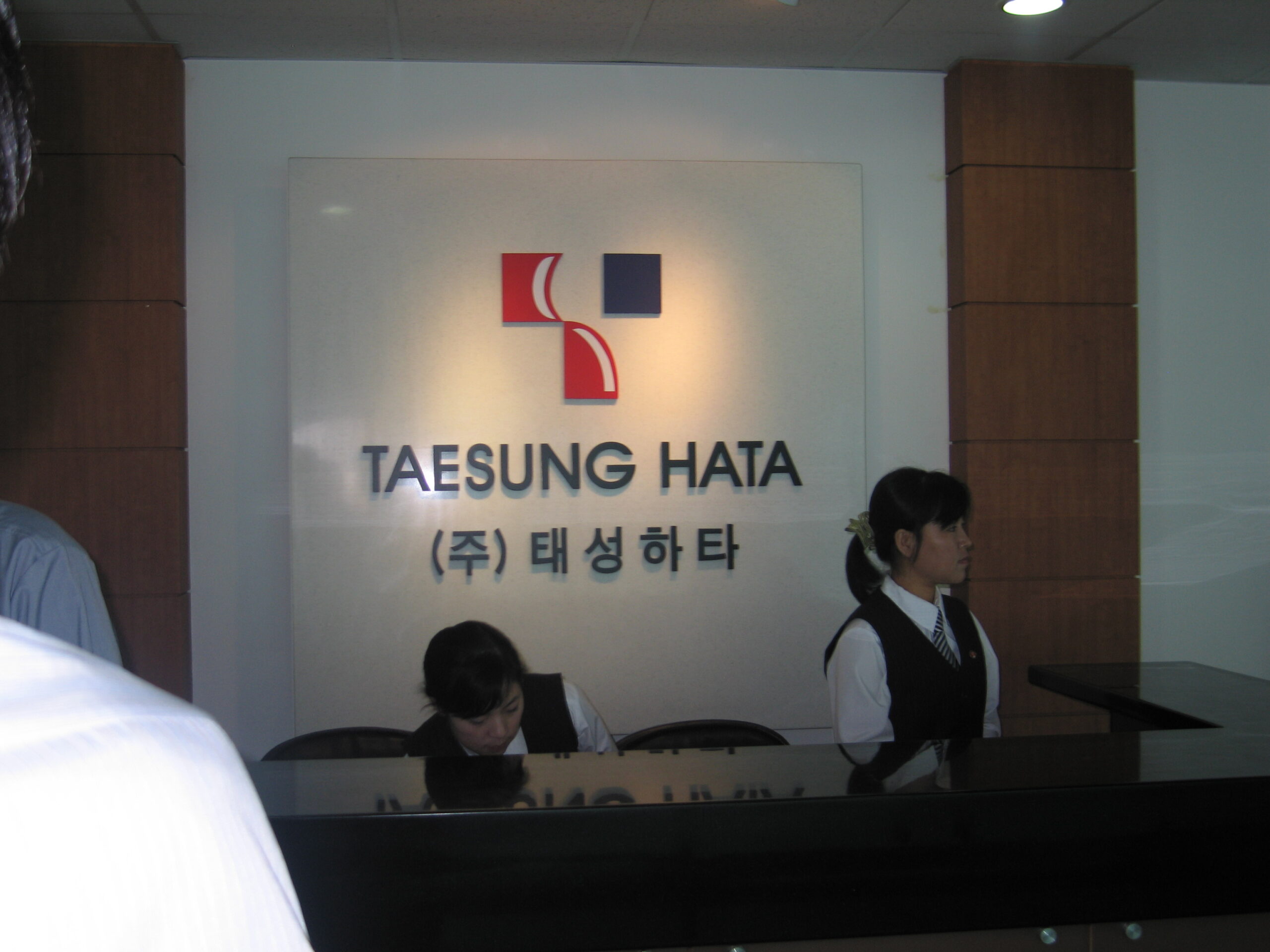
This will make Groz-Beckert the second foreign investment in Kaesong and the first since the complex reopened last fall.
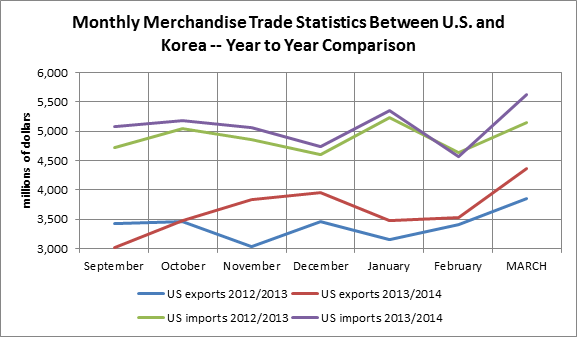
Just prior to President Obama’s recent trip to Asia, critics of the Trans Pacific Partnership (TPP) blamed the Korea-U.S. Free Trade Agreement (KORUS) for the…
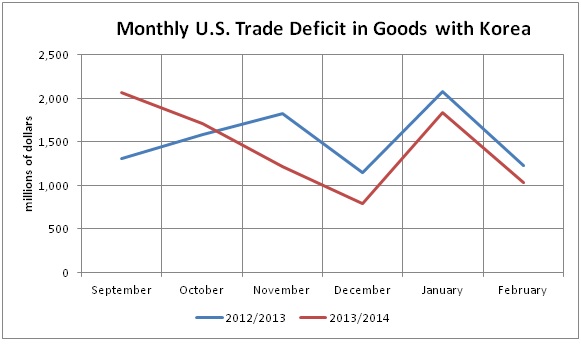
If present trends continue, the 2014 U.S. merchandise trade deficit with Korea is on track to be less than the 2013 level.
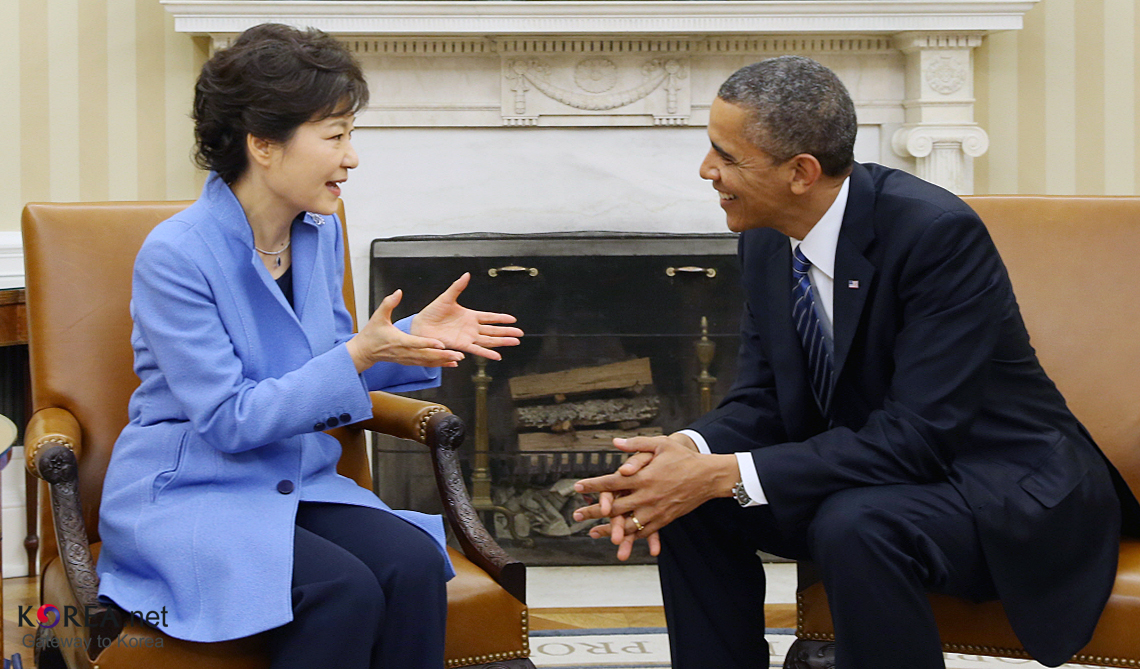
Reassurance and reaffirmation, while difficult, should be a major focus for President Obama in South Korea.

The role of President Obama in this situation has been argued over by many analysts, but it is clear that as a main ally to both countries, Obama should continue to provide opportunities where all three leaders can discuss mutually beneficial issue.
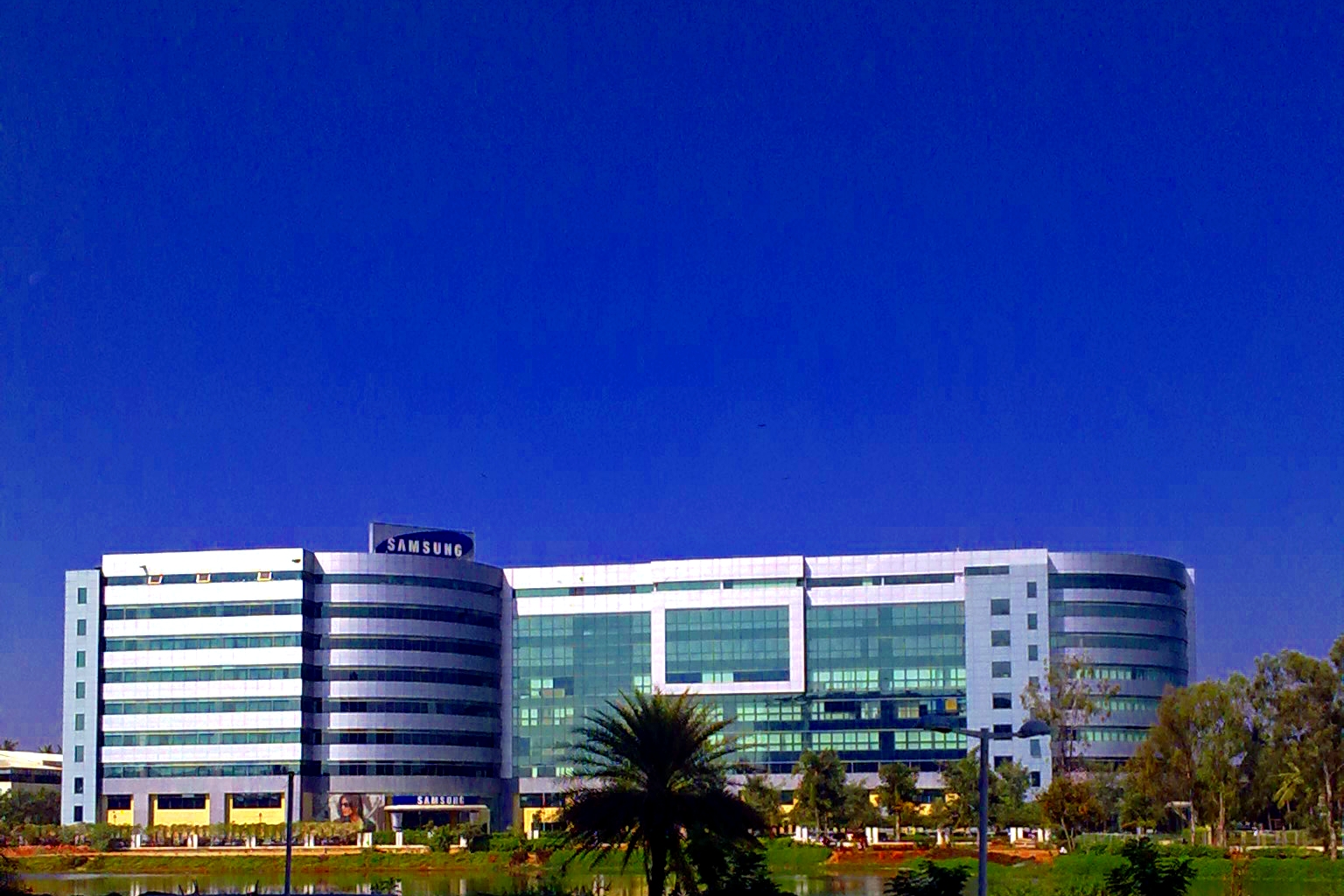
Recent ruling by the Indian Supreme Court is another example of how India continues to turn away potential Korean and international investors

Last November, after many months of consideration, South Korea expressed its interest in joining the 12 other Pacific Rim nations in participating in the Trans Pacific Partnership (TPP) negotiations.