A History of Islam in Korea
While only 0.3 percent of Korean residents describe themselves as Muslim, Islam has left an indelible mark in Korean history.

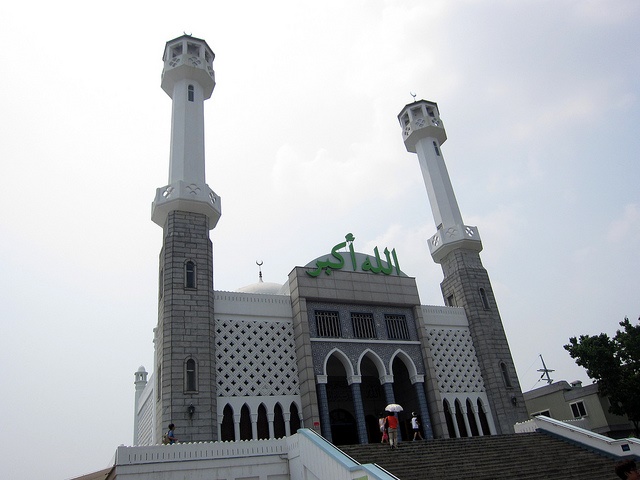
While only 0.3 percent of Korean residents describe themselves as Muslim, Islam has left an indelible mark in Korean history.

The possibility of an increase of the federal funds rate for the first time since June 2006 has garnered much public attention, with policy heavyweights weighing in for and against a rate rise. At the core of concerns for the global economy is the prospect of capital flight from emerging markets to the U.S., as investors could receive higher yields with less risk.

With China now South Korea’s most significant export market, how responsible is the economic slowdown in China for the sharp decline in South Korean exports?
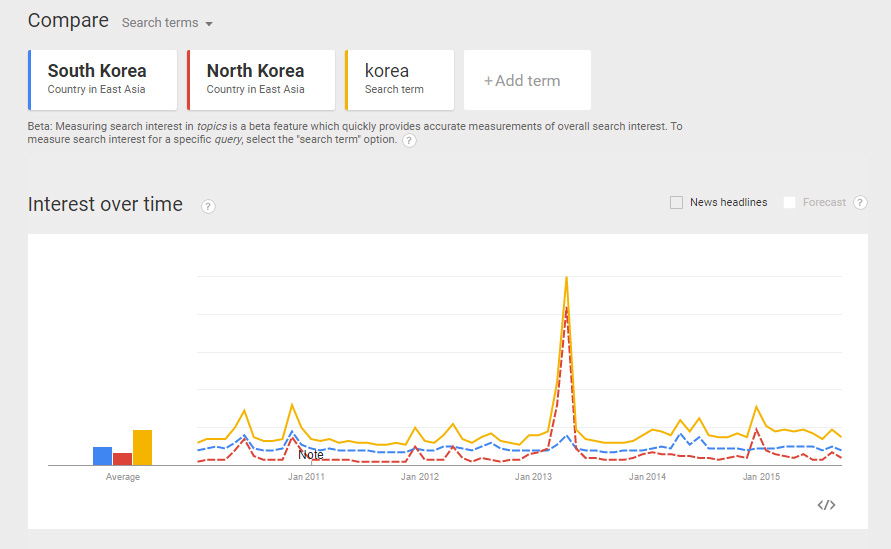
Is South Korea’s love of the United States unrequited?

How can we move forward with a Korea-India-U.S. trilateral dialogue?
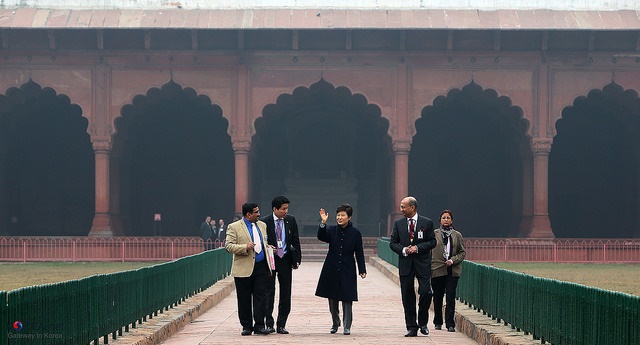
This week KEI is hosting an event examining India and Korea as increasingly important countries in a rising Asia.
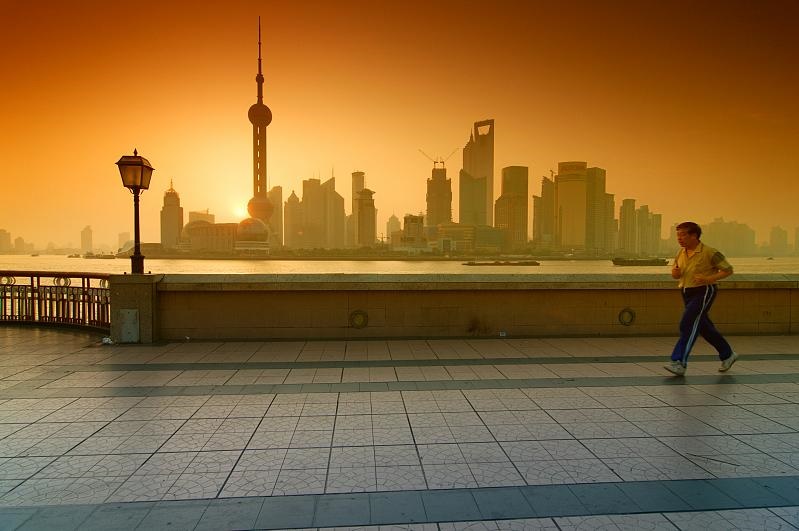
On September 1 new trade figures for the month of August indicated that South Korea’s exports had dropped 14.7 year-on-year continuing a trend since January that has seen year-on-year monthly declines.

For newbies to the k-craze all the way up to seasoned veterans, these five books can help provide new perspectives on the Hallyu phenomenon.

In the aftermath of the recent tensions on the Korean peninsula some commentators have contended that South Korea is spinning the idea that North Korea apologized for maiming two South Korea soldiers when it didn’t directly claim responsibility for the act but merely expressed regret.
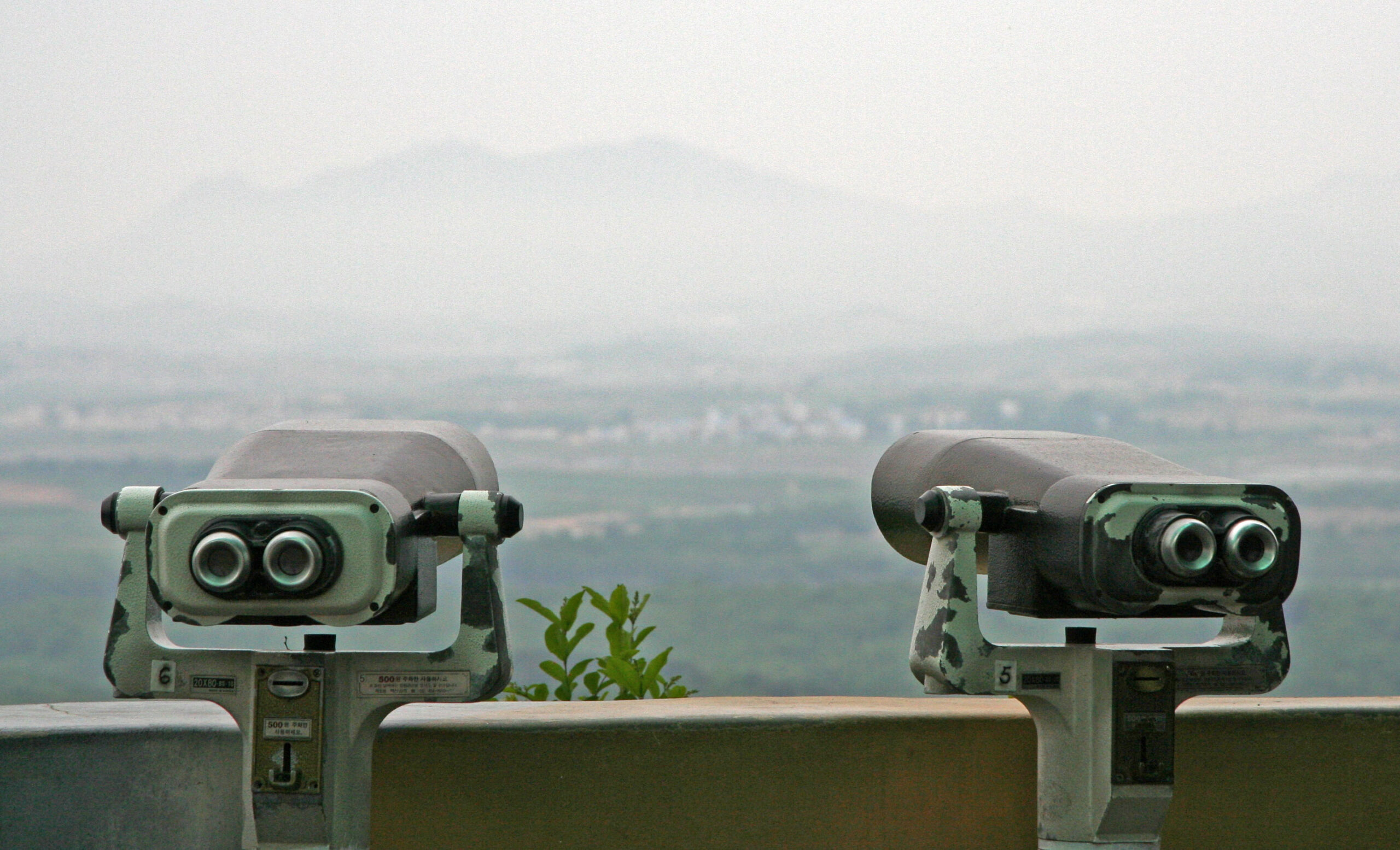
With the announcement of a deal shortly after midnight on August 25 the most recent inter-Korean crisis averted a military conflict on the Korean peninsula…With the crisis now coming to a close, what can we learn from the crises that Kim Jong-un has precipitated and the deals he’s made?