On International Women’s Day, South Korea Needs to Do More
In The Economist’s recent ranking of the best and worst places to be a working woman, South Korea did not fare well. In fact, it was considered last among OECD countries.

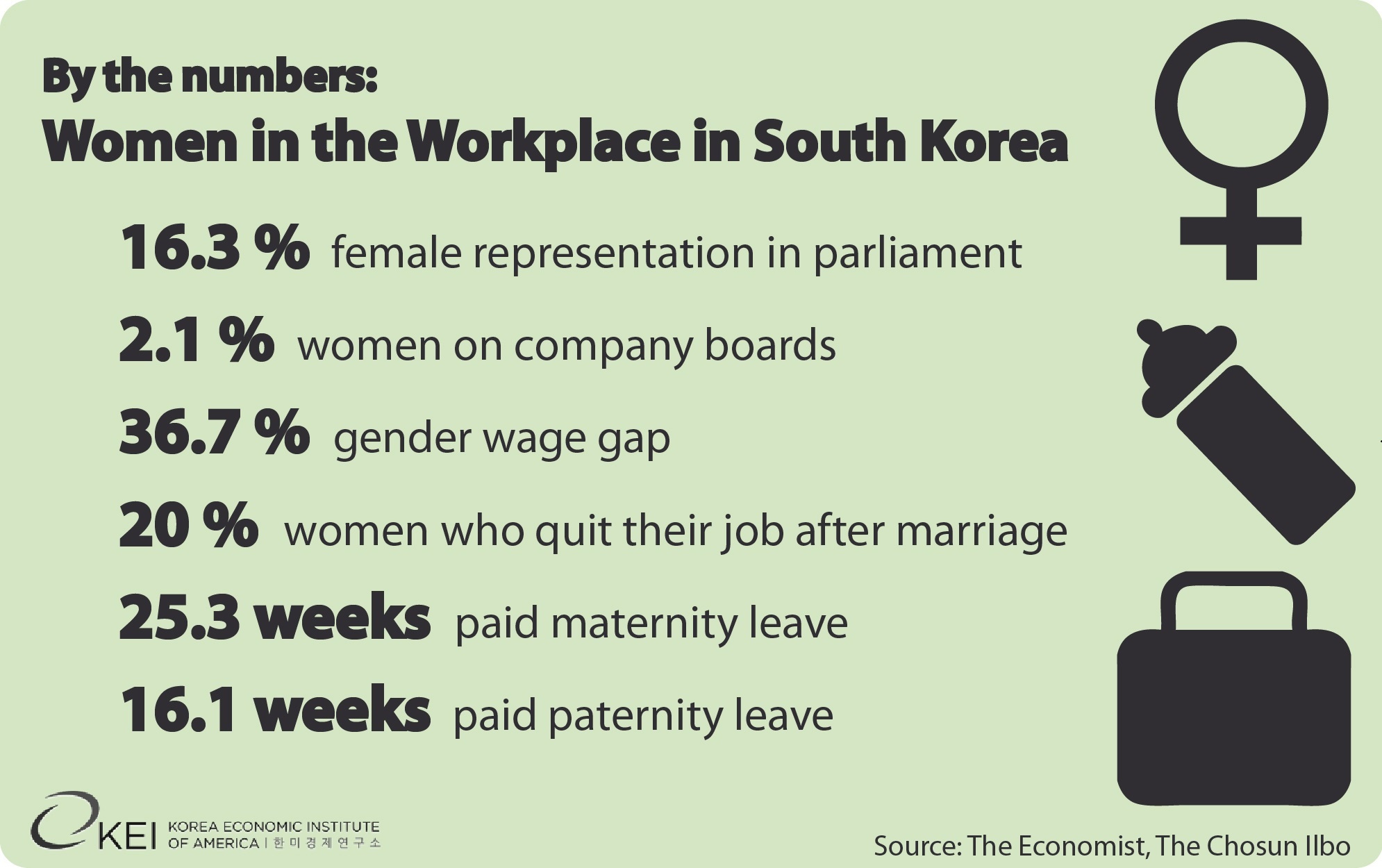
In The Economist’s recent ranking of the best and worst places to be a working woman, South Korea did not fare well. In fact, it was considered last among OECD countries.
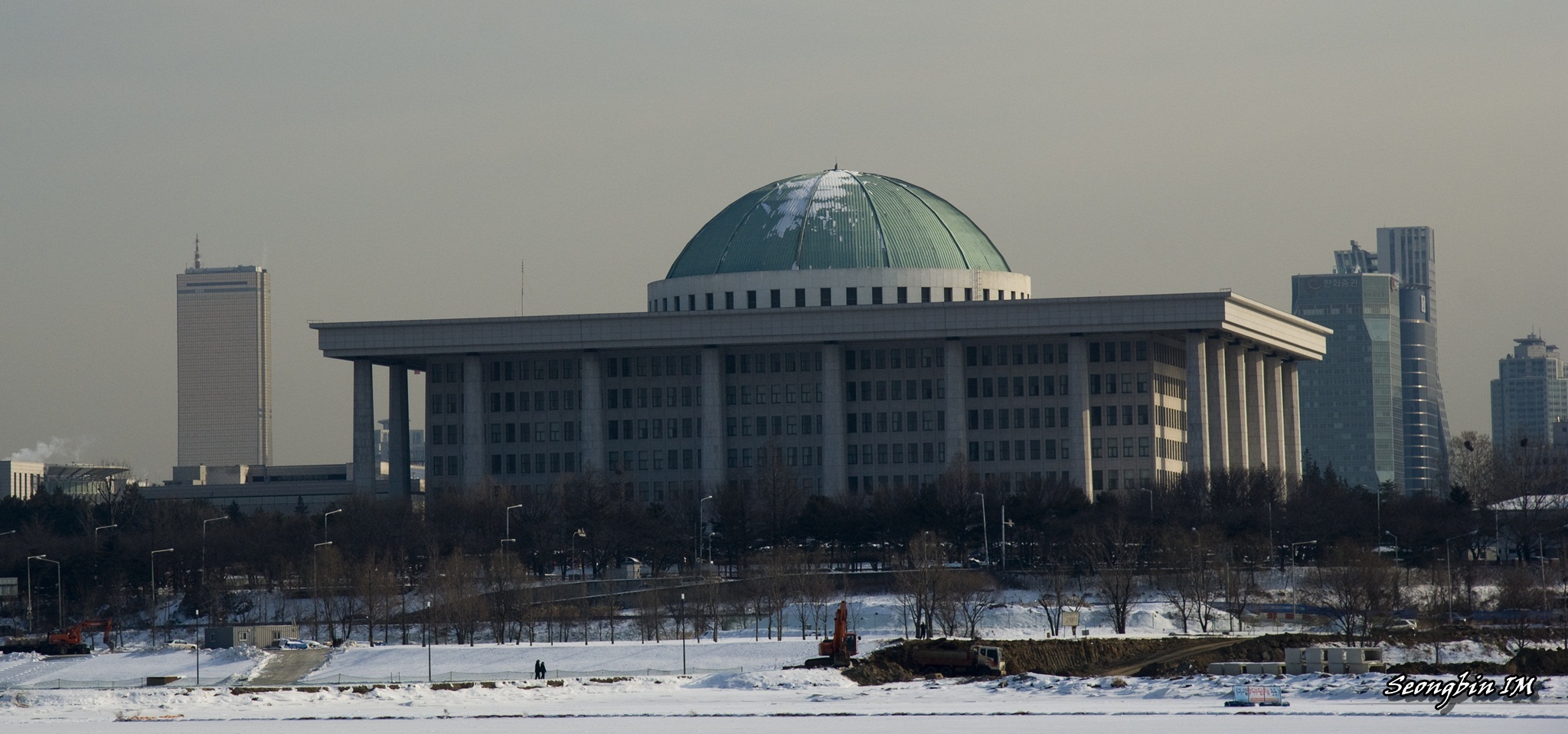
The South Korean National Assembly is currently in the middle of its first filibuster in decades, already smashing the world record for longest filibuster and still going strong.
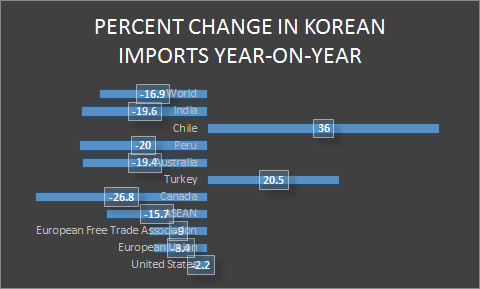
Korea has one of the world’s most expansive network of free trade agreements. In this post we explore how U.S.-Korea trade has fared in relations to Korea’s other FTA partners.
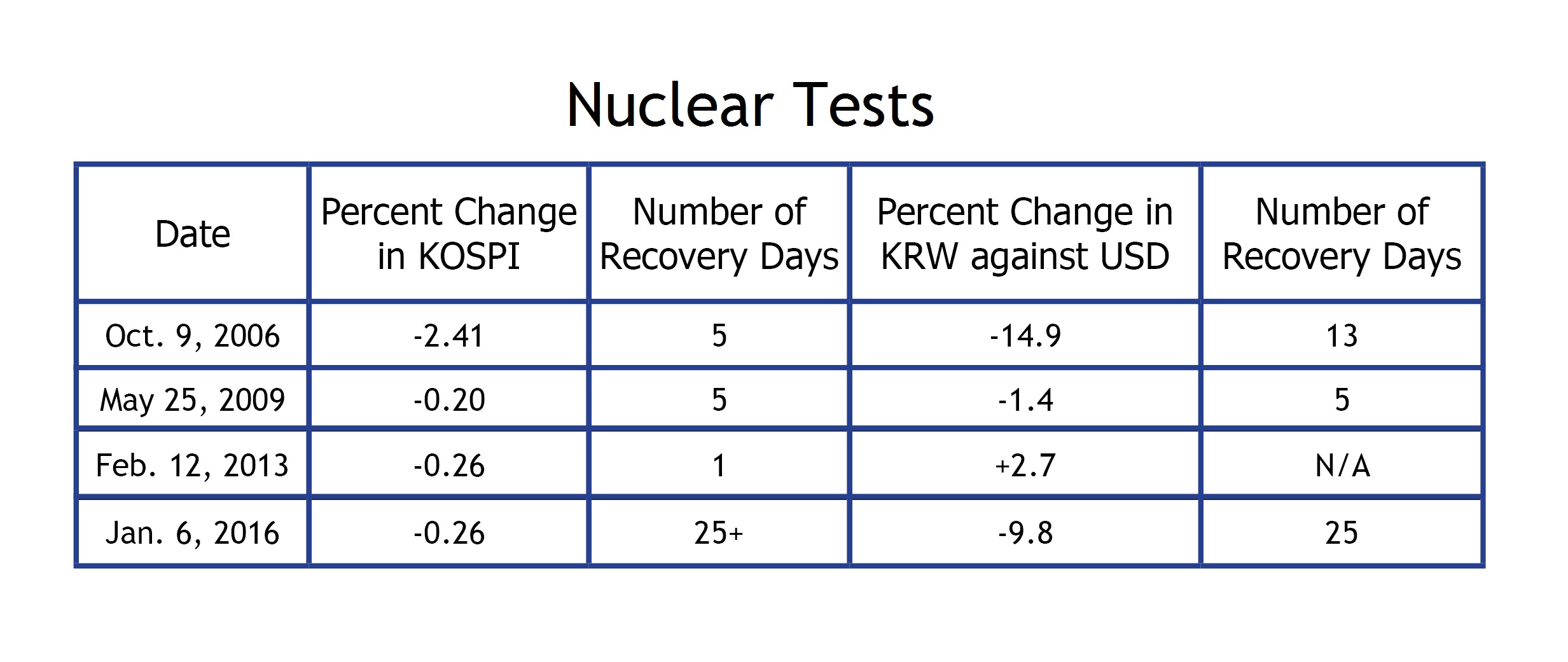
To what extent should financial losses coinciding with North Korean provocations be considered as wholly isolated from market trends or at least marginally interconnected?
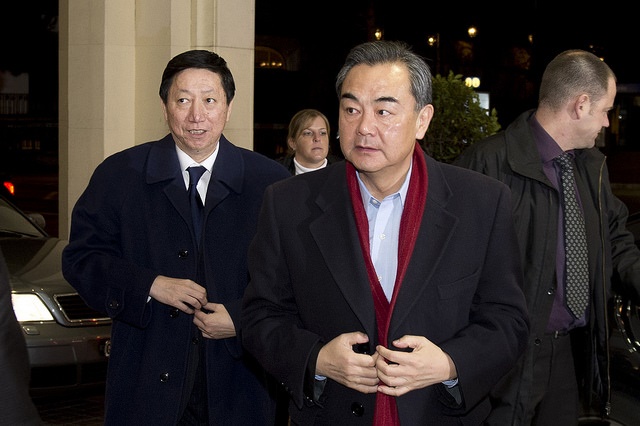
Seoul has chosen to change the international dynamics surrounding North Korea’s nuclear program, and may be beginning to see early dividends in its shift in policy.

If the mere thought of Valentine’s Day is more headache-inducing than swoon-worthy, you could consider the wider array of South Korea’s romantically themed holidays.

With the global economy slowing as China’s economy cools, many emerging markets saw growth slow or stall, while significant drops in oil prices proved more of a drag on economic growth than expected.
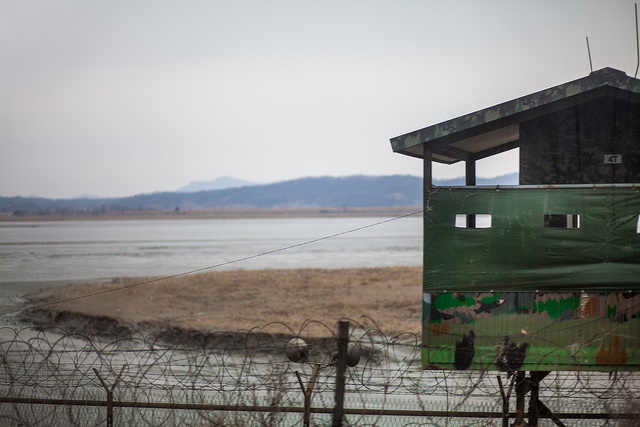
Make no mistake, South Korea’s shuttering of the Kaesong Industrial Complex (KIC) which it had operated just across the border in North Korea since 2004 is a big deal.
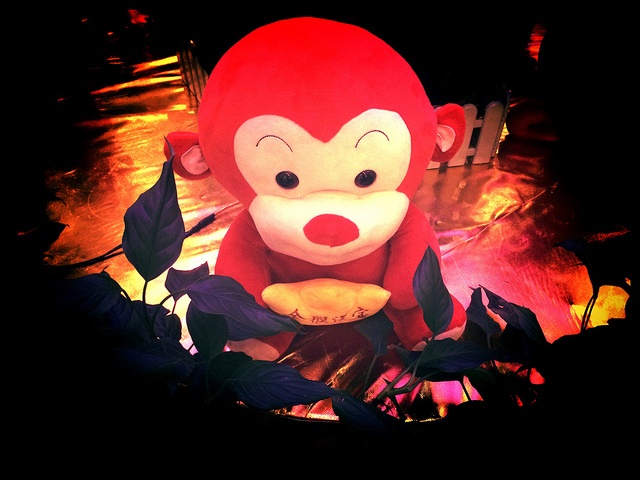
On February 8, South Korea will celebrate Lunar New Year, called Seollal in Korean.
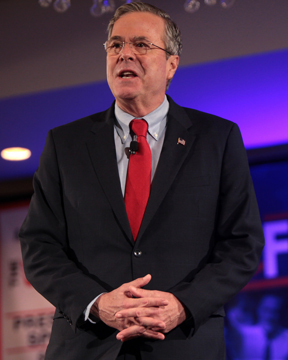
With the Iowa Caucuses approaching KEI has gathered comments by the Republican and Democratic presidential candidates on South Korea and North Korea.