What Donald Trump’s Foreign Policy Means for South Korea
President Donald Trump’s foreign policy has three big implications for South Korean policy planning.

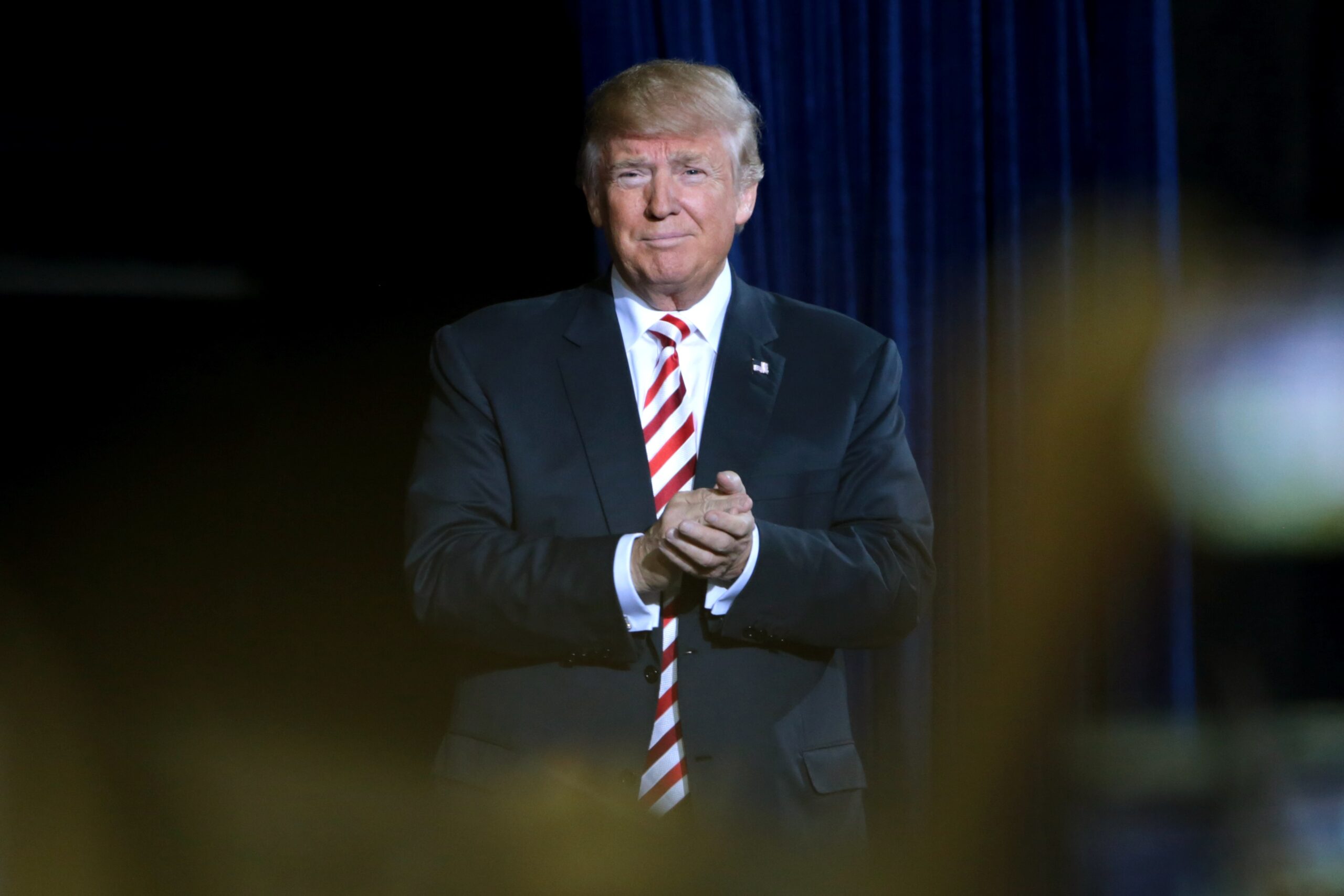
President Donald Trump’s foreign policy has three big implications for South Korean policy planning.
While Niantic Labs launched Pokémon Go in many countries in North America and Europe, it did not fully launch in South Korea until January 23, 2017, despite the popularity of gaming there.
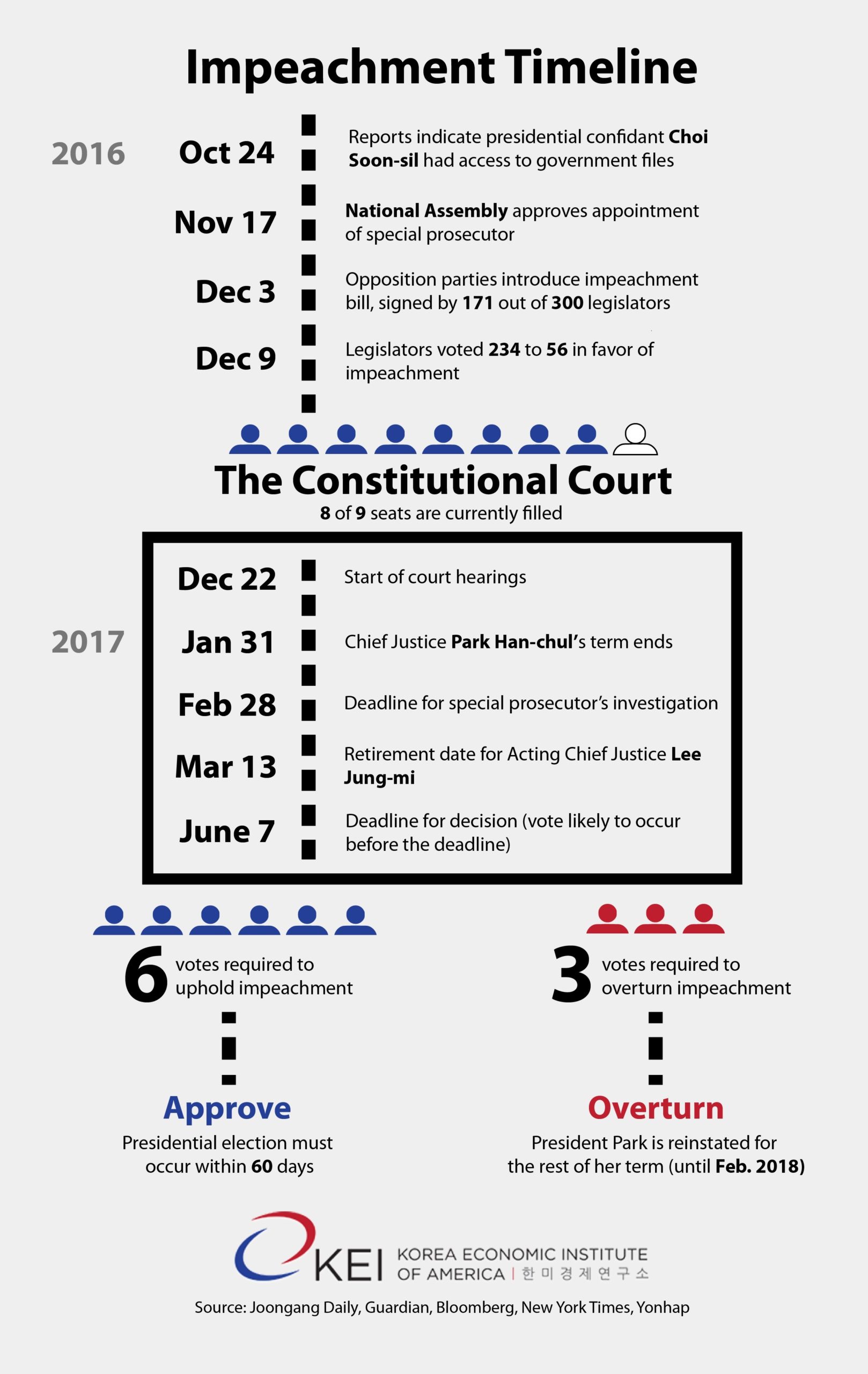
The Constitutional Court, which began hearings for her impeachment last December, must either uphold or disapprove of the National Assembly’s impeachment motion.

Recently, the number of claw machines around downtown Seoul have greatly increased, especially in busy nightlife areas such as Sinchon, Hongdae and Gangnam.
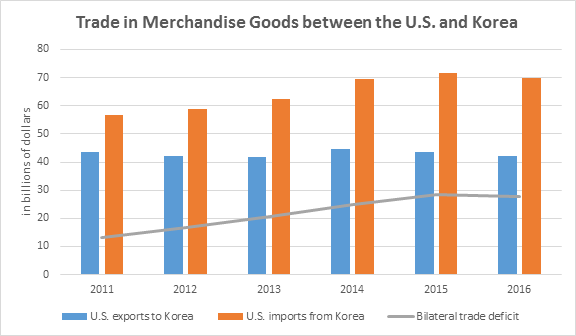
While the overall U.S. trade deficit in merchandise goods with the world increased by $1.9 billion or 0.4 percent, the bilateral trade deficit between the U.S. and South Korea declined by $647 million or 2.3 percent.

As the Choi Soon-sil scandal has unfolded over the past several months the Korean public’s dissatisfaction with major Korean conglomerates known as chaebols has become second only to Park Geun-hye herself.
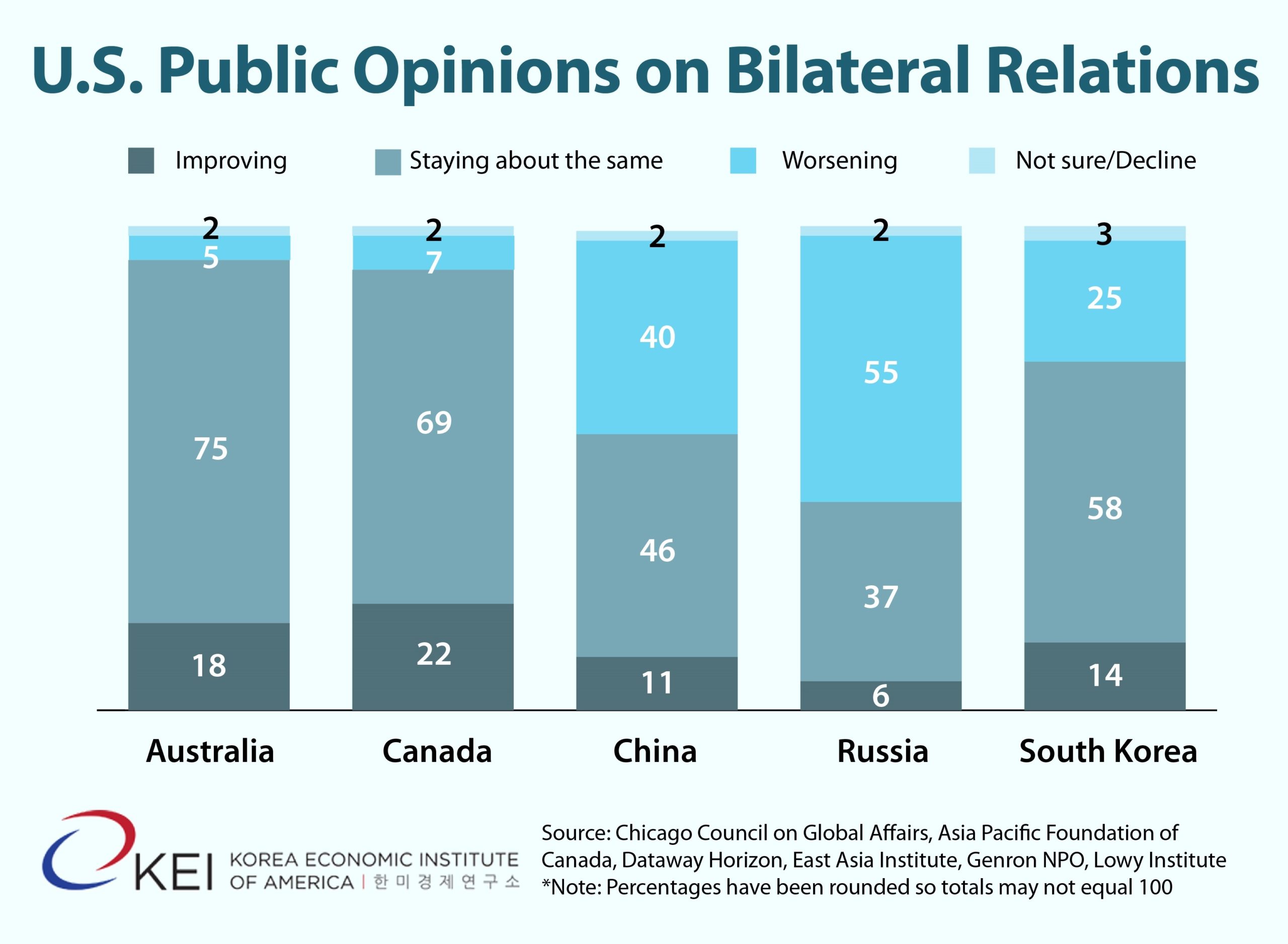
The Chicago Council on Global Affairs, in association with other policy institutes worldwide, recently released a new study examining public opinions in America and Northeast Asia.
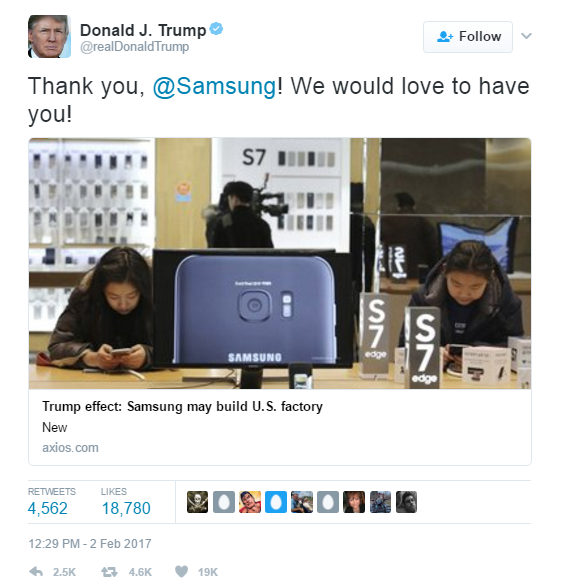
“Thank you, @Samsung! We would love to have you!” Donald Trump wrote on his personal Twitter account, linking to a story about a possible plan for the tech company to build a factory for home appliances in the United States.

Most Koreans are interested in two things now. Whether the people involved in the ‘Choi Soon-sil scandal,’ including President Park Geun-hye, Choi Soon-sil, and Lee Jae-yong, vice chairman of Samsung Electronics, will be punished and who will be the next president of South Korea.

Here is a brief look at the current state of the four major political parties in South Korea today.