When the Market Option Fails Children
To best discipline private childcare providers, the government may simply have to expand the availability of public kindergartens.

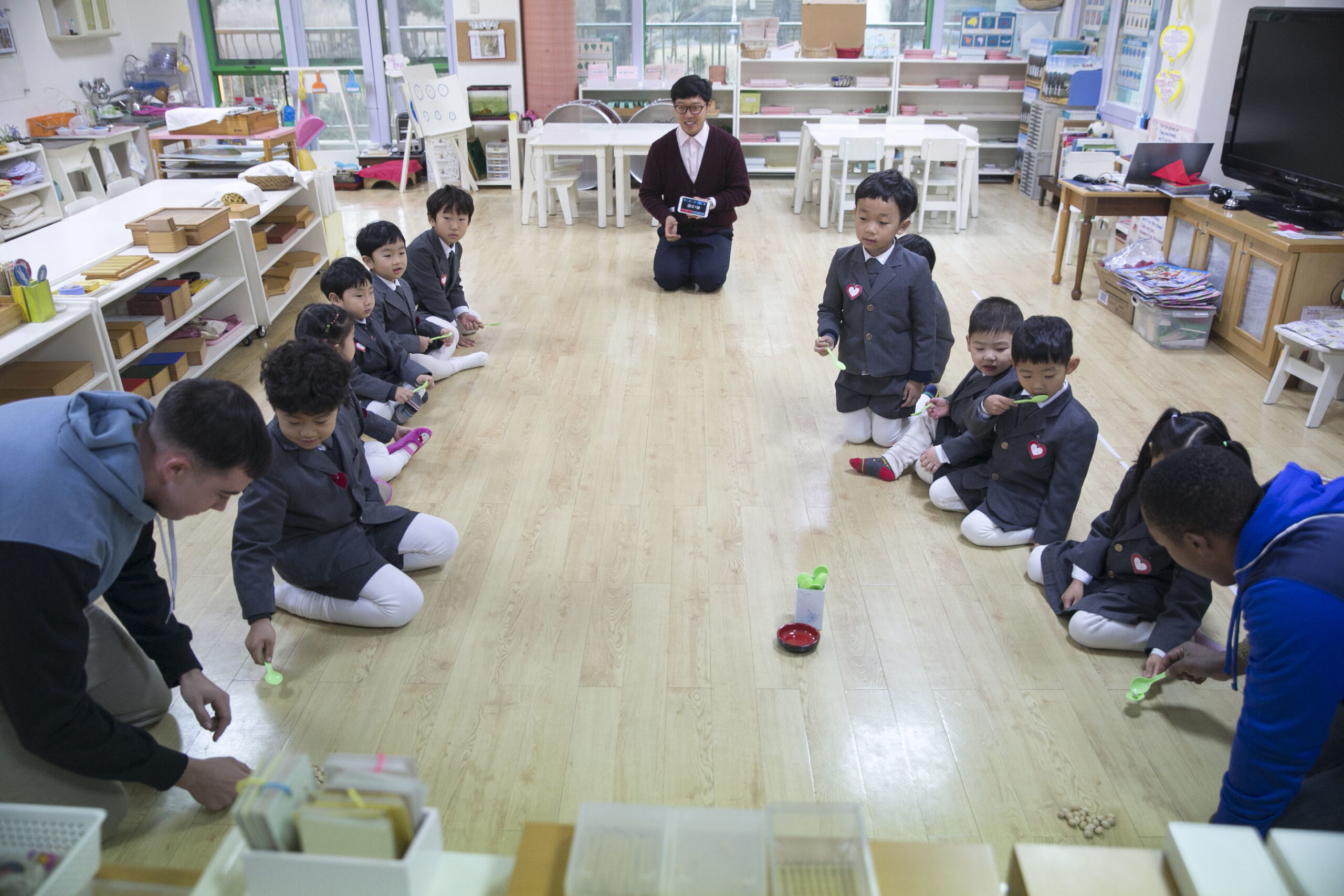
To best discipline private childcare providers, the government may simply have to expand the availability of public kindergartens.

By Yonho Kim The recent North Korea-Russia summit in Vladivostok drew keen attention from the international society in the sense that it was North Korean…
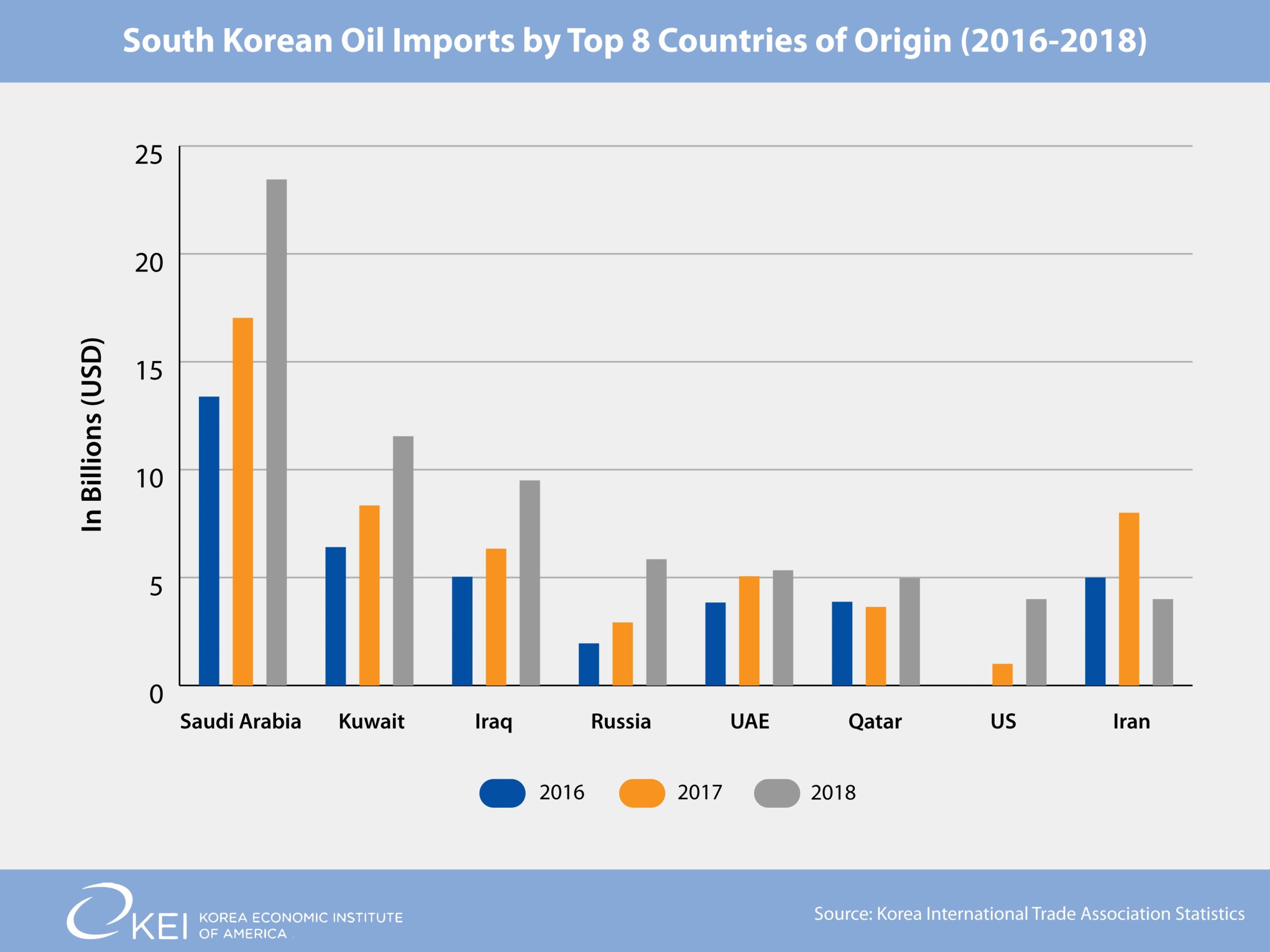
The growing demand for oil in South Korea and the removal of a major competitor in Iran bodes well for American producers.

As climate change raises the risk of fires, how the Korean government improves its emergency response will serve as a gauge for state capacity.
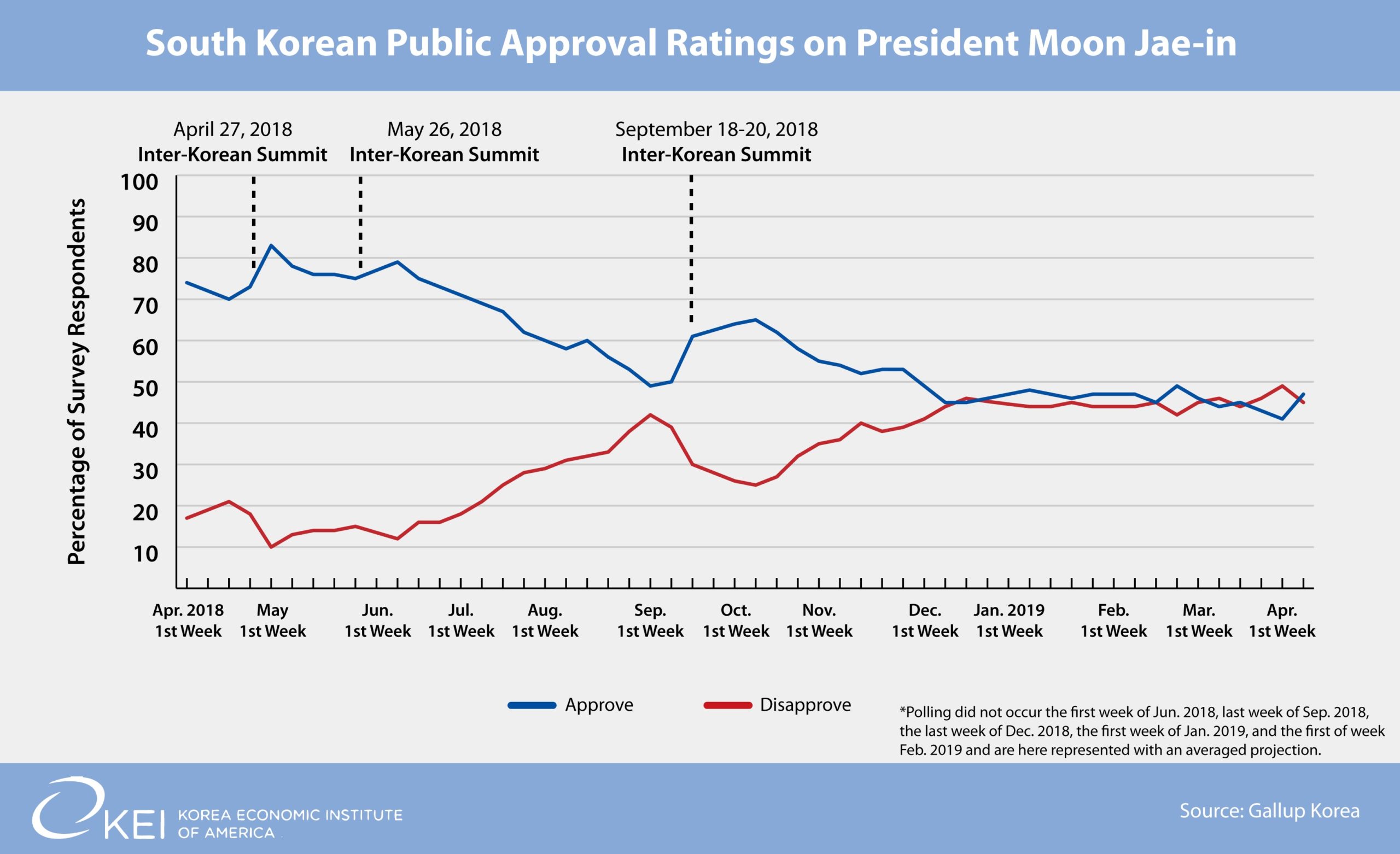
Moon is at a pivotal crossroads as the initial enthusiasm over the revival of the Korean peace process that buoyed his approval rating has steadily waned.
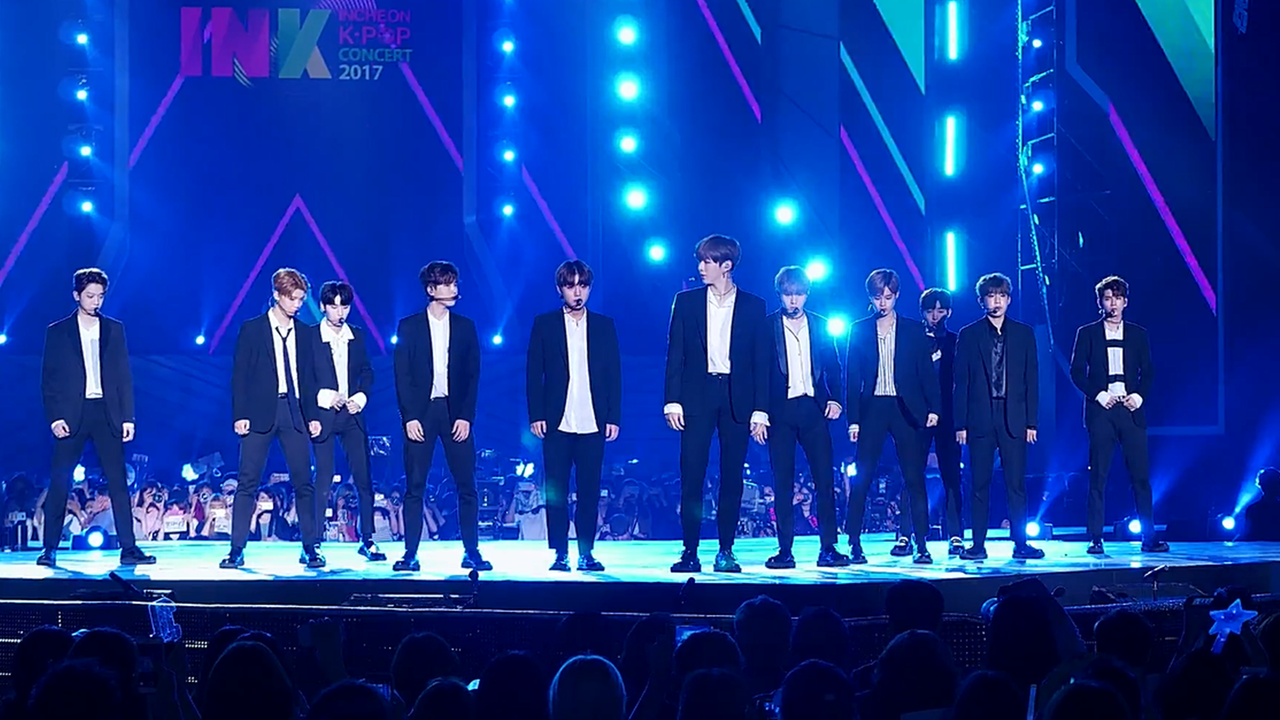
Popular TV program Produce 101 has generated greater global interest in K-pop, but the show could also hold the industry back.
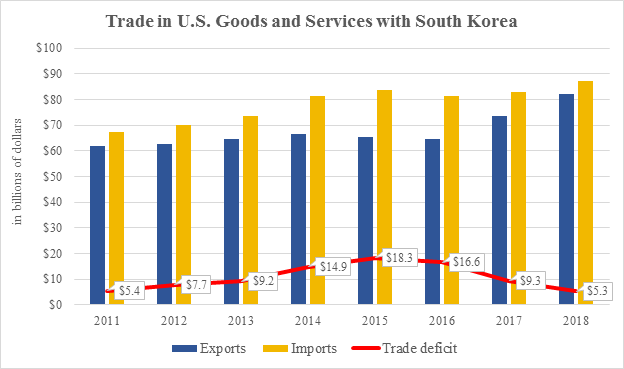
The U.S.-Korea bilateral trade deficit has declined by 71 percent from its height in 2015 to below its pre-KORUS FTA level.
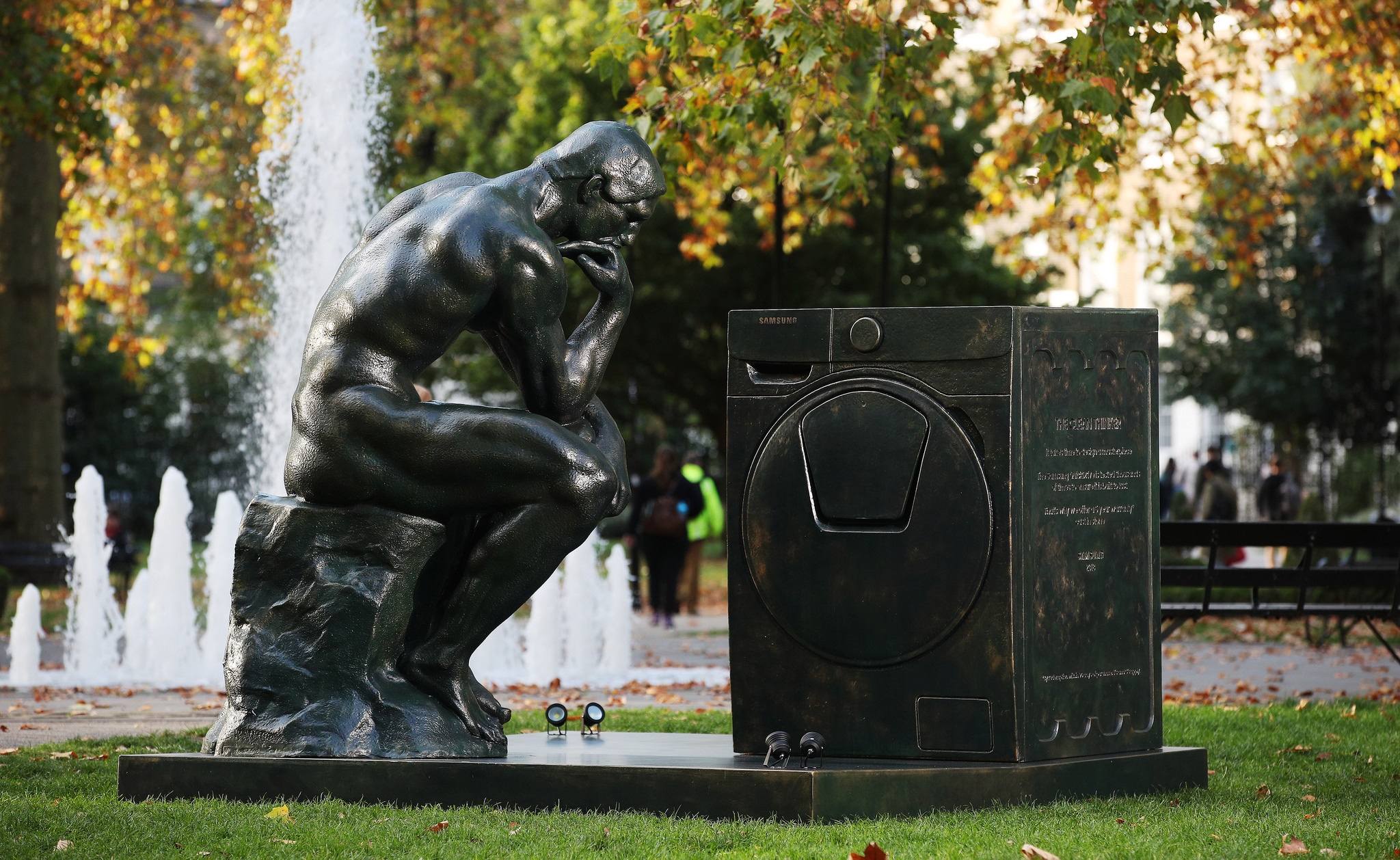
Whirlpool, which petitioned for the safeguard, saw its market share drop from 17.3% to 15.7%, falling from 2nd to the third place followed in the market.

Korea should be provided an exemption from any proposed tariffs on imported motor vehicles and parts from the recent Section 232 investigation.
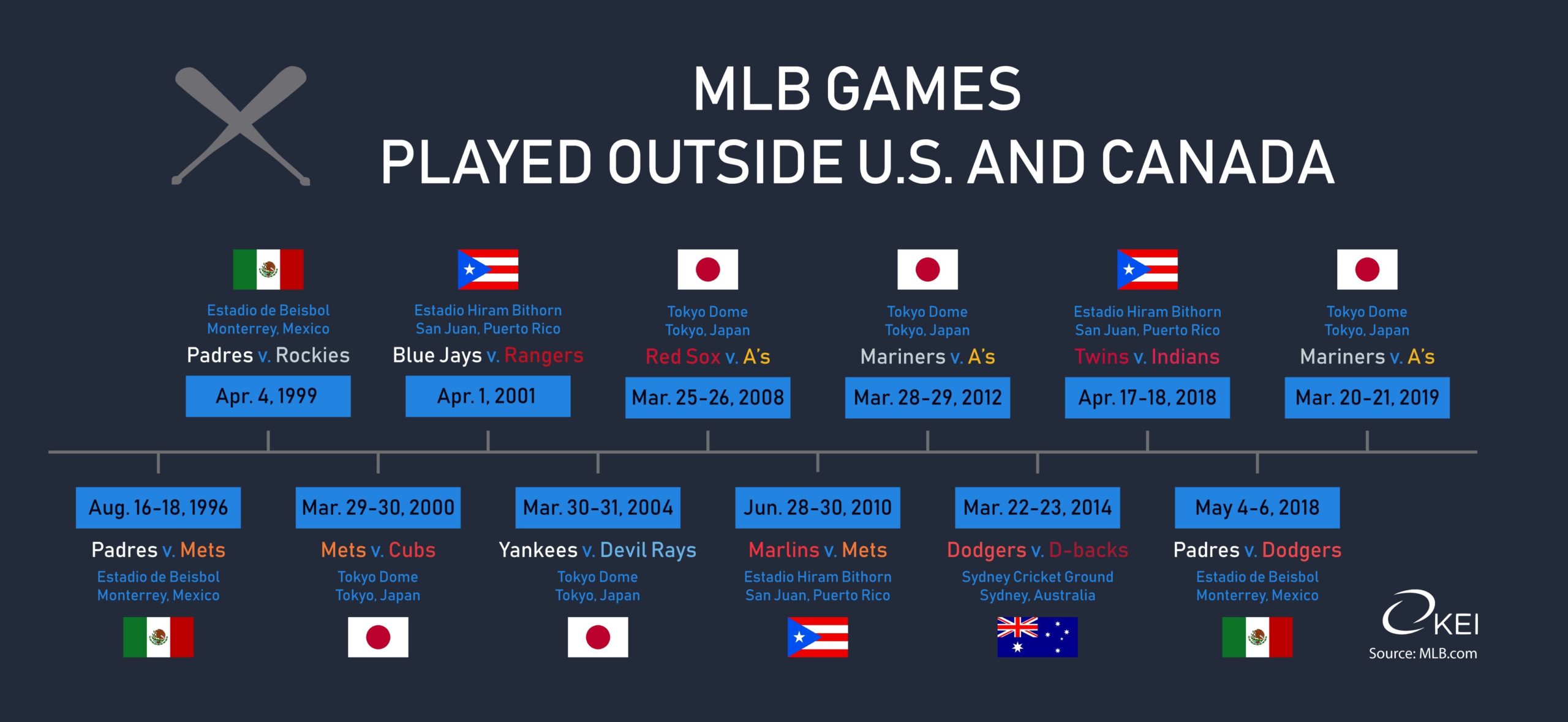
Whether it’s a post-season All-Star tour or a season opening series, it’s time for MLB to deepen its efforts to grow the game in South Korea.