The Foreign Policy Outlook of South Korean Progressives: Part II
The history of South Korea’s political divide informs how the country’s liberals approach not only their political goals but also foreign policy outlook.

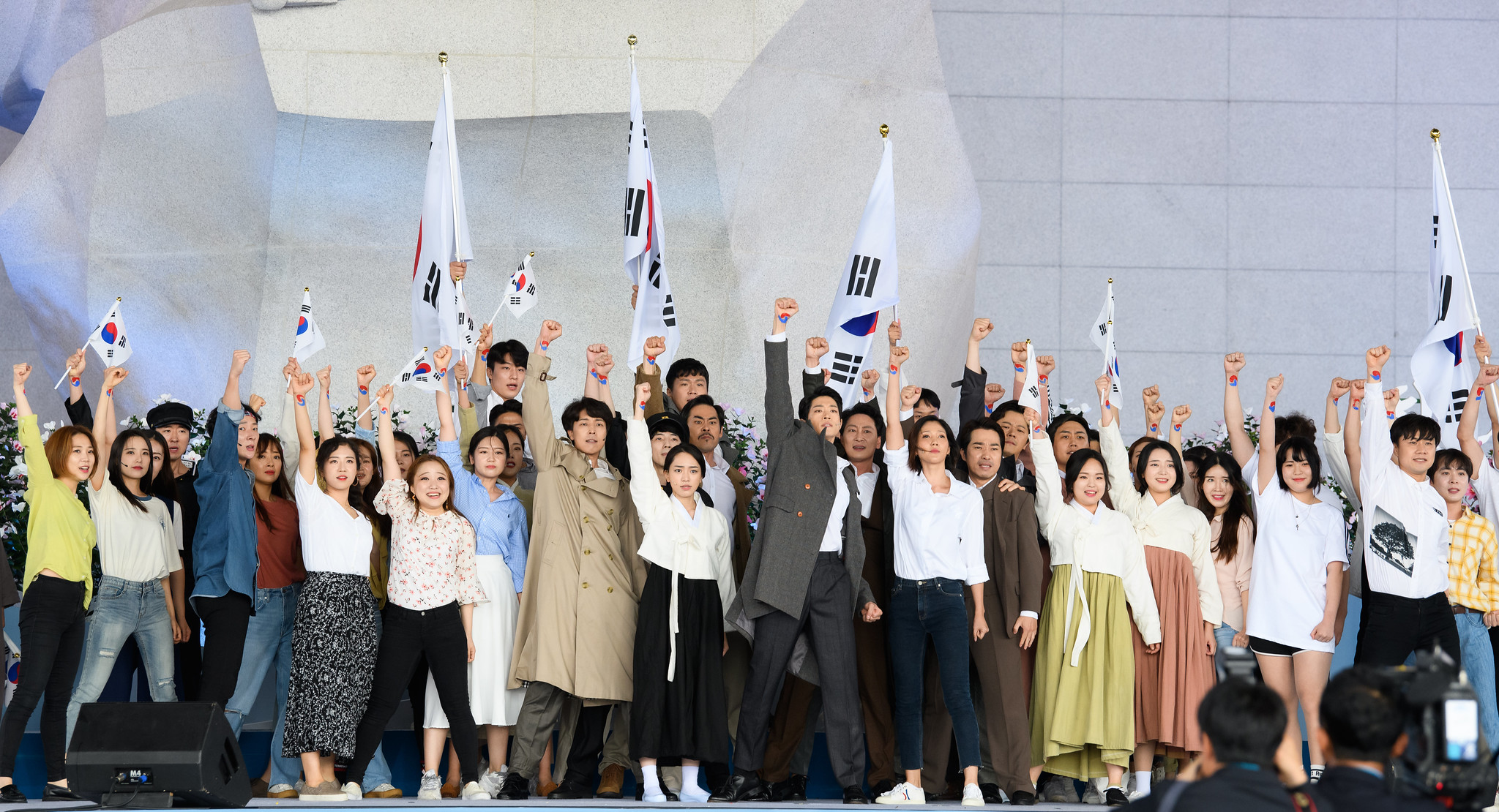
The history of South Korea’s political divide informs how the country’s liberals approach not only their political goals but also foreign policy outlook.

Celebrities announcing their premarital pregnancies in South Korea are not as deviant from traditional family norms as they might appear.
Despite South Korea’s technological sophistication, the government’s attempts to solve social issues with technology fall short of being transformative.
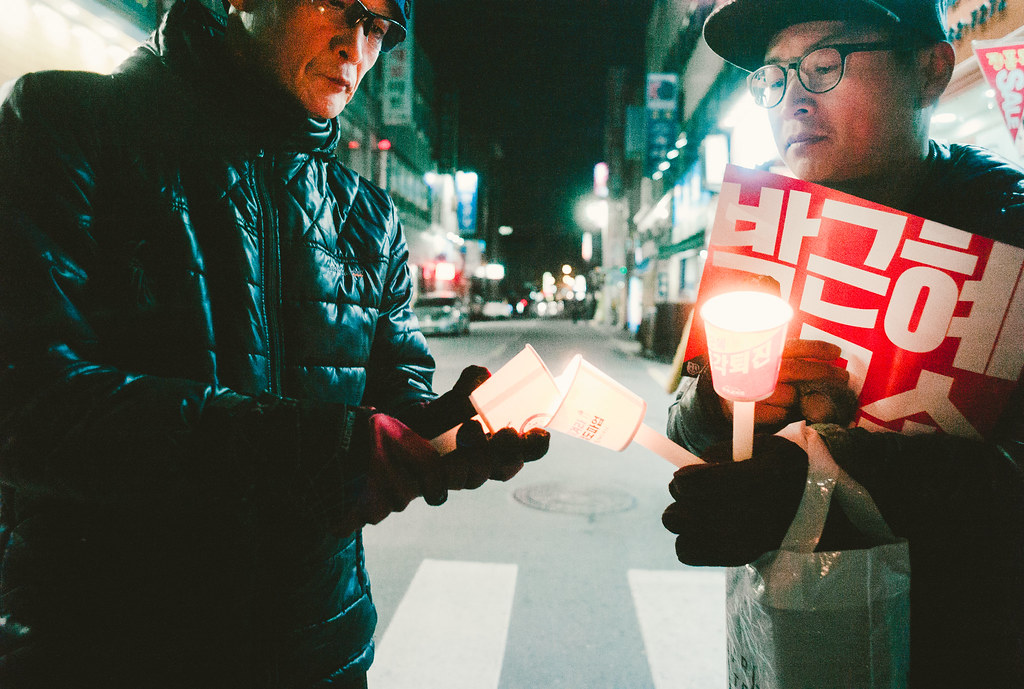
Compared to campaign pledges from 10 years ago, candidates today speak more about corruption than economic growth.

No matter the immediate posture of North and South Korea, the Ukraine crisis has already informed new security realities on the Korean Peninsula.

With Russian troops poised to potentially invade the Ukraine, does South Korea have a stake in the outcome? There is one suprisingly important connection.
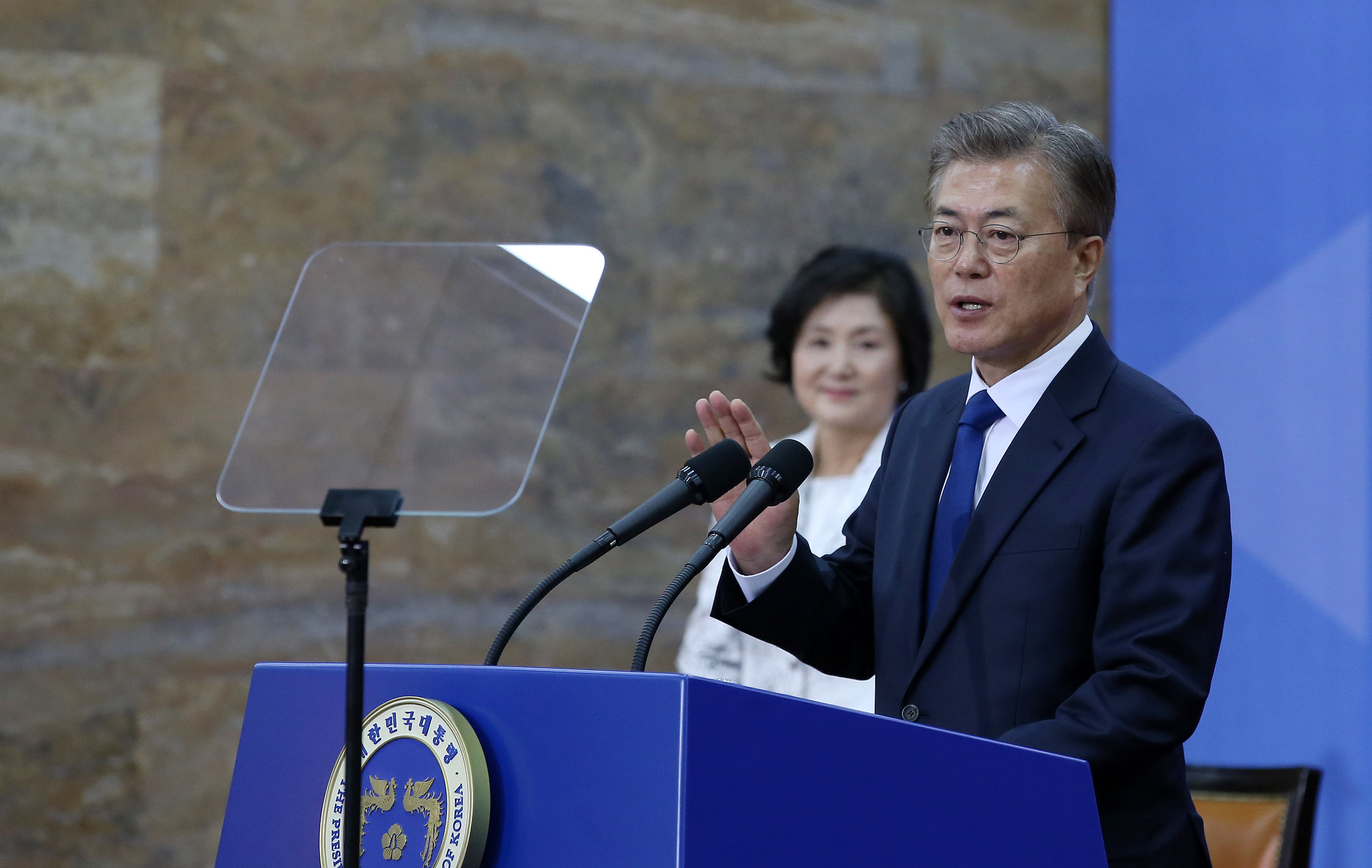
By paying little attention to South Korea’s domestic politics, foreign policy circles in Washington carry a distorted understanding of Korea’s progressives.
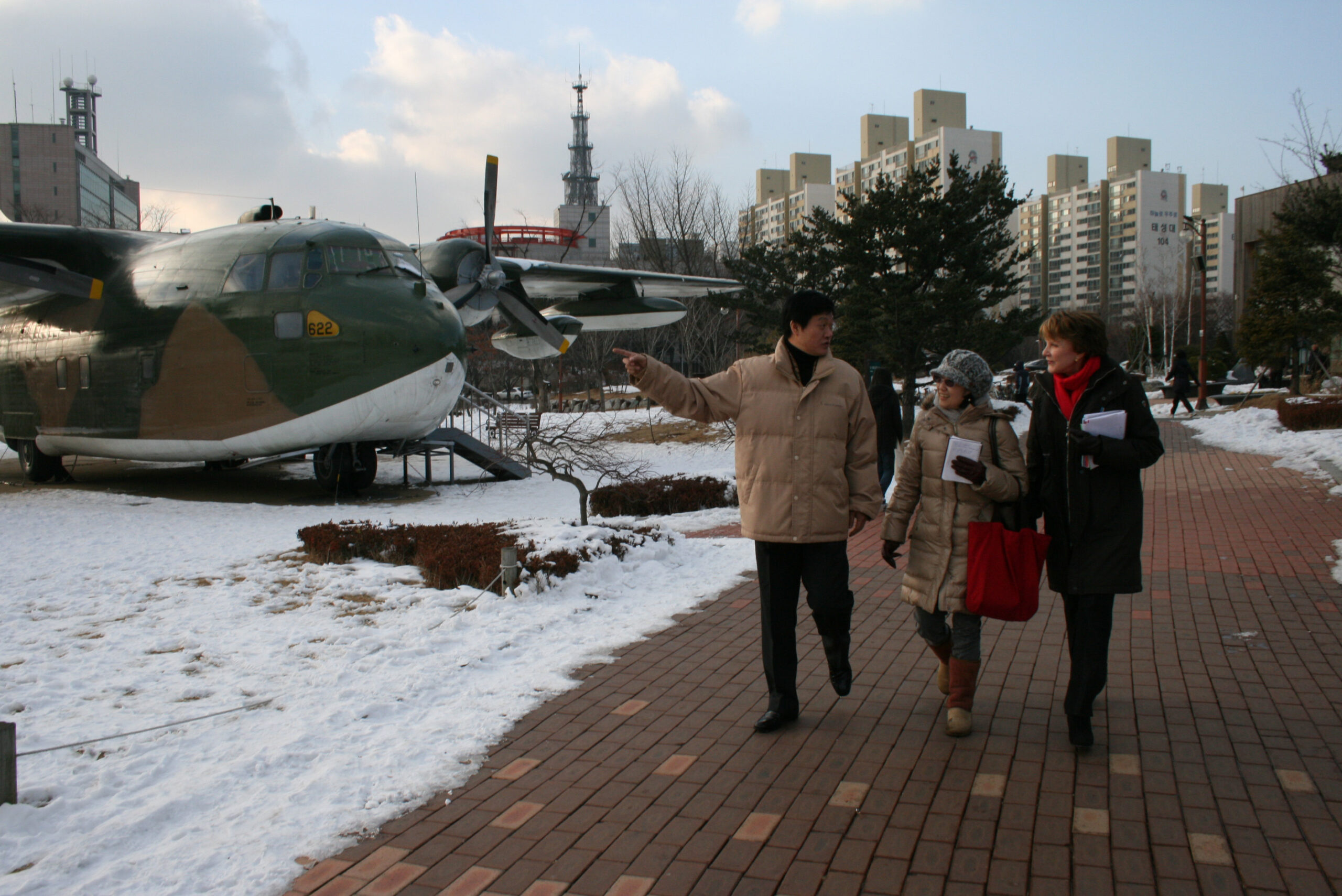
Values and biases of everyday South Koreans are reflected in the government’s approach to defector-migrants from North Korea.
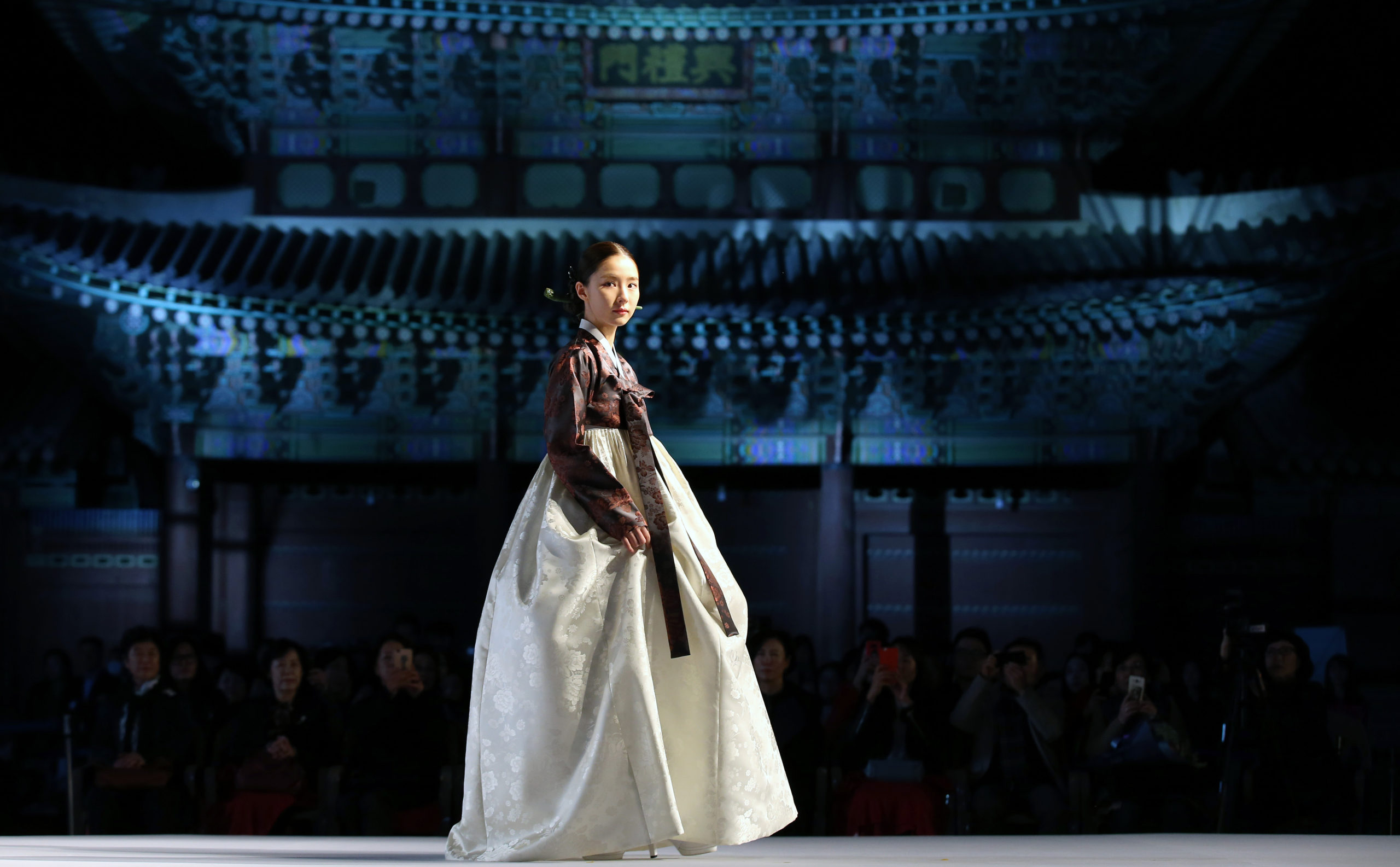
The Korean anger at China’s use of hanbok stems from the clothing’s role in not only the country’s national identity but also present prestige.
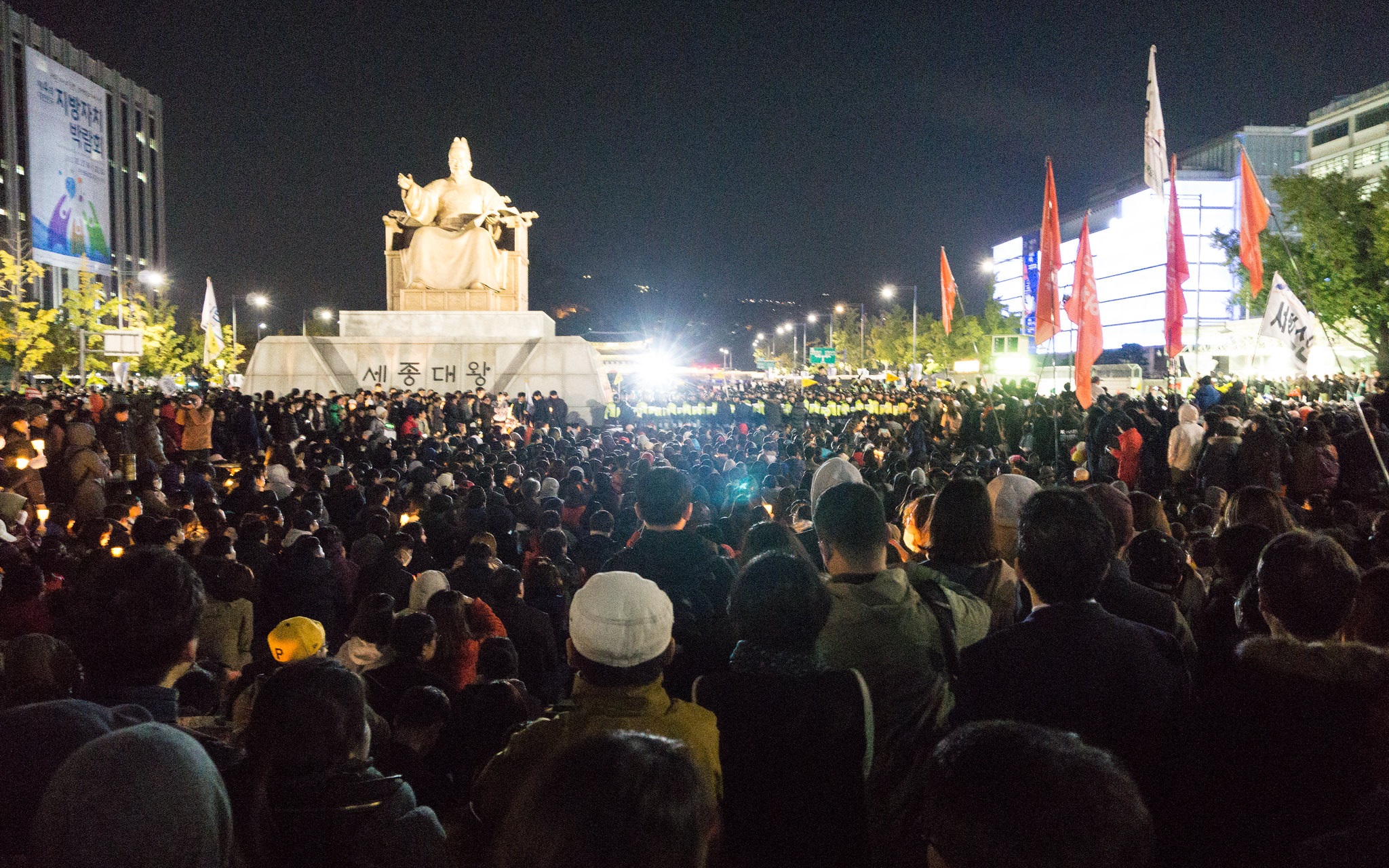
While the general electorate in Korea has been relatively stable in recent years, polarization is increasing among political partisans.