Growing Ties with Indonesia: A First Look at South Korea’s Indo-Pacific Strategy
Indonesia has helped to jumpstart South Korea’s Indo-Pacific strategy due to the timely nature of the recent bilateral summit.

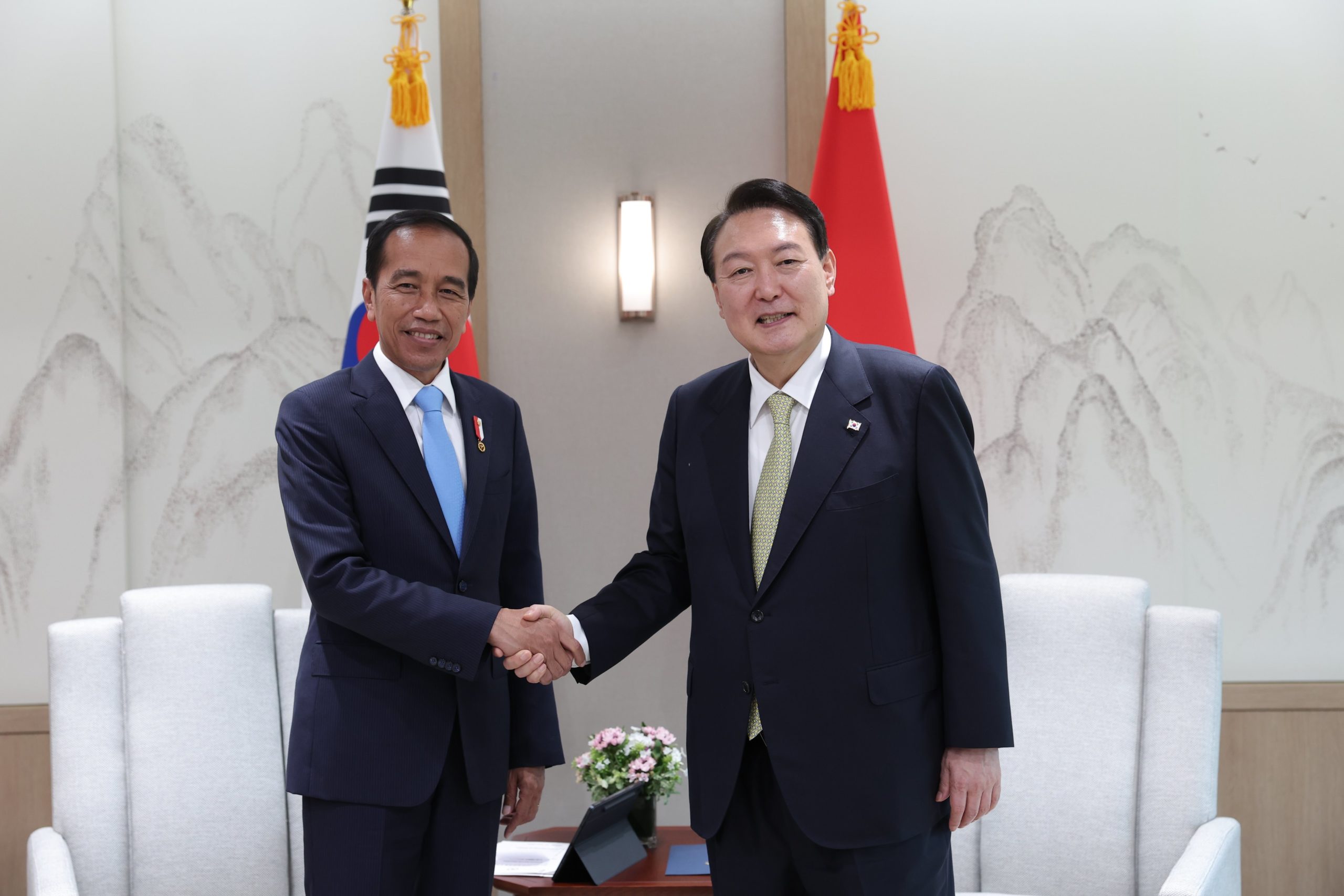
Indonesia has helped to jumpstart South Korea’s Indo-Pacific strategy due to the timely nature of the recent bilateral summit.

Korea’s low birthrate, combined with rising life expectancy, will sharply increase Korea’s dependency ratio and likely pose serious socio-economic issues.

The CHIPS Act and the future of U.S.-ROK technological cooperation pose challenges and opportunities for South Korea and its semiconductor industry.
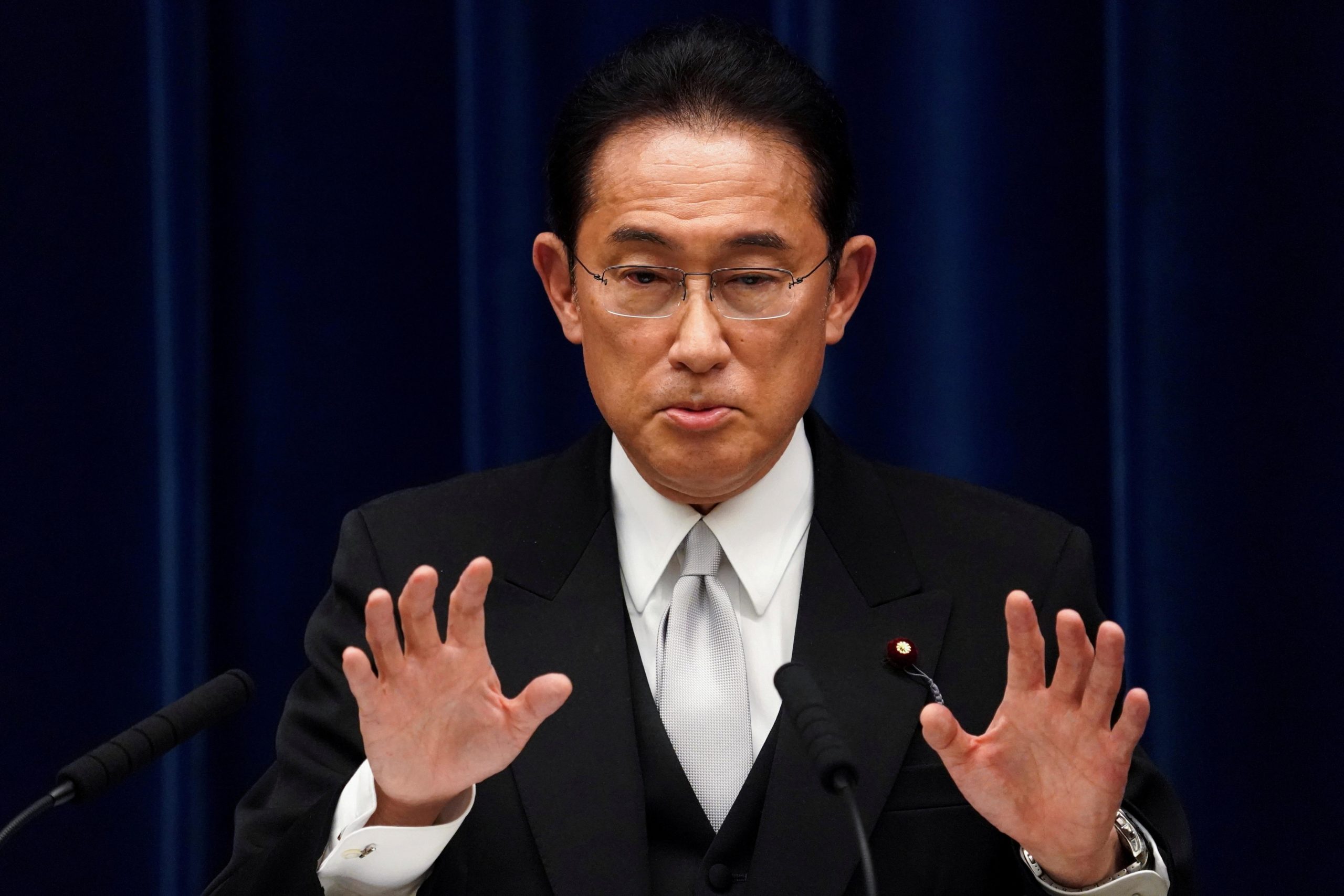
While some experts are optimistic Yoon’s efforts will yield positive results, there remain significant obstacles to reseting relations with Japan.

Although ROK-Japan talks aim to mend bilateral relations, a sustainable solution for the forced labor issue requires an efficient and legitimate agreement.

South Korea’s focus on fostering economic ties with Mexico reveals its hope of using the renewed relationship to address supply chain issues.

Recurring deadlocks in the National Assembly are fed by and worsen the public’s alienation from the political process.
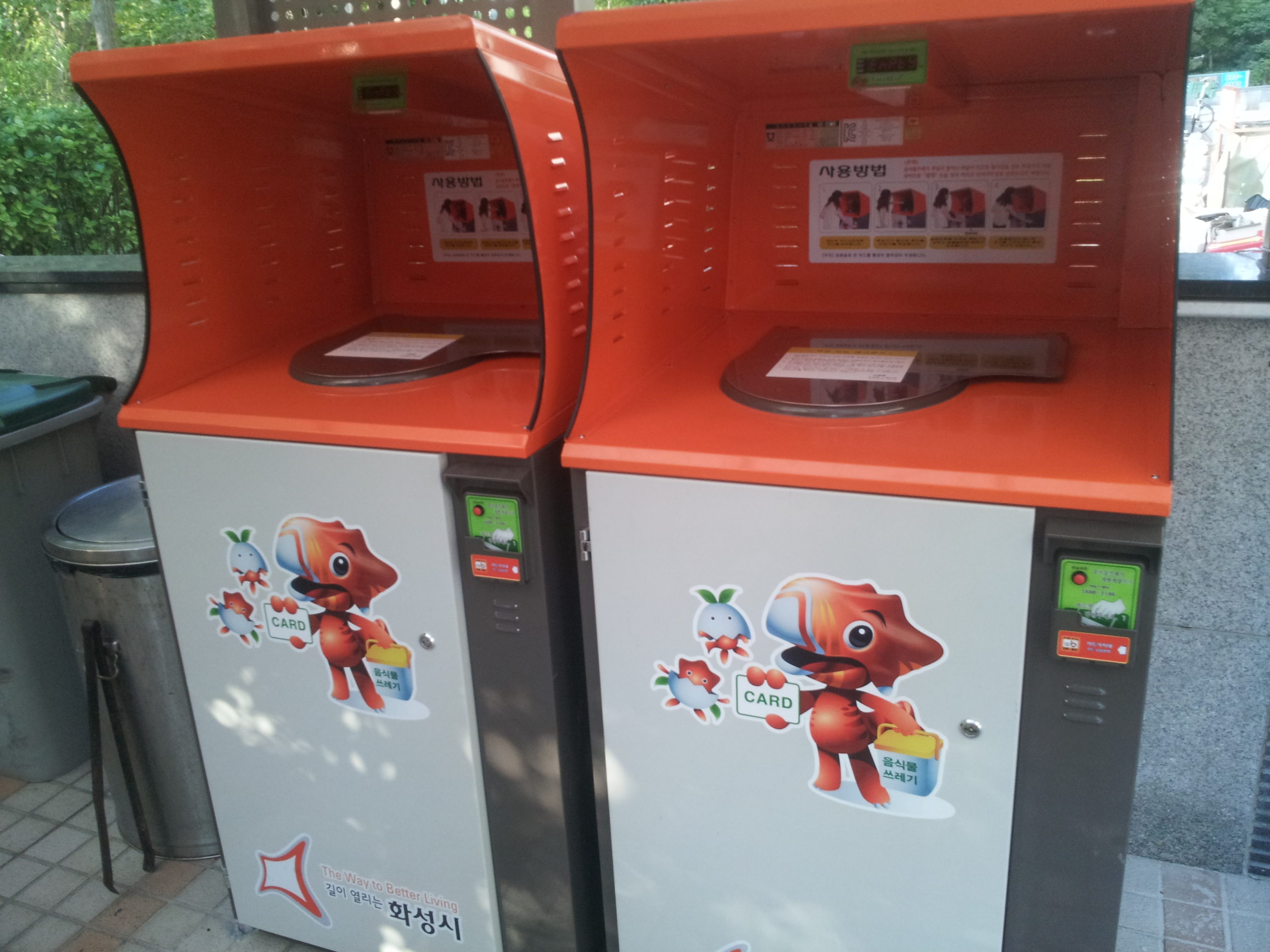
South Korea represents a good case study of a country that has tackled the problem of food waste head-on and recycles 95% of it today.
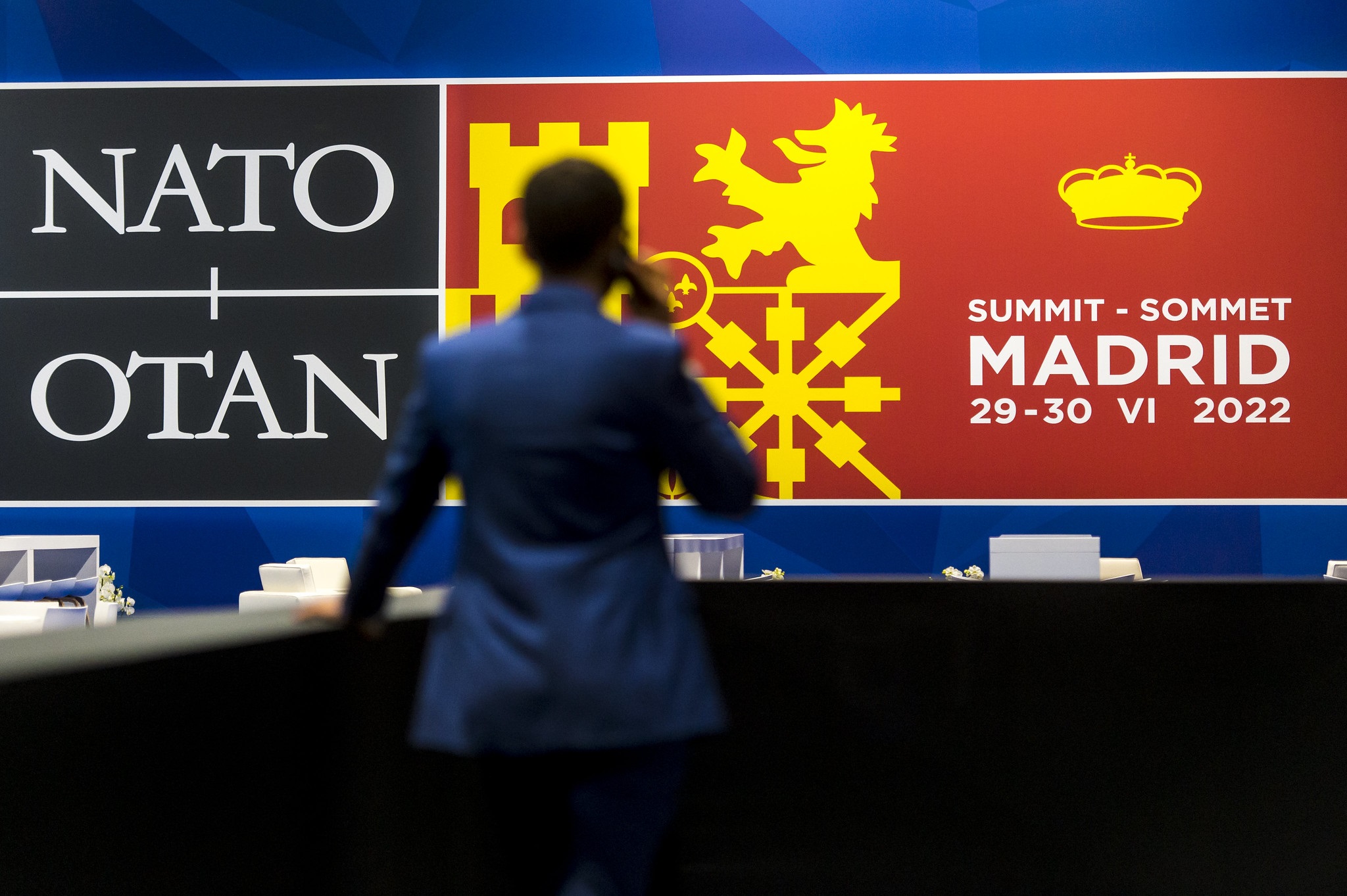
President Yoon’s foreign policy objectives and the war in Ukraine are creating space for South Korea to contribute more to regional security in Europe.

Building on a worldwide surge in discontentment, Korean firms make the first antitrust challenge against Google’s monopolistic behavior in the app market.