South Korea Re-engages on North Korean Human Rights in the United Nations; UN Special Rapporteur Makes First Report
As South Korea re-engages on the issue of human rights in North Korea at the United Nations, the new UN Special Rapporteur debuts.

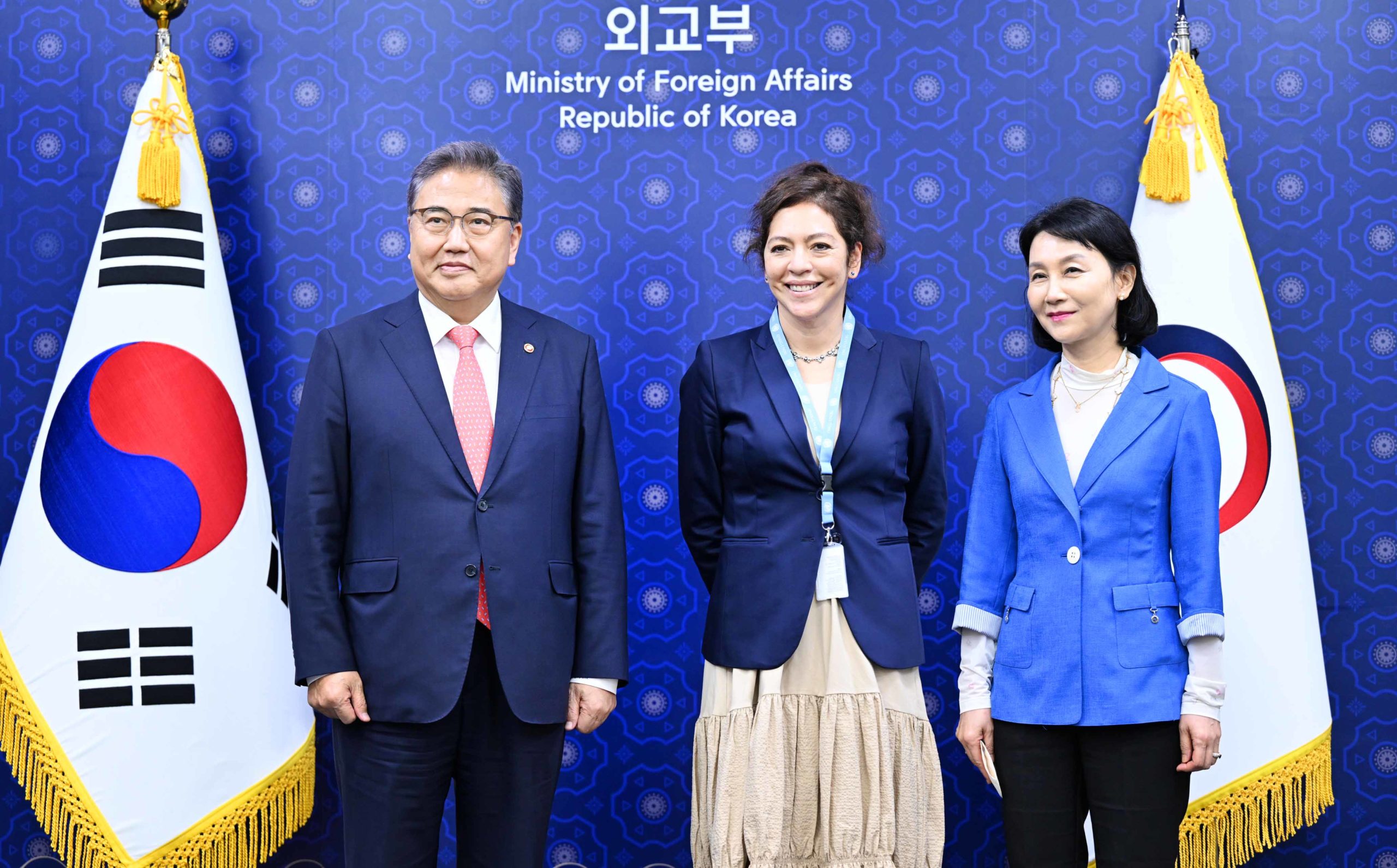
As South Korea re-engages on the issue of human rights in North Korea at the United Nations, the new UN Special Rapporteur debuts.

While Korea has not had a major focus on Pacific, experts say Seoul should consider ways to contribute to the Partners in the Blue Pacific.
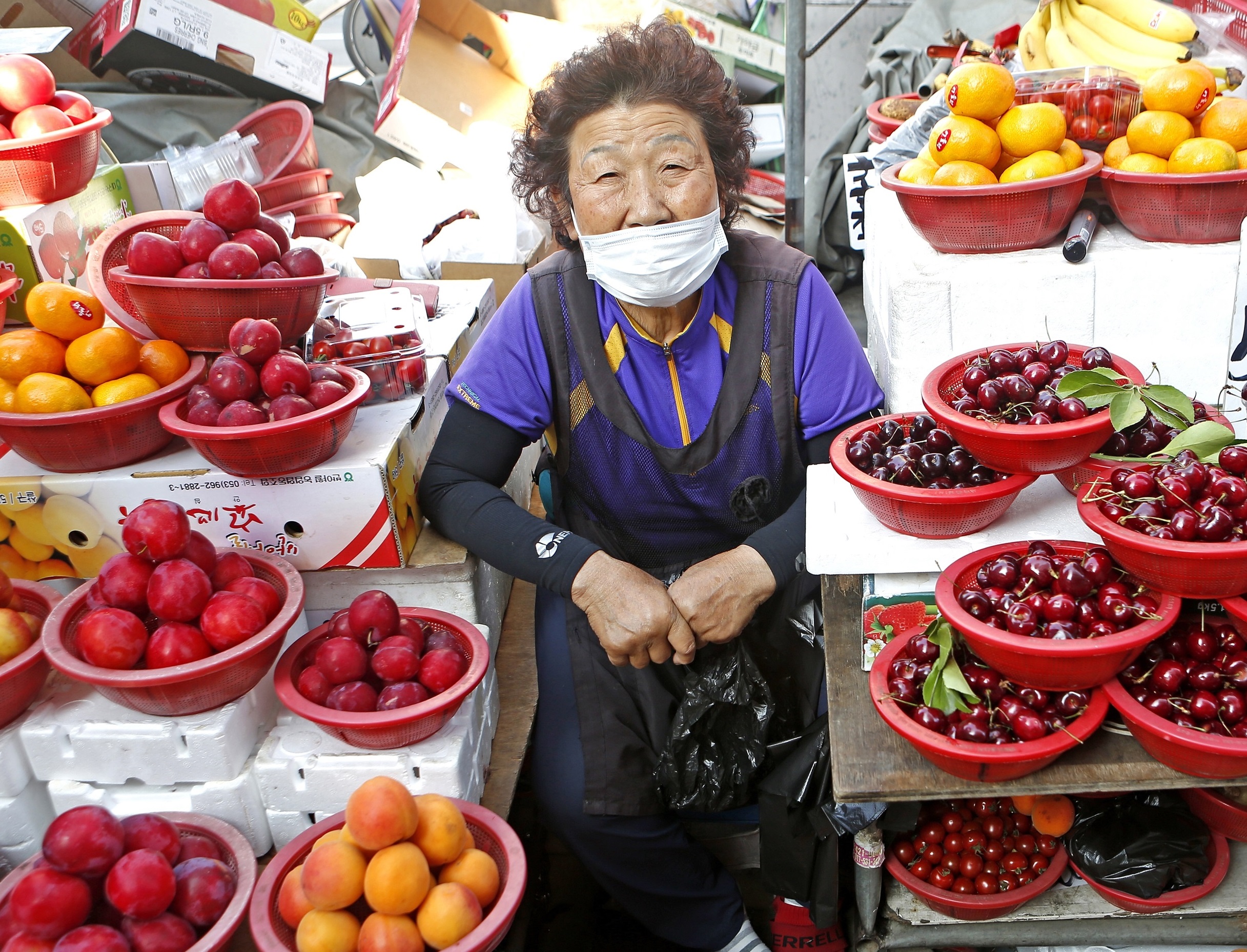
To ensure adequate retirement income Korea needs to undertake pension reform, expand company pensions, and encourage private savings.

Recent debates on South Korea securing an independent nuclear weapons capacity have not addressed whether it can be a nuclear middle power.
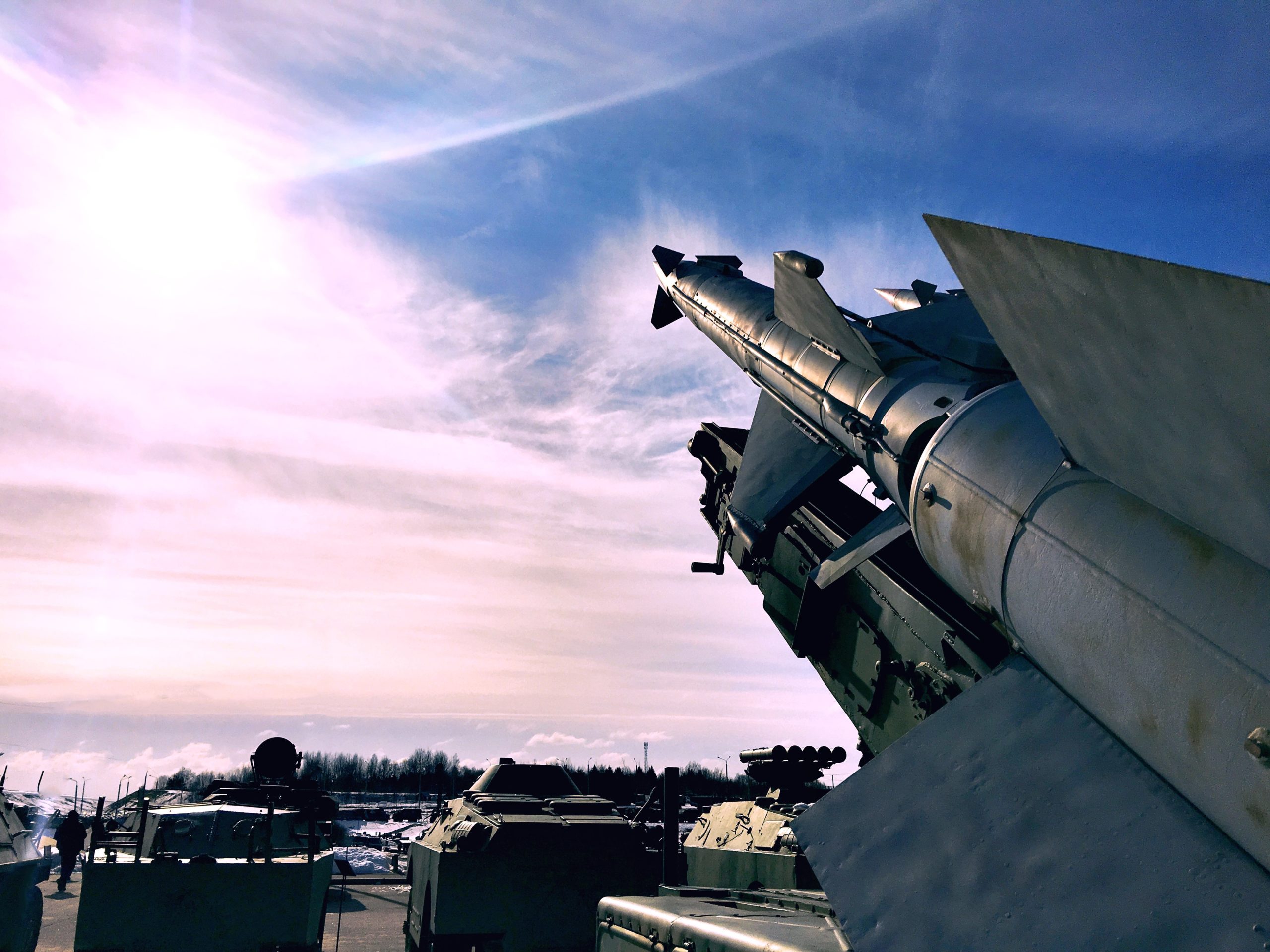
As concern regarding an imminent North Korean nuclear test increases, the debate on South Korea securing its own nuclear weapons is growing.
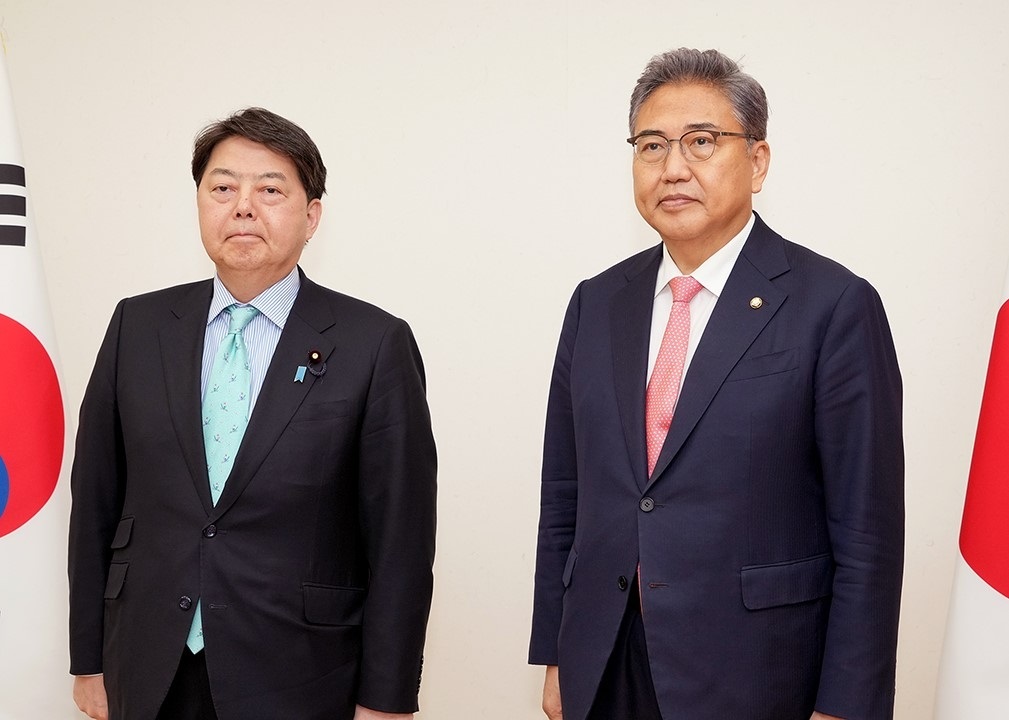
Ironically, the most immediate impact of North Korea’s relentless missile testing, has been to draw Japan and South Korea closer together.

The meeting between President Yoon and Prime Minister Kishida on September 21 was notable mainly for the fact that it took place.
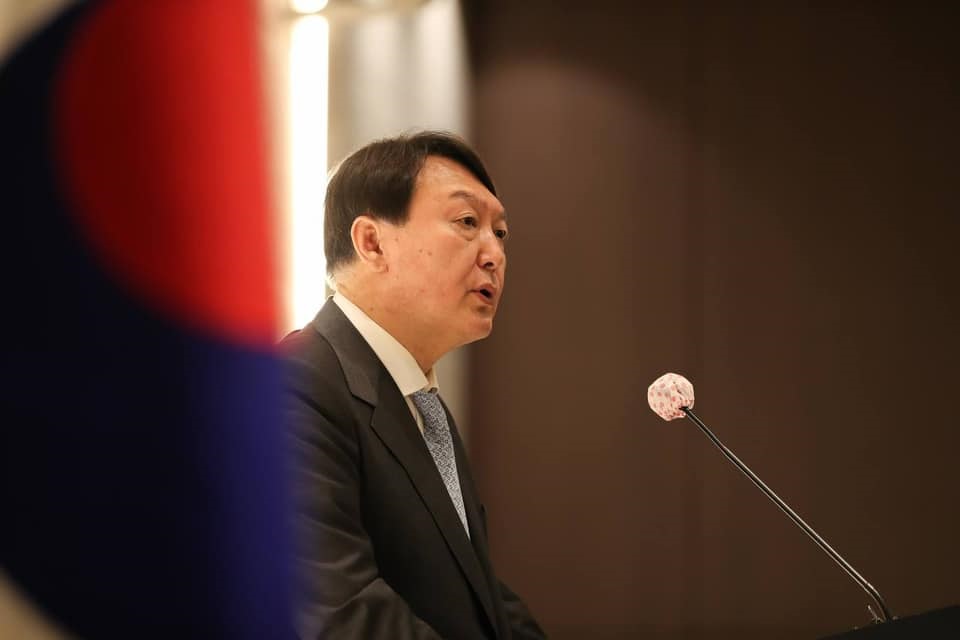
Since the inauguration of President Yoon Suk Yeol four months ago, a shift in policy on North Korean human rights has taken place.
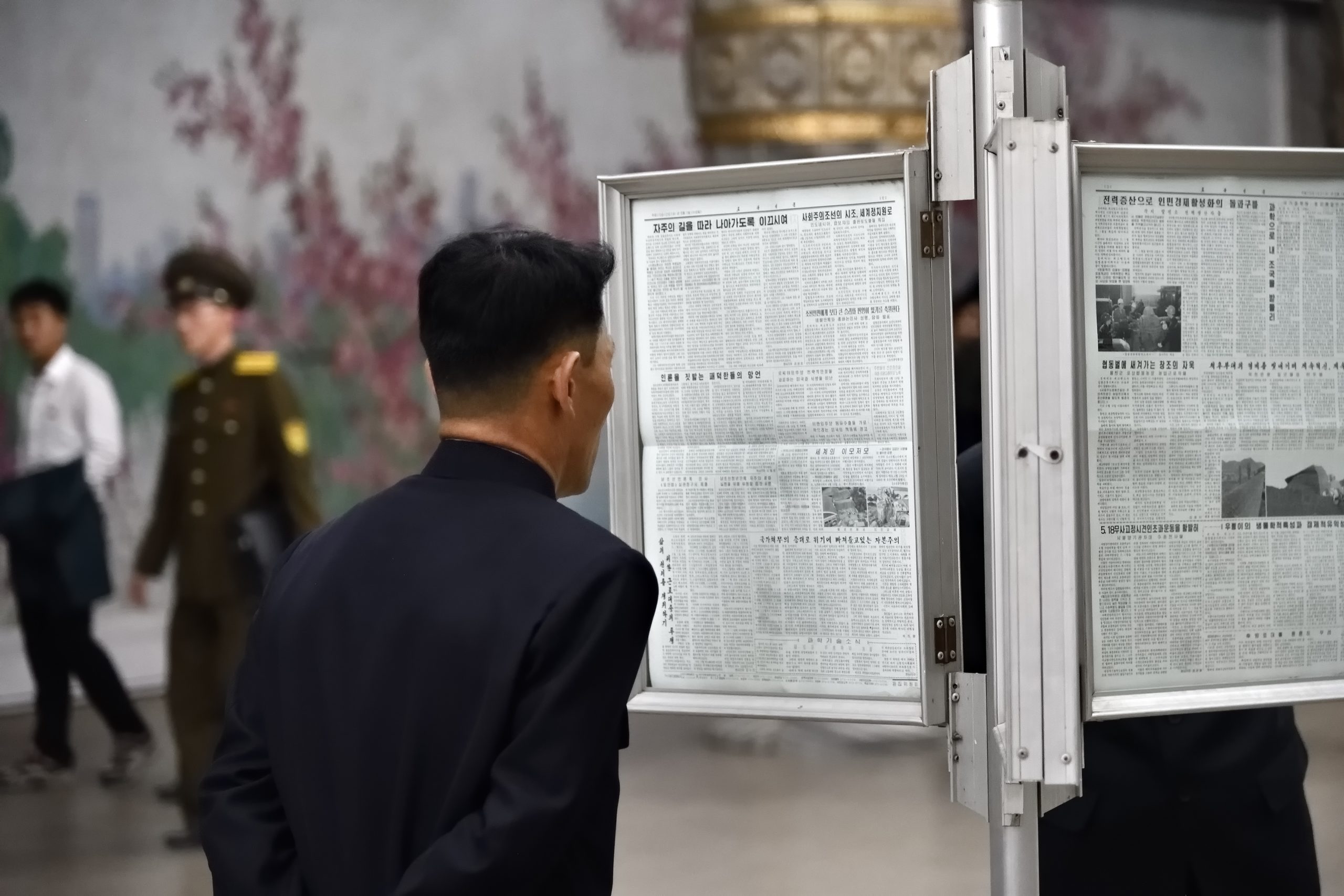
At the end of July, the Yoon government announced its intention to relax South Korea’s prohibition on North Korea media.

As young Koreans navigate an increasingly competitive education system and job market, esports present a new opportunity.