Industrial Policy: Did it work in Korea 50 years ago?
Korea’s use of industrial policy in the 1970s has implications for the current debate over the use of industial policy in the United States.


Korea’s use of industrial policy in the 1970s has implications for the current debate over the use of industial policy in the United States.
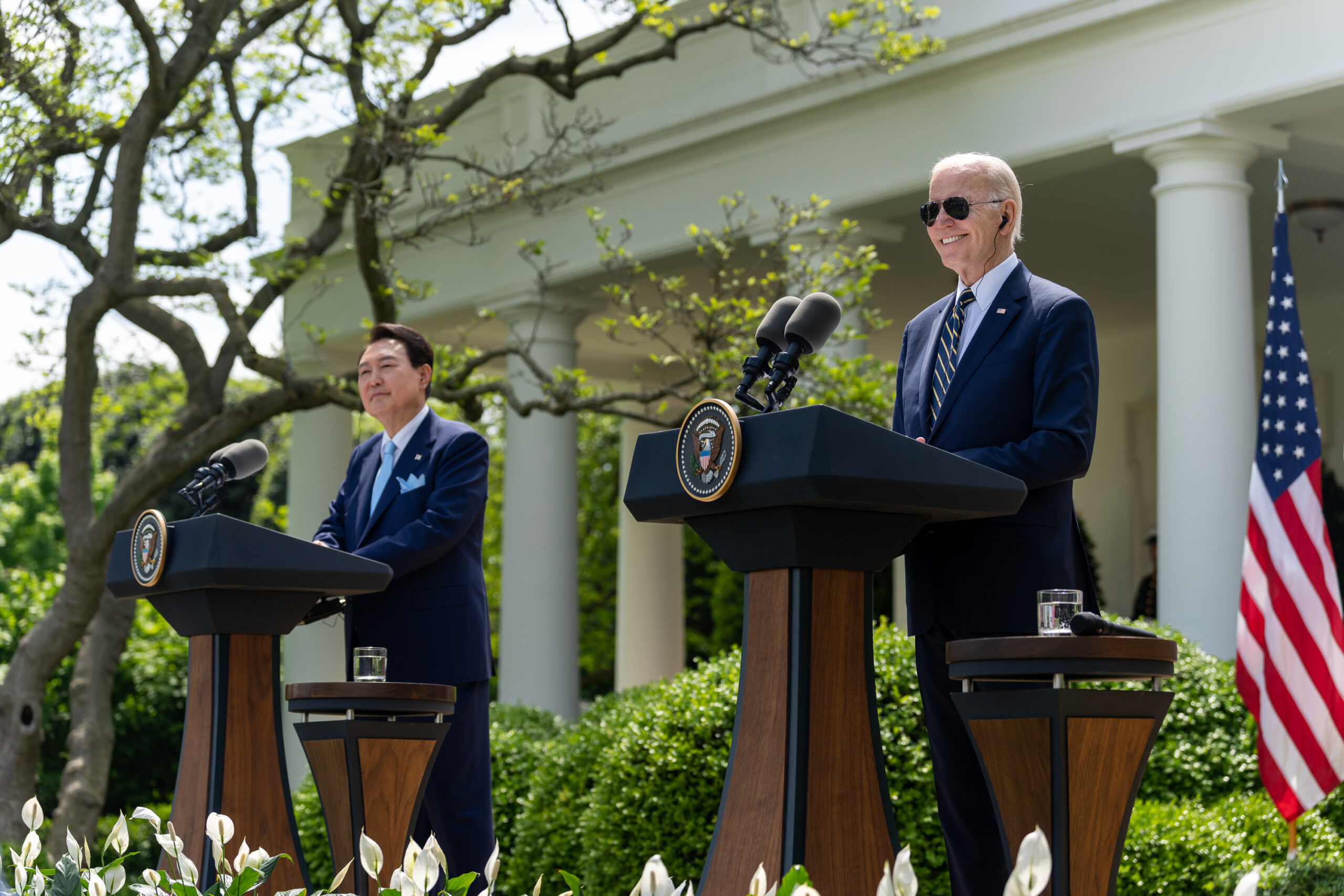
The Washington Declaration was designed to ease South Korean concerns about U.S. extended deterrence. Will it achieve its goal?
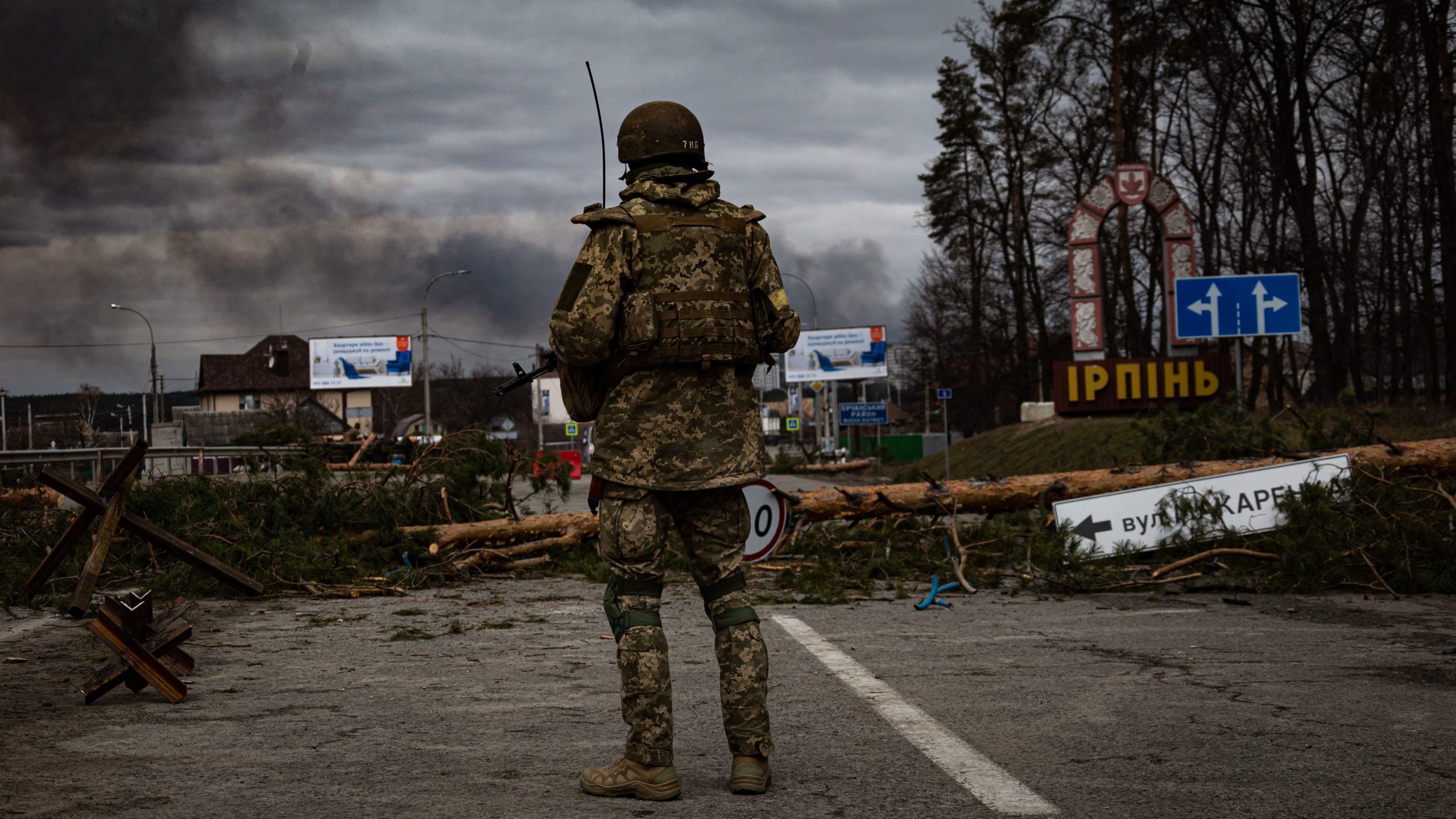
How South Korea responds to Russia’s invasion of Ukraine will shape the type of middle power Seoul will become.

A shared view of history will provide a stronger foundation for the future of the bilateral relations between Korea and Vietnam.

Despite taking steps in response to CHIPS Act, South Korea and the United States still need to engage in a more sustained process.

President Yoon Suk Yeol made a bold effort to improve relations with Japan, but swaying public opinion remains critical to its success.
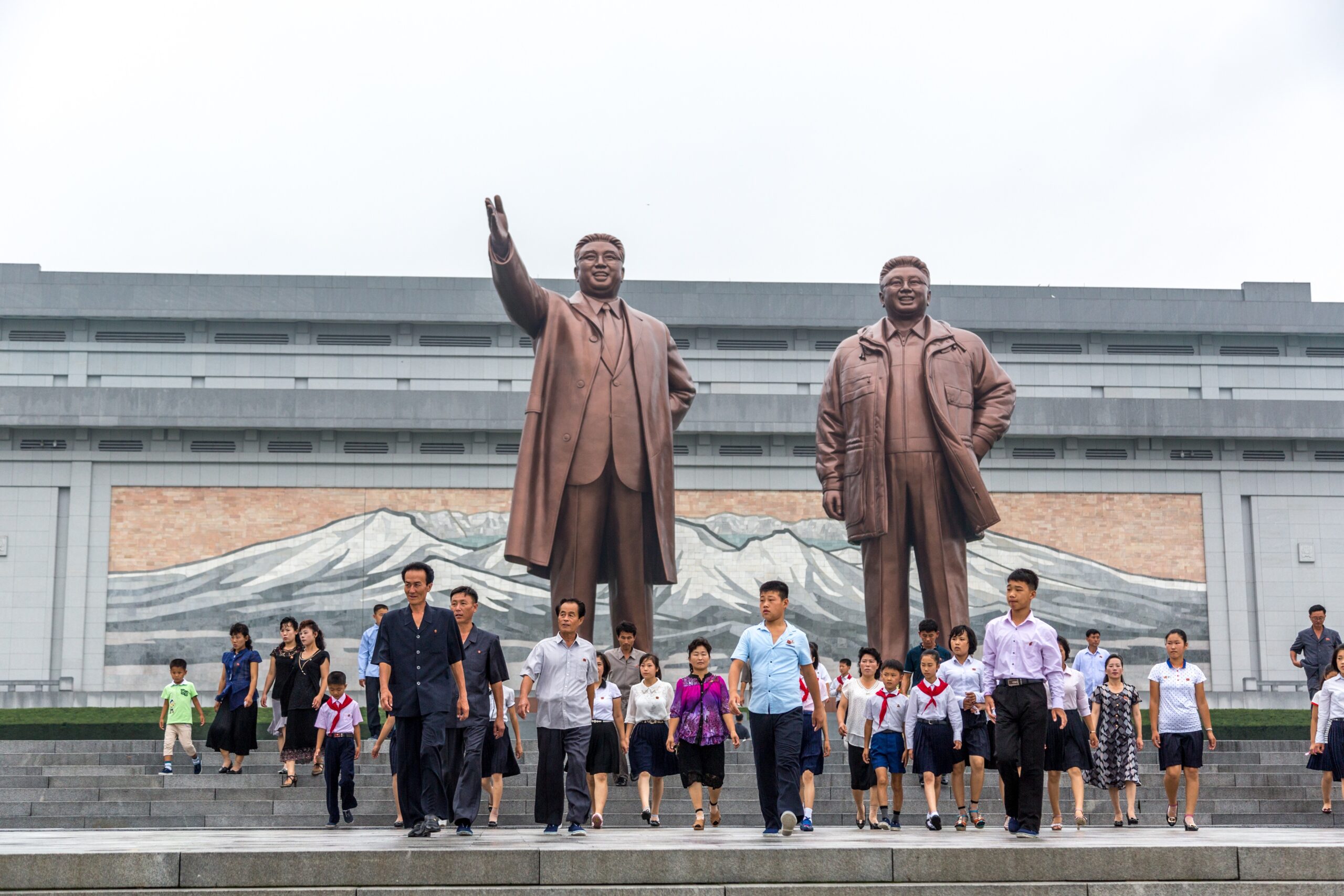
South Korea publishes its first public report on North Korean human rights since the passage of the 2016 North Korea Human Rights Act.

Korea’s new economic outlook is a slight downward revision from the OECD’s November 2022 outlook in the context of global economic growth.

The door to rapprochement and normalisation of Korea–Japan relations has been opened, but challenges remain.

The proxy battle between Kakao and HYBE for control of SM Entertainment has significant implications for K-pop’s future.