North Korea’s Asymmetrical Cyber Threat
The casual observer may be perplexed by the recent headlines of supposed North Korean hackers effectively bringing Sony Pictures Entertainment’s computer systems to its knees.

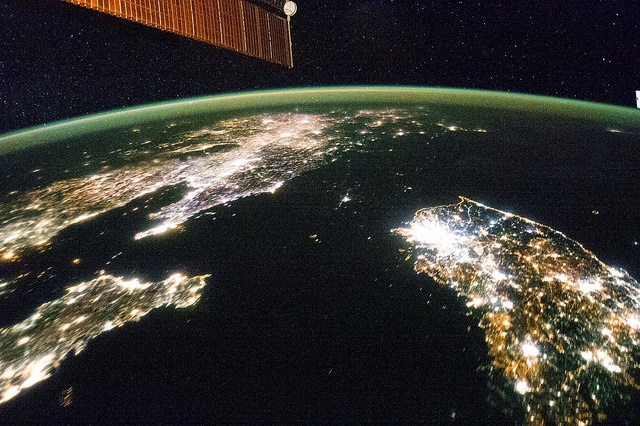
The casual observer may be perplexed by the recent headlines of supposed North Korean hackers effectively bringing Sony Pictures Entertainment’s computer systems to its knees.
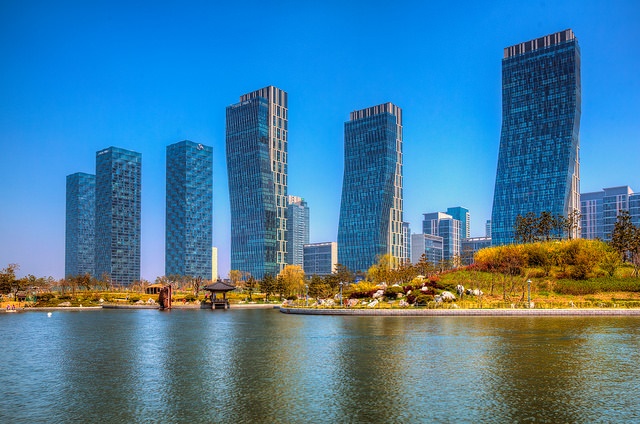
One venue for international cooperation with the DPRK is through a United Nations regional agency headquartered in South Korea, the United Nations Economic and Social Commission for Asia and the Pacific: Subregional Office for East and North-East Asia,” or ESCAP-ENEA.

In its first public response to North Korea’s suspected cyber attack on Sony, the Obama Administration announced new financial sanctions on three North Korean entities and ten individuals related to North Korea’s defense industry.
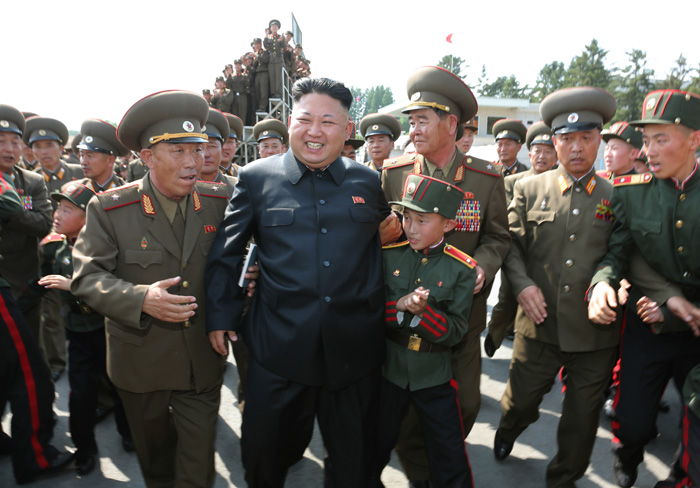
Dennis Rodman and Seth Rogen have made the same mistake on North Korea.

North Korea’s cyber attack on Sony Pictures Entertainment and the subsequent threats to target theaters that screened “The Interview” have had a chilling effect beyond Sony’s decision not to release “The Interview” on Christmas day.
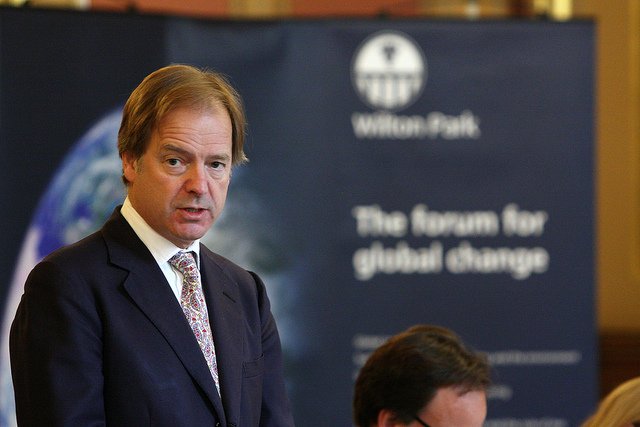
For Human Rights Day Minister of State at the Foreign & Commonwealth Office, Hugo Swire, blogs on human rights in the Democratic People’s Republic of Korea.
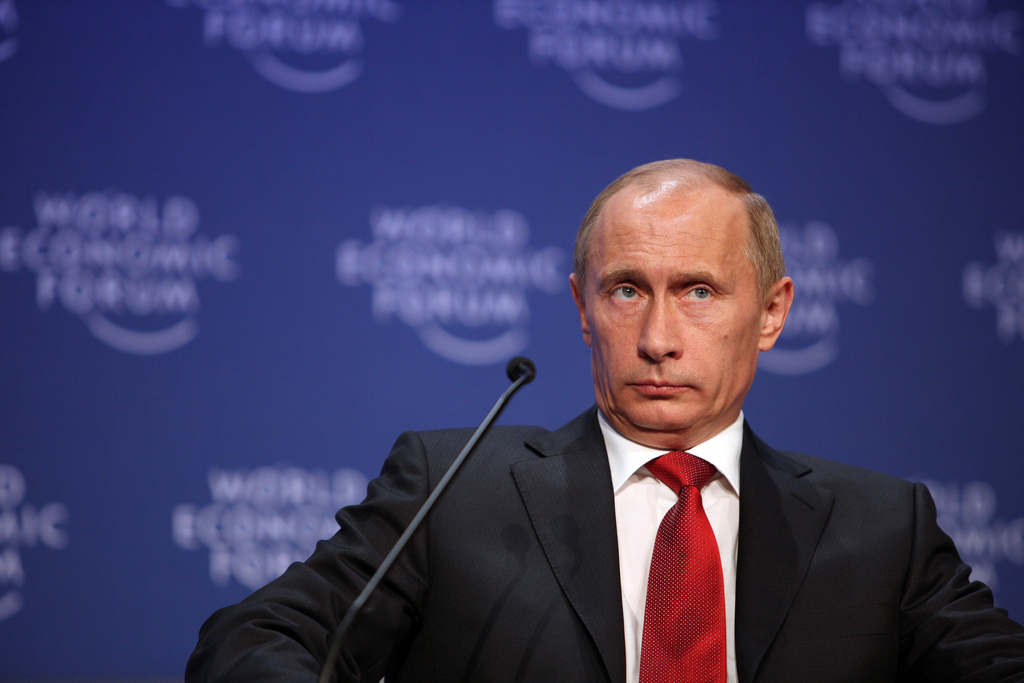
In light of the current geopolitical environment, would a summit meeting only deepen ties between Moscow and Pyongyang or could it also break North Korea’s diplomatic isolation and change the dynamics in Northeast Asia?
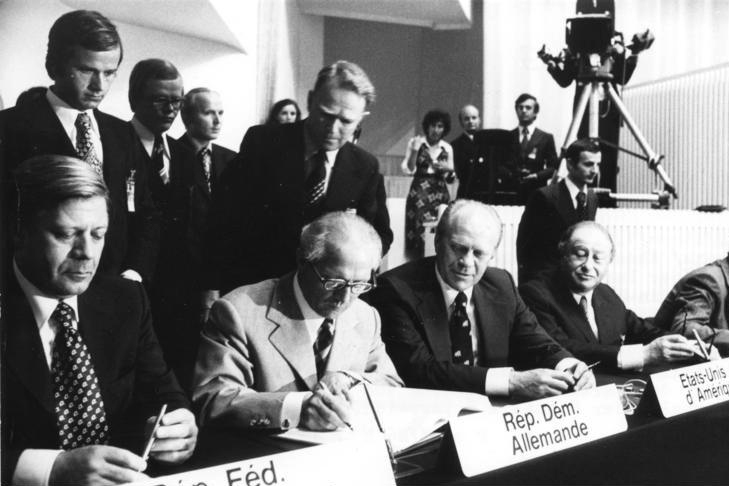
There is a desire to replicate the Helsinki process in Northeast Asia as a tool to decrease tensions on the Korean peninsula and to improve the human rights situation in the Democratic People’s Republic of Korea.
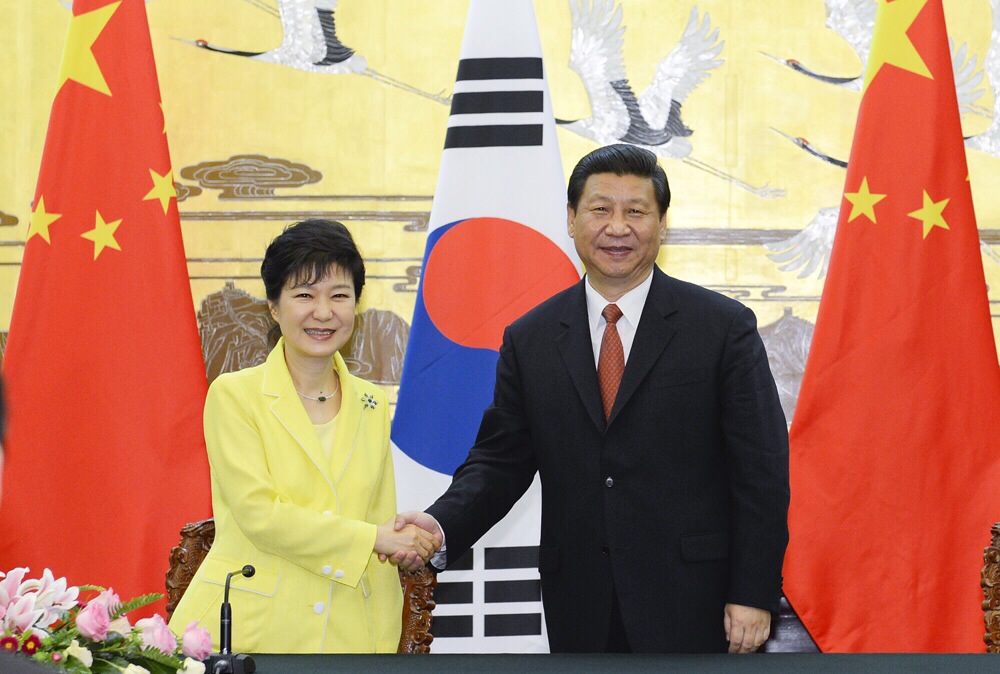
South Korea’s ambition to become a regional free trade hub in East Asia took another step towards reality as South Korea and China announced the outline of a conclusion of their bilateral FTA negotiations
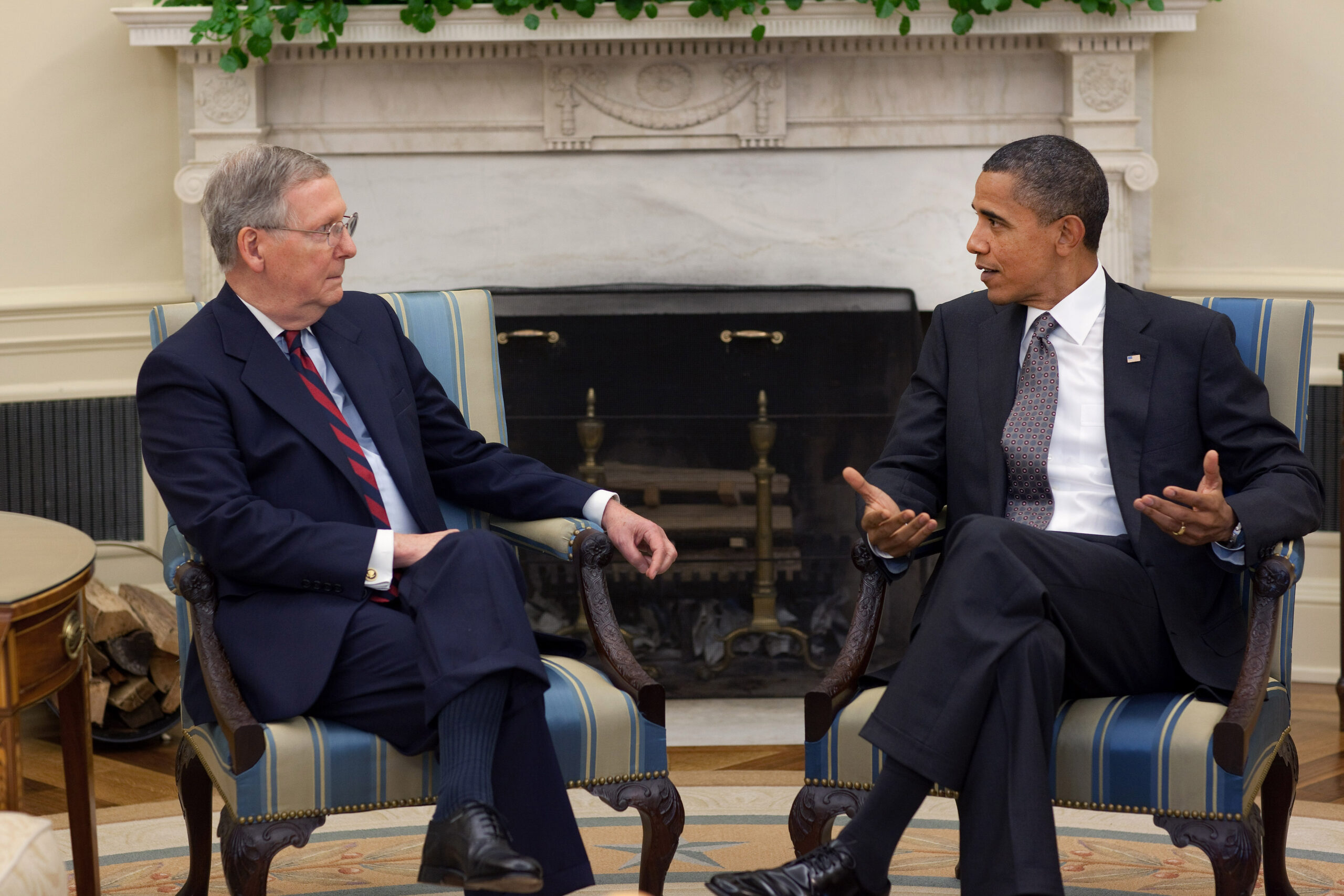
With Republicans winning a majority in the Senate for the first time in eight years, President Obama will face a Republican Congress for his final two years in office.