North Korea: A State Sponsor of Terrorism?
On October 22, 2015, the U.S. House Committee on Foreign Affairs held a subcommittee hearing on whether to designate North Korea as a state sponsor of terrorism
There are five issues that UN Secretary General Ban Ki-moon should raise if he is able to visit North Korea.
What clues can we detect in the U.S. presidential debates thus far about how the candidates view foreign policy, international trade, and, more specifically, relations with the Republic of Korea?
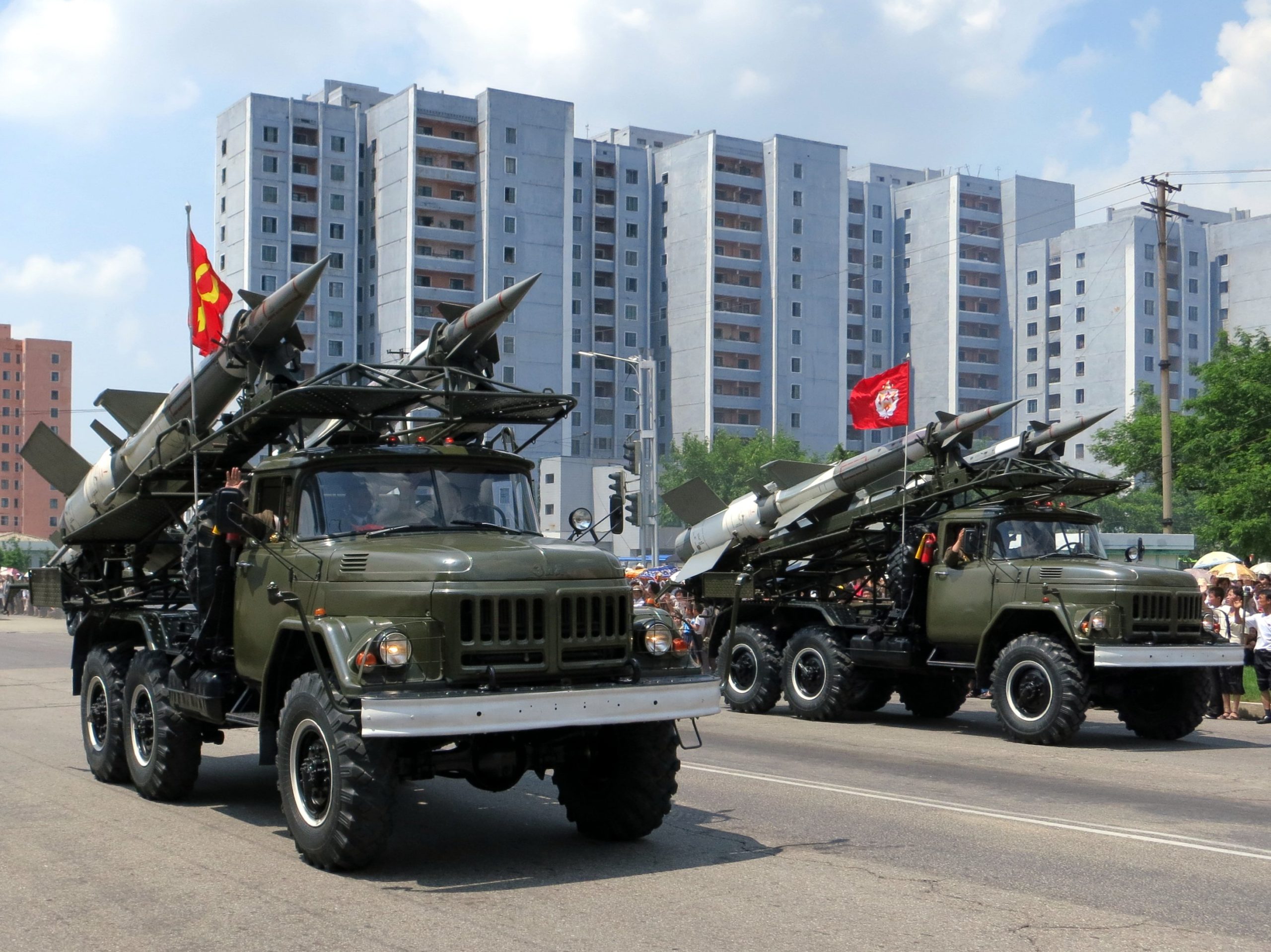
With North Korea celebrating the anniversary of its Workers Party on October 10, there was also some initial concern that the event would be marked by a missile launch or nuclear test, which would damage the possibility of the family reunions scheduled for later in the month. No missile or nuclear test occurred, and both the parade for the anniversary and the family reunions took place.
Earlier this month, three U.S. senators took on North Korea (DPRK) by introducing a broad sanctions bill aimed at addressing concerns about cyberwarfare and the North’s continued nuclear ambitions.
Still in the nascent stage of planning, a Northeast Asia Development Bank would serve as a multilateral development bank (MDB) to attract investment in Northeast Asia, specifically intending to incentivize the DPRK to denuclearize through access to external capital for development.
After the month of August featured shooting, shouting, and a negotiated joint statement, September mainly focused on laying the groundwork necessary to implement the August 25 agreement or to scuttle it.
A young defector summed the allure of pop culture to North Koreans best: “No matter how many people die, the sensational popularity doesn’t die…that is the power of culture.”
Although short of being a treaty, potential new new norms being negotiated by China and the United States could have longer-term implications, including for addressing cyber threats from North Korea.
In the aftermath of the recent tensions on the Korean peninsula some commentators have contended that South Korea is spinning the idea that North Korea apologized for maiming two South Korea soldiers when it didn’t directly claim responsibility for the act but merely expressed regret.