Why North Korean Silence on the Trump-Kim Summit?
North Korea has remained silent on the invitation and the decision to have a summit meeting. This has led to speculation about North Korea’s true intent.

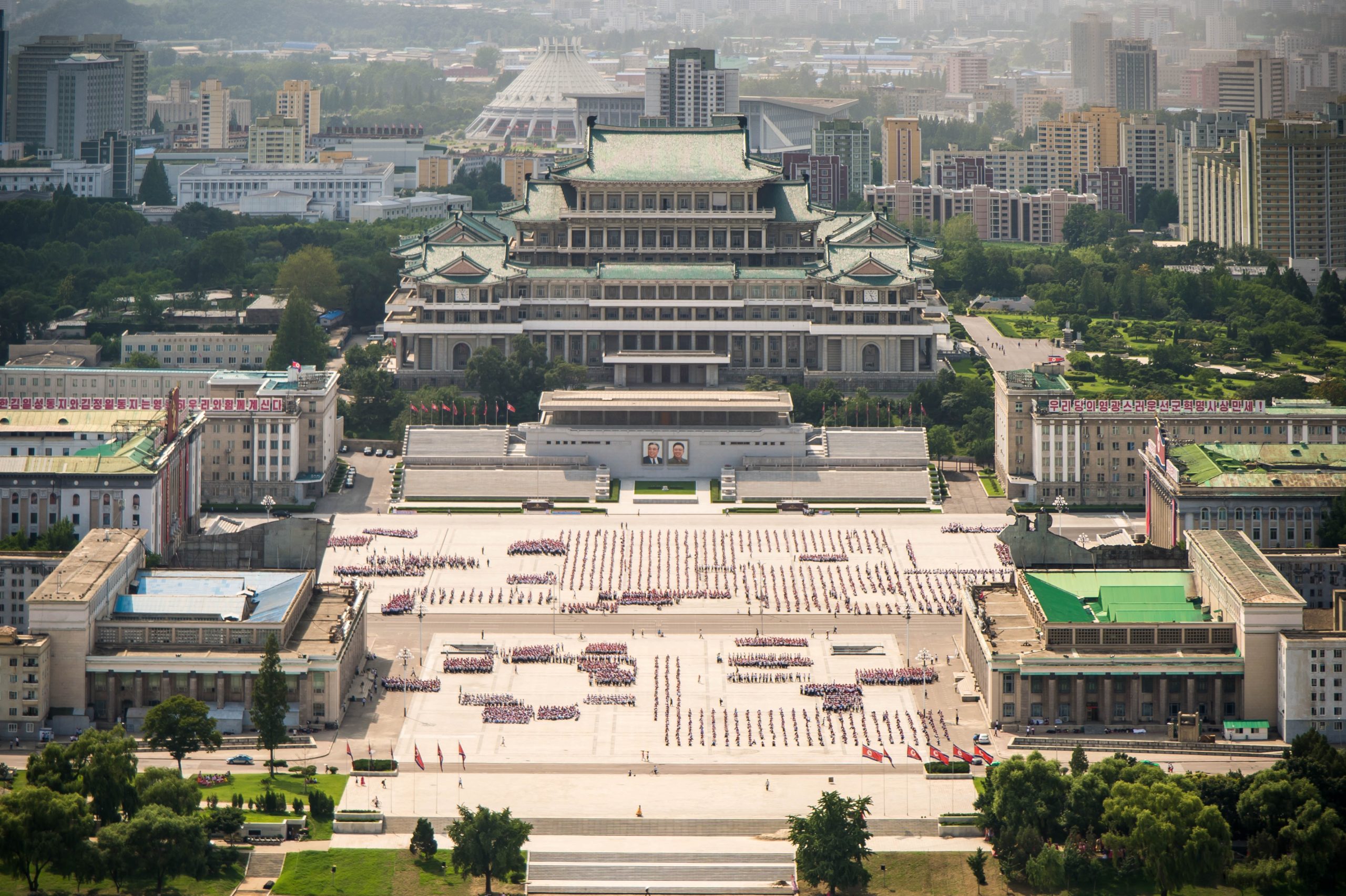
North Korea has remained silent on the invitation and the decision to have a summit meeting. This has led to speculation about North Korea’s true intent.
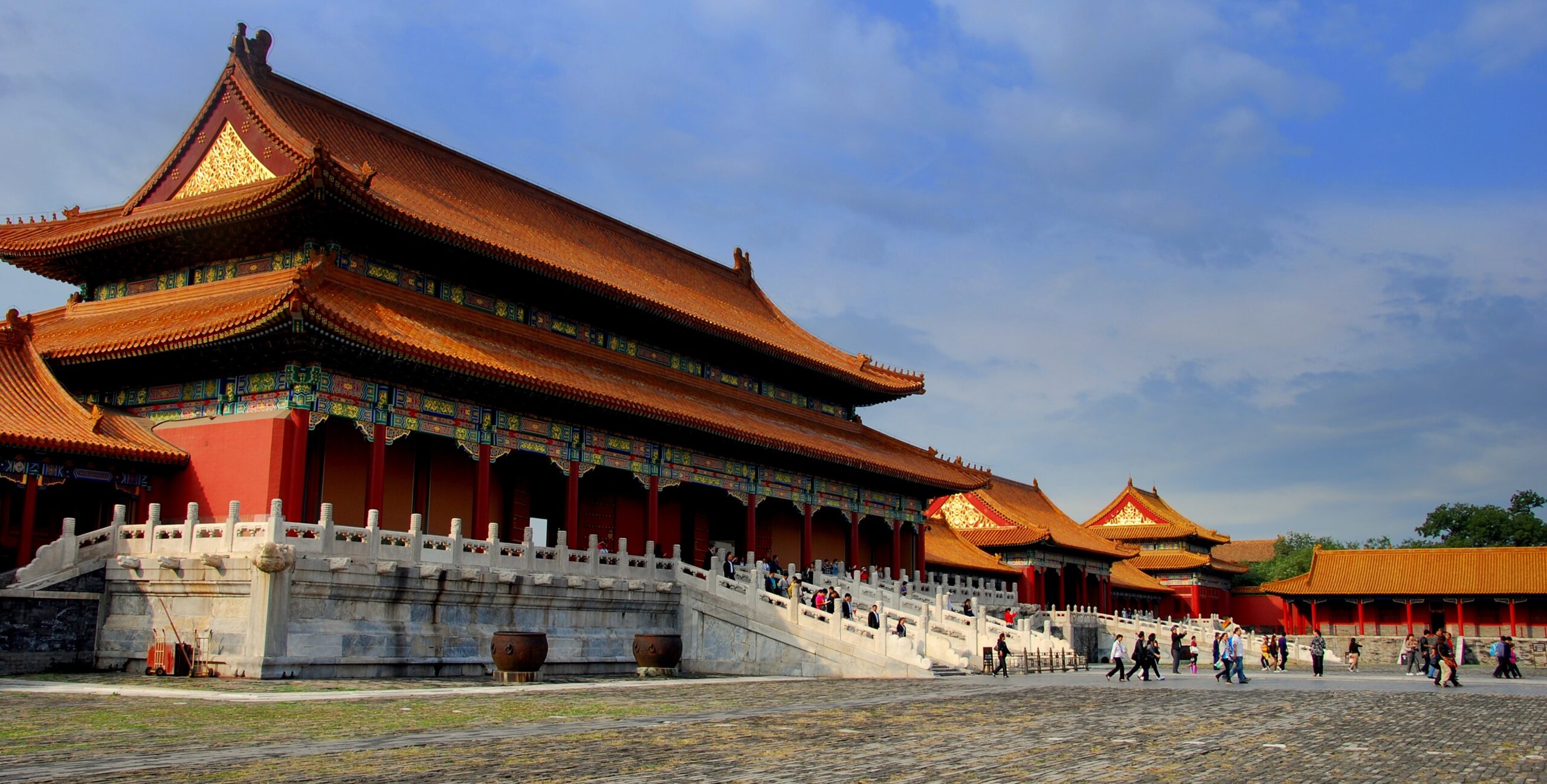
If Trump’s decision to meet with Kim was unexpected, Xi’s desire to meet with Kim prior to his summit meetings with Trump shouldn’t come as a surprise.
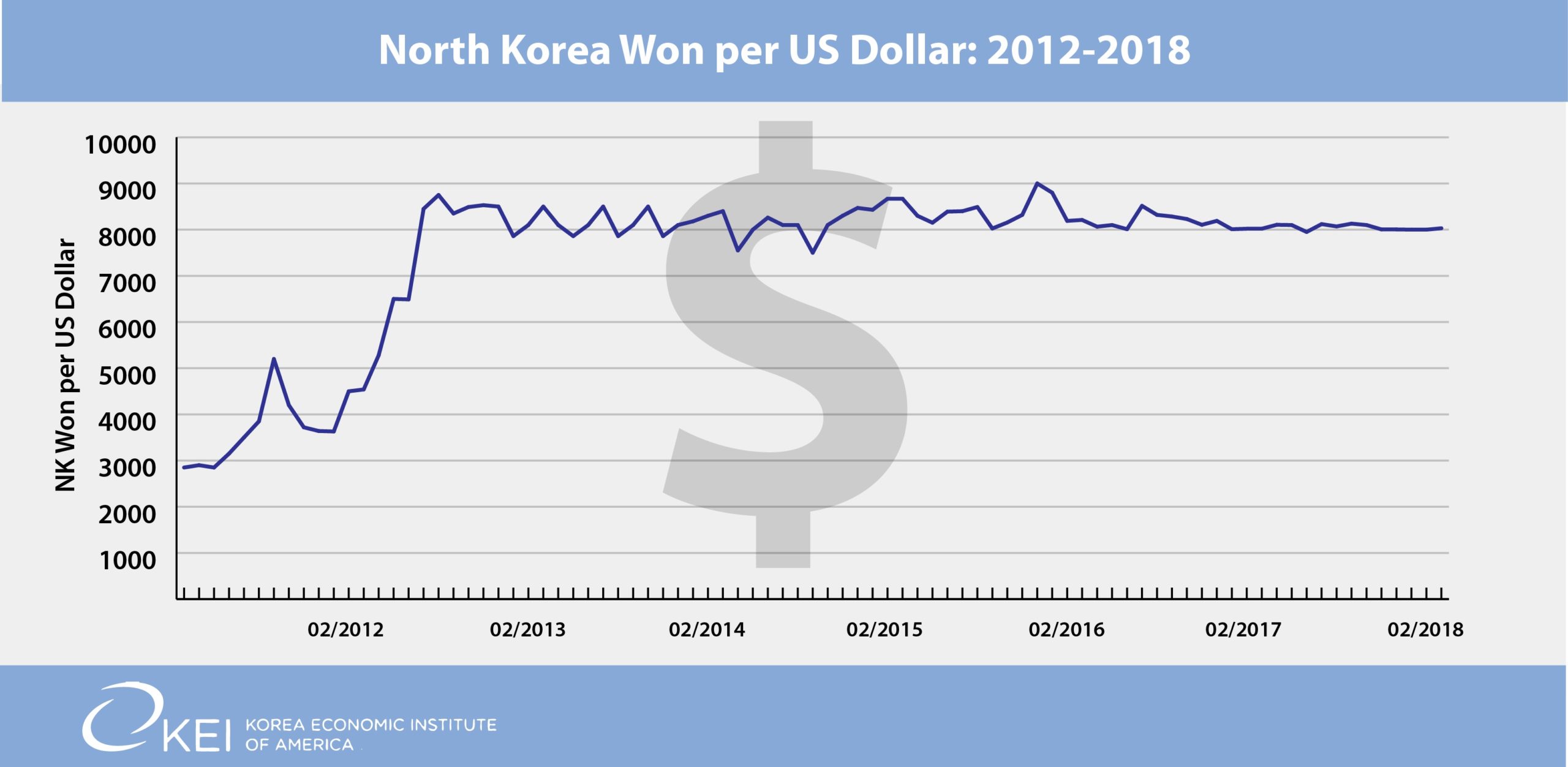
With a near Chinese embargo on exports causing an outflow of reserve dollars, how is North Korea maintaining stability in the domestic money supply.

A group of South Korean musicians will head to Pyongyang at the end of March for two concerts. Meet the artists who will show their talents to North Korea.

In light of the President’s State of the Union address, human rights is very relevant. But will the President raise this sensitive subject with Kim Jong-un?
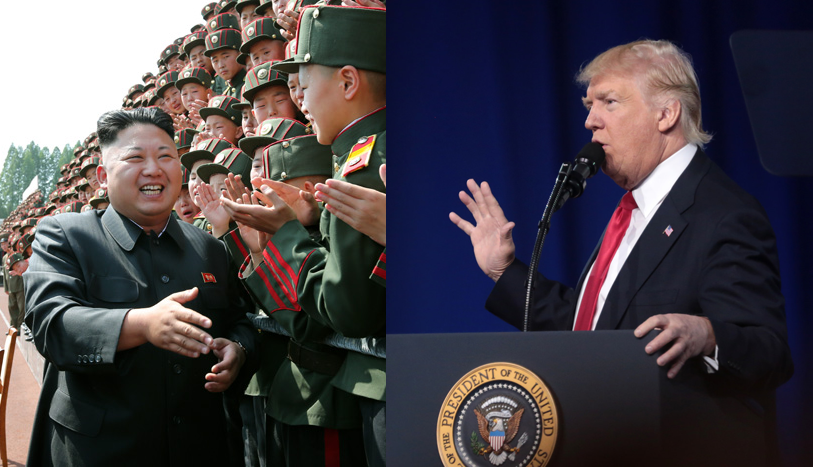
Everything else has been tried, and failed with North Korea, so why not have Kim Jong-un and Donald Trump meet face-to-face?

A dilemma long faced by humanitarian organizations in North Korea: does the the assistance outweigh the burden of the conditions imposed?
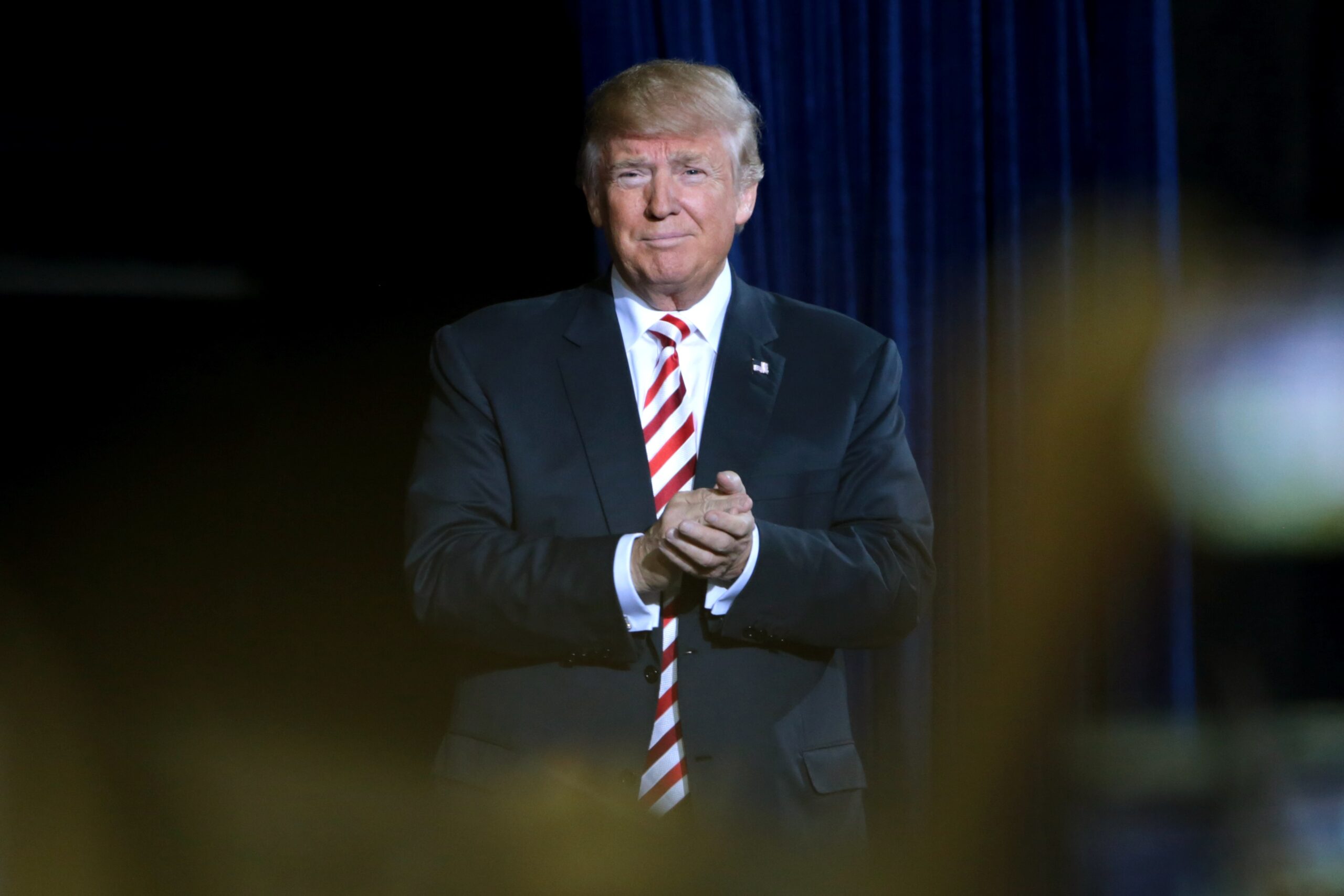
By extending summit invitations to t Moon Jae-in and Donald Trump, North Korea has been able to move the dynamics from confrontation to dialogue.

North Korea has a history of requesting a security guarantee in return for freezing or ending its weapons program which the U.S. has typically denied.

The Trump Administration announced a new set of economic sanctions against North Korea, which officials have described as the “largest ever tranche.”