The Midterms Will Not Change Trump’s Approach Toward North Korea
With U.S. President Donald Trump pushing for a meeting with North Korean leader Kim Jong Un, speculation has grown that the two countries could resume…

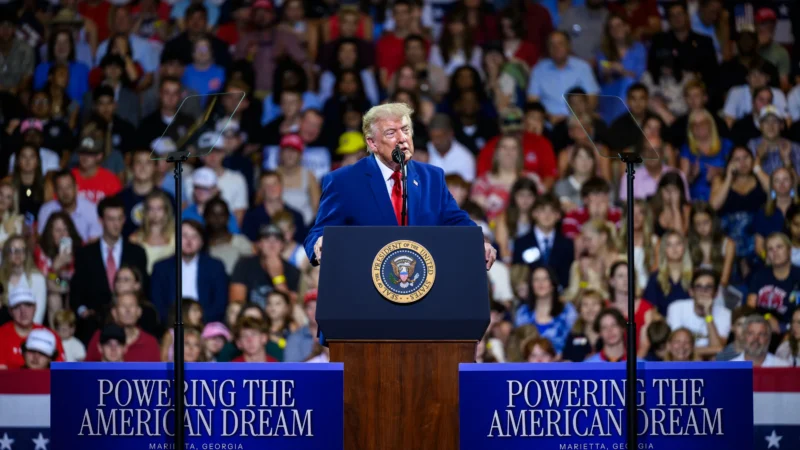
With U.S. President Donald Trump pushing for a meeting with North Korean leader Kim Jong Un, speculation has grown that the two countries could resume…

North Korea’s economy grew 3.5 percent in 2025, the third straight year above 3 percent, according to the Bank of Korea (Figure 1). Output has now passed its…
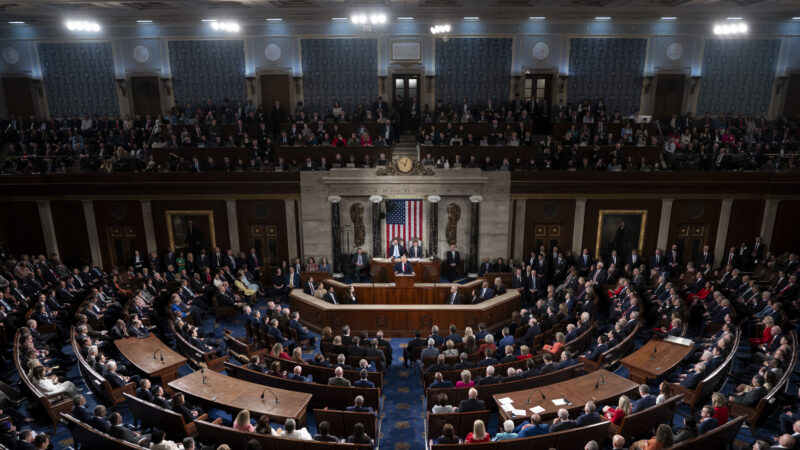
Congress will be in session for roughly four weeks from Labor Day to the end of September, with an overcrowded agenda to complete approval of…

A negotiated accommodation with a nuclear-armed North Korea may become unavoidable for the United States and South Korea. But an agreement is not the same…
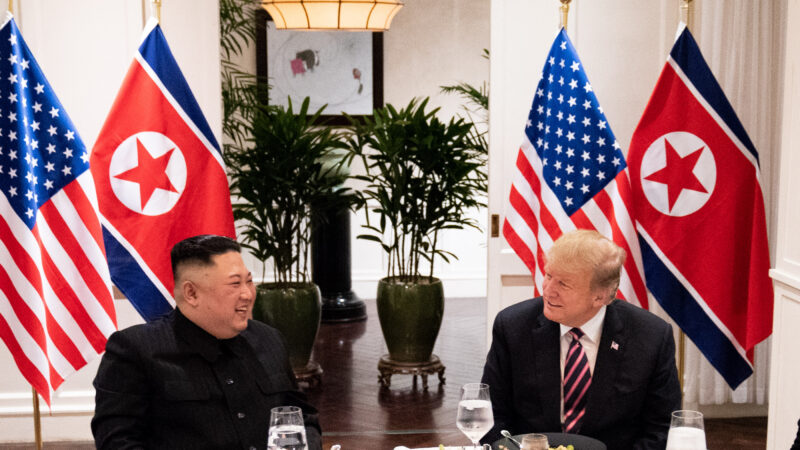
Yesterday, President Donald Trump announced he would meet North Korean leader Kim Jong Un before the end of the year. While the U.S. president seems certain…

Since U.S. President Donald Trump’s return to the White House, speculation has repeatedly surfaced about a future meeting with North Korean leader Kim Jong Un….
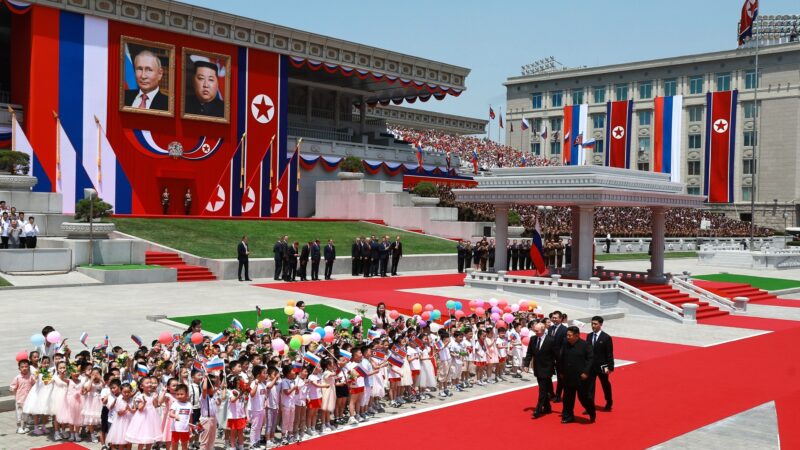
North Korean leader Kim Jong Un has doubled down on his military and strategic alliance with Vladimir Putin and the Russian regime, betting that this…

For the tenth consecutive year, the U.S. Department of State has renewed its ban on Americans traveling to North Korea, extending the prohibition through August…
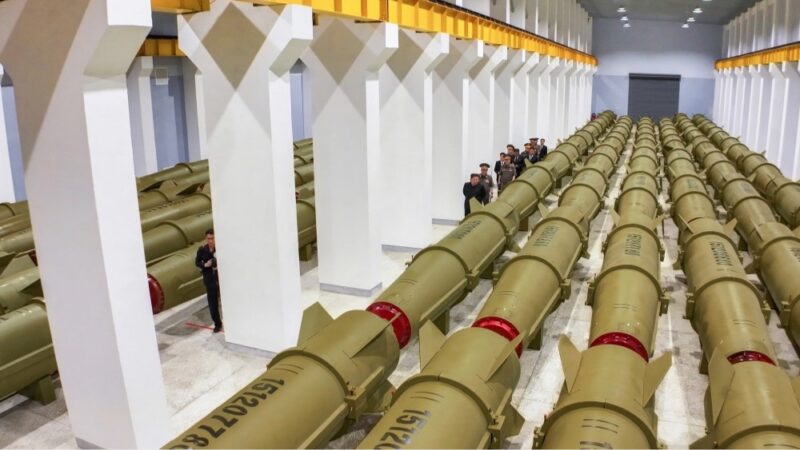
State-sanctioned violence and militarism form the foundation of the rejuvenated North Korea-Russia partnership, and that should shape how U.S. and South Korean alliance planners read…
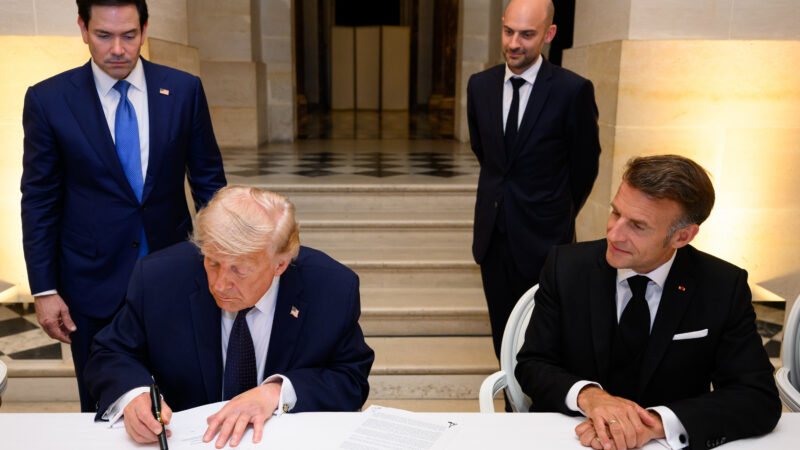
Last week, the United States and Iran concluded a memorandum of understanding (MOU), ending nearly four months of conflict and bringing the two countries back to the…