How the War in Iran Reshapes South Korea and Japan’s Nuclear Strategy
Iran’s failure to achieve nuclear latency has significant implications for South Korea and Japan’s thinking on their own nuclear strategy.

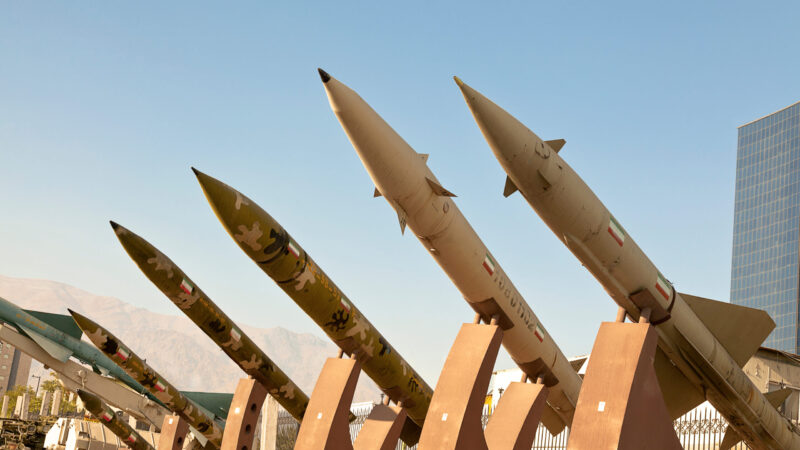
Iran’s failure to achieve nuclear latency has significant implications for South Korea and Japan’s thinking on their own nuclear strategy.

Seoul signaled commitment to a regional policy of pragmatic diplomacy, economic security, and broader regional stabilization.

2025 was always going to be significant because it was the fiftieth anniversary of the two countries establishing diplomatic relations.
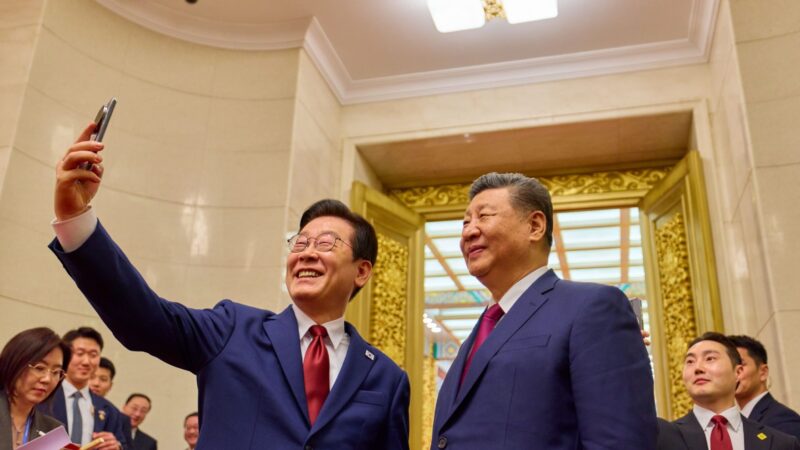
Seoul’s careful management of the complex triangular relations in the region takes place against a backdrop of growing global uncertainty.
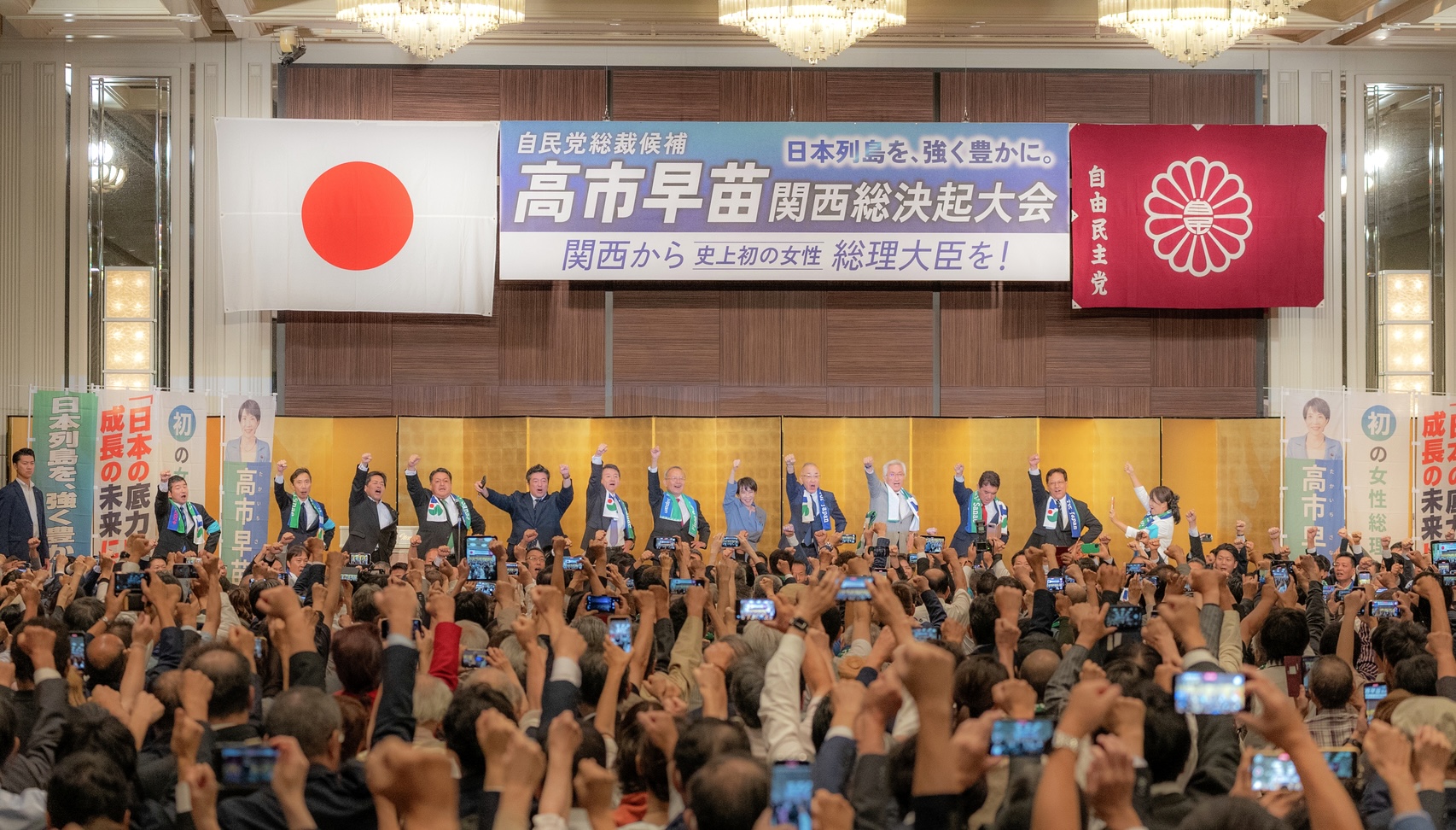
South Korea faces the prospect of a new Japanese government less inclined to confront historical issues.
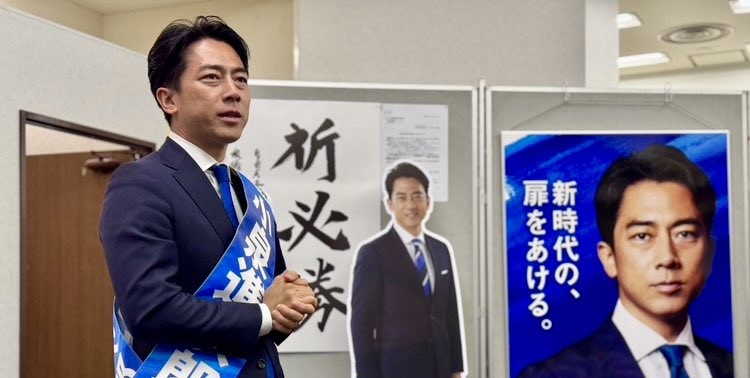
The path ahead in Japan is likely to be fraught with ongoing political instability until the party wins a new election and regains its majority.
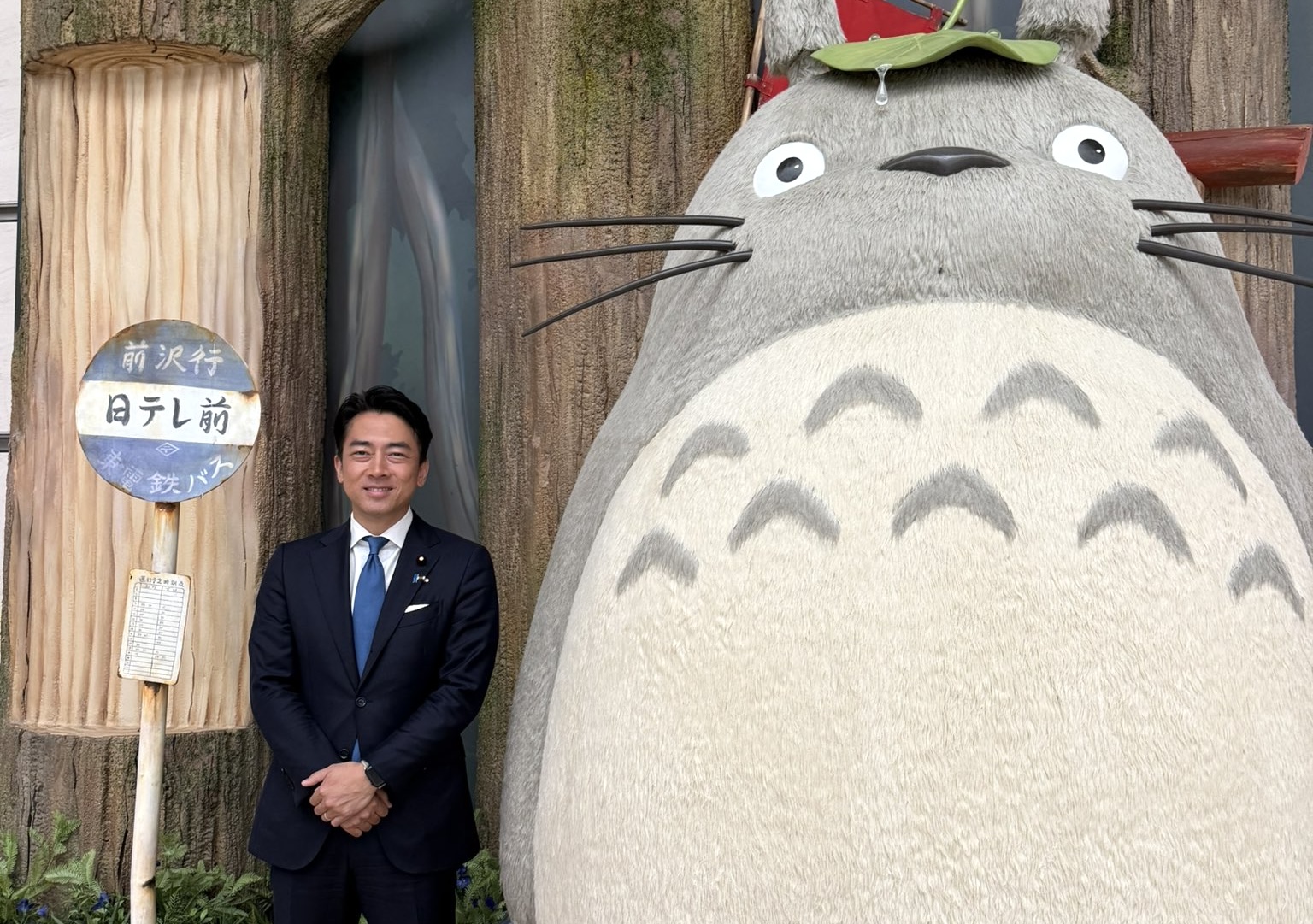
The upcoming LDP leadership race will test whether Seoul and Tokyo can preserve the fragile progress made in recent years.
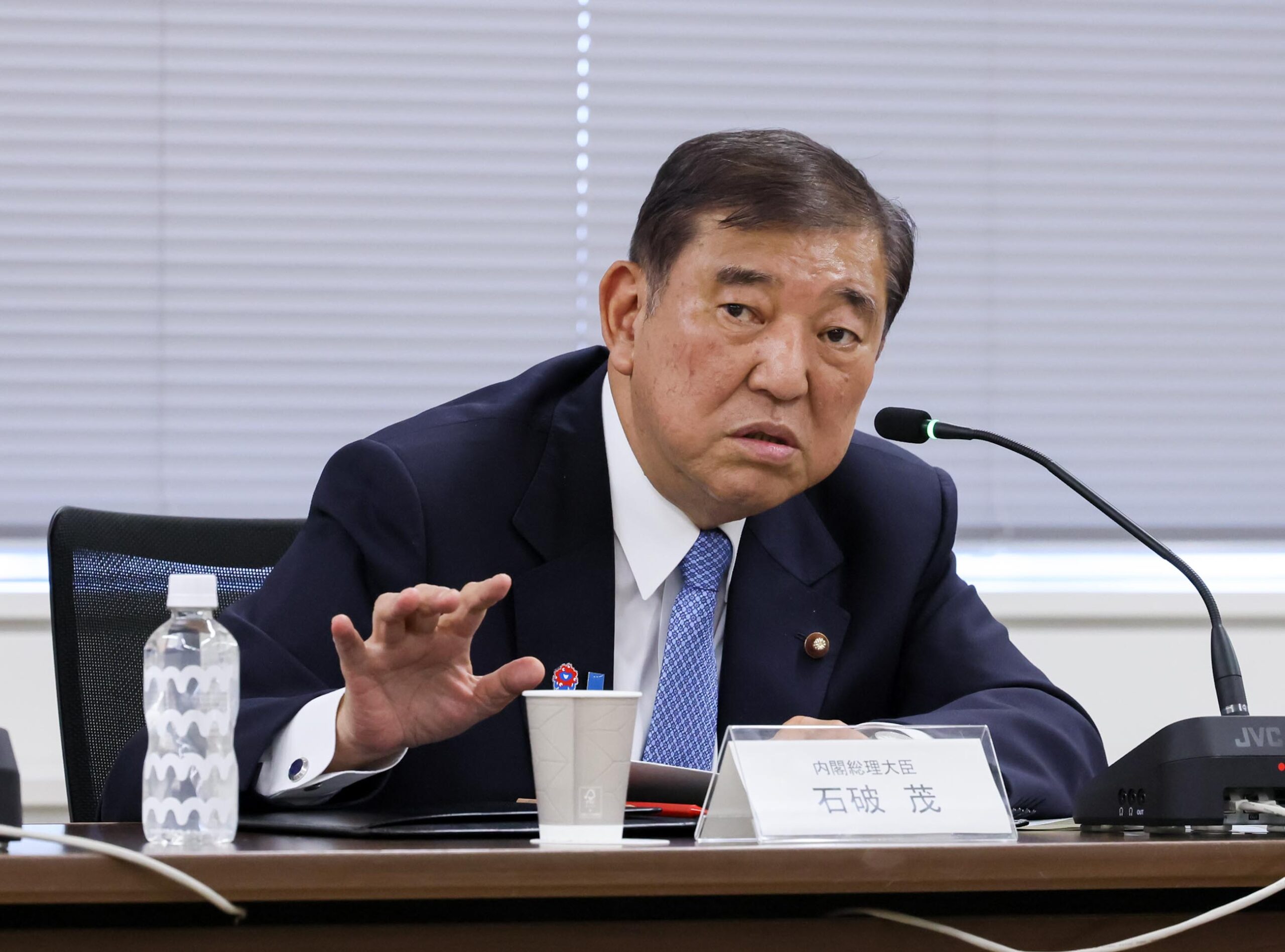
For the first time since 1994, the ruling LDP coalition controls neither chamber of the Japanese legislature.
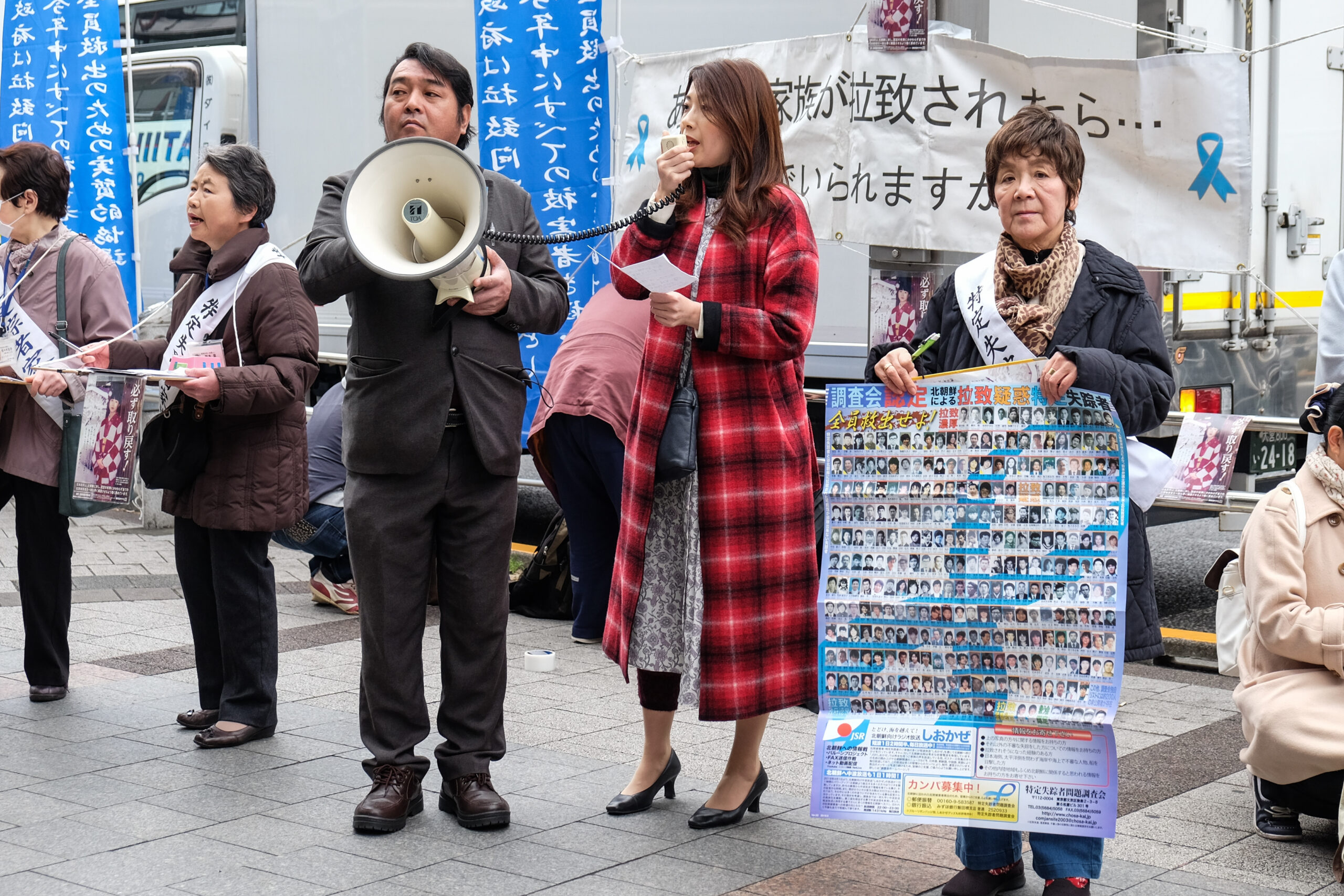
All indications are the abduction issue will continue to define Japan-North Korea relations for at least the rest of this decade.

Japanese observers have become increasingly apprehensive of deepening division within Korea, with growing worries about an absence of order.