The Dueling Economic Policies in the 2024 Election
In the 2024 national elections, voters in the United States will weigh drastically different visions for economic policy.

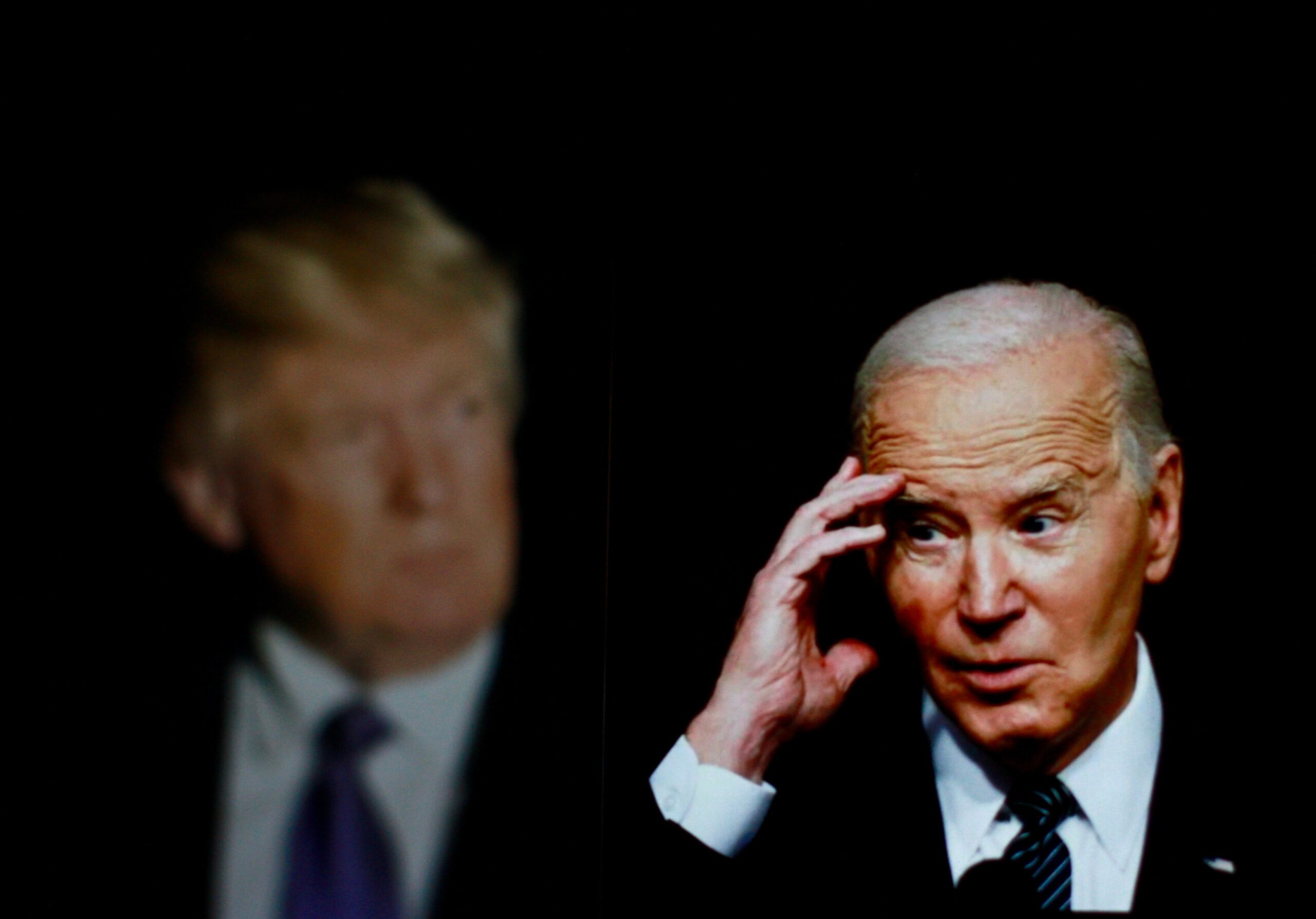
In the 2024 national elections, voters in the United States will weigh drastically different visions for economic policy.

Analysts note that a spillover effect in the event of a crisis is limited. So far, the effects of the Evergrande crisis on Korea remain mostly psychological and would be contained to fluctuations in confidence on the KOSPI index.

South Korea’s focus on fostering economic ties with Mexico reveals its hope of using the renewed relationship to address supply chain issues.

Building on a worldwide surge in discontentment, Korean firms make the first antitrust challenge against Google’s monopolistic behavior in the app market.
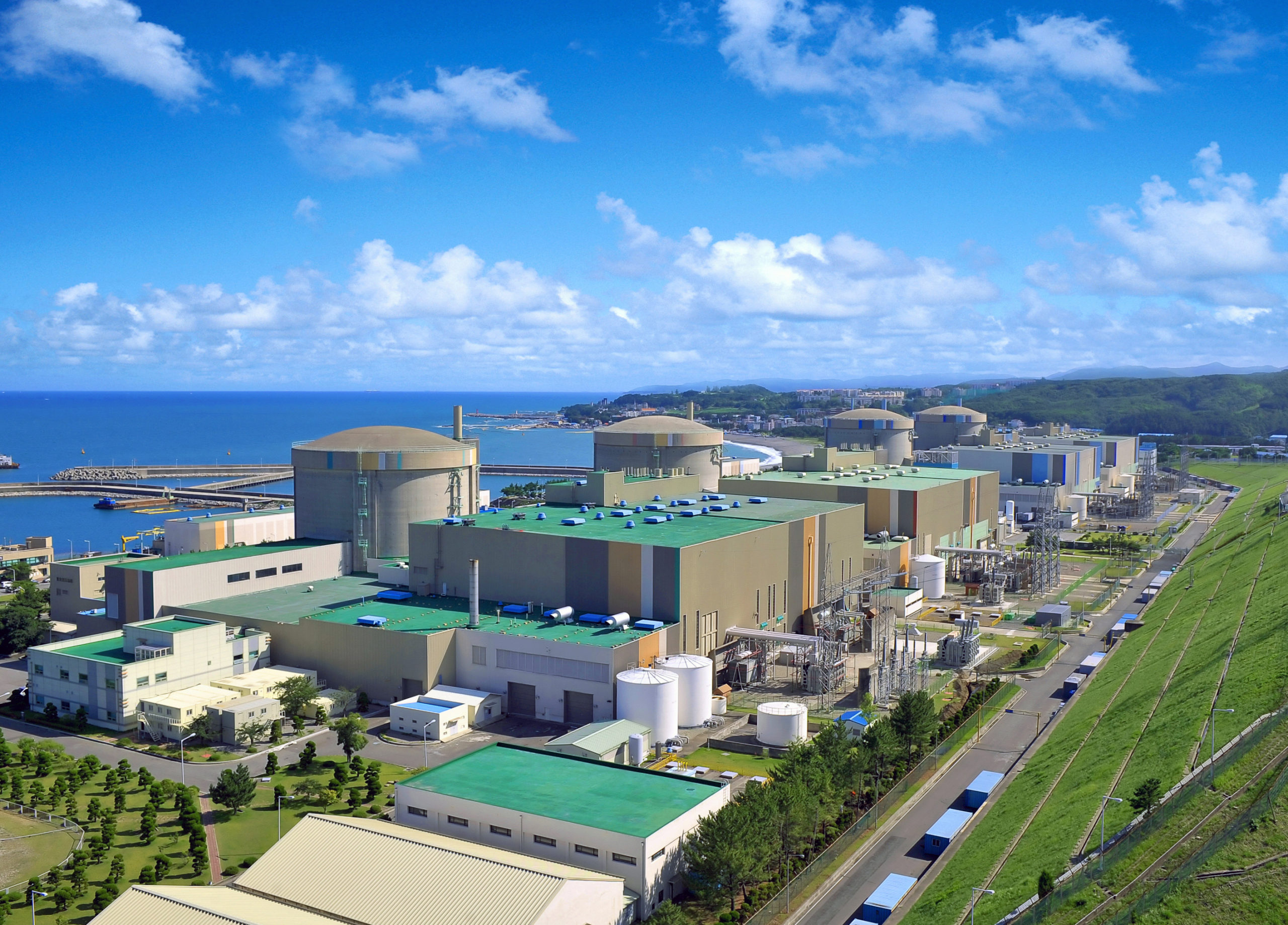
South Korea’s plan to invest in nuclear power, rather than renewable energy, reflects the current administration’s sensitivities to economic pressures.

Patenting activity by SMEs revealed tech-led growth through a crisis, but the country remains disproportionately reliant on manufacturing.
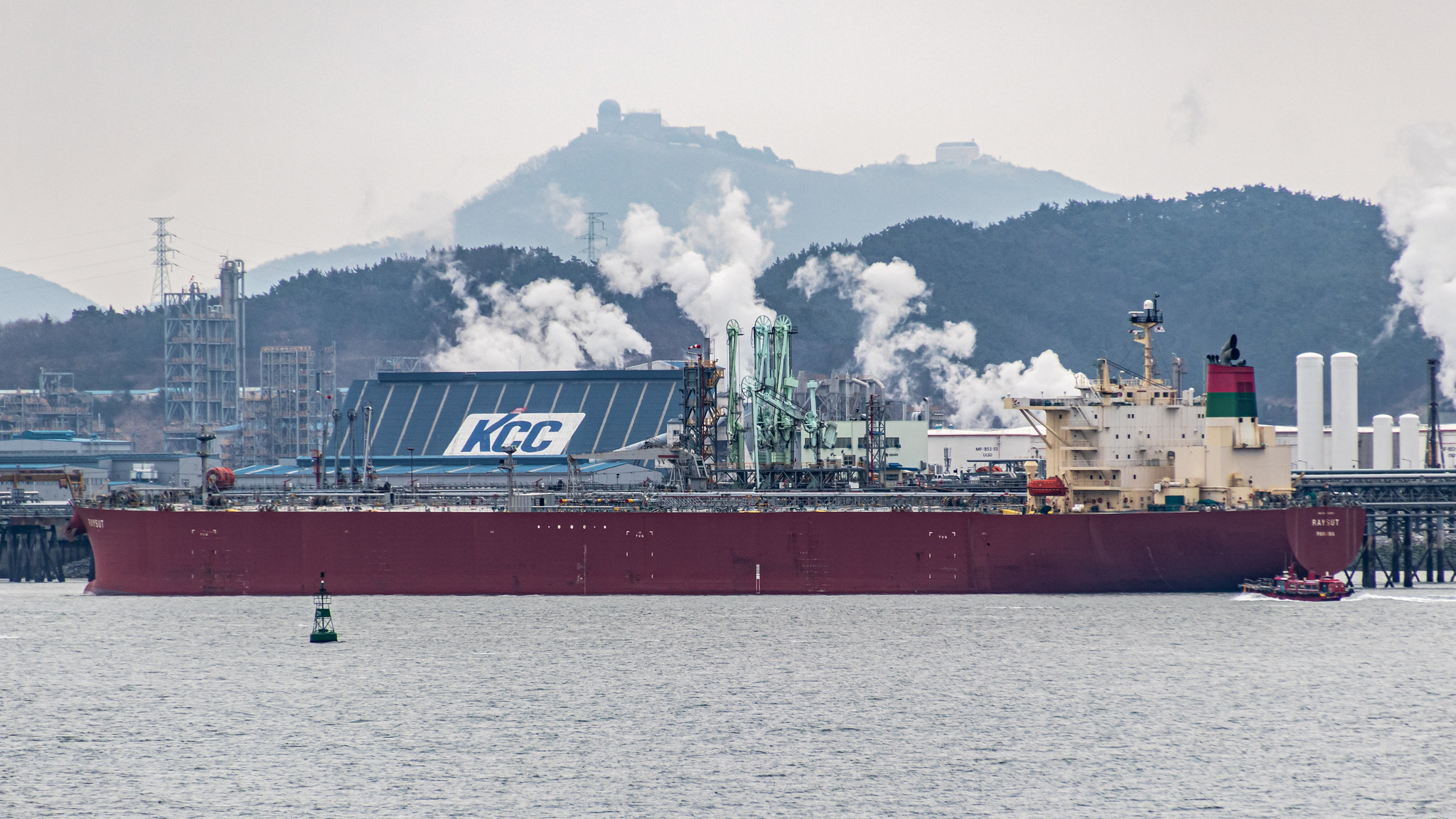
For South Korea, geopolitical conflict and changes in U.S. monetary policy significantly impact the country’s ability to purchase oil.
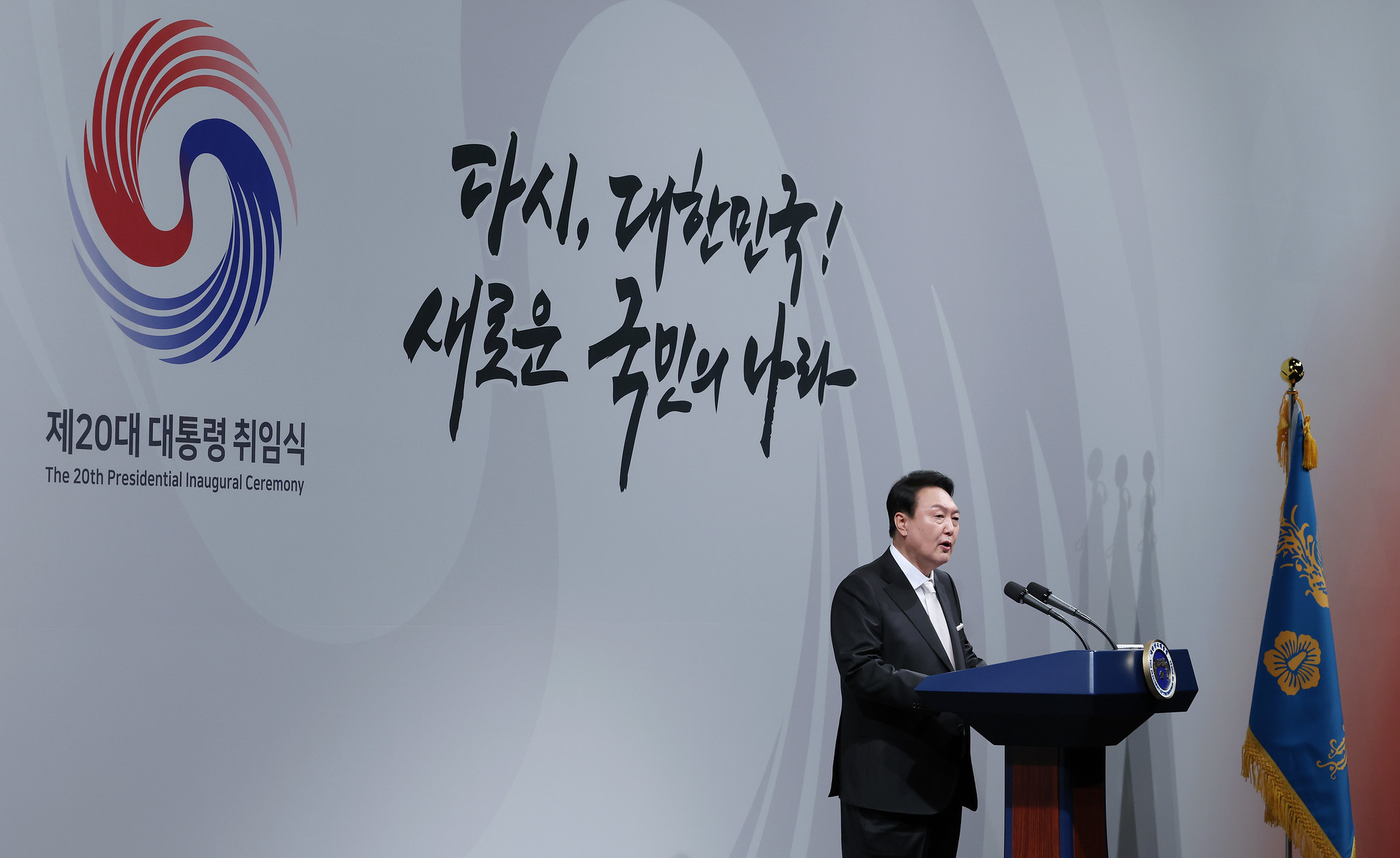
President Yoon Suk Yeol’s national vision echoes the priorities of previous administrations, particularly around the need to boost small businesses.

Businesses are investing in nations rich in cobalt, nickel, and lithium, minerals essential to the global renewable energy transition.

Although small and medium enterprises (SMEs) welcomed the government’s decision to lift COVID-related restrictions, it comes after years of strained ties.