First Effects of the Tariff Shock on South Korea
Economic data for South Korea from recent months offers an early indicator of how tariffs might impact Korea’s economy and U.S.-Korea trade.


Economic data for South Korea from recent months offers an early indicator of how tariffs might impact Korea’s economy and U.S.-Korea trade.
Amid tariffs and investments, many have pointed to the benefits of deep socioeconomic linkages between the United States and South Korea.
The first major deal of the year carries implications for South Korea on everything from tech trade to agriculture
New KEI research shows that perception and visibility, not dollar amounts, shape how Americans feel about foreign investment.
If the United States and Korea are rowing in the same direction, the two countries should help set the pace for the rest of the world.

For South Korea, U.S. partnership presents an opportunity for its shipbuilding sector to maintain competitiveness while reducing dependence on China
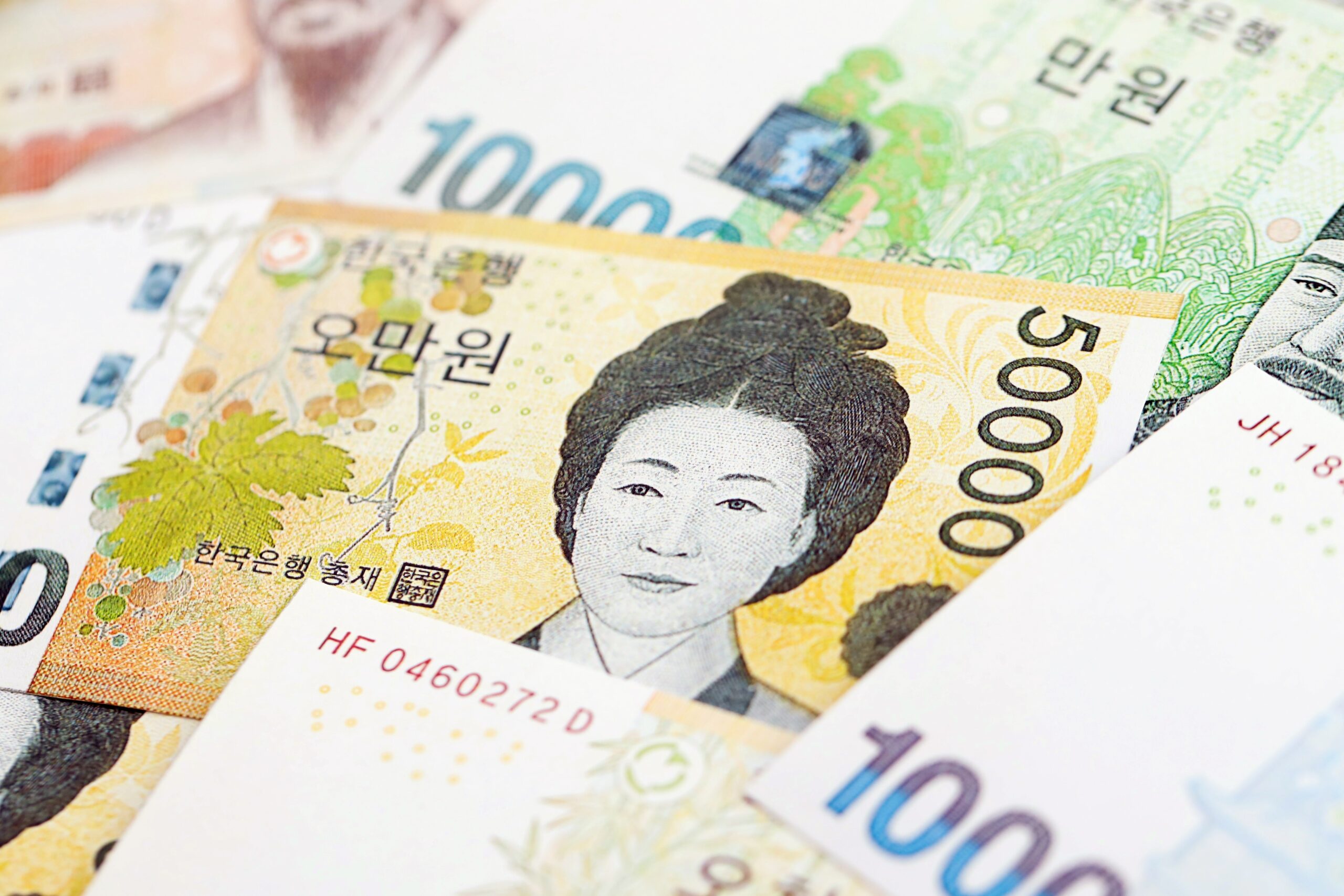
Short-term fears of economic volatility can make people lose confidence in a currency and refuse to hold it, no matter how cheap it gets.
The U.S. position that national security is non-justiciable is fundamentally at odds with the WTO’s insistence on legal discipline.
Once dismissed as an abstract nuisance, transnational subsidies have now become a central concern for countries.
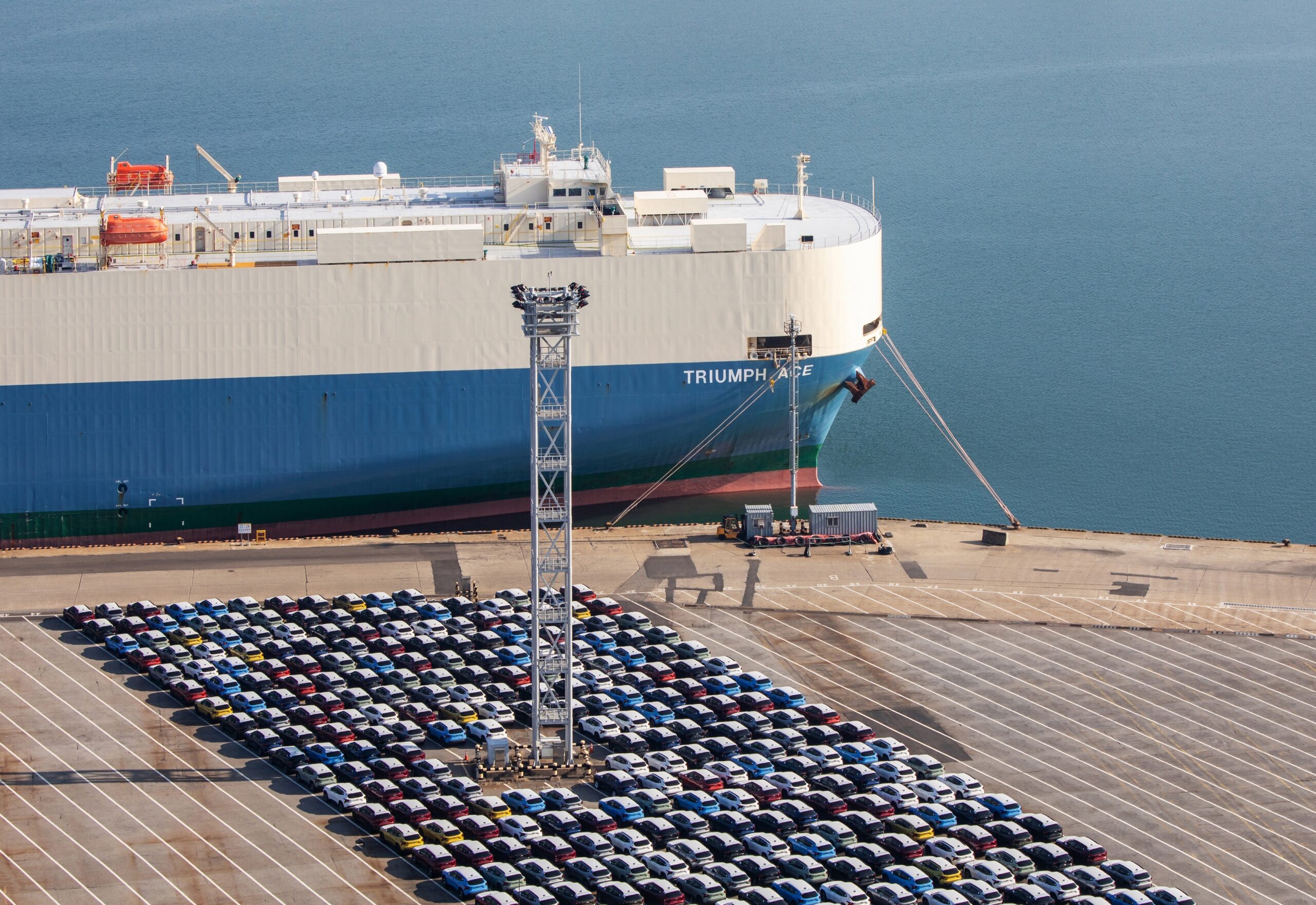
The proposed tariff on cars is likely to severely affect U.S.-South Korea economic relations, as well as the U.S. economy itself.