Inconsistencies in Civil Liberties Discourse
The ongoing leaflet debate reveals that discussions around civil liberties in South Korea are subject to politicization.

The ongoing leaflet debate reveals that discussions around civil liberties in South Korea are subject to politicization.

COVID-19 has exacerbated South Korea’s trash problem, leading the country to rely on exporting its garbage to curb filling domestic landfills.

Despite policies acknowledging sustainable energy’s importance, South Korea’s Green New Deal is weaker than initially promised.
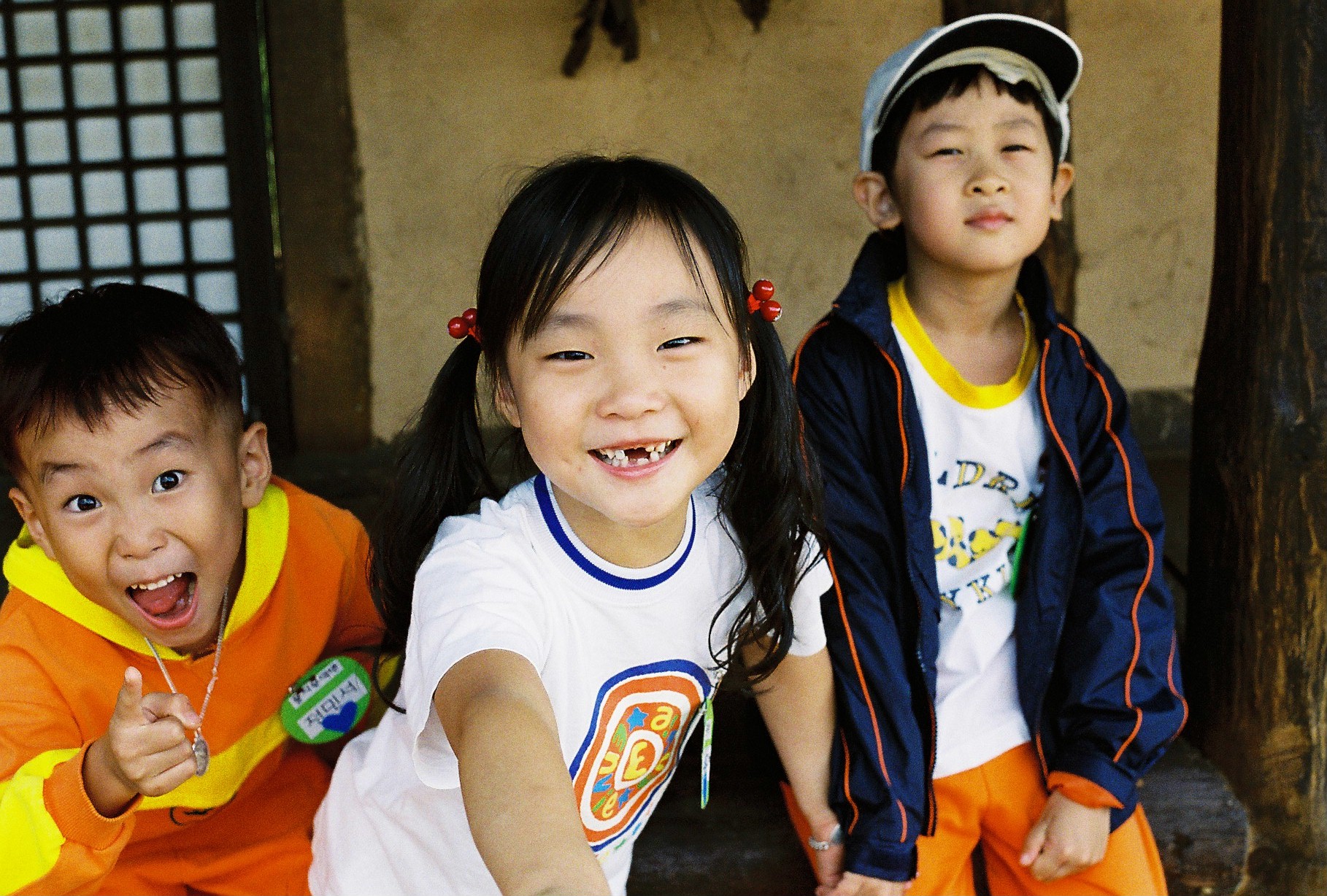
South Korea’s low birthrate is leading the government to rethink laws that restrict the definition of family and limit protections.

The National Assembly failed to ratify the international convention on forced labor because it clashed with the ROK National Security Law.

The White House push to address the chip supply shortages impacting U.S. manufacturing could be a boon to South Korean tech firms.

Seoul explores a more flexible bilateral relationship with Iran as the Biden administration signals openness to recommitting to the JCPOA.
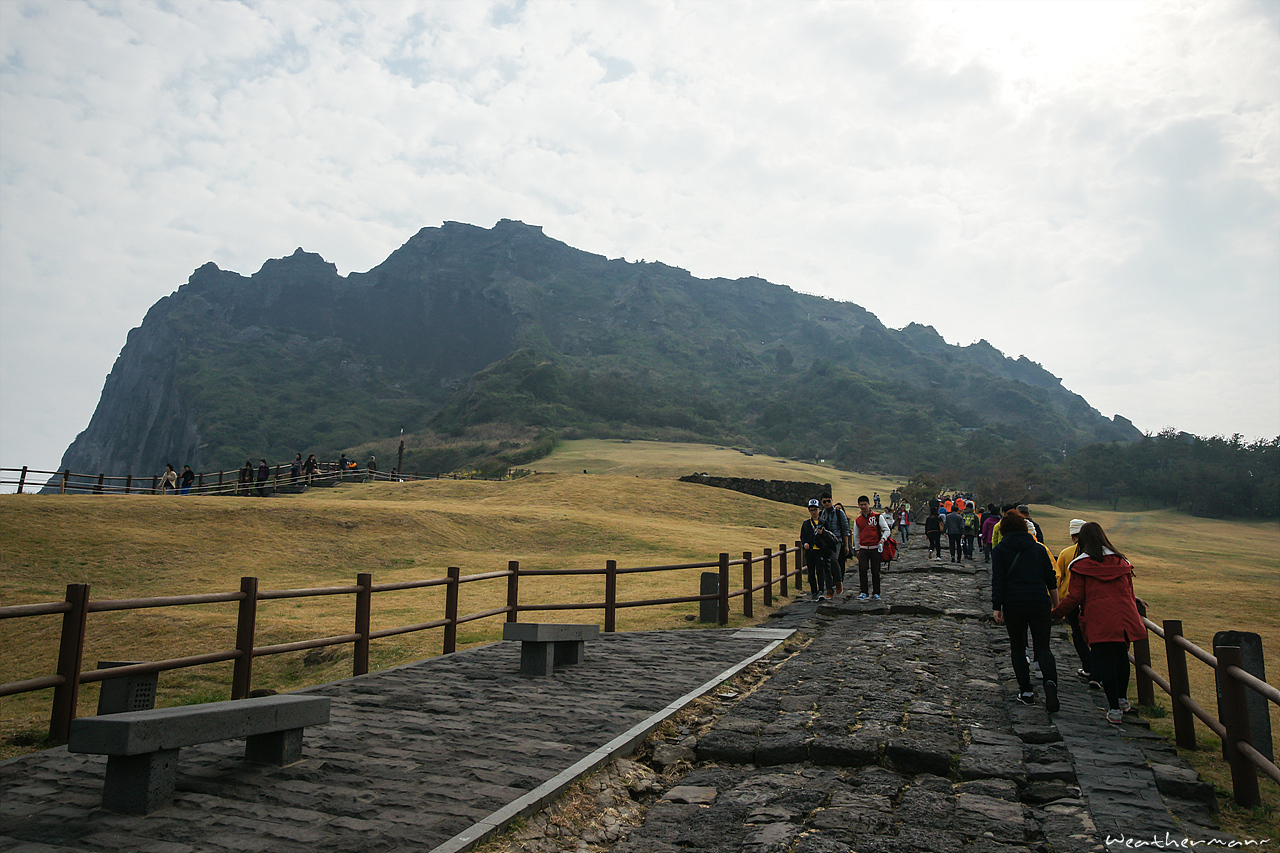
The Moon administration’s effort to recognize the victims of the Jeju Uprising shows that South Korea is committed to addressing historical issues.

China’s engagement with South Korea seems more focused on calibrating Beijing’s position vis-à-vis Washington than addressing tangible challenges shared with Seoul.

Moon Jae-in upholds the promise of separating history from improving bilateral relations despite new tensions over Japan’s history books.