State Department Report finds North Korea Policies Encourage Human Trafficking
U.S. State Department’s 2019 Trafficking in Persons Report is a frank, tough, and accurate criticism of North Korea’s abysmal human rights record.

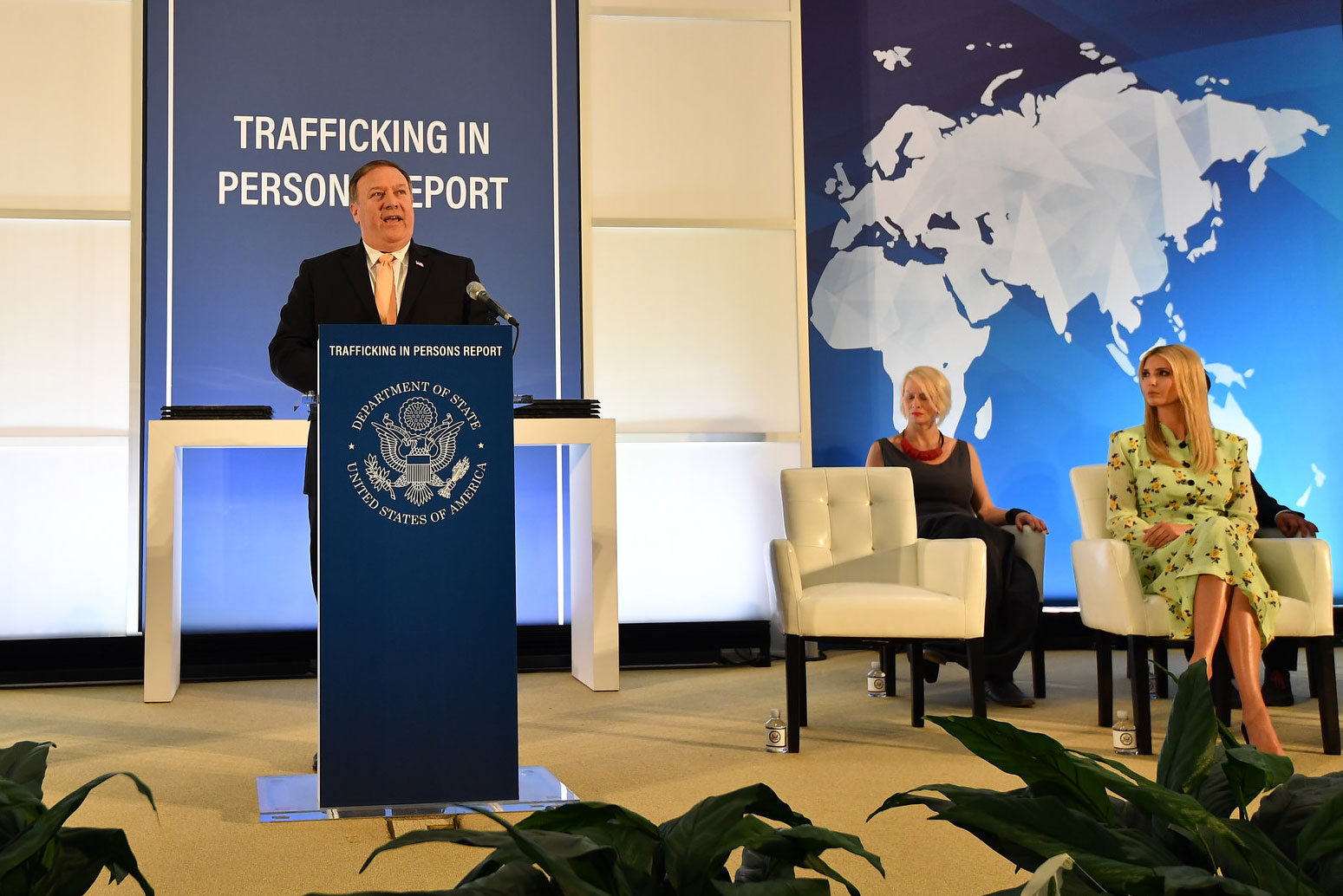
U.S. State Department’s 2019 Trafficking in Persons Report is a frank, tough, and accurate criticism of North Korea’s abysmal human rights record.
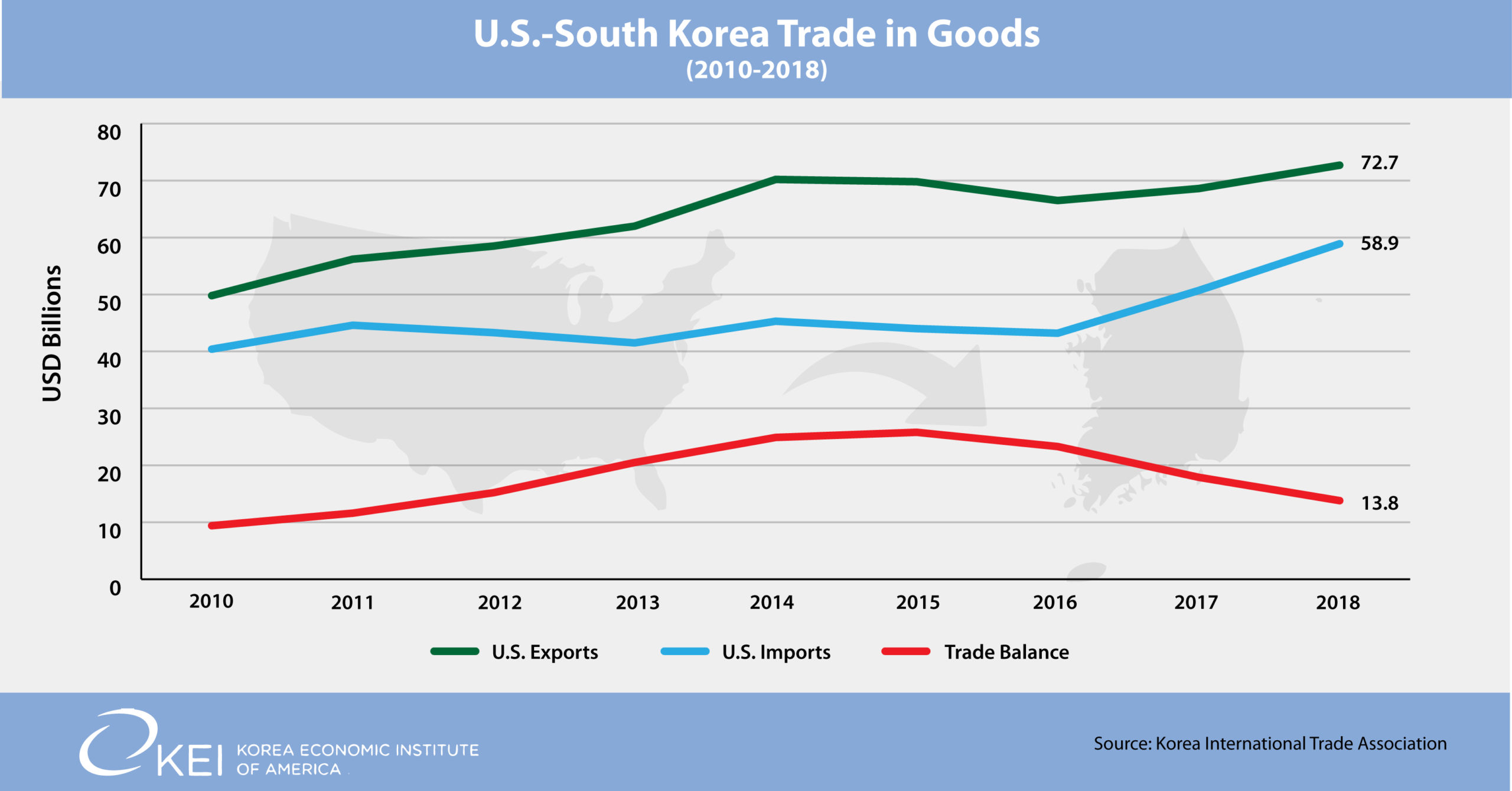
2018 has left us with some data to visualize key trends like DPRK sanctions, ROK-China relations, and North Korean cybercrimes. Top 5 Charts from KEI.
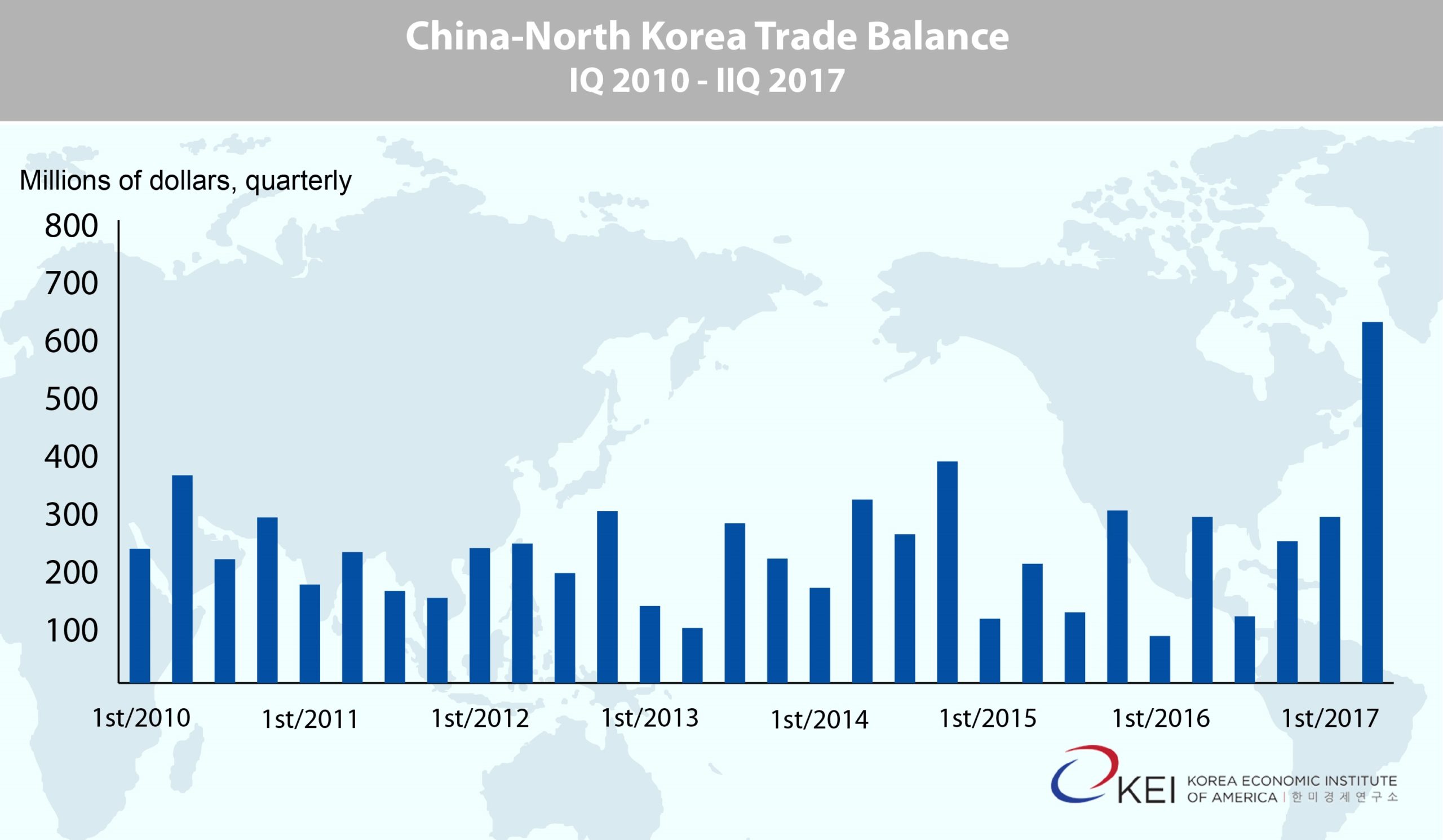
ICBMs are not the only things soaring in North Korean skies. Comprehensive second quarter data released by China Customs last week shows a huge jump in North Korea’s trade deficit with China.

Beijing has approved the broadcast of a new Korean drama that had been co-produced by a Korean and a Chinese company, according to a source in the Chinese entertainment industry, making it the first Korean show to get the green light since before the THAAD spat.
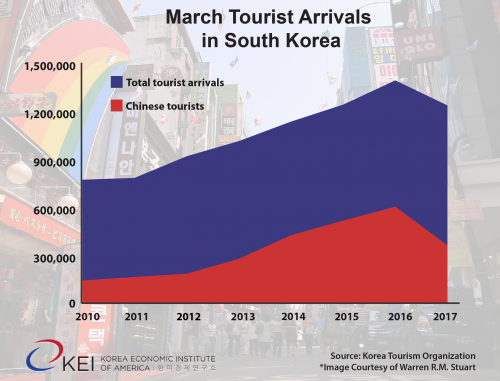
It’s official – new numbers from March confirm that China’s THAAD retaliation has significantly cut into South Korea’s tourism industry.
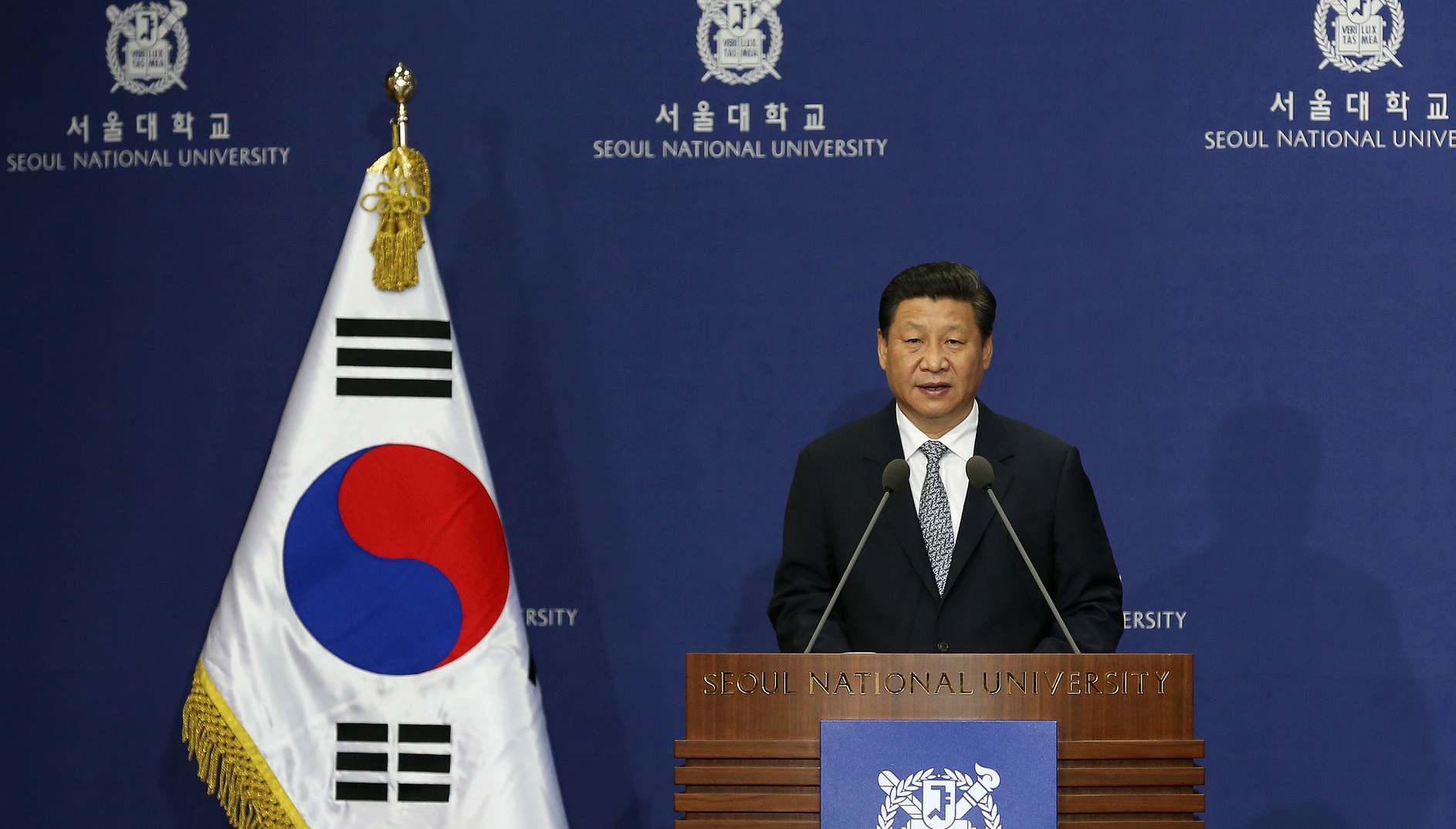
A question frequently asked is whether the next South Korean administration will tilt towards China and away from the United States, based on Seoul’s purportedly shifting perception of the relative importance of the two countries. In reality, it is not helpful to judge whether the United States or China are more important to the Republic of Korea. There is no simple reply to the general question and, honestly, there is no reason to answer it.
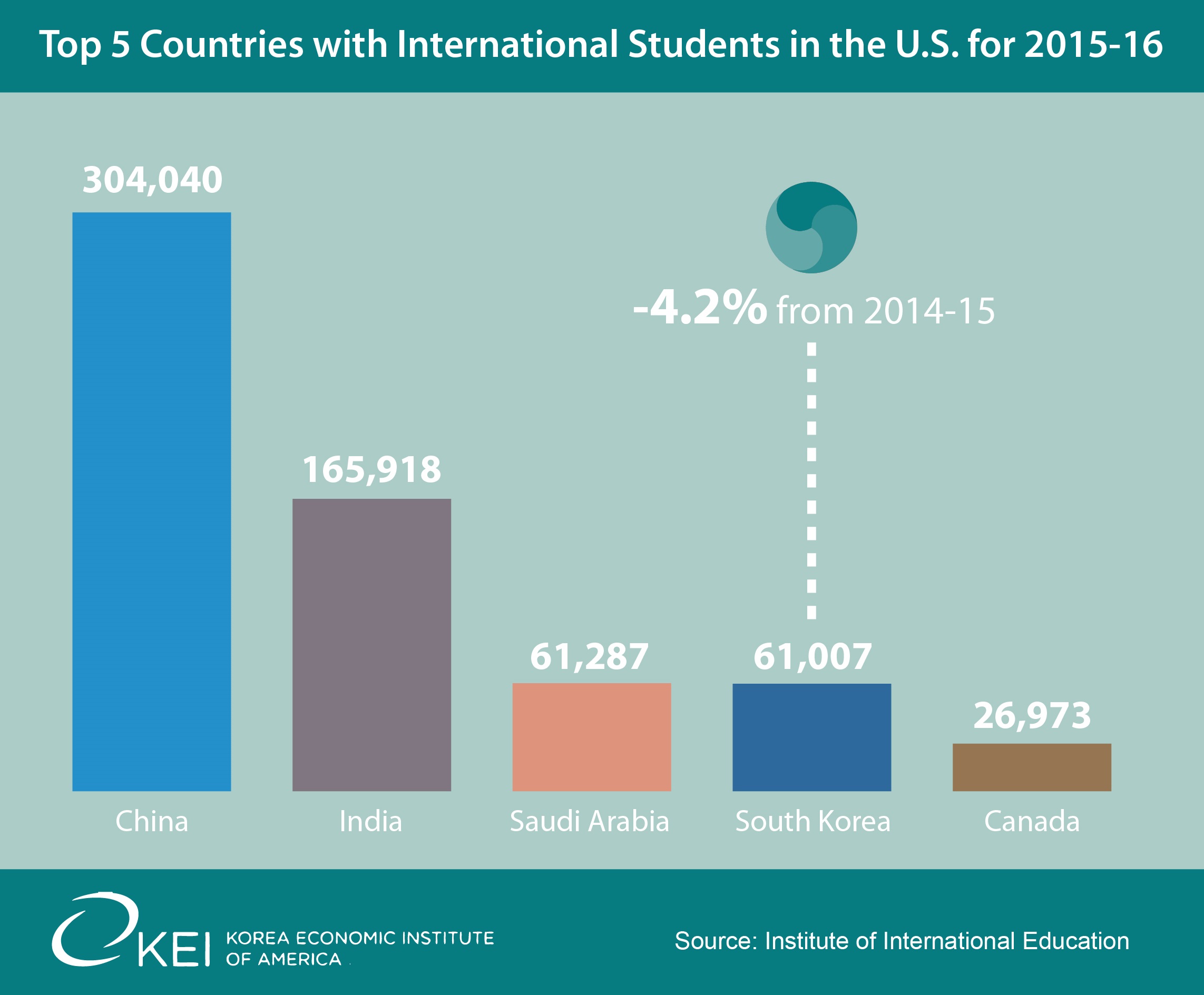
In 2016, South Korea officially dropped from the third largest source of international students in the United States to the fourth largest, now sitting behind China, India, and Saudi Arabia. The gap is small – Saudi Arabia sent just 280 more students than Korea in 2016 – but with the number of Korean students in the United States on a downward trend, that gap may widen in the coming years.
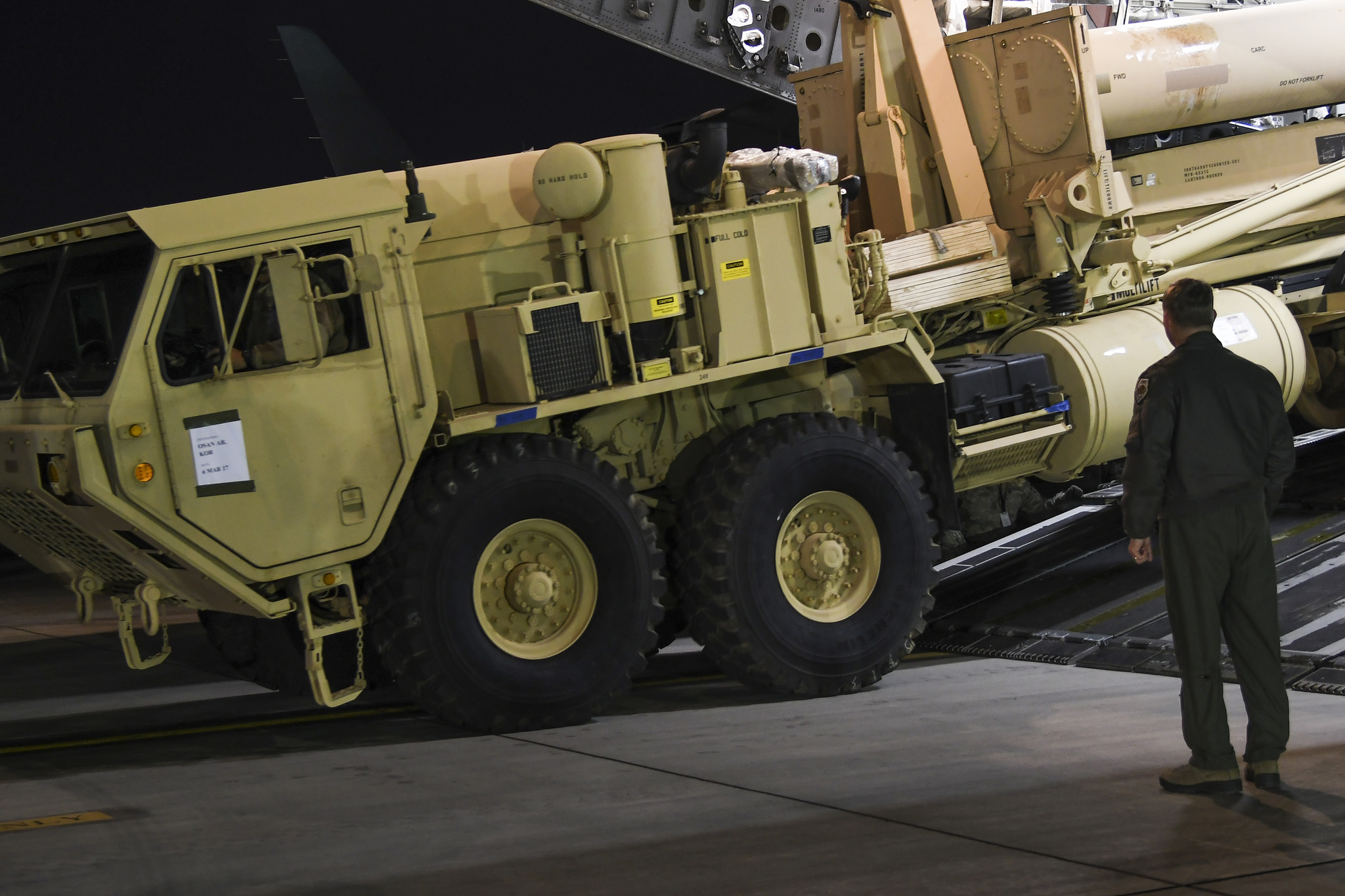
KEI Communications Director Jenna Gibson, host of the KEI podcast Korean Kontext, recently interviewed Yun Sun, Senior Associate with the East Asia Program at the Stimson Center, about the Chinese perspective on the THAAD missile defense system.
The decision to deploy a Terminal High Altitude Area Defense (THAAD) anti-ballistic missile system in South Korea has been controversial in South Korea, and predictably has been condemned by North Korea, but, judging by headlines and official statements, seems to have upset the Chinese more than anyone else.
Still in the nascent stage of planning, a Northeast Asia Development Bank would serve as a multilateral development bank (MDB) to attract investment in Northeast Asia, specifically intending to incentivize the DPRK to denuclearize through access to external capital for development.