Where Korea-China Ties Are Heading Following the Lee-Xi Summit
“China for economy, U.S. for security” is no longer tenable; time will tell just how this new Korea-China relationship will take shape.

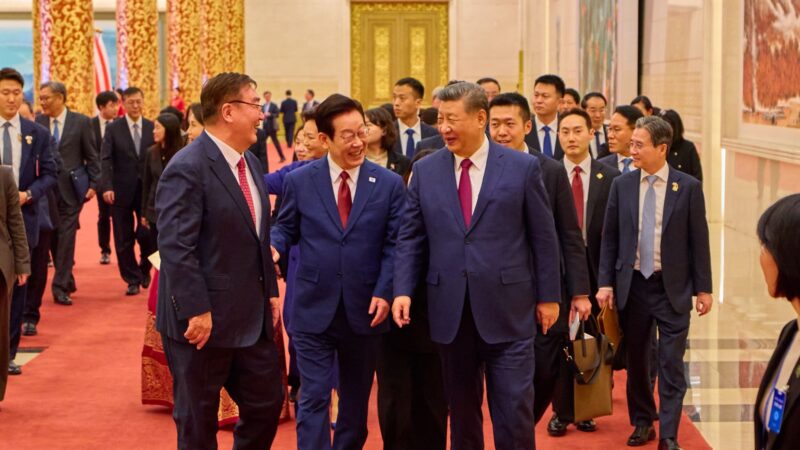
“China for economy, U.S. for security” is no longer tenable; time will tell just how this new Korea-China relationship will take shape.
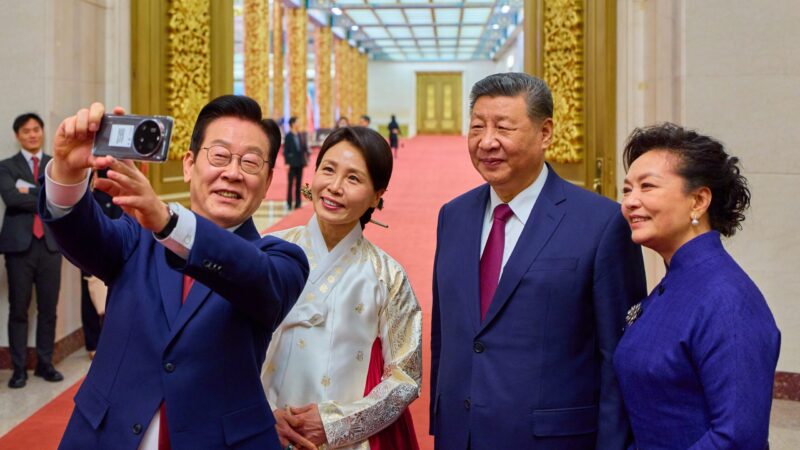
Seoul signaled commitment to a regional policy of pragmatic diplomacy, economic security, and broader regional stabilization.
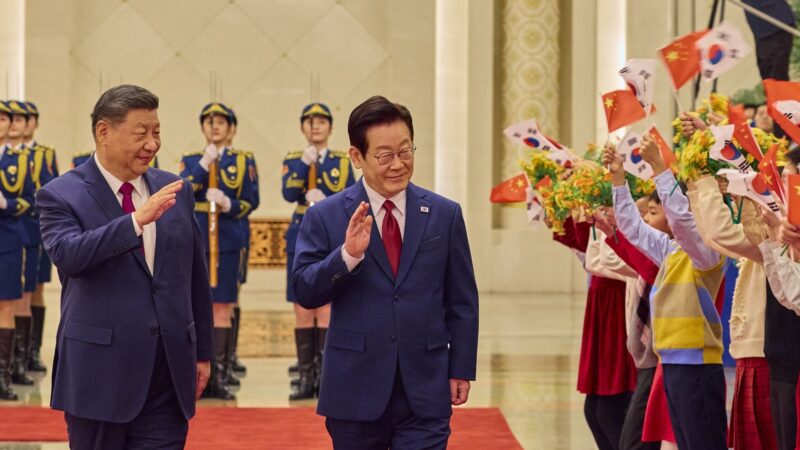
As China revises its plan for self-reliance on technological development, tensions could rise around structural dilemmas this presents to South Korea.
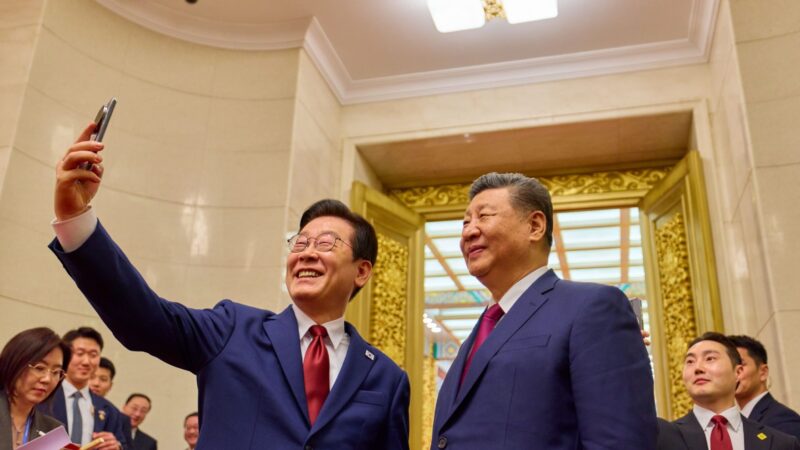
Seoul’s careful management of the complex triangular relations in the region takes place against a backdrop of growing global uncertainty.
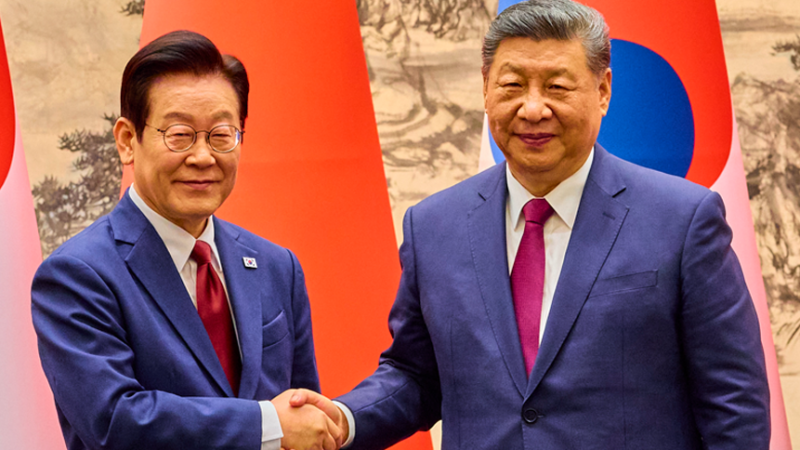
The Lee administration has pursued a strategy of maximum flexibility in dealing with China, and so far China has reciprocated with measured responses.

Analysts note that a spillover effect in the event of a crisis is limited. So far, the effects of the Evergrande crisis on Korea remain mostly psychological and would be contained to fluctuations in confidence on the KOSPI index.
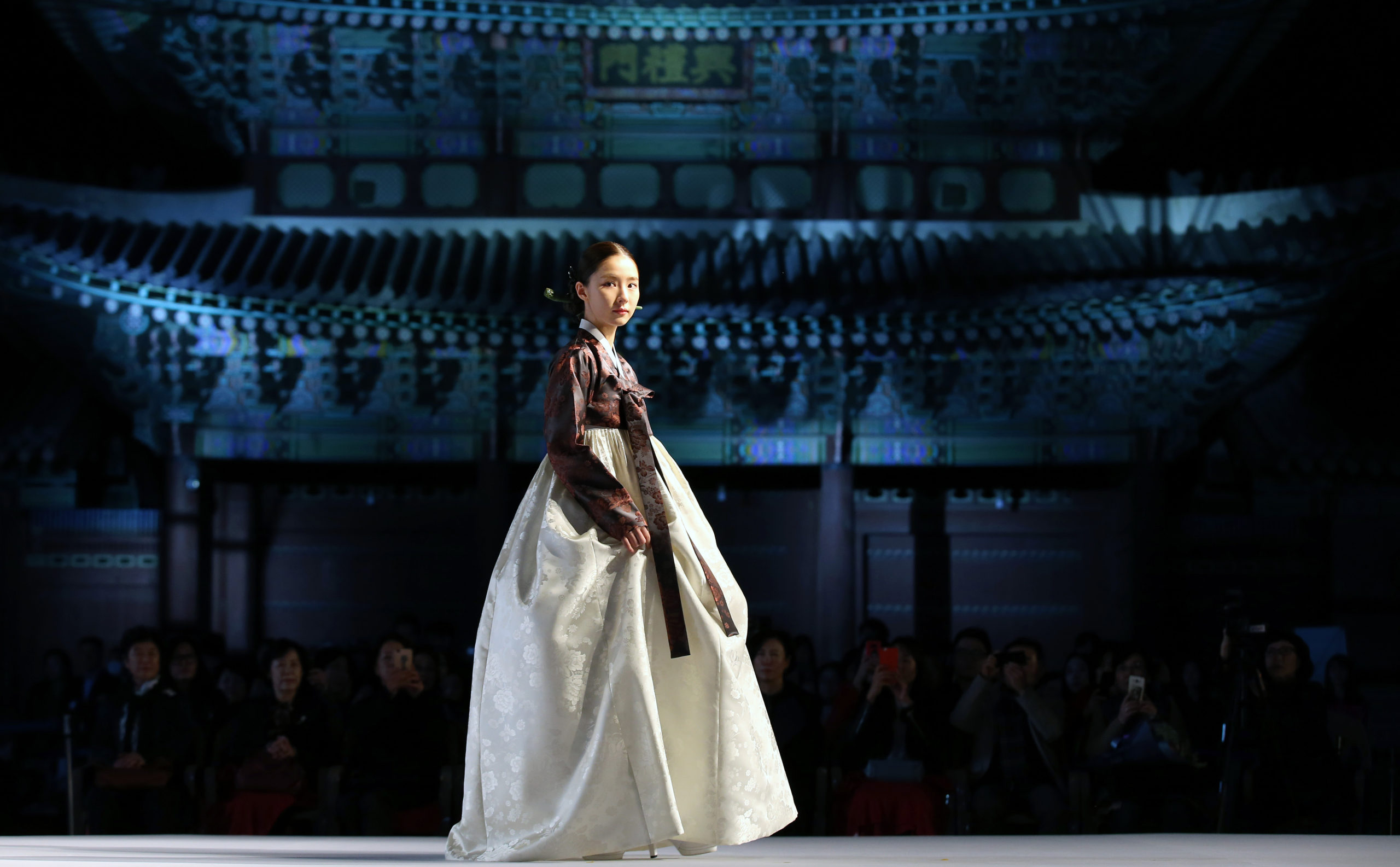
The Korean anger at China’s use of hanbok stems from the clothing’s role in not only the country’s national identity but also present prestige.
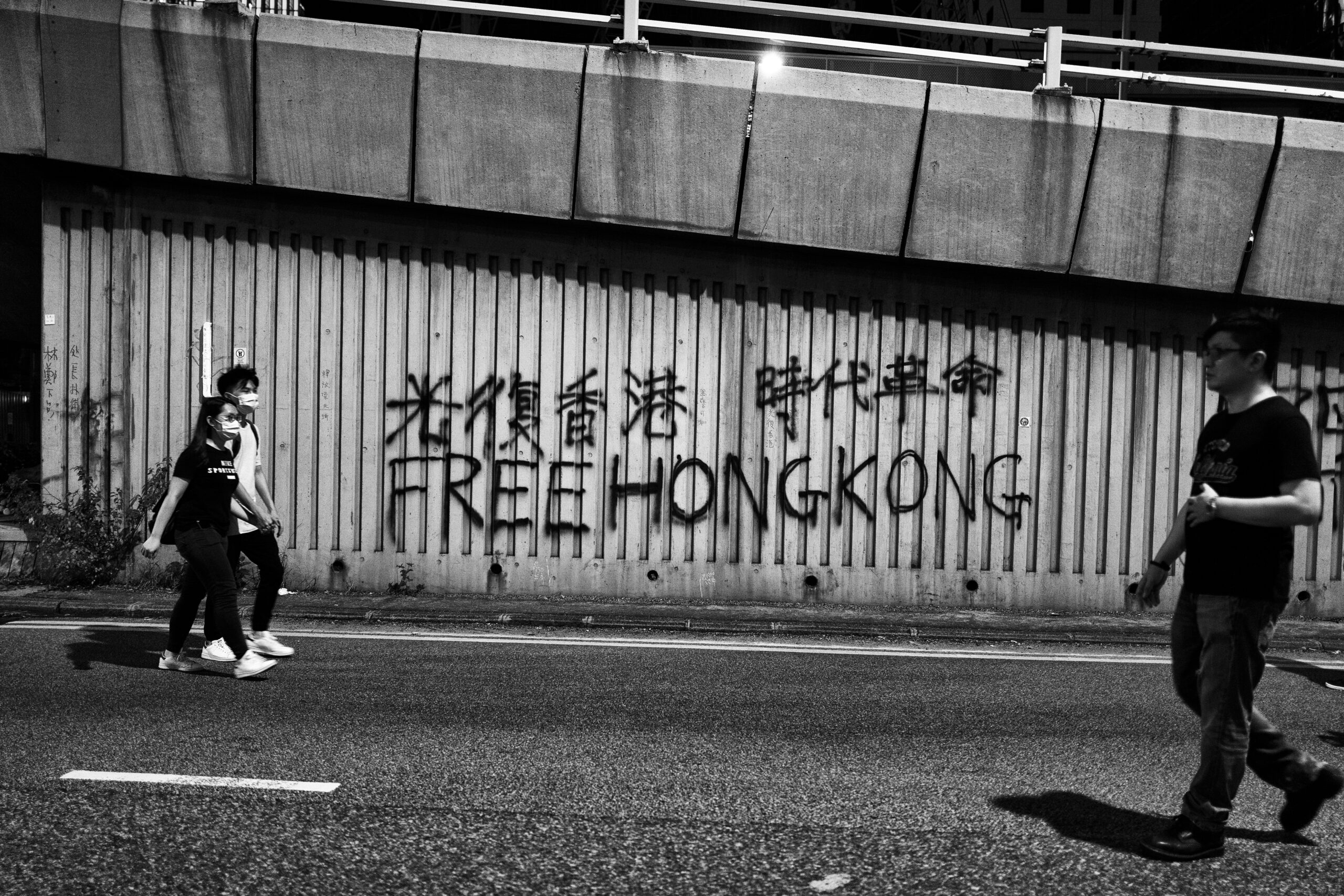
The South Korean public appears more antagonistic towards China despite the nation’s extensive bilateral commercial ties.
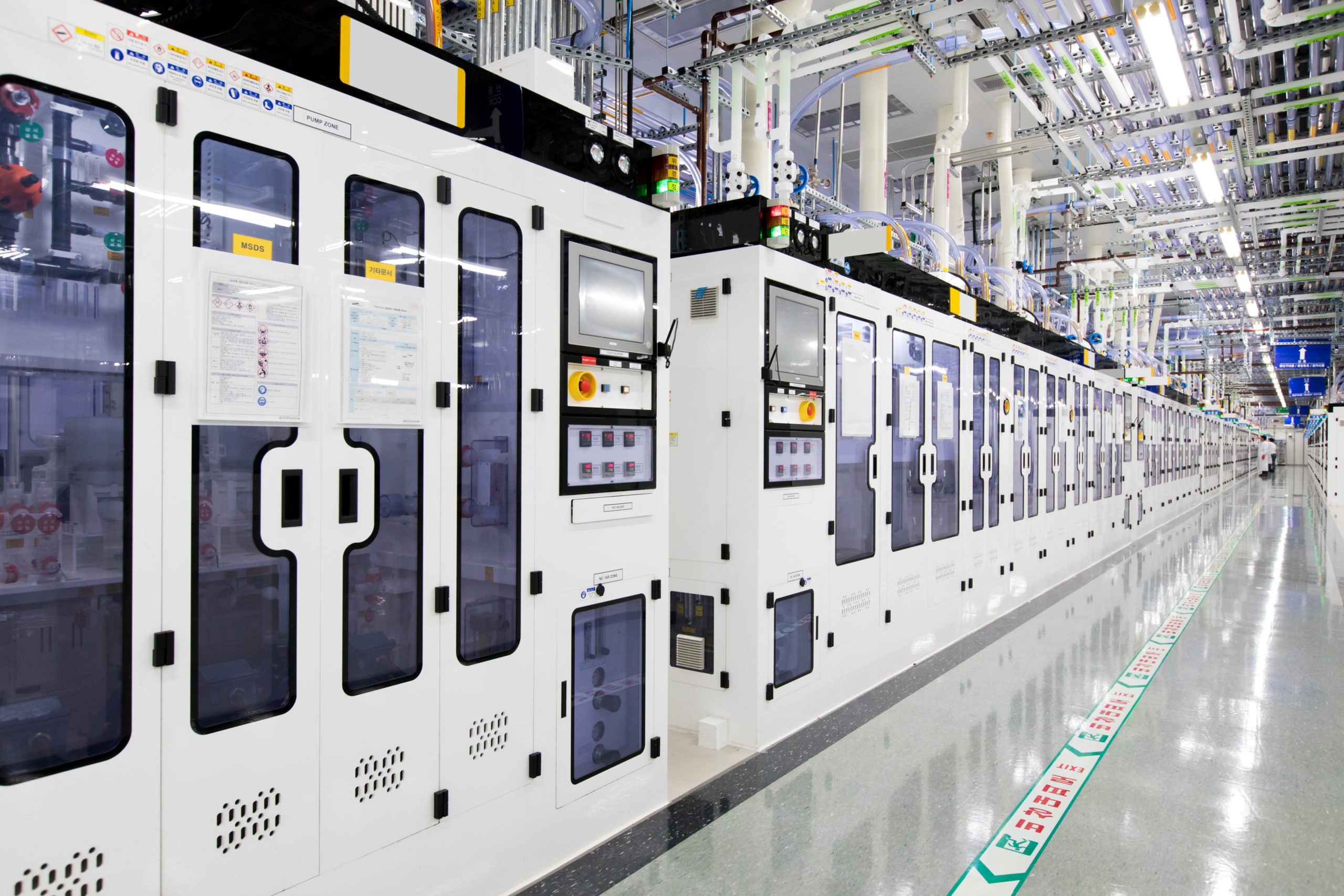
Korean firms strive to reduce their dependence on single-source suppliers of strategic resources as regional tensions become more common.
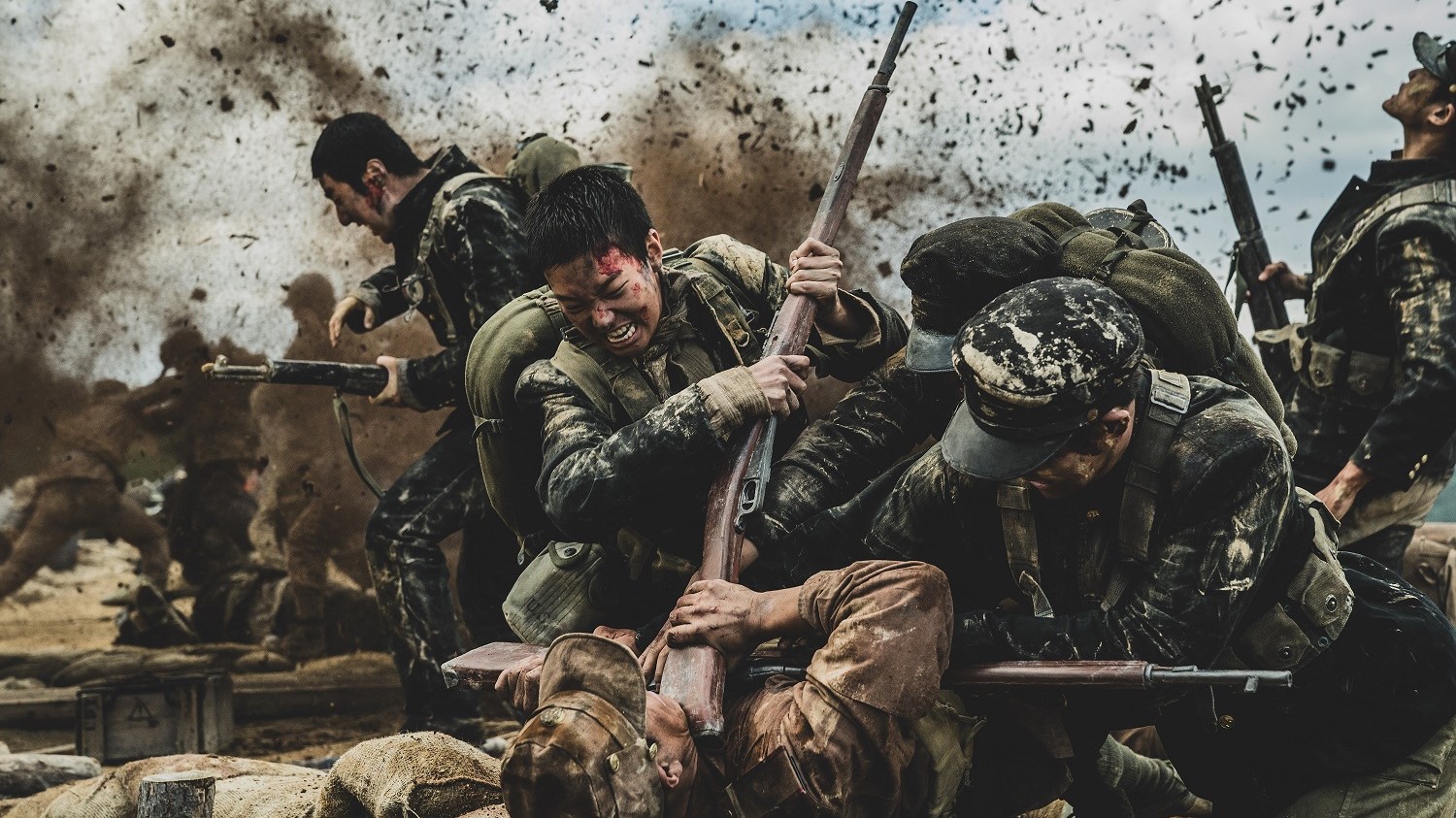
History, politics, and geopolitics are ever-present in Northeast Asia – and they are increasingly part of the media landscape.