North Korean ICBM Tests
The Hwasong-15 test demonstrates the continuing trend of North Korea’s rapidly advancing, and deeply troubling, missile technology.

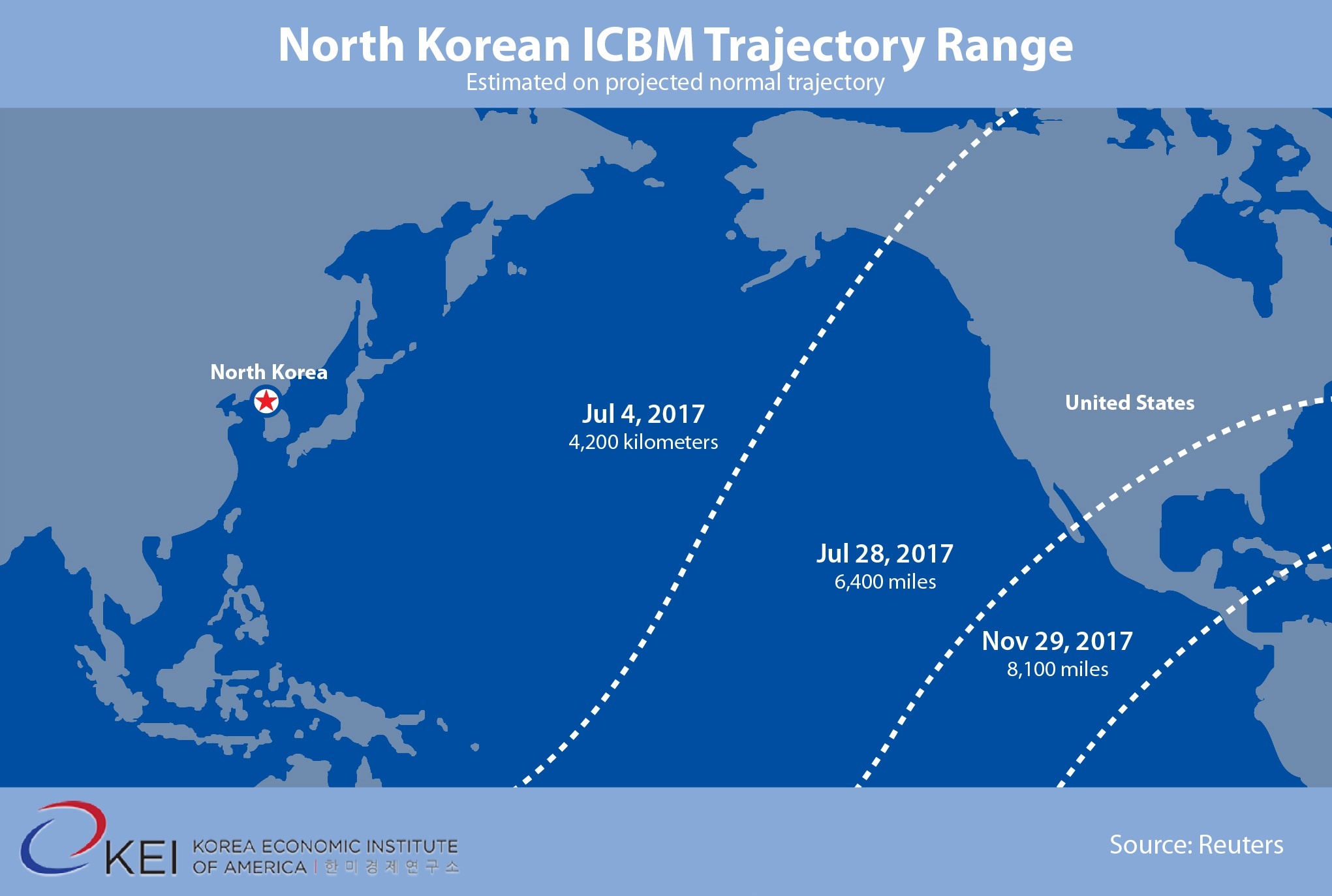
The Hwasong-15 test demonstrates the continuing trend of North Korea’s rapidly advancing, and deeply troubling, missile technology.
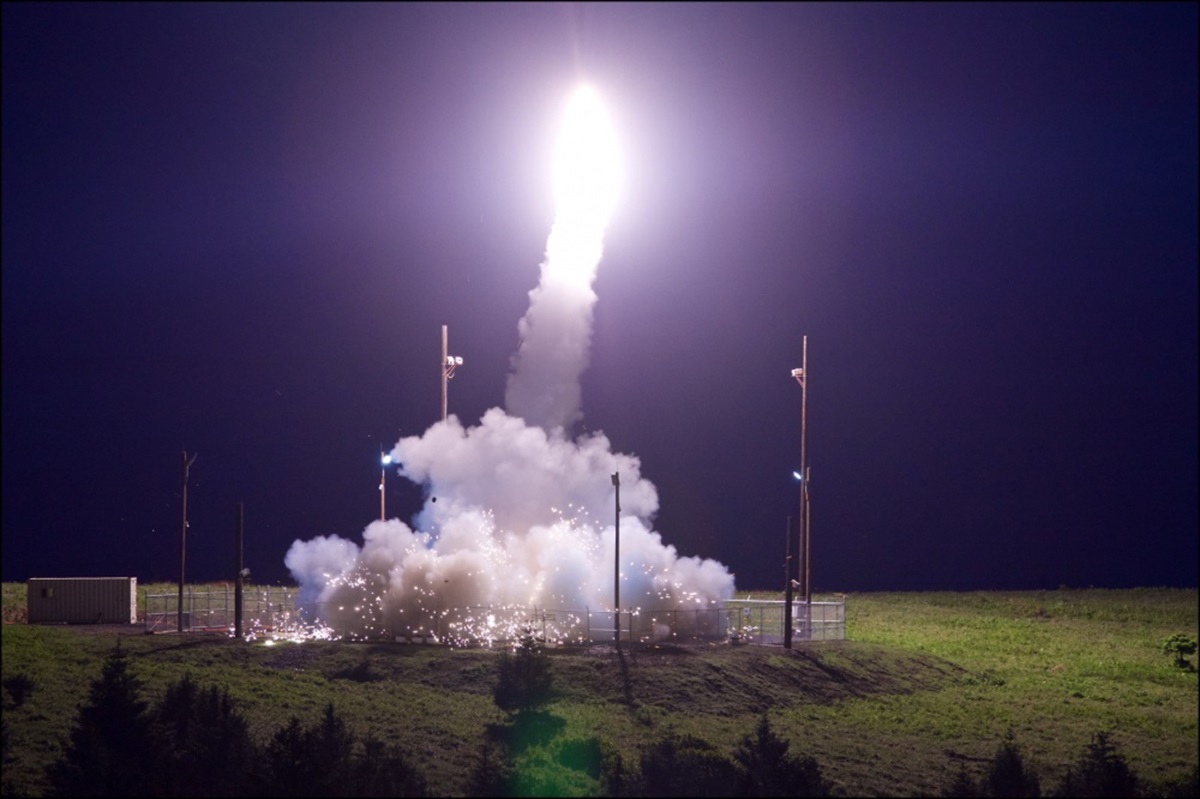
There was little reason to believe that North Korea had halted its ICBM tests in the hopes of opening the door to dialogue.

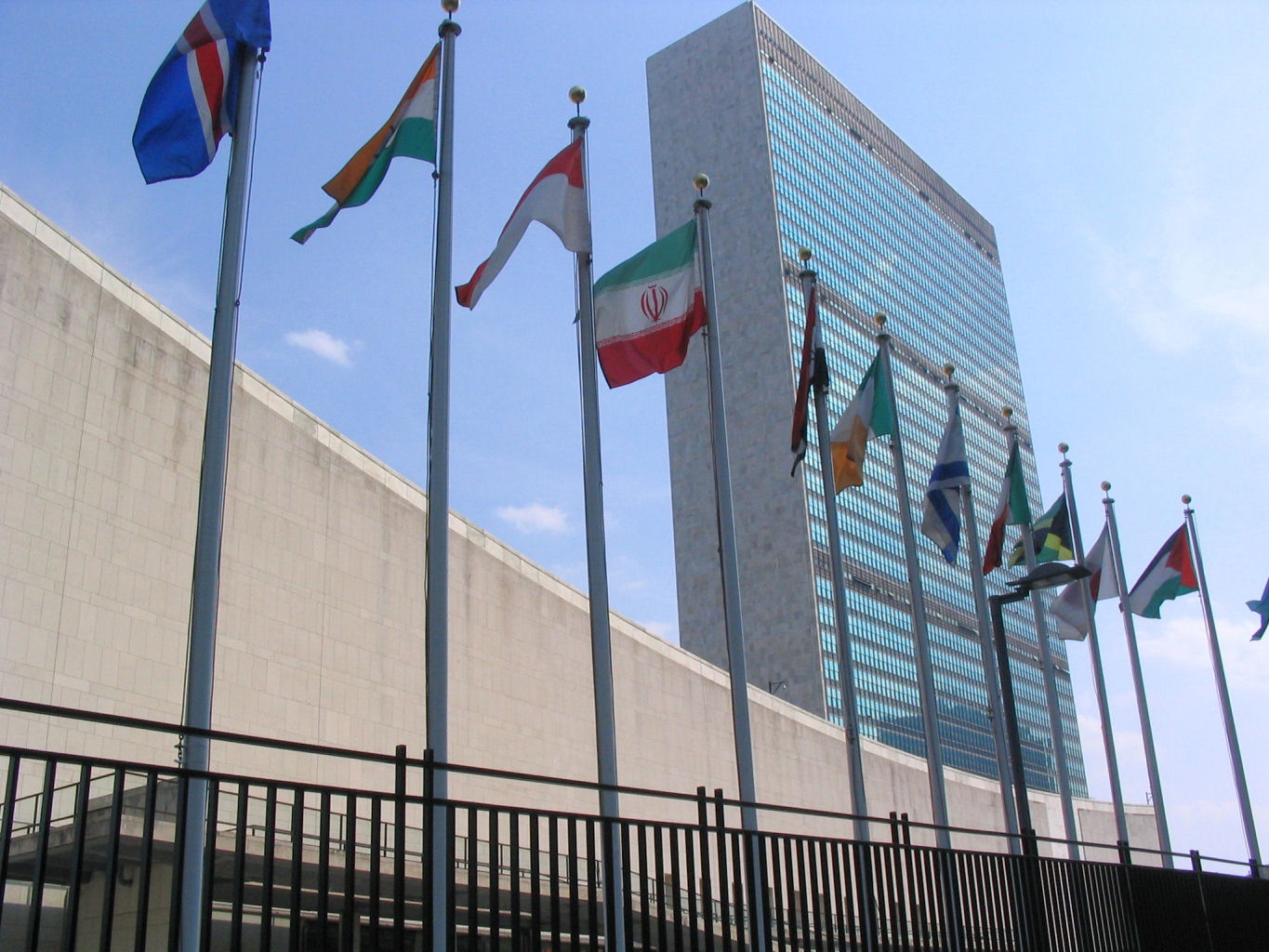
President Trump’s United Nations speech seems, above all, to be a plea for help from the international community in dealing with North Korea.

Last week, the House of Representatives and the Senate overwhelming passed and sent to President Trump’s desk a new sanctions bill for his expected signature.
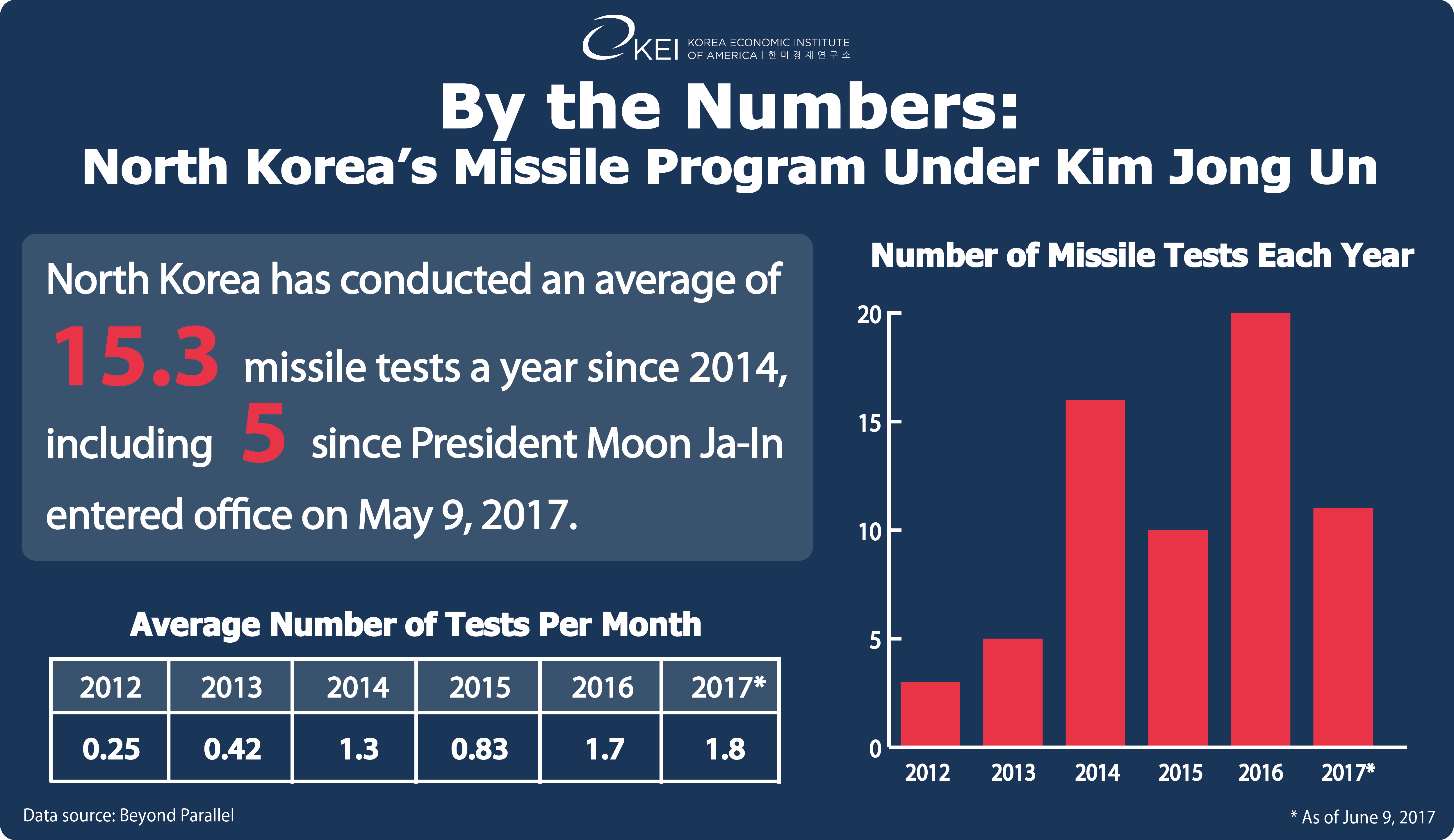
Since assuming leadership in North Korea, Kim Jong-un averaged 10.8 missile tests per year in the 2012-2016 period.
While the international community has largely focused on North Korea’s nuclear tests, its continuing development of delivery devices is equally dangerous to international peace and stability.

For the last eight years, we’ve seen a relationship that has grown beyond the Cold War confines of the threat from North Korea and that has begun to evolve into more of a partnership that works together both in the region and on the global stage.
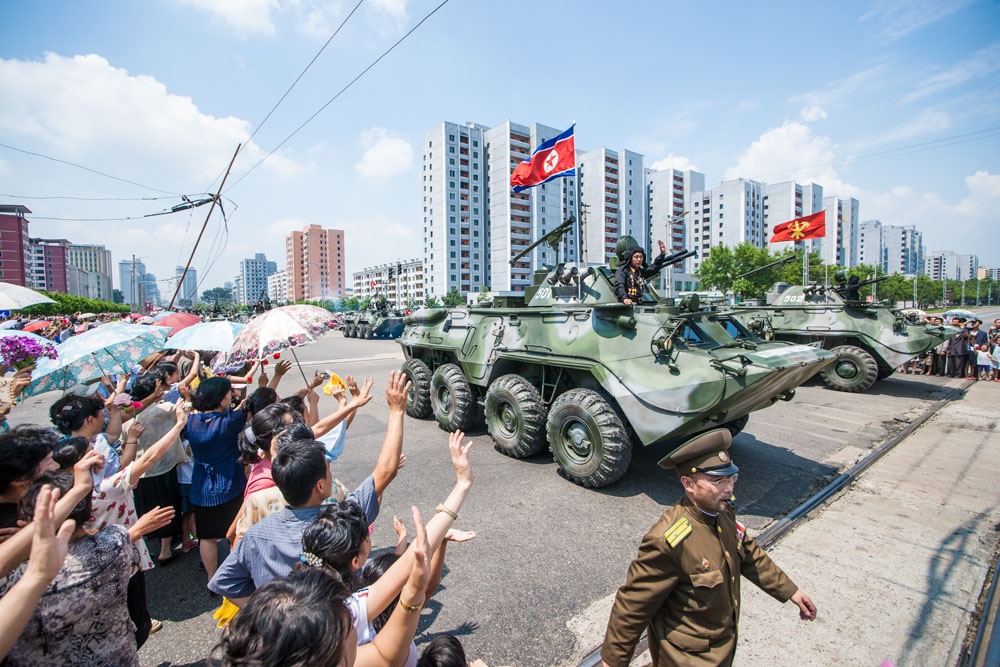
If the Trump administration were to consider a significant overhaul of U.S. policy on North Korea, here are 16 issues the incoming administration should consider in developing a new policy.

For the purposes of those with a particular interest in Northeast Asia, and Korea in particular, following are questions that we would love to see asked and answered during the upcoming confirmation hearings.
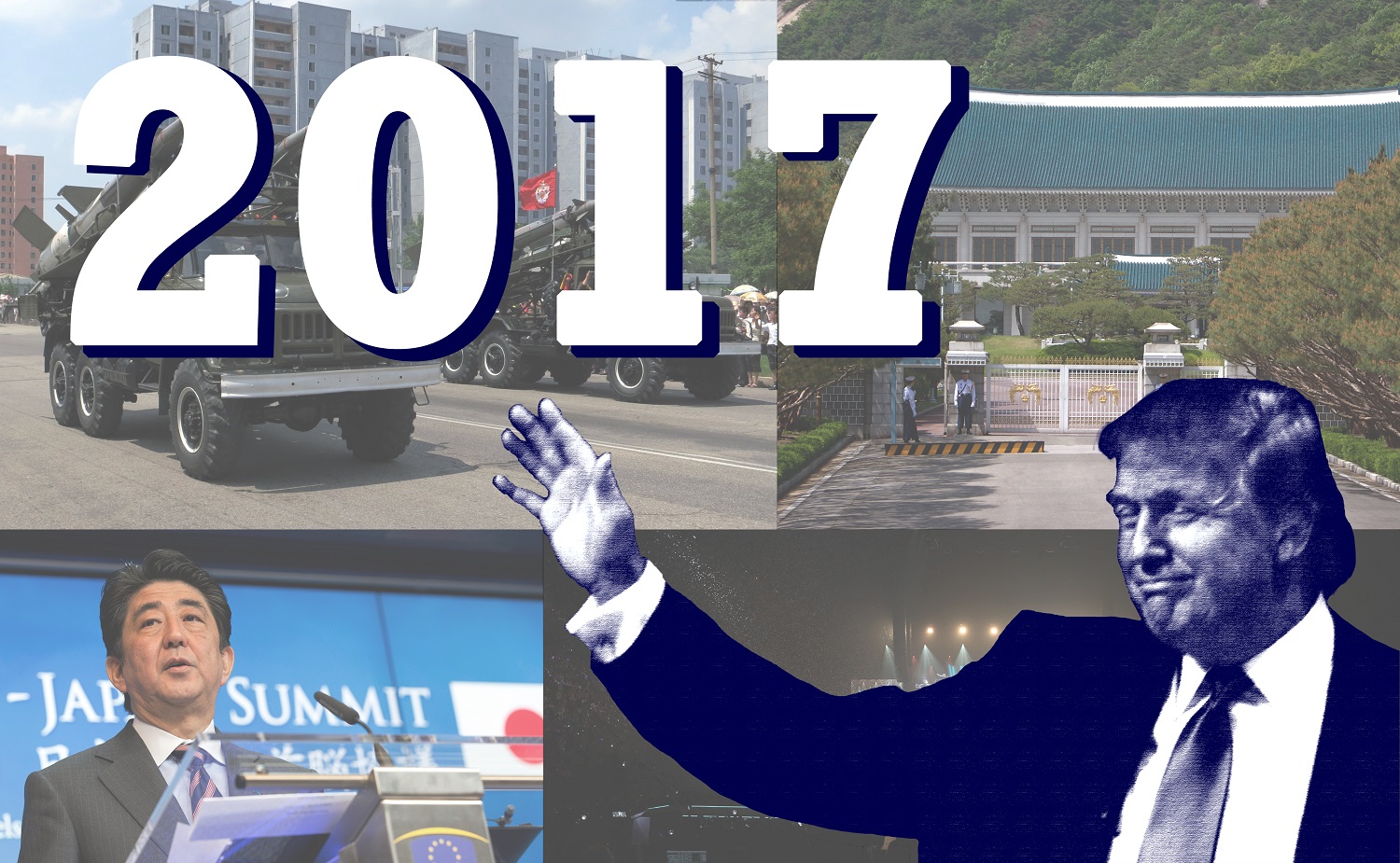
Our annual look at the events that will shape the Korean peninsula in the coming year.