Seoul’s Dilemma in the Face of a New Sole Pacing Threat and Scenario
Concern is rising in Seoul that fundamental changes in the role of United States Forces Korea (USFK) may be underway.

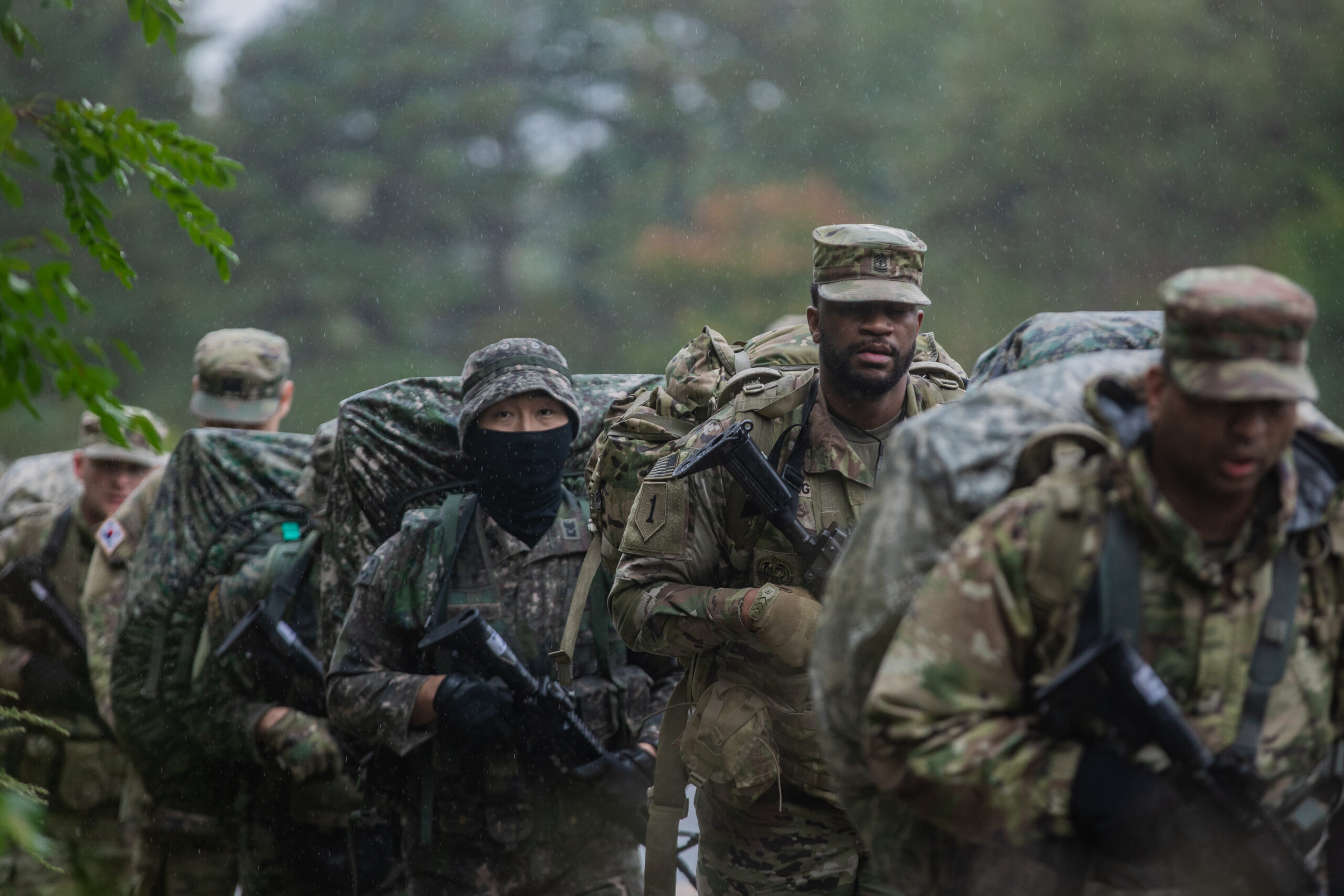
Concern is rising in Seoul that fundamental changes in the role of United States Forces Korea (USFK) may be underway.
Assuming Yoon is eventually removed from office, a South Korean presidential election is held, and a progressive ROK administration returns to office—with markedly different national security and foreign policy priorities—it is unlikely the NCG’s expedited progress reviewed above will continue apace. Yet only time will tell exactly how it will evolve in the future.
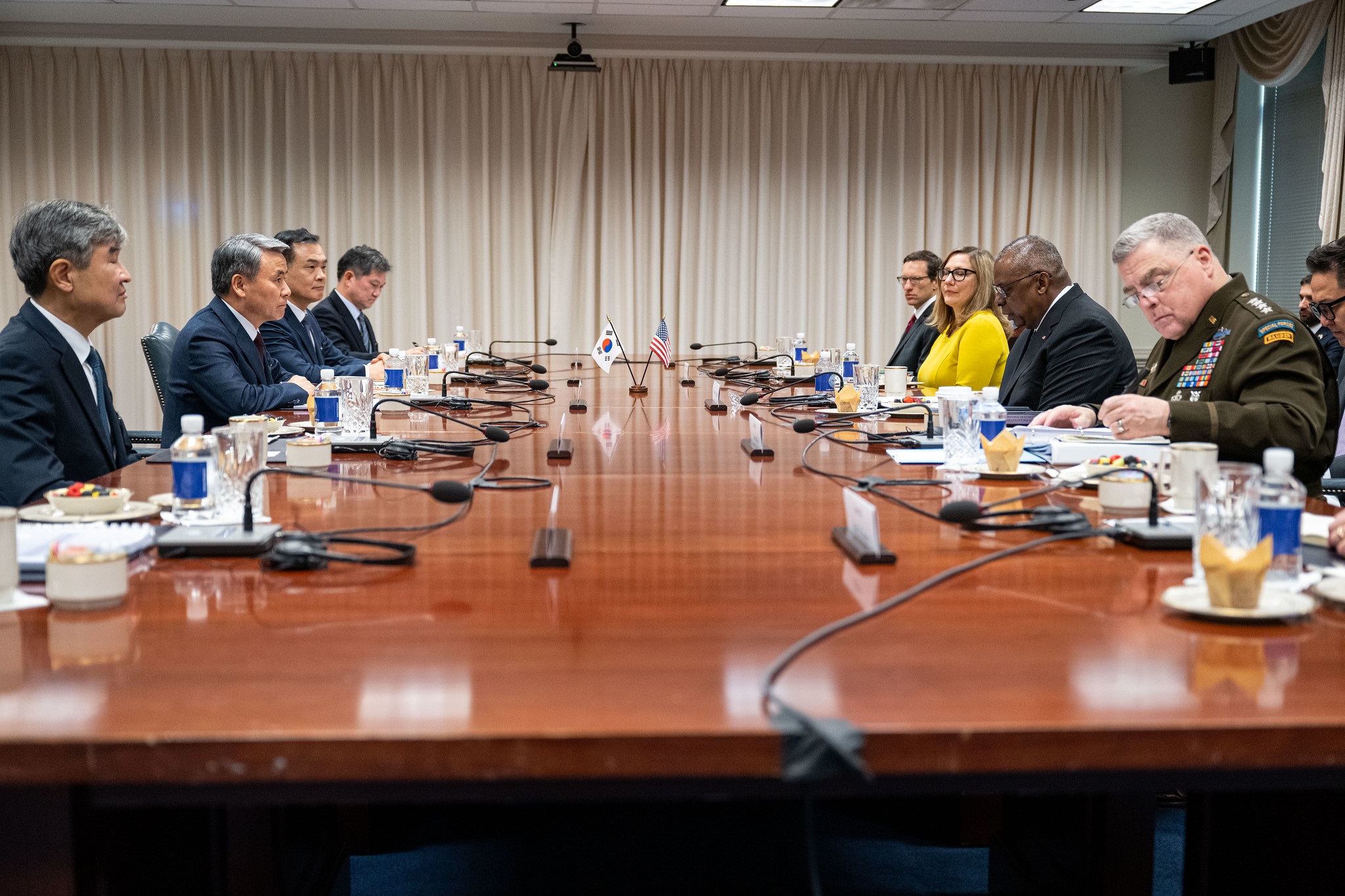
Consultative mechanisms collectively reflect the breadth and depth of ROK-U.S. security cooperation, as well as the increasingly complex strategic environment in which the alliance operates.
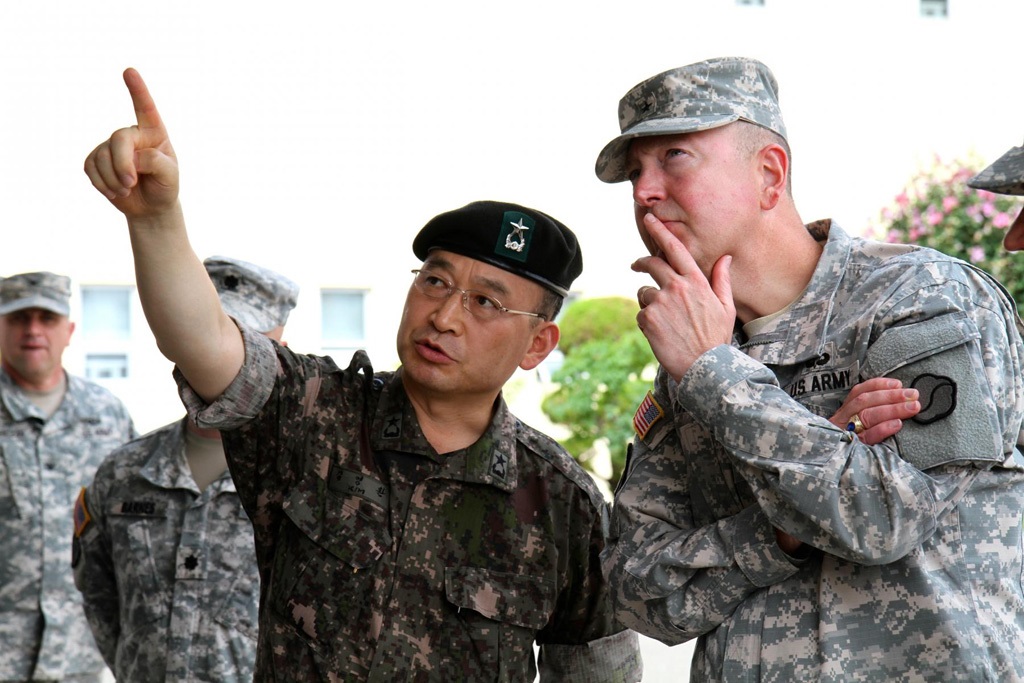
The history surrounding the U.S. commitment to South Korea, including the nuclear umbrella, is critical to understanding the alliance today.
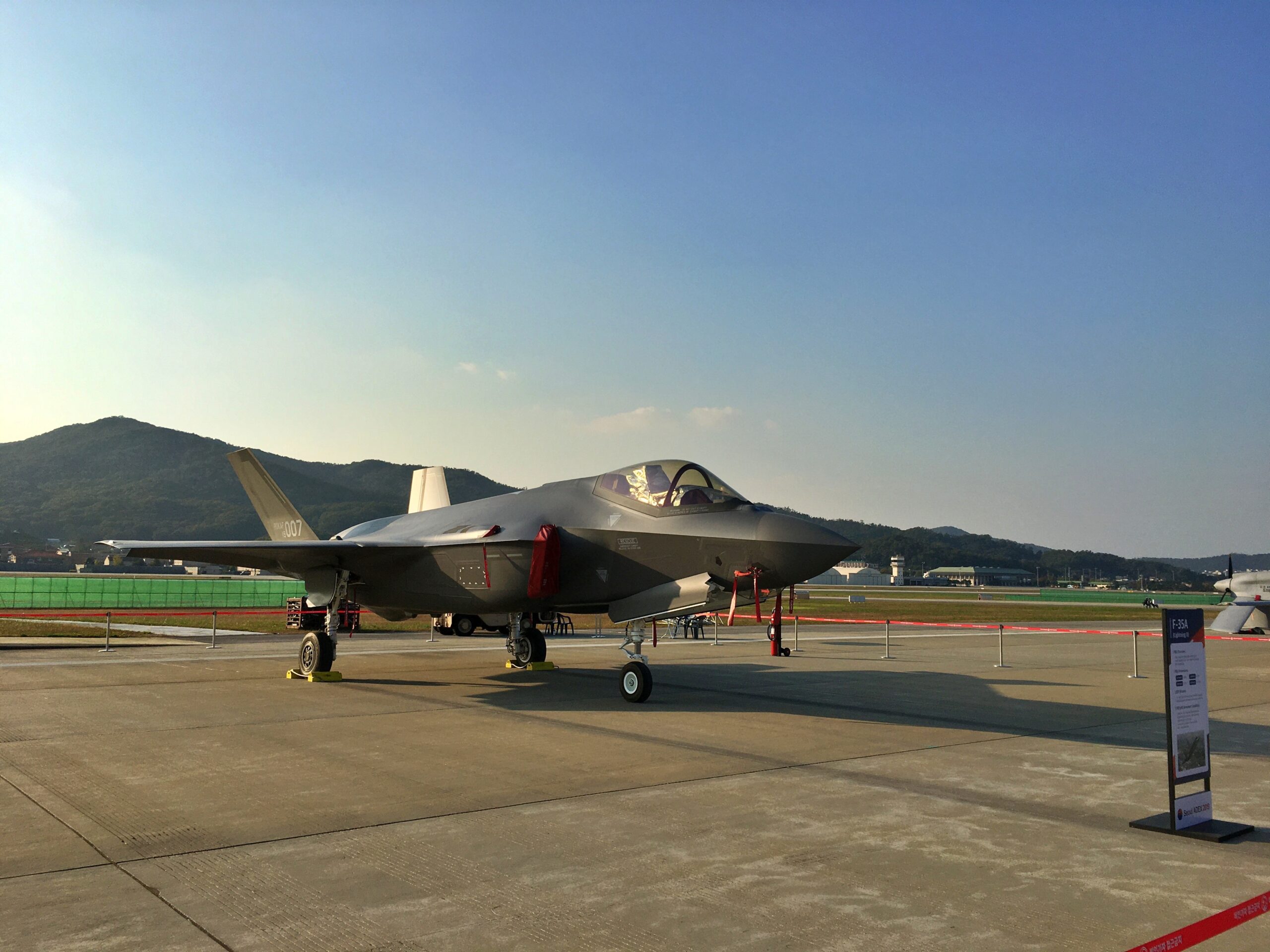
South Korea’s conventional weapons advancements are a critical variable in Seoul’s potential development of an indigenous nuclear deterrent.
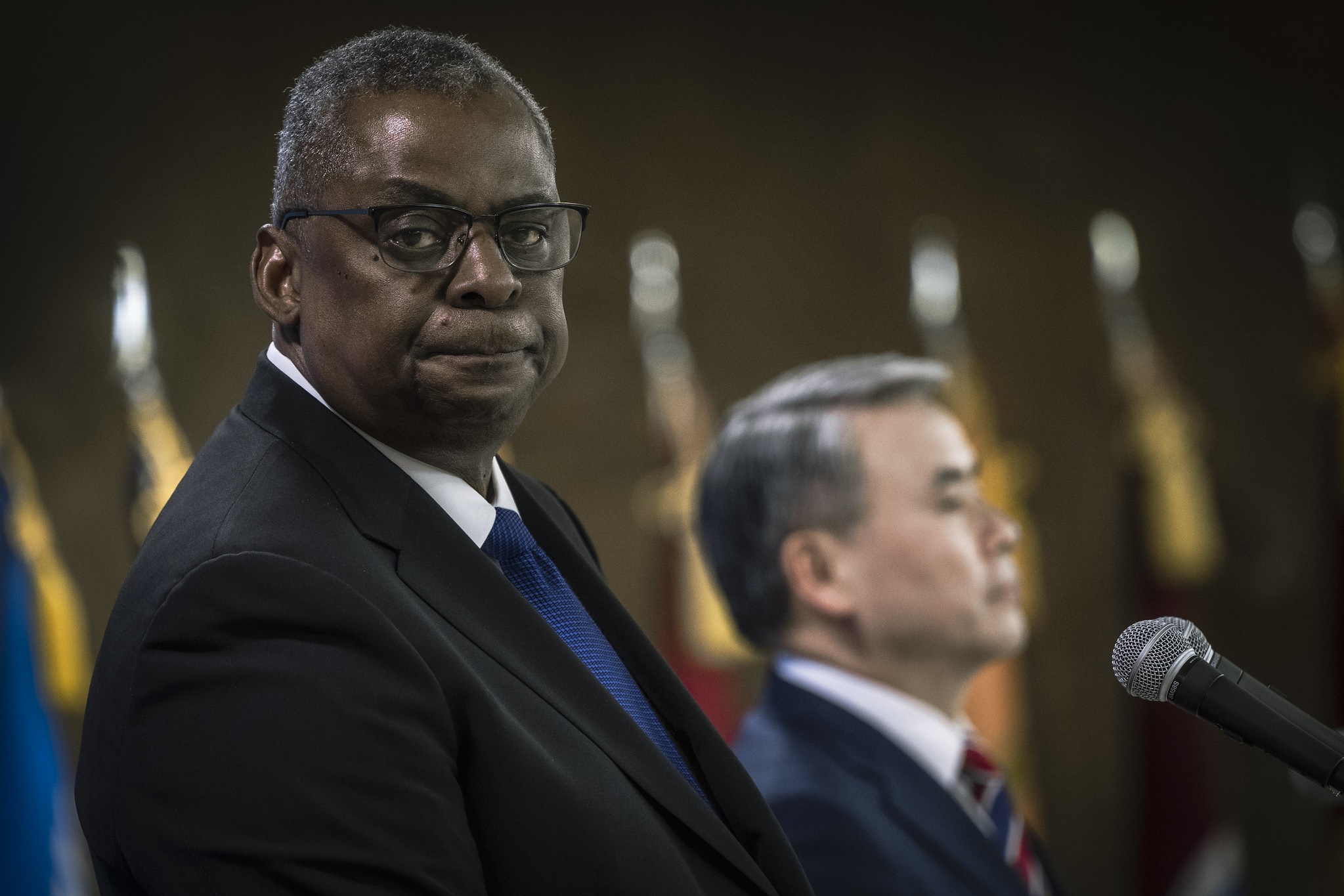
A decision by South Korea to acquire its own nulcear weapons would be a shock to the U.S.-Korea alliance. How would it respond?
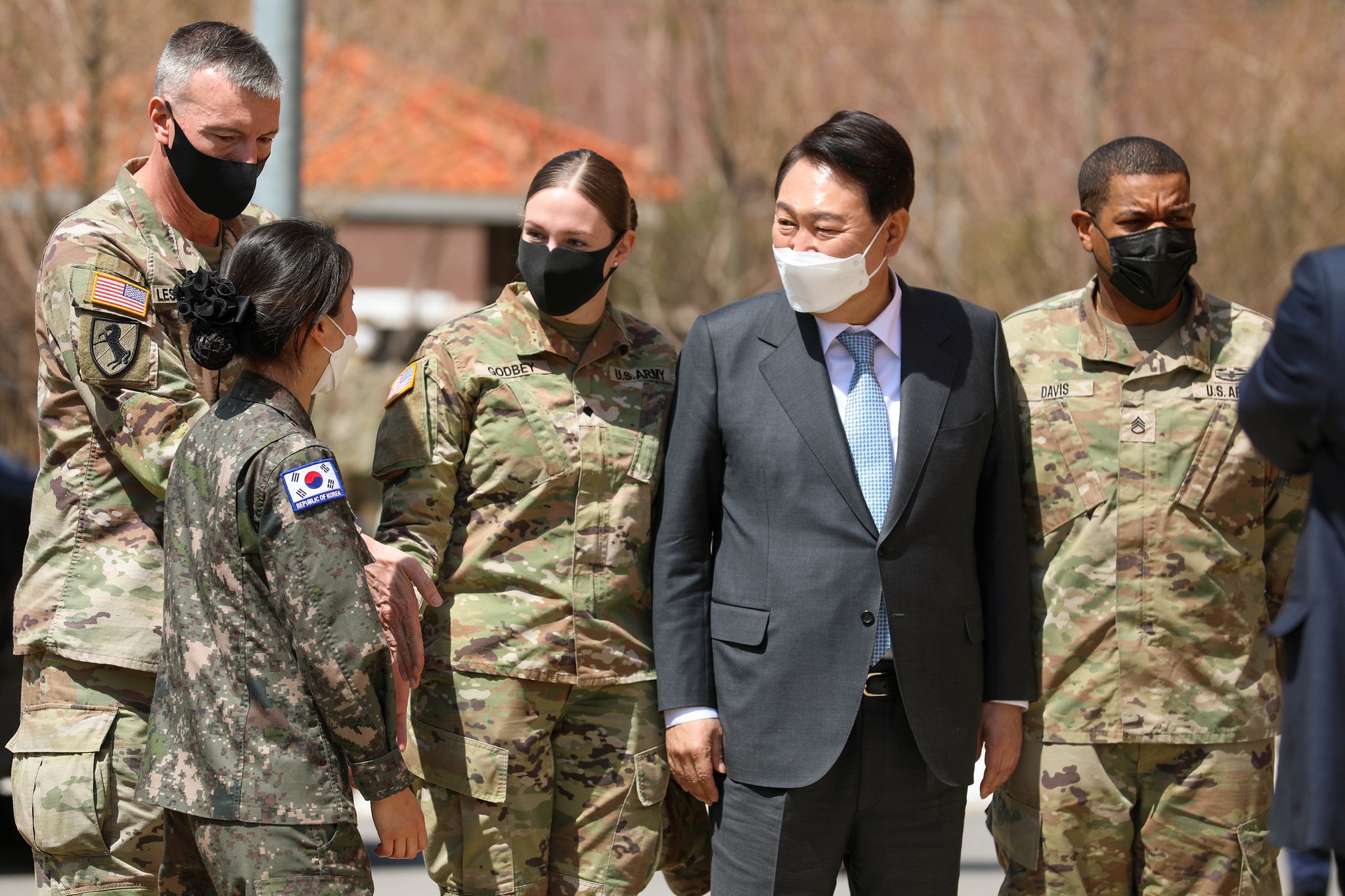
This piece is one of 12 contributions to KEI’s special project on South Korea’s nuclear armament debate that will run on The Peninsula blog over…