U.S. Policy Uncertainty and South Korean Multinationals’ Investment Decisions
Policy uncertainty in the United States has increased, which is influencing the long-term outlook for South Korean investment decisions.

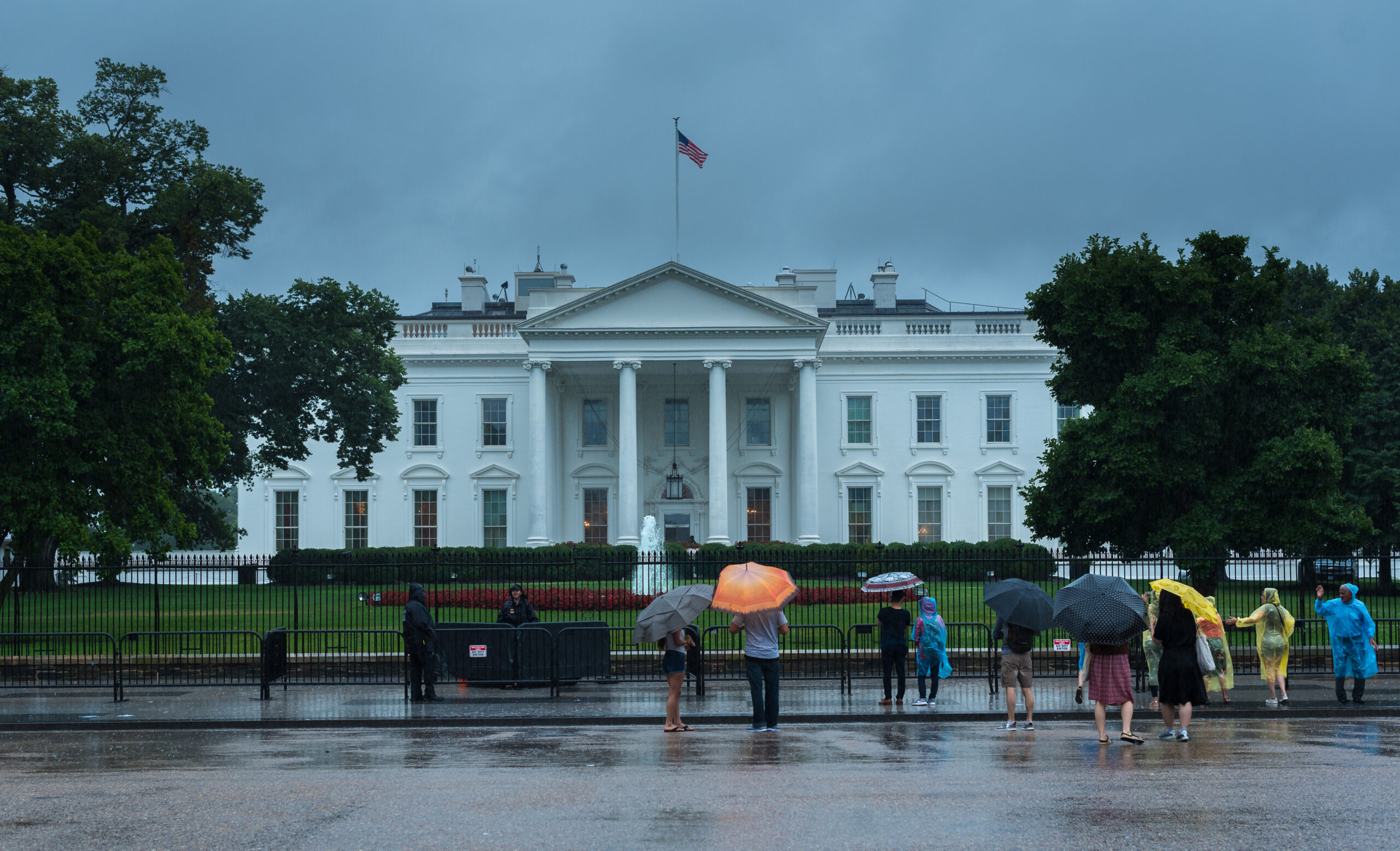
Policy uncertainty in the United States has increased, which is influencing the long-term outlook for South Korean investment decisions.

Economic data for South Korea from recent months offers an early indicator of how tariffs might impact Korea’s economy and U.S.-Korea trade.
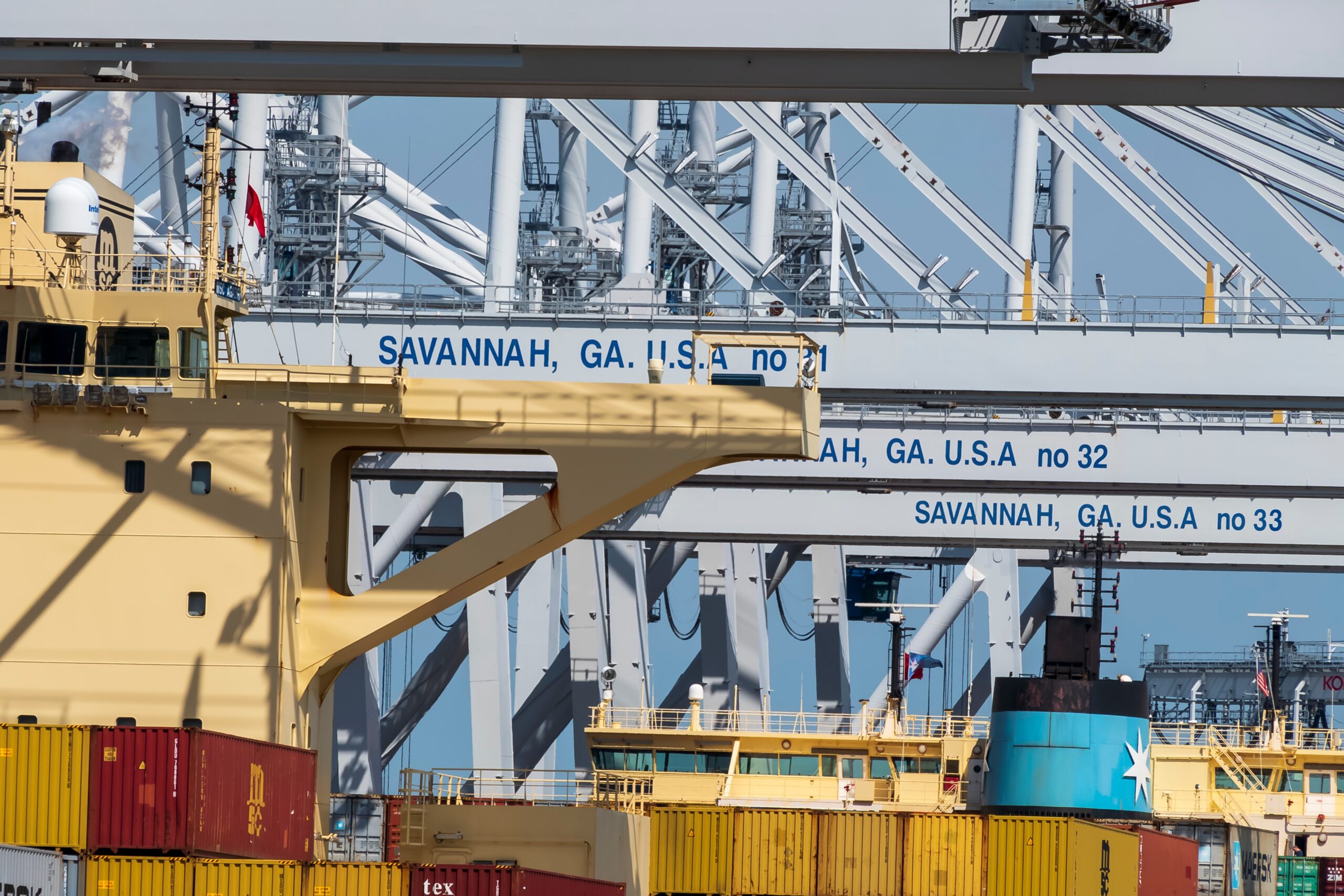
Amid tariffs and investments, many have pointed to the benefits of deep socioeconomic linkages between the United States and South Korea.

Bilateral cooperation in shipbuilding could become a linchpin of U.S. maritime security and economic strategy for decades to come.

During a time of political change in both the United States and South Korea, new investments, partnerships, and diplomatic dialogues continued to strengthen the economic and technological partnership between the two nations.

Major political developments at the end of 2024 have ushered in new unpredictability in the US-South Korea relationship for 2025. First came the re-election of Donald Trump in the United States, followed by dramatic events in South Korea that are still evolving after President Yoon Suk Yeol’s short-lived declaration of martial law. Deep political division is a powerful undercurrent contributing to both these developments, the aftermath of which will play out in unique and uncertain ways in each country over the course of 2025.

The year 2024 ended with South Korean President Yoon Suk Yeol’s declaration of martial law, his impeachment by the National Assembly, and the ensuing political turmoil and uncertainty. While 2025 will be largely defined by South Korean efforts to regain normalcy and stability in its domestic and global affairs, as well as the inauguration of the Donald Trump administration, other key issues will define and impact the Korean Peninsula this year.
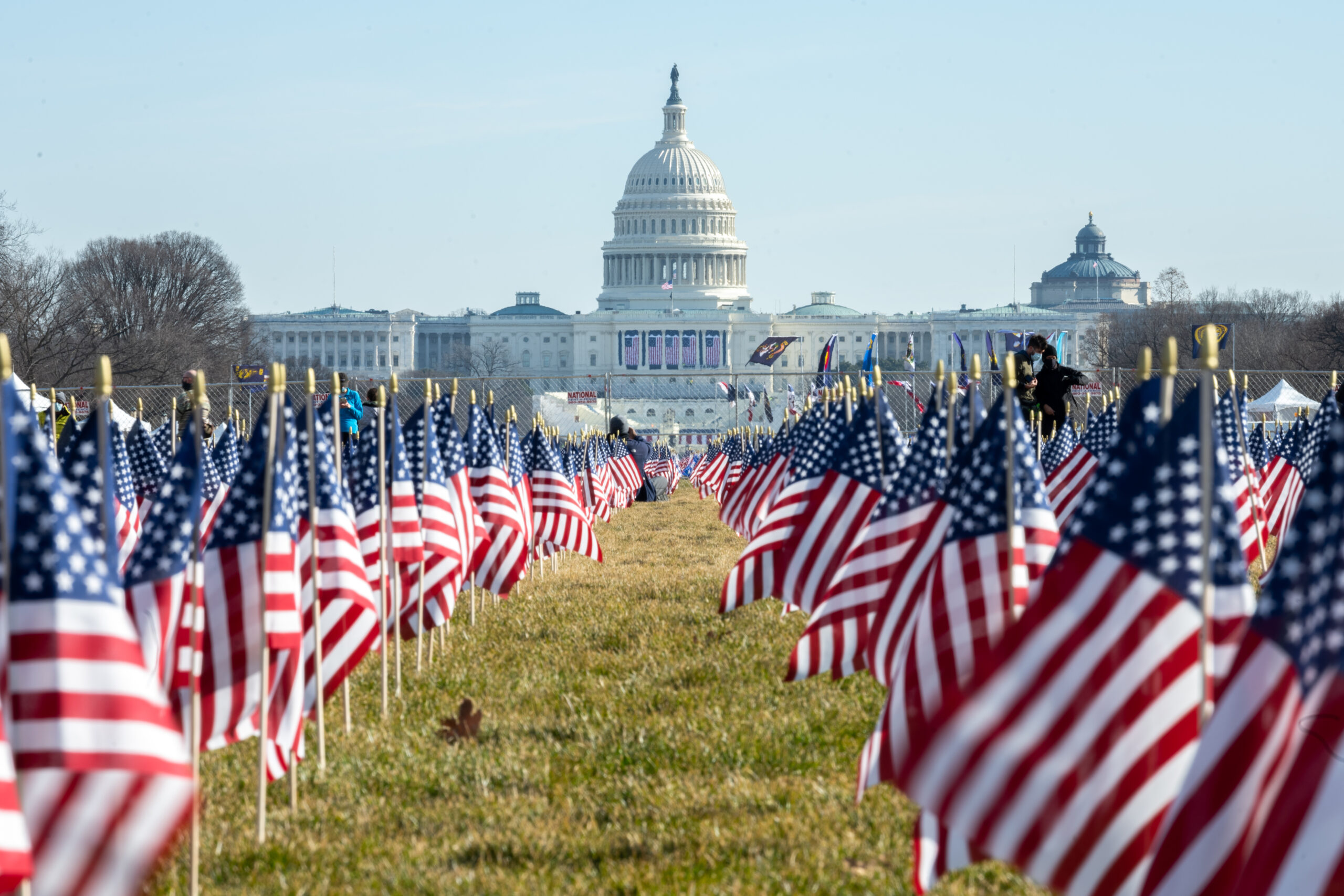
A KEI survey suggests that public opinion about the bilateral relationship and US commitments is relatively robust and broadly bipartisan.
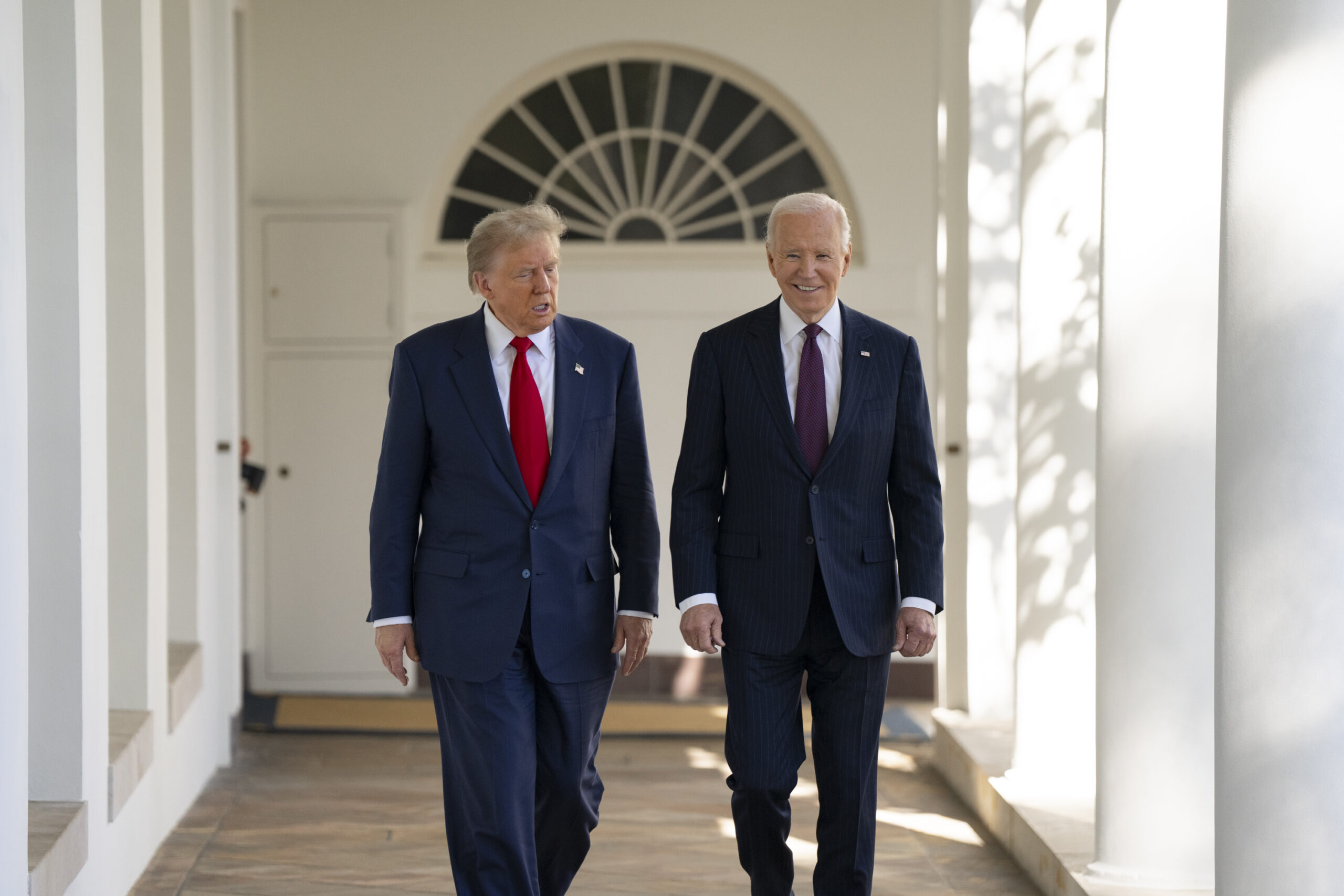
What is certain is that US defense and military officials will increasingly view the alliance through the lens of US-China competition.

South Korea eked out a disappointing 0.1 percent gain from Q2. In contrast, the US showed a 2.8 percent growth, down slightly from 3 percent.