MZ Generation’s Perspective on Korean Unification
The MZ Generation’s preferences and perceptions will have considerable influence over South Korea’s policies on unification.


The MZ Generation’s preferences and perceptions will have considerable influence over South Korea’s policies on unification.
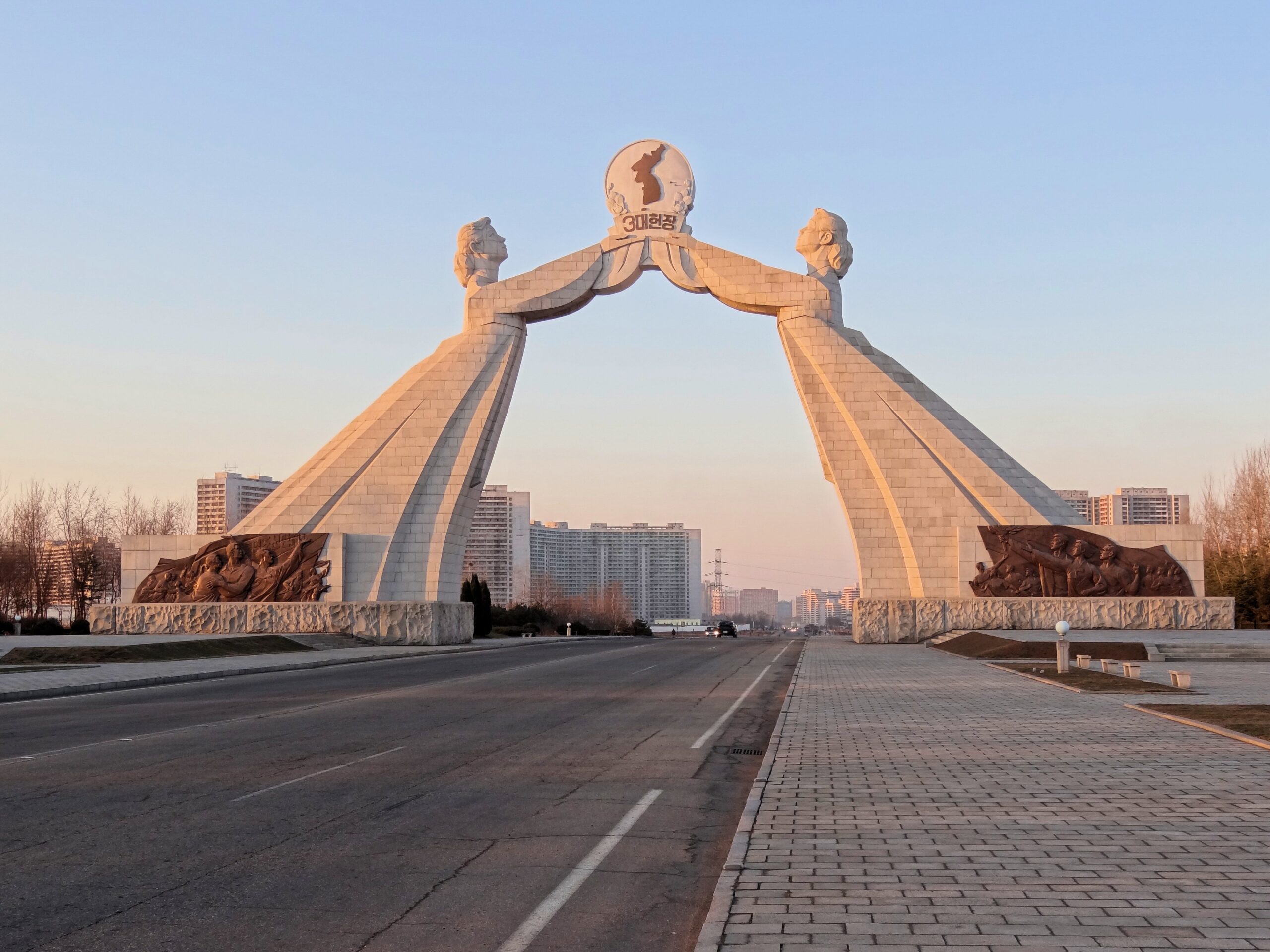
For seventy years, one of the few things agreed upon was the goal of reunifying the Korean Peninsula. No more, at least for now.

In a move that had been expected, North Korea extended an invitation to South Korean President Moon Jae-in for a summit meeting with Kim Jong-un.
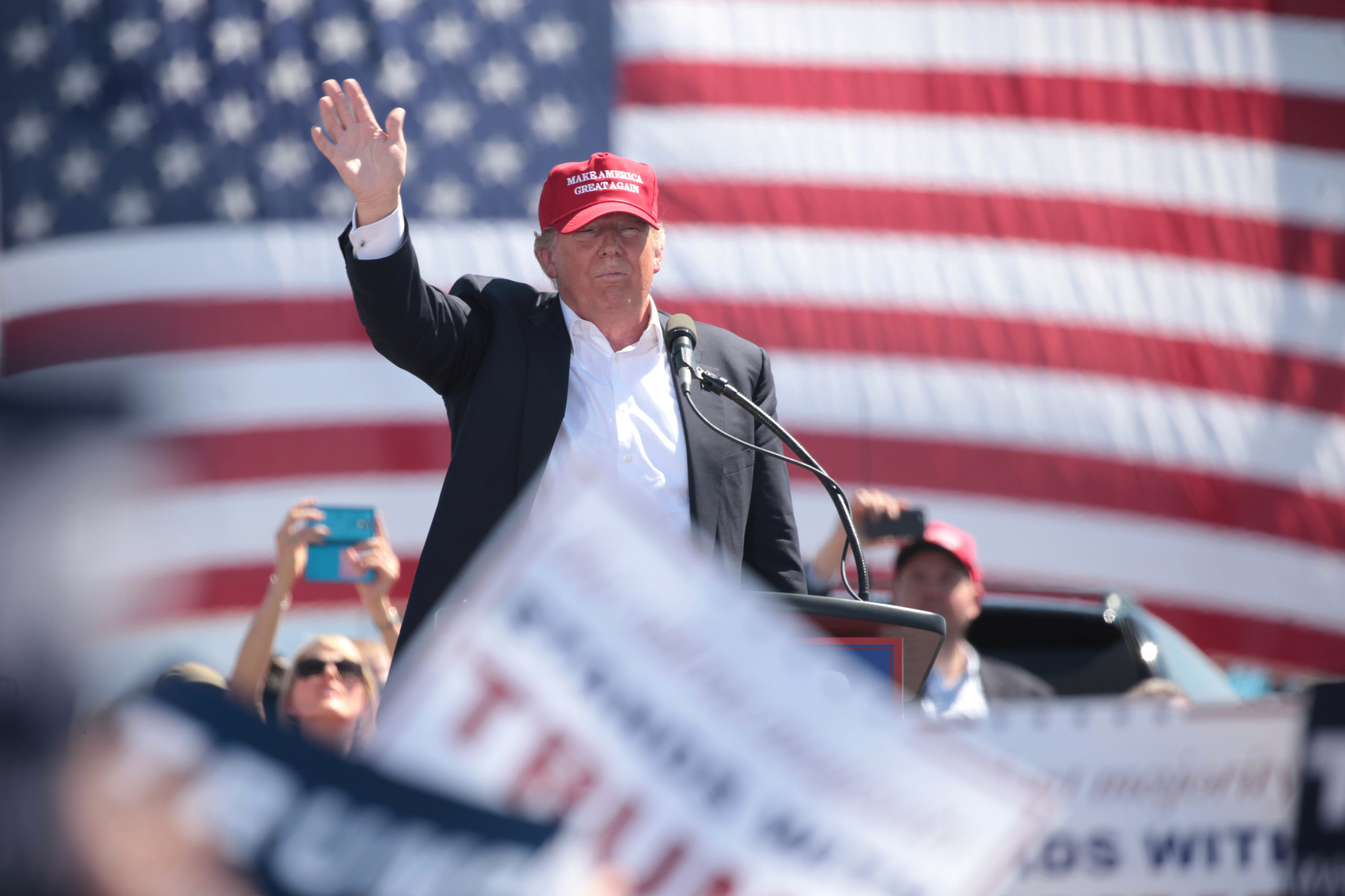
Whether it was the British vote to leave the European Union in June or the impeachment of the South Korean President Park Geun-hye in December, 2016 will be remembered for a series of unexpected events and the questions they have raised about how they may shape the future.
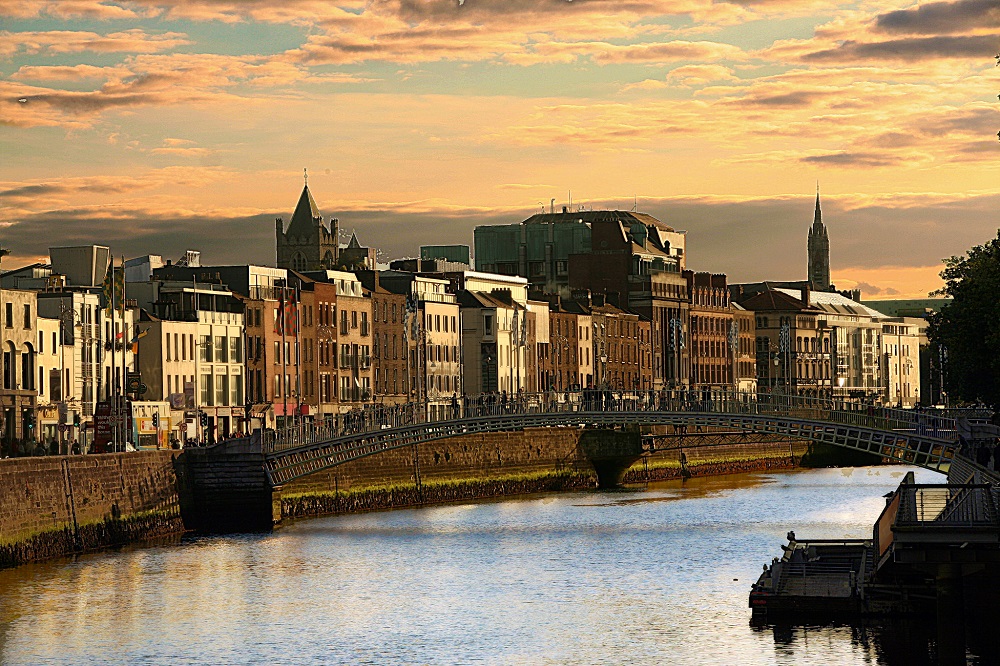
In discussions of Korea’s possible reunification, observers often cite the German unification and integration process – but what about Ireland?
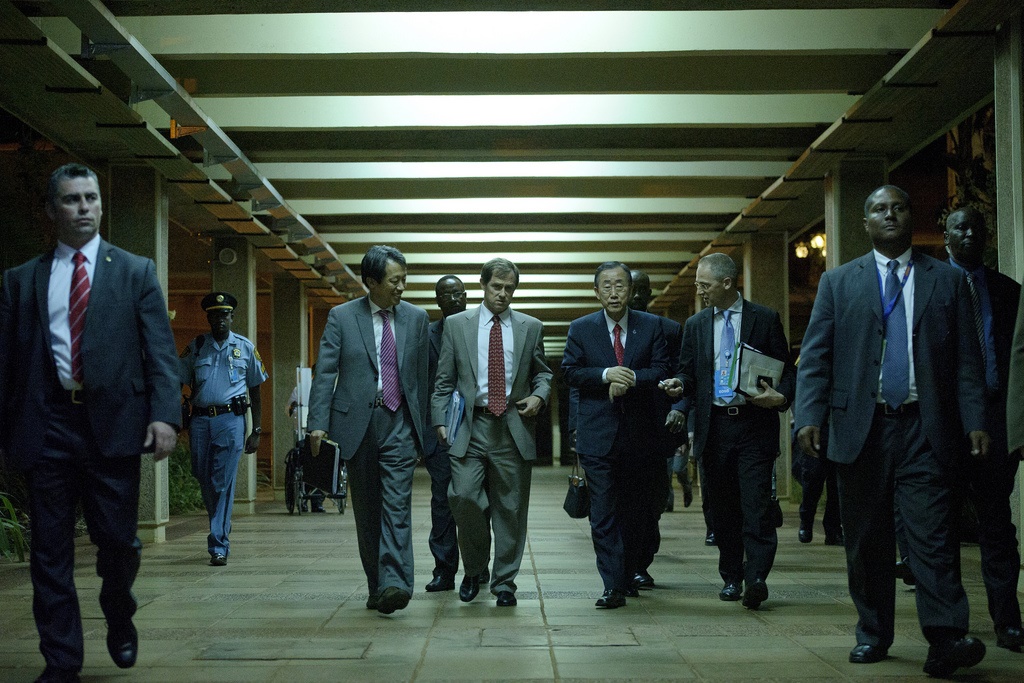
There are five issues that UN Secretary General Ban Ki-moon should raise if he is able to visit North Korea.

As recent events between China and Taiwan demonstrate, the conditions and circumstances of a meeting matter as much as the substance.

During East Germany’s 41 years of the existence there were some 250,000 political prisoners.
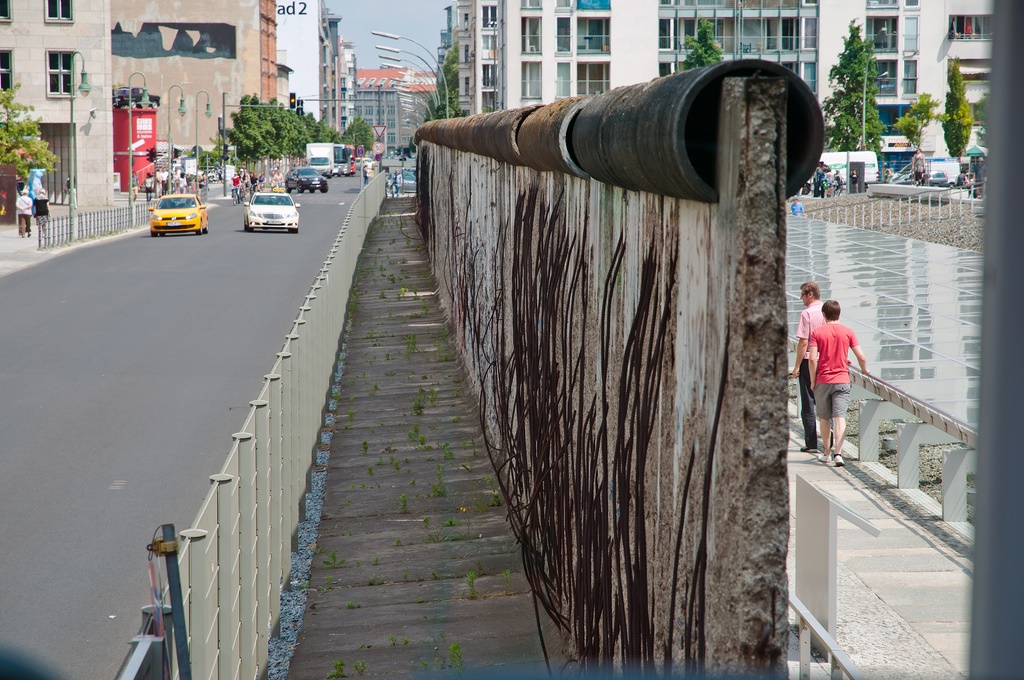
One of the most difficult internal challenges Korea will face after unification is integrating the North Korean population into South Korean society.
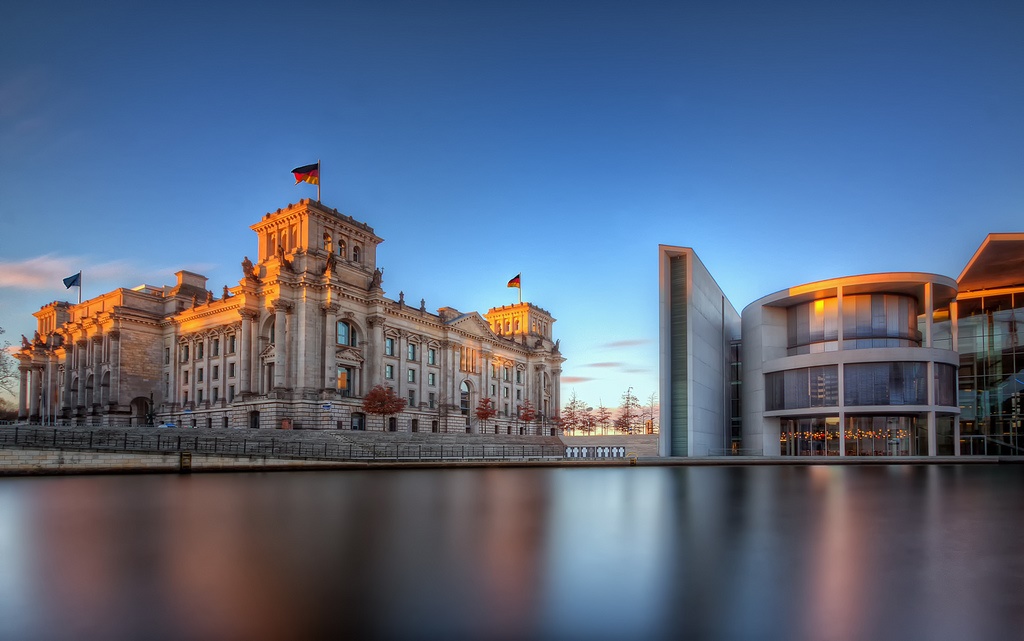
While it is natural for there to be a desire for justice after a regime such as North Korea’s collapses, practical matters often intervene.