Mitigating the New Politics of Zero-Sum

Major political developments at the end of 2024 have ushered in new unpredictability in the US-South Korea relationship for 2025. First came the re-election of Donald Trump in the United States, followed by dramatic events in South Korea that are still evolving after President Yoon Suk Yeol’s short-lived declaration of martial law. Deep political division is a powerful undercurrent contributing to both these developments, the aftermath of which will play out in unique and uncertain ways in each country over the course of 2025.
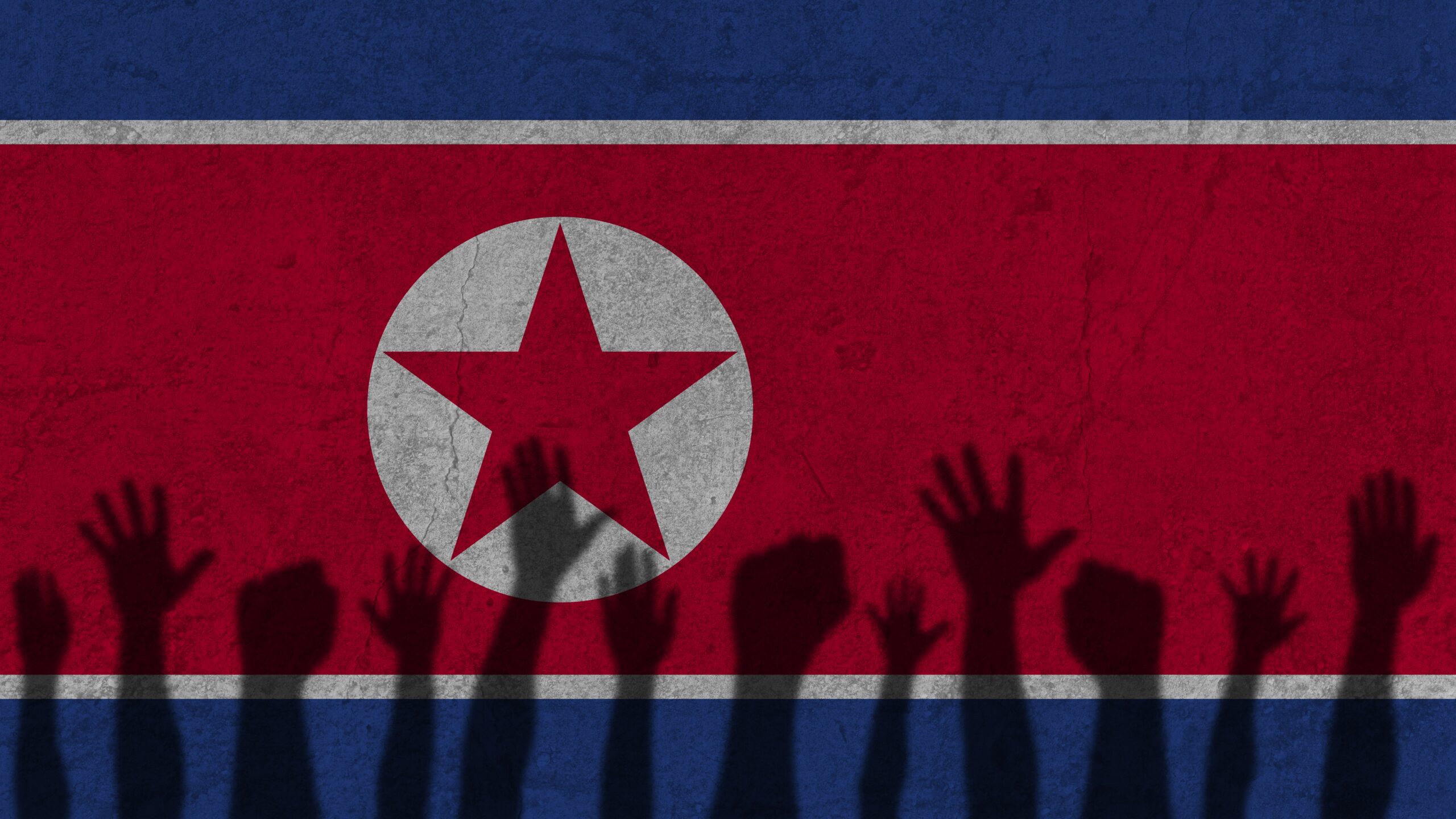
What to Expect from U.S. Policy on North Korea Human Rights Under Trump 2.0

There are clear indications that Kim and his government are particularly unhappy with the attention and criticism his government’s human rights violations have received. Modest changes have been made by Pyongyang to minimize human rights criticisms. That will only continue if the United States, the United Nations, and other UN member countries continue to call attention to the human rights abuses.

Protectionism With Opportunities for US-South Korea Trade Under Trump 2.0

The economic relationship between the United States and South Korea is stronger than ever, but President Donald Trump’s promises of higher US tariffs pose risks to the relationship. As protectionist US trade policies will likely distort current trade patterns, a well-positioned South Korea could stand to benefit.

10 Issues to Watch for on the Korean Peninsula in 2025

The year 2024 ended with South Korean President Yoon Suk Yeol’s declaration of martial law, his impeachment by the National Assembly, and the ensuing political turmoil and uncertainty. While 2025 will be largely defined by South Korean efforts to regain normalcy and stability in its domestic and global affairs, as well as the inauguration of the Donald Trump administration, other key issues will define and impact the Korean Peninsula this year.